Table of Contents >> Show >> Hide
- Why Choose a Kid-Safe Christmas Tree?
- Why Paint Chips and Ribbons Work So Well
- Materials You Will Need
- How to Make Paint Chip Christmas Tree Ornaments
- How to Use Ribbon on a Kid-Safe Christmas Tree
- Smart Safety Tips for a Family Christmas Tree
- Design Ideas for Paint Chip and Ribbon Trees
- How Kids Can Help Without Creating Holiday Chaos
- Budget Benefits of Paint Chip Ornaments
- Storage and Reuse Tips
- Common Mistakes to Avoid
- Real-Life Experience: What This Tree Feels Like in a Busy Family Home
- Conclusion
Christmas trees are magical. They glow, sparkle, smell like nostalgia, and somehow convince adults to untangle 42 feet of lights while pretending they are “enjoying the season.” But when you have babies, toddlers, preschoolers, or curious pets in the house, the traditional Christmas tree can also become a glittery obstacle course of glass ornaments, hooks, cords, pine needles, and suspiciously snack-like decorations.
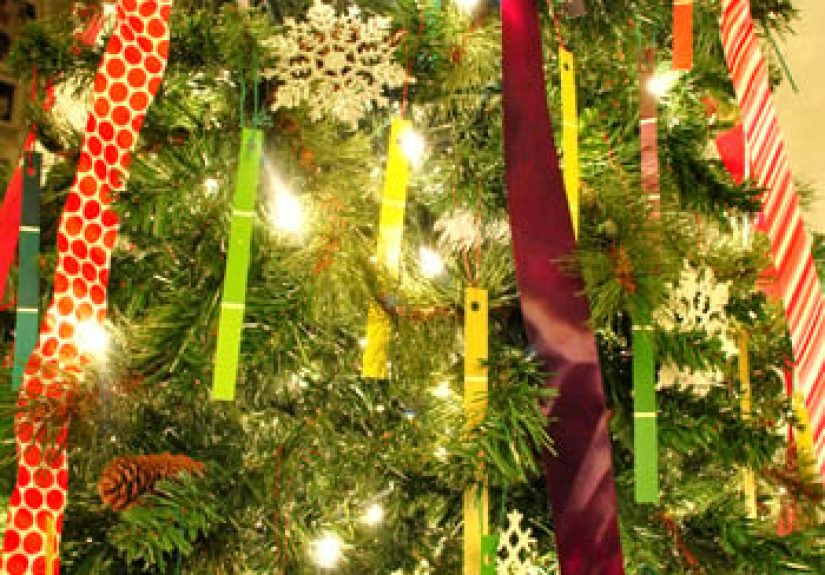
That is where a kid-safe Christmas tree with paint chips and ribbons comes in. It is cheerful, budget-friendly, surprisingly stylish, and much less stressful than watching a toddler toddle toward a glass bauble like it is the final cookie on Earth. Instead of fragile ornaments and tiny decorative pieces, this tree uses lightweight paper paint chips, soft ribbon, twine, and smart placement to create a festive look that is easier for little hands to enjoy safely.
The idea is simple: turn colorful paint sample cards into modern paper ornaments, add ribbon for texture and movement, and decorate in a way that keeps choking hazards, sharp objects, and breakable pieces off the lower branches. The result is a Christmas tree that feels playful, polished, and practical. It is not child-proof, because children have the determination of tiny raccoons in pajamas, but it is child-friendlier, easier to maintain, and much more forgiving.
Why Choose a Kid-Safe Christmas Tree?
A kid-safe tree is not about removing the joy from holiday decorating. It is about designing the tree around real family life. In homes with young children, holiday decorations should avoid sharp, breakable, or small removable parts that could be swallowed or inhaled. That does not mean your tree has to look like it was decorated in a padded room. It simply means choosing materials that are lightweight, soft, large enough to reduce choking concerns, and easy to replace if they get pulled, bent, or loved a little too aggressively.
Traditional ornaments can be beautiful, but glass, metal hooks, glittery picks, beaded garlands, and candy-shaped decorations can create unnecessary risk on lower branches. Kids are naturally curious. They touch, tug, taste, and test gravity with scientific dedication. A kid-safe Christmas tree uses that curiosity as part of the design. It invites children to participate while keeping delicate heirloom ornaments higher up or stored away for a future season.
Why Paint Chips and Ribbons Work So Well
Paint chips and ribbons are the secret ingredients in this cheerful holiday project. Paint chips offer instant color coordination because every card already contains a polished palette. Whether you want classic red and green, candy-cane pinks, winter blues, warm neutrals, or a rainbow tree, paint sample cards make it easy to create a cohesive look without buying expensive ornament sets.
Ribbons add softness, movement, and texture. They can be tied into large bows, looped through paper ornaments, woven gently through branches, or used as simple garland. Unlike glass ornaments, ribbon does not shatter. Unlike metal hooks, it does not poke. Unlike glitter, it does not secretly move into your carpet and stay there until Easter.
Together, paint chips and ribbons create a tree that feels modern, handmade, and warm. It is a craft project, a decorating shortcut, and a family memory-maker all in one.
Materials You Will Need
This project is delightfully low-maintenance. Most supplies are inexpensive, and many can be found in a craft drawer, wrapping station, or leftover holiday bin.
Basic Supplies
- Clean paint sample cards in your chosen color palette
- Wide ribbon, fabric ribbon, grosgrain ribbon, or satin ribbon
- Child-safe scissors for older kids, with adult supervision
- Standard scissors or paper cutter for adult prep
- Hole punch
- Twine, yarn, ribbon, or soft cord for hanging
- Clear tape, glue dots, or washable glue
- Optional: large felt stars, foam shapes, or paper snowflakes
Safety-Friendly Choices
Use larger ornament shapes rather than tiny cutouts. Avoid loose beads, buttons, sequins, gems, and small pom-poms on ornaments intended for lower branches. If you use embellishments, place those ornaments high on the tree and keep them out of reach of toddlers and babies. Skip metal hooks and use soft loops made from ribbon, yarn, or twine instead.
How to Make Paint Chip Christmas Tree Ornaments
Paint chip ornaments can be as simple or as fancy as you want. For a clean, modern look, cut the cards into strips or geometric shapes. For a child-led craft, let kids help choose colors, sort shades, and decorate large shapes with washable markers.
Step 1: Choose a Color Theme
Start with a palette. A rainbow tree is fun and energetic. A green-and-gold tree feels classic. Soft blush, cream, and sage tones create a gentle nursery-friendly style. Deep blue, icy gray, and white make the tree feel wintry and calm. Because paint chips already come in gradients, they naturally look more designed than random construction paper.
Step 2: Cut Simple Shapes
Cut paint chips into long rectangles, triangles, circles, stars, or tag shapes. Long strips can look like colorful icicles. Triangles can mimic mini Christmas trees. Circles create a paper ornament look. Keep the shapes large enough that they are not tempting tiny pieces. If small children will help, adults should do the cutting first.
Step 3: Punch and Loop
Use a hole punch near the top of each paint chip shape. Thread ribbon, yarn, or twine through the hole and tie a large loop. The loop should be secure but not so long that it creates unnecessary dangling length on lower branches. A short loop is usually enough.
Step 4: Add Ribbon Details
Tie small bows above the paint chip ornaments or use ribbon as the hanger itself. For a polished look, repeat the same ribbon throughout the tree. For a playful kids’ tree, mix patterns: gingham, velvet, satin, grosgrain, and striped ribbon can all work beautifully together.
Step 5: Decorate by Zones
Place the safest, softest, largest ornaments on the lower third of the tree. Save smaller, more delicate, or more decorative pieces for the upper branches. This “kid zone” approach lets children enjoy the tree without giving them access to the pieces you would rather not find in the toy box, couch cushions, or dog bed.
How to Use Ribbon on a Kid-Safe Christmas Tree
Ribbon is more than a pretty finishing touch. On a kid-safe Christmas tree, it can replace fragile garland, hide sparse spots, and make the whole design look intentional. Wide ribbon is especially useful because it creates visual impact without needing dozens of ornaments.
Make Big Soft Bows
Large bows are perfect for lower branches because they are soft, lightweight, and easy to re-tie. Use wired ribbon only if the wire edges are fully enclosed and not sharp. For younger children, softer unwired ribbon is often the better choice.
Create Ribbon Cascades
Instead of wrapping one long garland around the tree, cut ribbon into shorter lengths and tuck them vertically into the branches. This makes the tree look fuller and prevents one big ribbon strand from becoming a tug-of-war rope. Shorter pieces are also easier to remove, replace, and adjust.
Use Ribbon as Ornament Hangers
Replace metal hooks with ribbon loops. They look charming, feel softer, and are easier for children to handle. A ribbon hanger also makes handmade ornaments feel more finished, even if the ornament itself was designed by a three-year-old who believes every snowman needs seven eyes.
Smart Safety Tips for a Family Christmas Tree
A kid-safe Christmas tree starts with materials, but it also depends on setup. Place the tree where it is stable, visible, and away from heat sources. If you use a live tree, keep it watered so the needles do not dry out. If you use an artificial tree, look for a fire-resistant label and make sure the base is sturdy.
Keep Breakables Up High
Glass ornaments, heirlooms, small figurines, and decorations with detachable pieces should stay on upper branches or in storage. Lower branches should be reserved for paper ornaments, felt decorations, fabric bows, and other forgiving pieces.
Skip Food-Like Decorations
Candy canes, gingerbread-style ornaments, popcorn garland, and realistic food decorations may look adorable, but they can invite young children to nibble the tree. If you love the food-themed look, use oversized fabric or paper versions and keep them high enough to be decorative rather than snack-adjacent.
Watch Cords and Lights
Inspect light strands for cracked sockets, frayed wires, loose connections, or exposed wiring before decorating. Keep cords tucked away from walking paths and curious hands. Turn off lights before leaving home or going to bed. If your child is especially fascinated by plugs and cords, consider decorating without lights on the lower part of the tree or using a small tabletop tree placed safely out of reach.
Avoid Tiny Embellishments
Buttons, beads, bells, sequins, and miniature ornaments can be choking hazards for young children. For a toddler-friendly version of this project, keep paint chip ornaments plain or decorate them with washable markers, large paper shapes, or stickers placed securely by an adult.
Design Ideas for Paint Chip and Ribbon Trees
The beauty of this project is how easily it adapts to your home style. You can make it bold and bright, quiet and cozy, or festive enough to make the living room feel like Santa’s design assistant stopped by with a glue stick.
The Rainbow Paint Chip Tree
Use paint chips in every color family and arrange them from red at the top to violet at the bottom, or scatter them randomly for a confetti effect. Pair the colors with white ribbon to keep the look crisp.
The Scandinavian-Inspired Tree
Choose cream, tan, soft gray, muted green, and dusty blue paint chips. Add cotton ribbon, jute twine, and simple paper stars. The result feels calm, handmade, and cozy.
The Candy Cane Tree
Use red, white, blush, and peppermint pink paint chips with striped ribbon. Avoid actual candy decorations on lower branches if you have little ones, but enjoy the sweet color palette without the sticky fingers.
The Mini Kids’ Bedroom Tree
A small artificial tree in a child’s room or playroom can become a hands-on decorating station. Use only soft ribbon, paper ornaments, and felt pieces. Keep lights off the tree unless they are safely managed by an adult.
How Kids Can Help Without Creating Holiday Chaos
Children love being included. The trick is giving them jobs that match their age and ability. Toddlers can sort paint chips by color, hand ornaments to an adult, or place soft bows on low branches. Preschoolers can choose ribbon colors, decorate large paint chip shapes with markers, and count ornaments. Older kids can cut shapes, punch holes, tie loops, and help design the full color scheme.
Turn the project into a mini lesson. Talk about warm and cool colors, patterns, shapes, counting, and texture. Ask children to choose a “happy color” or make ornaments for family members. The tree becomes more than decoration; it becomes a creative activity that builds confidence and gives kids ownership of the holiday atmosphere.
Budget Benefits of Paint Chip Ornaments
Holiday decorating can get expensive quickly. One minute you are buying ribbon, and the next minute your cart contains a flocked wreath, six mercury-glass deer, and a candle called “Snowy Cabin Daydream.” Paint chip ornaments offer a budget-friendly alternative. They use simple materials, reduce the need for large ornament sets, and can be remade each year in a new color palette.
This project is also great for renters, small spaces, classrooms, and families who do not want to invest in breakable decorations while children are young. If an ornament bends, tears, or disappears into the mysterious land behind the couch, it is easy to replace.
Storage and Reuse Tips
At the end of the season, remove paint chip ornaments and store them flat in an envelope or small box. Ribbon bows can be untied and reused for gift wrapping, garland, or next year’s tree. If some ornaments are scribbled on, bent, or covered in toddler enthusiasm, save a few as keepsakes and recycle the rest according to your local guidelines.
You can also turn the best ornaments into gift tags the following year. A pretty paint chip with a ribbon loop already has the bones of a charming handmade tag. Write a name on the back, tie it to a present, and pretend you planned that clever reuse all along.
Common Mistakes to Avoid
Using Too Many Small Pieces
Small paper scraps, mini bows, beads, and tiny clips may look cute but are not ideal for toddlers. Choose larger shapes and sturdy loops.
Leaving Long Ribbon Tails on Lower Branches
Long ribbon can be pulled, wrapped, or dragged. Keep ribbon short and secure on the lower part of the tree.
Forgetting the Tree Base
A safe tree needs a stable base. If the tree wobbles, secure it better or move it to a safer spot. A beautiful tree is less charming when it performs a dramatic living-room face-plant.
Assuming Paper Means Risk-Free
Paper ornaments are safer than glass in many ways, but they still need supervision. Kids may tear, chew, or pull them. Check the tree regularly and remove damaged ornaments.
Real-Life Experience: What This Tree Feels Like in a Busy Family Home
The best part of a kid-safe Christmas tree with paint chips and ribbons is not just how it looks. It is how it changes the mood of the room. In a house with young children, a traditional tree can become a daily negotiation. “Don’t touch that.” “Please put that back.” “No, the snowman is not a snack.” By the third week of December, everyone is tired, including the snowman.
A paint chip and ribbon tree feels different. It gives children permission to be near the tree without turning every moment into a warning. The lower branches become a soft, colorful area where kids can point, name colors, rearrange a bow, or admire the ornaments they helped make. Parents still supervise, of course, but the overall stress level drops. If a paper ornament falls, nobody gasps. If a ribbon bow gets moved from the tree to a teddy bear, the holiday survives.
One practical experience is that children often become more respectful of decorations when they help create them. A child who colored a blue paint chip ornament and chose the ribbon loop may proudly show it to every visitor. That ownership can reduce the urge to yank everything down, because the tree is not just an adult display; it is their project too.
Another benefit is flexibility. Some years, families want a magazine-worthy tree. Other years, they want a tree that can withstand sticky fingers, toy trucks, curious pets, and the occasional indoor sprint. This project meets families where they are. You can still make the tree stylish by choosing a tight color palette and repeating the same ribbon. You can also make it wonderfully chaotic by letting kids choose every color they love. Both versions are valid. One says “coordinated holiday design.” The other says “childhood happened here,” which is its own kind of beautiful.
Paint chip ornaments are also excellent conversation starters. Guests notice them because they are unexpected. They look modern, graphic, and cheerful, especially when the tree lights glow behind them. People often ask where the ornaments came from, and there is something satisfying about saying, “We made them.” It gives the tree a personal story instead of a store-bought script.
For families with babies or toddlers, the experience is especially reassuring. You can decorate the top half of the tree with adult favorites while keeping the bottom half soft and simple. You can also create a “yes zone” nearby with a basket of extra ribbon bows or felt ornaments that children are allowed to handle. That small shift can make the tree feel less forbidden and more family-friendly.
Most importantly, this kind of Christmas tree reminds everyone that holiday beauty does not have to be fragile. It can be made from paper, ribbon, laughter, crooked loops, and colors chosen by small people with very strong opinions. It can be safe-minded without being boring. It can be inexpensive without looking unfinished. And it can become the kind of tradition children remember long after they stop trying to taste the ornaments.
Conclusion
A kid-safe Christmas tree with paint chips and ribbons is a smart, stylish, and family-friendly way to decorate for the holidays. It replaces fragile ornaments with lightweight paper color, swaps sharp hooks for soft loops, and turns decorating into a creative activity children can enjoy. With thoughtful material choices, stable setup, safe lighting habits, and age-appropriate participation, your tree can feel festive without becoming a seasonal safety headache.
This project proves that Christmas decorating does not need to be expensive, complicated, or off-limits to little hands. Sometimes, the sweetest holiday style comes from simple supplies, a few good safety habits, and a ribbon bow that may or may not end up on the family dog.