Table of Contents >> Show >> Hide
- 1) Create “zones” before you buy a single bin
- 2) Choose a closet system that can evolve (because your life will)
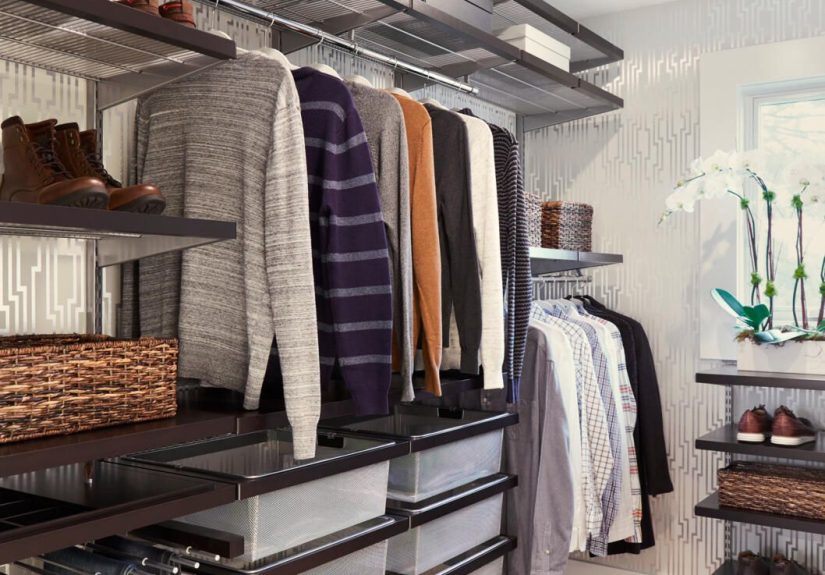
- 3) Double up your hanging space with a “high-and-low” setup
- 4) Add drawers where “small chaos” lives
- 5) Stop sweater stacks from toppling with shelf dividers
- 6) Give shoes a real plan (not a pile)
- 7) Use a valet rod or hooks for outfit staging
- 8) Corral accessories with trays, organizers, and “tiny homes”
- 9) Put bins up high and label them like you mean it
- 10) Add a hamper (and a donation bag) inside the closet
- 11) Light it better than a parking garage
- 12) Use a mirror and a small seat for a “dressing zone”
- 13) Make folded storage smarter with “file folding”
- 14) Organize like a boutique: uniform hangers, spacing, and color flow
- Real-life walk-in closet organizing experiences (the wins, the weird, and the “why is this here?”)
- Conclusion
A walk-in closet is basically a tiny department store that you own. The goal isn’t “perfect Pinterest,” it’s fast mornings, less clutter, and finding your black T-shirt without summoning a search party. The best walk-in closet organization ideas all do the same thing: they give every category a home, make what you use most the easiest to grab, and stop the floor from becoming a clothing landfill.
Below are 14 practical, real-life-friendly ideasmix-and-match them based on your space, your wardrobe, and your tolerance for folding.
1) Create “zones” before you buy a single bin
Don’t start by shopping. Start by mapping. Stand in your closet and decide where each category should live, like you’re designing a mini city:
- Daily drivers: workwear, go-to shoes, everyday bags
- Occasional: formalwear, seasonal items, specialty gear
- Small stuff: underwear, socks, jewelry, belts (aka “the chaos category”)
When categories have zones, your storage choices become obviousand you stop buying containers for items you don’t even want to keep.
2) Choose a closet system that can evolve (because your life will)
The smartest closet systems are adjustable. Your wardrobe changes: jobs change, sizes change, hobbies appear, and suddenly you own eight “technical” jackets for reasons only you understand. Go modular when possible:
- Adjustable shelves for stacks that aren’t always the same height
- Moveable rods so you can re-balance hanging space
- Mix of open + closed storage so the closet looks tidy even on busy weeks
Translation: you want a system that feels like LEGO, not like permanent ink.
3) Double up your hanging space with a “high-and-low” setup
Most closets waste the air between your shirts and the floor. A double-hang section (one rod high, one rod low) is one of the fastest ways to get more room for:
- shirts, blouses, jackets (top)
- pants, skirts (bottom)
Keep one separate area for long items (dresses, coats). Otherwise, they’ll drag like they’re auditioning for a Victorian novel.
4) Add drawers where “small chaos” lives
Drawers are where clutter goes to calm down. If you’ve ever had a “sock landslide,” you already understand. Prioritize drawers for:
- underwear, socks, bras
- tees and tanks
- workout gear
- accessories you don’t want on display
Make drawers work harder with dividers
Dividers turn one drawer into five micro-drawers, so you’re not “organizing” by shoving everything into a single rectangle and hoping for the best.
5) Stop sweater stacks from toppling with shelf dividers
Folded items behave like toddlers: fine for a while, then suddenly they’re everywhere. Shelf dividers keep stacks separated so you can pull one item without collapsing the whole pile.
Bonus: it forces you to keep stacks at a reasonable height. If your sweaters are higher than your forearm, you’re building a tower, not a system.
6) Give shoes a real plan (not a pile)
Shoes are visual clutter machines. Pick one approach based on your habits:
- Open shelves: great for everyday shoes you want to see
- Clear boxes: good for special pairs or dust protection
- Angled racks: helpful when floor space is tight
- “One row in, one row out”: a simple limit that prevents shoe inflation
Quick win
Keep a small tray for “worn-but-not-done” shoes so they don’t end up under hanging clothes like sneaky pets.
7) Use a valet rod or hooks for outfit staging
Outfit planning is easier when you can stage items. A valet rod (or a sturdy hook) is perfect for:
- tomorrow’s outfit
- dry-clean-only pieces you’re about to take out
- items you’re deciding whether to keep
This tiny feature prevents the classic “chair of doom” from forming in your bedroom.
8) Corral accessories with trays, organizers, and “tiny homes”
Accessories disappear because they’re small and slippery. Give them containers sized to the category:
- Jewelry: shallow trays (so you can see everything)
- Belts/ties: hooks or hangers designed for multiples
- Handbags: shelf compartments or upright dividers
- Sunglasses: a dedicated case or grid organizer
The rule: if it tangles, scratches, or vanishes, it needs its own “parking spot.”
9) Put bins up high and label them like you mean it
High shelves are prime real estate for things you don’t use daily: seasonal items, travel gear, sentimental pieces. Use bins or baskets so the shelf doesn’t become a dusty museum display.
Labeling tip that actually sticks
Labels work best when they’re specific. “WINTER” is vague. “WINTER: SWEATERS + THERMALS” saves time and prevents you from opening every bin like it’s a surprise party you didn’t want.
10) Add a hamper (and a donation bag) inside the closet
Two containers prevent 80% of walk-in closet mess:
- Hamper: stops “not clean but not filthy” clothing from living on the floor
- Donation bag/bin: gives you an easy exit route for items that don’t fit, don’t flatter, or don’t get worn
When you make “removing stuff” as easy as “adding stuff,” the closet stays organized longer.
11) Light it better than a parking garage
Bad lighting makes your closet feel smaller and makes outfit choices… adventurous. Consider:
- LED strip lighting along shelves or rods
- Battery puck lights for dark corners
- A brighter overhead fixture if your walk-in closet is a room, not a cave
A well-lit closet helps you see what you own, which reduces duplicate purchases (aka buying a “new” black sweater that is identical to the five you already have).
12) Use a mirror and a small seat for a “dressing zone”
If space allows, add:
- Full-length mirror: better outfit checks, brighter feel
- Small stool/bench: makes shoes and accessories less annoying
- Small surface: a shelf or tray for your watch, keys, perfume, or lint roller
This turns your walk-in closet into a functional getting-ready space, not just storage.
13) Make folded storage smarter with “file folding”
If you’ve ever pulled a tee from a stack and watched the rest crumble like ancient ruins, try file-style folding: items stand upright so you can see each one at a glance. It’s especially good for:
- t-shirts
- leggings
- workout tops
- pajamas
The win isn’t that it looks pretty (though it does). The win is that you stop disturbing everything else to grab one item.
14) Organize like a boutique: uniform hangers, spacing, and color flow
Want your closet to feel instantly calmer? Make it visually consistent:
- Uniform hangers (they save space and stop the “why are these all different widths?” problem)
- Group by category (shirts with shirts, jackets with jackets)
- Optional color order (helpful if you dress by vibe)
Don’t overdo it
If color-coding stresses you out, skip it. An organized closet should lower your blood pressure, not raise it.
Real-life walk-in closet organizing experiences (the wins, the weird, and the “why is this here?”)
Let’s talk about what actually happens when you apply walk-in closet organization ideas in the real world where laundry is eternal and you sometimes buy things online at 11:47 p.m. because you “deserve a treat.”
Day 1 feels heroic. You empty the closet, you make piles, you find three missing socks and one random measuring tape. You feel like you’ve unlocked a new level of adulthood. Then you hit the hard part: deciding what stays. This is where most people stall. A simple trick is to create a “maybe bin” with a deadline: if you don’t reach for those items in 30 days, they go. It keeps momentum without forcing instant perfection.
Week 1 is all about friction. The closet doesn’t stay organized if putting things away is annoying. If your belts are tangled, you’ll stop using them. If your gym gear is on a high shelf, you’ll toss it on the floor. The fix is to move high-use items down to eye level and put low-use items up high. When your closet matches your habits, it starts maintaining itself.
Week 2 is when the “new system” gets tested. You’re late, you’re tired, and you need an outfit now. If your sections are labeled and your categories are clear, you’ll be shocked at how fast you can get dressed. If not, you’ll revert to digging. That’s why zones matter more than fancy containers. A closet that’s “pretty” but not intuitive is basically a showroomnice to look at, terrible to live with.
Week 3 is the surprise bonus: you buy less. When you can see what you ownespecially shoes, bags, and basicsyou stop accidentally purchasing duplicates. You also start noticing gaps more accurately. Instead of “I need new clothes,” it becomes “I need one versatile blazer” or “I need jeans that fit this year’s version of me.” That shift saves money and closet space.
Week 4 is when maintenance becomes the whole game. The most successful closets aren’t the ones with the most shelvesthey’re the ones with a tiny routine. A five-minute reset once or twice a week (rehang strays, toss laundry into the hamper, return shoes to their spot, empty the donation bin if it’s full) keeps the space from slipping back into chaos. It’s boring, yes. It’s also the secret sauce.
And here’s the funniest part: once your closet is functional, you start treating it with more respect. You stop shoving things into corners because you finally like being in the space. Your walk-in closet becomes less of a storage closet and more of a getting-ready zonecalmer, brighter, and oddly satisfying. Like cleaning your inbox, but with shoes.
Conclusion
The best walk-in closet organization ideas aren’t about owning more stuffthey’re about making your current stuff easier to live with. Start with zones, choose adjustable storage, use drawers and dividers for small items, create a real plan for shoes and accessories, and build a tiny maintenance routine. Do that, and your closet stops being a stress machine and starts acting like the helpful personal assistant it was always meant to be.