Table of Contents >> Show >> Hide
- 1) Start With a Soft, Nature-Inspired Color Palette
- 2) Layer Your Lighting (And Stop Interrogating Yourself With One Big Light)
- 3) Make Texture Your Love Language
- 4) Declutter One “High-Visibility Zone” at a Time
- 5) Create a “Landing Spot” for Your Life Stuff
- 6) Add Plants (Or at Least Some Greenery That Won’t Judge You)
- 7) Bring in Natural Materials and Softer Shapes
- 8) Upgrade Your Seating for Real Comfort (Not Just “Looks Comfy” Comfort)
- 9) Build a Tiny Reading Nook (Even If It’s Basically “Chair + Lamp”)
- 10) Use Scent as Invisible Decor
- 11) Soften Sound With Textiles
- 12) Add Blackout Curtains or Light-Filtering Layers
- 13) Curate Wall Art That Lowers Your Shoulders
- 14) Keep Your Surfaces “Mostly Clear” and Style With Intention
- 15) Design a “Spa-ish” Bathroom Moment
- Conclusion
- Extra: Real-Life “Relax at Home” Experiences (500+ Words)
- Experience #1: “I bought decor, but I still feel stressed in the room.”
- Experience #2: “My living room looks fine, but it’s not cozy.”
- Experience #3: “I love minimalism… until I live in it.”
- Experience #4: “I tried candles and plants, but it still doesn’t feel like a sanctuary.”
- Experience #5: “My home is small, and everything feels crowded.”
Your home should feel like a deep exhalenot a place where your brain keeps a running to-do list on the back of a cereal box.
The good news: you don’t need a renovation, a new zip code, or a celebrity designer with suspiciously perfect hair.
With a few smart, soothing decor ideas (and some strategic side-eye at your overhead lighting), you can turn everyday rooms into calm, restorative spaces.
Below are 15 relaxing home decor upgrades you can mix and matchwhether you want a calming bedroom, a cozy living room,
or a “please don’t talk to me until I’ve had tea” corner. Expect practical tips, examples you can actually pull off,
and a little humorbecause stress is real, but so is a fluffy throw blanket.
1) Start With a Soft, Nature-Inspired Color Palette
Color is the background music of a room. If your walls are screaming “highlighter yellow,” your nervous system is not going to slow dance.
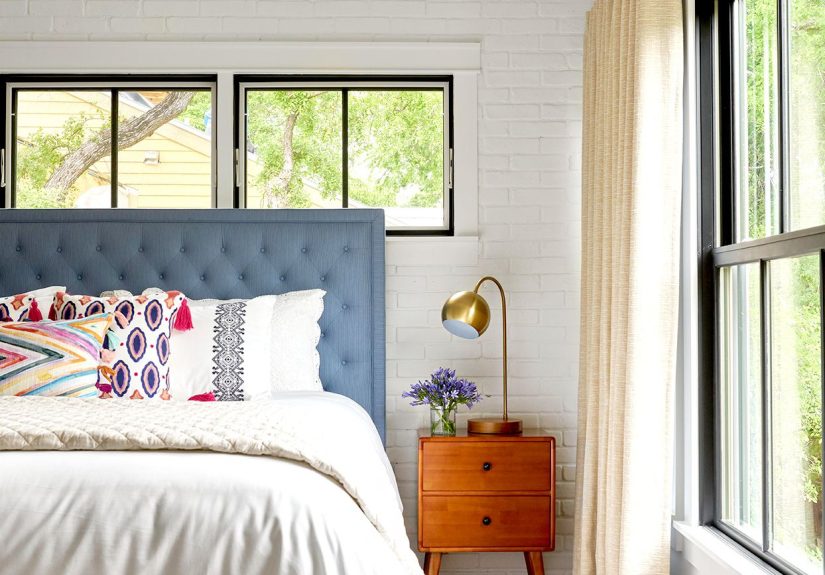
For a calming home decor foundation, reach for soft whites, creamy neutrals, gentle grays, muted blush, and nature tones like sage or dusty blue.
These shades tend to read as quiet and steadylike a friend who texts back with punctuation.
Try this
- Pick one main neutral (warm white, cream, greige) and one “soft nature” accent (sage, clay, pale blue).
- Use the accent color in smaller doses: pillows, art, a single chair, or a throw.
- If you love color, go “muted” instead of “neon.” Your eyes deserve gentleness.
2) Layer Your Lighting (And Stop Interrogating Yourself With One Big Light)
If your main light makes you feel like you’re confessing to crimes you didn’t commit, it’s time for layered lighting.
The soothing formula: ambient + task + accent. Think table lamps, wall sconces, and small glowy lights that make evenings feel softer.
Bonus points for dimmers and warm-white bulbs (the cozy, “soft glow” kind).
Try this
- Add two lamps in your main relaxing space (living room or bedroom) so light comes from multiple angles.
- Use dimmable bulbs or plug-in dimmers for instant “spa mode.”
- Keep candles or flameless candles for low-stimulation evenings.
3) Make Texture Your Love Language
Calm rooms aren’t just about colorthey’re about touch. Texture signals comfort: chunky knits, linen, cotton, velvet, boucle, wool,
and soft rugs underfoot. A neutral bedroom can feel warm and inviting when you layer materials instead of relying on bold patterns.
Your nervous system reads “soft” as “safe,” and honestly, it’s not wrong.
Try this
- Layer bedding: crisp sheets + quilt + throw blanket + a couple of “hug me” pillows.
- Add a textured rug (or two smaller rugs layered) to reduce echo and increase coziness.
- Mix matte and shiny: a linen shade near a ceramic lamp, a woven basket next to a smooth side table.
4) Declutter One “High-Visibility Zone” at a Time
Decluttering is a decor choice. Visual noise keeps your brain on alert, especially in rest spaces.
Instead of trying to “Marie Kondo your entire existence,” pick one high-visibility zone: the coffee table, nightstand, entry console, or dresser top.
Make it boring (in the best way). Calm doesn’t love chaos piles.
Try this
- Use a tray to corral small items (remote, coaster, lip balm, emotional support chapstick).
- Hide the rest: baskets, lidded boxes, or storage ottomans.
- Leave one surface intentionally empty. Empty space is a design feature, not a failure.
5) Create a “Landing Spot” for Your Life Stuff
If your keys, bags, and mail migrate across the house like they’re auditioning for a nature documentary, set up a designated landing zone.
This is calming home decor with a practical backbone: fewer frantic searches, fewer mini stress spikes.
Try this
- Hook rack or wall pegs for bags and jackets.
- Small bowl or tray for keys and earbuds.
- One basket for mail. Sort weekly. (Yes, weekly. Not “someday.”)
6) Add Plants (Or at Least Some Greenery That Won’t Judge You)
Biophilic designbringing nature indoorscan make rooms feel more grounded and restorative. If you’re not a “plant person,” you can become one
by picking forgiving options (like pothos or snake plant). And if you’re truly committed to keeping things low-maintenance,
high-quality faux plants still add that calming “green” effect with zero watering guilt.
Try this
- Cluster plants in groups of 2–3 for a mini indoor oasis.
- Choose one statement plant (floor) and one easy tabletop plant (desk or nightstand).
- Consider “green drenching” in small doses: a plant shelf, a leafy corner, or a plant feature wall.
7) Bring in Natural Materials and Softer Shapes
Nature rarely does perfect right angles for fun, and your home doesn’t have to either.
Wood, stone, rattan, linen, and clay add warmth and an organic vibe. Curves help soften a space visuallyround mirrors, arched lamps,
oval coffee tables, even a curved-back chair. It’s subtle, but it shifts the room from “office meeting” to “peaceful retreat.”
Try this
- Swap one item for wood or woven texture: a tray, side table, or lamp base.
- Add one rounded shape: round mirror, curved vase, or a circular rug.
- Keep it simpleone or two natural materials repeated looks intentional, not like a craft store exploded.
8) Upgrade Your Seating for Real Comfort (Not Just “Looks Comfy” Comfort)
A relaxing living room needs at least one seat that invites you to stay. If your couch is pretty but punishing, fix it with layers:
supportive pillows, a cozy throw, and an ottoman. Comfort is a legitimate design priority.
Try this
- Add lumbar support pillows (your back is begging, quietly).
- Use a throw that’s actually soft, not just decorative.
- If space is tight, try a compact reading chair and a small side table for tea.
9) Build a Tiny Reading Nook (Even If It’s Basically “Chair + Lamp”)
You don’t need a whole library with rolling ladders. A reading nook is a ritual space: a chair, a warm light, and a place to put a mug.
It signals your brain: “This is where we unwind.” Even five minutes counts.
Try this
- Place a chair near a window or corner with softer light.
- Add a small pillow and blanket (non-negotiable).
- Use a basket for books or magazines to keep the area tidy.
10) Use Scent as Invisible Decor
Scent changes a room instantlylike lighting, but for your nose.
Calming scents like lavender, bergamot, jasmine, and fresh linen-style fragrances can make home feel more relaxing and welcoming.
Keep it gentle: you’re creating a soothing atmosphere, not marinating your guests in perfume.
Try this
- Use a diffuser on a timer for subtle, consistent fragrance.
- Try one signature scent per “zone” (bedroom vs. living room).
- If you’re sensitive, stick to low-scent candles or natural simmer pots.
11) Soften Sound With Textiles
Hard surfaces bounce noise around like an overcaffeinated pinball. Softening sound is a sneaky way to make a room feel calmer.
Curtains, rugs, upholstered furniture, and textile wall art can reduce echo and make spaces feel more quiet and cocoon-like.
Try this
- Hang curtains (even if you already have blinds) to soften both light and sound.
- Add a rug pad under rugsquiet + plush = instant upgrade.
- Consider a fabric headboard or tapestry if your bedroom feels “loud.”
12) Add Blackout Curtains or Light-Filtering Layers
Light control matters for winding down. In a calming bedroom, blackout curtains can help reduce nighttime light and support better sleep habits.
In living spaces, layering sheer curtains with heavier panels gives you flexible control: bright and airy by day, cozy and private by night.
Try this
- Bedroom: blackout curtains or a blackout liner for better darkness.
- Living room: sheers + drapes for “soft daylight” and evening coziness.
- Choose curtain rods slightly wider than your window so panels stack off the glass.
13) Curate Wall Art That Lowers Your Shoulders
Your walls can either hype you up or calm you down. If your art screams “GO GO GO,” consider swapping in softer imagery:
nature photography, abstract shapes, gentle landscapes, or calming color fields. Even a simple gallery wall can feel serene
if the palette is cohesive and the frames don’t fight each other.
Try this
- Pick a two- to three-color art palette that matches your room’s tones.
- Use matching or coordinating frames for visual quiet.
- Hang art at eye leveltoo high feels unsettled.
14) Keep Your Surfaces “Mostly Clear” and Style With Intention
A peaceful home isn’t empty; it’s edited. Try the “rule of three”: style a surface with a triosomething tall, something medium, something small.
Then stop. The goal is a soothing decor moment, not a retail display that dares you to dust it.
Try this
- Example trio: a small lamp, a ceramic bowl, and a plant.
- Use books as height boosters (and as proof you are interesting).
- Leave breathing room around objects so it doesn’t feel cramped.
15) Design a “Spa-ish” Bathroom Moment
Even if your bathroom is small, you can make it feel like a mini retreat. Think hotel vibes: fluffy towels,
a calming color palette, warm lighting, and a tidy counter. The vibe is “calm and clean,” not “where did all these half-used products come from?”
Try this
- Decant products into matching bottles for visual simplicity.
- Upgrade towels (or just keep your best set visible and the rest hidden).
- Add a small plant, a candle, or a eucalyptus bundle near the shower (if your bathroom allows it).
Conclusion
Relaxing home decor isn’t about perfectionit’s about cues that tell your body it’s safe to downshift.
Softer colors, warmer lighting, cozy textures, fewer piles, and a touch of nature can transform your home into a place that refuels you.
Start with one change you’ll feel immediately (lighting, clutter, bedding), then build from there. Calm is a collection of small decisions,
not one giant shopping trip.
Extra: Real-Life “Relax at Home” Experiences (500+ Words)
To make these ideas feel more real, here are a few common, very human experiences people run into when trying to create a soothing home
plus what tends to work in practice. Think of these as mini case-studies you can steal, remix, and claim as your own brilliant idea.
Experience #1: “I bought decor, but I still feel stressed in the room.”
This happens a lot, especially when the room’s function fights the room’s vibe. For example: a bedroom that’s also a home office
can feel mentally “on,” even with pretty bedding. The fix usually isn’t more decorit’s better zoning. People often report a noticeable shift
when they create one clear boundary: a folding screen, a curtain, a bookshelf divider, or simply turning the desk so it’s not the first thing seen from bed.
Once the work zone is visually “contained,” the brain stops treating the whole room like a workspace.
Experience #2: “My living room looks fine, but it’s not cozy.”
The usual culprit is comfort layeringor the lack of it. Many rooms are lit and furnished for daytime photos, not nighttime lounging.
People commonly feel more relaxed after adding two specific things: (1) soft lighting at eye level (lamps), and (2) a texture upgrade that changes how the room feels.
A plush rug underfoot, a soft throw that doesn’t itch, and pillows that support your back can make a room feel “settling.”
It’s less about style and more about sensory comfortyour body is the ultimate design critic.
Experience #3: “I love minimalism… until I live in it.”
Minimalist interior design can be calming, but if it becomes too sparse, it can feel cold or unfinished.
A common happy-medium is “minimal structure, cozy materials.” People often keep surfaces clear and storage hidden,
but add warmth with linen curtains, a textured blanket, warm wood tones, or woven baskets. The result is clean without being sterile.
In other words: it feels like a home, not an art gallery that makes you whisper.
Experience #4: “I tried candles and plants, but it still doesn’t feel like a sanctuary.”
The missing piece is often ritual. Decor supports relaxation, but habits seal the deal.
People tend to feel a bigger difference when they pair the space with a repeatable routine:
dimming lights at a specific time, lighting one candle, playing low music, or sitting in a designated chair for ten minutes.
Over time, the brain starts associating that setup with winding down. It’s like training a puppy, except the puppy is your overthinking mind.
Experience #5: “My home is small, and everything feels crowded.”
Small spaces can still be soothingoften more soonce the visual clutter is reduced.
People usually get the fastest relief by clearing floors (using vertical storage), simplifying color palettes, and choosing a few multitasking pieces.
A storage ottoman, a bed with drawers, wall hooks, and floating shelves can free up surfaces and walking space.
Another common win: mirrors placed to reflect light, which makes rooms feel airier and less cramped. The overall feeling becomes “light and calm,”
not “I live inside my stuff.”
The takeaway from these experiences is simple: soothing decor ideas work best when they support how you actually live.
Start with comfort and function, then add beauty. When your home makes it easier to restwithout constantly managing mess or harsh lightrelaxation becomes the default.