Table of Contents >> Show >> Hide
- Quick Table of Contents
- Before You Build: What Makes a Double Shower Actually Work
- 1) Pick your “two-person” layout first
- 2) Don’t skimp on water control (your comfort depends on it)
- 3) Think about water use (and local rules) early
- 4) Plan ventilation like you’re fighting humidity for a living
- 5) Spa-like also means safe and easy to clean
- 6) Waterproofing and slope: the unglamorous heroes
- 18 Double Shower Ideas (Spa-Like, Not Space-Hog)
- 1) Opposite-Wall Showerheads for Perfect Symmetry
- 2) Side-by-Side Showerheads (Same Wall, Separate Controls)
- 3) “His-and-Hers” Handhelds on Slide Bars
- 4) Twin Rain Showerheads for the Full Spa Drench
- 5) Thermostatic Control + Separate Volume Controls
- 6) A Shared Center Bench (The “Spa Pause” Zone)
- 7) One Long, Continuous Niche (No Product Turf Wars)
- 8) Dual Corner Niches for an Easy Remodel Upgrade
- 9) Curbless Double Shower for a Seamless, Resort Look
- 10) Linear Drain + Large-Format Tile for Fewer Visual Breaks
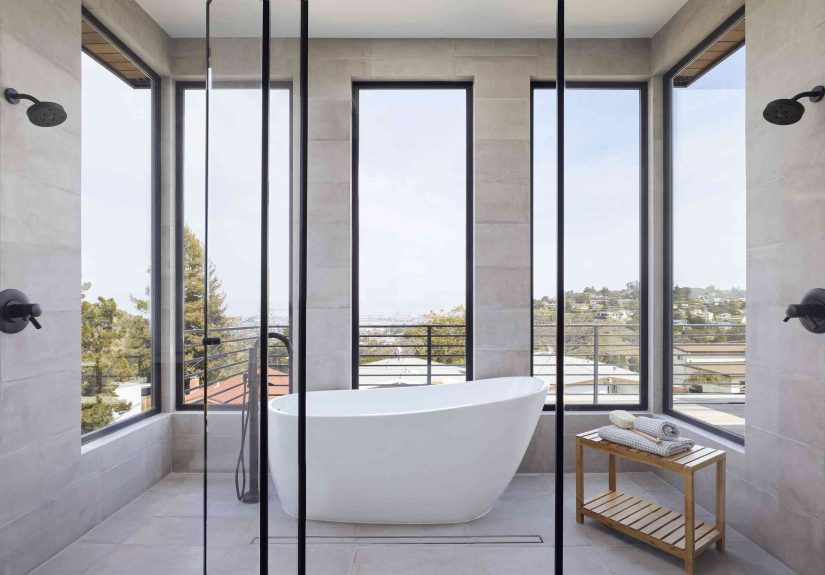
- 11) Wet Room Style: Tub + Double Shower, All in One
- 12) Frameless Glass to Make the Whole Bathroom Feel Bigger
- 13) Half-Wall + Glass Panel for Privacy Without Feeling Boxed In
- 14) Statement Tile Wall Behind Each Shower Zone
- 15) Warm, Natural Materials: Teak, Limestone Looks, and Soft Neutrals
- 16) Dual Body Sprays (Use Them Like Seasoning, Not Soup)
- 17) Light It Like a Luxury Hotel: Layers + Glow
- 18) Smart Comfort Upgrades: Quiet Ventilation, Warm Floors, and Easy Controls
- Finishing Touches That Make It Feel Like a Spa
- Extra: Real-Life Double Shower “Experience” Notes
A double shower isn’t just “two showerheads.” Done right, it’s a mini resort you can access without valet parkingor
pretending your bathrobe is an outfit. Done wrong, it’s two people awkwardly negotiating elbow space while one
person gets all the warm water (and the other gets humbled).
This guide rounds up the best double shower ideas to make your bathroom feel like a spa, with practical design
details that keep the experience luxurious long after the “new tile smell” fades. You’ll find layout options, style
upgrades, and the behind-the-walls choiceslike valves, ventilation, and waterproofingthat separate “hotel suite”
from “why is there water under the baseboard?”
Before You Build: What Makes a Double Shower Actually Work
1) Pick your “two-person” layout first
Double shower layouts typically fall into three categories:
- Opposite-wall heads: two showerheads facing each otherbalanced, symmetrical, and great for shared benches.
- Side-by-side heads: both on the same wall (or adjacent walls) with separate controlsoften easier to plumb in a remodel.
- Multi-outlet spa setup: overhead rain + handheld + body sprays across two zonesmaximum spa energy, maximum planning.
Houzz galleries show how varied double shower styles can be, from classic marble to modern wet rooms, which is
helpful when you’re choosing a direction without spiraling into indecision for three weeks.[11]
2) Don’t skimp on water control (your comfort depends on it)
A spa-like double shower is mostly about consistency: steady temperature and predictable flow. Many pros prefer
thermostatic control for more precise temperature management, especially when multiple outlets are running.[3]
Pressure-balancing valves can help prevent sudden temperature swings when water demand changes elsewhere in the home,
but the “set it and forget it” feeling is typically stronger with thermostatic setups.[3]
Translation: if you want a shower that feels expensive, invest behind the wall firstthen have fun with the pretty finishes.
3) Think about water use (and local rules) early
If you’re adding more shower outlets, confirm what your local plumbing code allows and what your home can support.
Many homeowners lean on efficient fixtureslike WaterSense-labeled showerheadsto keep flow rates lower without
sacrificing comfort.[4]
4) Plan ventilation like you’re fighting humidity for a living
Double showers can generate a lot of steam. A common sizing rule of thumb is around 1 CFM per square foot for an
average-height bathroom, with larger spaces or higher ceilings often needing more capacity.[10]
Quiet matters, toobecause nothing kills a spa mood like a fan that sounds like it’s auditioning for an airport runway.
5) Spa-like also means safe and easy to clean
For flooring, many tile references point to a wet DCOF guideline of 0.42 for interior level areas expected
to be walked on when wetwhile also noting that no tile is truly “slip-proof.”[5]
Choose smaller tiles (more grout lines for traction) or textured finishes, and consider a bench or grab-friendly edges if you want comfort that lasts.
6) Waterproofing and slope: the unglamorous heroes
Shower assemblies rely on correct waterproofing and reliable drainage. Industry detailing commonly shows shower pans
sloped about 1/4 inch per foot toward the drain, with careful membrane integration at transitions.[6]
If you’re doing a curbless shower, the waterproofing strategy matters even more, and many modern systems use surface
waterproofing membranes designed specifically for tiled showers.[7]
18 Double Shower Ideas (Spa-Like, Not Space-Hog)
How to use this list
Mix and match. You don’t need all 18 (unless your goal is to recreate a five-star resort and also become your plumber’s favorite client).
Pick a layout idea, add 2–4 “spa upgrades,” then finish with lighting + storage + materials that feel calm and intentional.
1) Opposite-Wall Showerheads for Perfect Symmetry
Put one showerhead on each of two opposing walls so each person has their own lane. This layout feels balanced and
makes shared benches or a center feature wall look intentional instead of accidental.
- Best for: larger walk-in showers and “statement tile” moments
- Pro move: add a centered bench or storage wall so both sides have equal access
2) Side-by-Side Showerheads (Same Wall, Separate Controls)
If you’re remodeling and don’t want to move drains or reframe walls, two showerheads on one long wall can be easier.
Separate controls prevent the classic “I touched your dial and now we’re both suffering” scenario.
3) “His-and-Hers” Handhelds on Slide Bars
Handheld showers on slide bars bring flexibility: different heights, targeted rinsing, and easy cleaning.
Slide bars also help future-proof the shower for different mobility needs without making the space feel clinical.
4) Twin Rain Showerheads for the Full Spa Drench
Overhead rain showerheads create that “soft, even rainfall” feeling that makes you forget your inbox exists.
Use them in two zones so both shower users get the same experienceno favoritism, no negotiations.
If you want to keep water use reasonable, look for efficient models (WaterSense is one marker to check).[4]
5) Thermostatic Control + Separate Volume Controls
This is the design equivalent of upgrading from “mystery thermostat” to “smart climate control.” A thermostatic setup can
help maintain a consistent temperature while separate volume controls let each person fine-tune intensity.[3]
- Best for: multi-outlet showers (rain + handheld + body sprays)
- Why it’s spa-like: less fiddling, more relaxing
6) A Shared Center Bench (The “Spa Pause” Zone)
Benches make a double shower feel like a retreat, not just a bigger wash station. Place a bench on a connecting wall or in a spot both sides can reach.
Teak slatted benches can add warmth and a spa vibe, while built-in benches can look sleek and integrated.[1]
7) One Long, Continuous Niche (No Product Turf Wars)
Two people means double the bottlesplus the mysterious third bottle that “isn’t mine” but lives there forever.
A long horizontal niche (or two matching niches) keeps things tidy and gives the shower a custom, built-in look.
8) Dual Corner Niches for an Easy Remodel Upgrade
If a long niche isn’t possible, place matching niches on each side. It’s clean, symmetrical, and practicaleach person gets a dedicated stash spot.
9) Curbless Double Shower for a Seamless, Resort Look
Curbless showers feel airy and high-end, especially with a double setup. They can also be easier to access.
But they demand meticulous waterproofing and drainage planning to prevent water migration into the bathroom.[8]
10) Linear Drain + Large-Format Tile for Fewer Visual Breaks
A linear drain can pair nicely with big tile or slab looks because it allows the floor to slope in a more uniform direction.
Less “tile origami,” more smooth, modern spa.
Whatever drain style you choose, shower floors typically need reliable slope toward drainagecommonly around 1/4 inch per footso water doesn’t linger.[6]
11) Wet Room Style: Tub + Double Shower, All in One
A wet room combines shower and tub in one waterproof zone. Add two showerheads and you’ve got a true home-spa layout
(and a bathroom that feels like a boutique hotel). HGTV highlights wet room designs that use double showerheads to elevate the experience.[2]
12) Frameless Glass to Make the Whole Bathroom Feel Bigger
Frameless or minimal glass enclosures keep the space open and bright. It’s one of the fastest ways to move a bathroom
from “standard remodel” to “wow, did you hire a designer?” The trade-off is more frequent squeegee timebeauty has a price,
and sometimes that price is a rubber blade.[9]
13) Half-Wall + Glass Panel for Privacy Without Feeling Boxed In
A short pony wall can hide plumbing lines, anchor a bench, or create a subtle privacy buffer while a glass panel above it
keeps light flowing. This combo is great in larger bathrooms where you want structure without a heavy enclosure.
14) Statement Tile Wall Behind Each Shower Zone
Use matching accent panels behind each showerheadmosaic, vertical stack, or a bold stone lookto create a deliberate “two-zone” design.
Design magazines often emphasize tile as a defining element that sets the mood, from calm neutrals to energizing patterns.[12]
15) Warm, Natural Materials: Teak, Limestone Looks, and Soft Neutrals
Spa bathrooms usually feel warm, not stark. Mix smooth stone-look porcelain with a wood accent (like teak accessories),
plus soft whites, sand, taupe, or misty gray. The goal is “calm sanctuary,” not “science lab with shampoo.”
16) Dual Body Sprays (Use Them Like Seasoning, Not Soup)
Body sprays can feel incredibleif they’re thoughtfully placed and not blasting you like a car wash with opinions.
Keep them aligned with each user zone, and pair with thermostatic control so you don’t get temperature surprises.[3]
17) Light It Like a Luxury Hotel: Layers + Glow
Spa lighting is layered:
- Ambient: recessed or ceiling lighting that doesn’t feel harsh
- Accent: niche lighting or a soft glow that highlights tile texture
- Night-friendly: low-level toe-kick lighting so you’re not flash-banged at 6 a.m.
Bonus points for natural light (frosted windows, skylights, or glass block) if privacy is a concern.
18) Smart Comfort Upgrades: Quiet Ventilation, Warm Floors, and Easy Controls
A spa-like double shower is as much about what you don’t notice as what you do. Quiet ventilation, in particular,
helps keep mirrors clearer and humidity under control. Choosing the right fan capacity (often estimated using square footage)
and focusing on low noise ratings can make the bathroom feel calmer.[10]
Add heated floors, a towel warmer, or a simple digital control system if it fits your budgetand your tolerance for gadgets.
(Some people love voice-activated showers; others don’t want their bathroom to have opinions.)
Finishing Touches That Make It Feel Like a Spa
Choose materials that are calming and practical
- Slip awareness: Many sources cite a wet DCOF guideline (0.42) for interior wet-walk areas, but texture and maintenance matter too.[5]
- Less grout stress: larger wall tiles or slab looks can feel luxe and simplify cleaning
- Contrast with intention: matte black, brushed nickel, or warm brass can add “designer” polish without screaming for attention
Storage: plan for two humans (and their products)
Double showers can get cluttered fast. Aim for:
- one niche per person or one long niche for shared storage
- a ledge or corner shelf for daily-use items
- a hook or small rail for washcloths and body brushes (so they dry, not ferment)
Maintenance habits that keep the spa vibe alive
- Squeegee glass after showers (30 seconds now saves 30 minutes later)
- Choose finishes that hide water spots (brushed > shiny, in many households)
- Use ventilation consistently; humidity control keeps everything fresher[10]
Extra: Real-Life Double Shower “Experience” Notes
The first week with a new double shower tends to bring one universal reaction: “Oh… this is why hotels do it.”
Not because it’s flashy (though it can be), but because it changes how mornings and evenings feel. A standard shower is a
single-user utility. A well-designed two-person shower becomes a routine upgradelike switching from a cramped desk chair
to one that actually supports your back. You don’t think about it constantly; you just feel better every time.
Homeowners often notice the biggest difference in pace. With two shower zones, there’s less rushing and fewer
tiny negotiations: “Are you almost done?” “Can I rinse?” “Why is the water suddenly Arctic?” Separate controls help a lot here.
When each person has their own dial (or at least their own volume control), the shower stops being a shared control panel and
becomes a shared experience. In other words: fewer surprise squeals, more calm.
Another “quiet win” is space psychology. Even if you’re not showering together daily, a double shower makes the
bathroom feel larger and more intentionalespecially when you pair it with frameless glass or a curbless entry. The room reads
as a spa suite rather than a basic bath, and that shift can influence the whole vibe: softer towels, better lighting, fewer random
items on the counter. (Bathrooms have a funny way of risingor fallingto the level of the space you give them.)
The bench is the underrated hero. People assume benches are for shaving legs or sitting, but in real life it becomes
a “pause point.” It’s where you set a towel, stash a body scrub, or just take an extra minute in the warm steam when the day has
been long. A centered bench in an opposite-wall layout feels especially natural because both zones can use it without crossing into
the other person’s spray path. It’s also where you’ll notice whether your shower is truly comfortable: if the bench area stays drafty,
you may want to tweak enclosure coverage or add warmth (like heated floors) to keep the spa mood consistent.
A double shower also changes how you think about sound. In a single shower, a loud exhaust fan is annoying.
In a spa-style double shower, it’s a mood crime. That’s why people who love their setups tend to prioritize quieter ventilation and
smart humidity control. When the fan does its job without dominating the room, the shower feels more like a retreat and less like a
mechanical process. Add a soft playlist and suddenly it’s “hotel energy” without leaving your houseor your pets, who will absolutely
judge you for enjoying life.
Finally, there’s the “long-term satisfaction” piece: cleanliness and organization. Double showers amplify clutter if storage
isn’t planned. But when niches and shelves are intentionalone zone per person, or a long niche that actually fits your bottlesthe
shower stays calm-looking. And that calm appearance matters more than people expect. A shower that looks uncluttered feels cleaner,
even before you clean it. Pair that with easy-to-maintain surfaces and a quick squeegee habit, and your spa-like double shower keeps
its “new remodel” glow long after the first month.
The takeaway: the best double shower ideas aren’t just aesthetic. They’re about comfort, control, humidity management, and the small
design decisions that make the experience feel effortless. When those pieces come together, the shower becomes more than a place to
get wetit becomes the most reliable “reset button” in your home.