Table of Contents >> Show >> Hide
- Before You Start Scrubbing Like a Bathroom MacGyver
- 20 Surprising Items You Can Clean with Toothpaste
- 1. Chrome Faucets and Fixtures
- 2. Copper Accents
- 3. Glass Shower Doors
- 4. Soap Scum on Sinks and Fiberglass
- 5. Foggy Car Headlights
- 6. White Sneaker Midsoles
- 7. Scuffs on Leather, Patent Leather, or Vinyl Shoes
- 8. Coffee and Tea Stains in Mugs
- 9. Food-Stained Plastic Containers
- 10. Bathroom Mirrors That Fog Up
- 11. Piano Keys
- 12. Iron Soleplates
- 13. Hair Styling Tools
- 14. Tile Grout
- 15. Scuffs on Linoleum
- 16. Crayon or Marker on Painted Walls
- 17. Water Rings on Wood Furniture
- 18. Acrylic Organizers and Accessories
- 19. Carpet and Upholstery Spot Stains
- 20. Odors on Hands, Cutting Boards, and Containers
- What Not to Clean with Toothpaste
- Final Thoughts
- Real-World Experiences with Cleaning Using Toothpaste
- SEO Tags
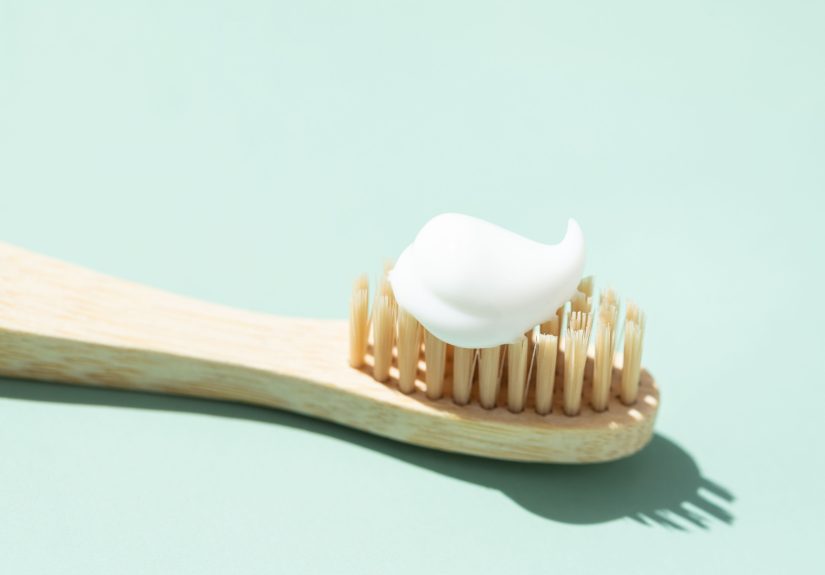
If toothpaste only lived one life, it would still be a hero. It freshens breath, fights plaque, and politely reminds coffee that your teeth are not its permanent residence. But plain white toothpaste has a sneaky second career too: it can help clean a surprising number of things around the house.
The reason is simple. Standard non-gel toothpaste contains mild abrasives and cleaning agents that can buff away grime, polish small areas, and loosen light buildup. In other words, it is like a tiny tube of “let’s at least try this before we panic.” That said, it is not a miracle paste, a universal cleaner, or a substitute for products designed for delicate materials. Toothpaste cleaning hacks work best on small, low-stakes messes and surfaces that can handle a little gentle scrubbing.
Before You Start Scrubbing Like a Bathroom MacGyver
For the best results, use plain white, non-gel toothpaste. Skip whitening, charcoal, colored, glittery, or extra-gritty formulas. Those can be too abrasive, leave stains, or bleach certain materials. Always test a hidden spot first, use a soft microfiber cloth or old toothbrush, and rinse or wipe off residue completely. If something is valuable, coated, antique, or sentimental, step away from the toothpaste and use the proper cleaner instead.
20 Surprising Items You Can Clean with Toothpaste
-
1. Chrome Faucets and Fixtures
If your bathroom faucet looks like it has been through hard-water drama, a dab of toothpaste can help restore shine. Rub it on with a soft cloth, buff gently, then wipe clean. It works best for light buildup and polishing, not for heavy mineral deposits that have been training for years.
-
2. Copper Accents
Small copper pieces like decorative hardware or accents can respond well to a light toothpaste polish. Use a soft cloth, work in circles, and rinse thoroughly. The key word here is light. If the piece is antique or heavily tarnished, a metal-specific cleaner is the safer move.
-
3. Glass Shower Doors
Soap scum and hard-water film love to cling to shower glass like they pay rent. Toothpaste can help cut through that dull haze. Spread a thin layer with a damp sponge, scrub gently, then rinse and dry. This is a handy quick fix when you are out of bathroom cleaner and guests are on the way.
-
4. Soap Scum on Sinks and Fiberglass
Plain toothpaste can also help with light soap scum on bathroom sinks, fiberglass surrounds, and similar surfaces. Apply a little to a damp cloth and scrub in small circles. It is a good option for spot-cleaning, especially when the mess is more annoying than catastrophic.
-
5. Foggy Car Headlights
Cloudy headlights can make your car look tired and your nighttime visibility worse. Toothpaste can temporarily brighten them by lifting grime and lightly polishing away surface haze. Use a microfiber cloth or sponge, rub in circles, and rinse. Think of it as a cosmetic refresh, not a permanent headlight restoration kit.
-
6. White Sneaker Midsoles
The rubber edge of white sneakers seems magnetically attracted to scuffs. Toothpaste is great for this. Put a dab on an old toothbrush, scrub the midsoles, and wipe clean. It will not rewrite your life choices, but it can make your sneakers look far more respectable.
-
7. Scuffs on Leather, Patent Leather, or Vinyl Shoes
For minor scuffs, toothpaste can act like a gentle polishing paste. Add a small amount to a soft cloth, rub the mark, and buff dry. This works best on small scuffs, not deep scratches. Always test first, especially on dyed leather, because finishes can be picky and dramatic.
-
8. Coffee and Tea Stains in Mugs
If your favorite mug has a tan ring that says “I drink coffee professionally,” toothpaste can help. Apply it with a damp sponge, scrub the interior, and rinse thoroughly. It is especially useful for ceramic mugs that seem clean until sunlight reveals the truth.
-
9. Food-Stained Plastic Containers
Red sauce has a special talent for haunting food containers long after leftovers are gone. A thin layer of toothpaste left overnight can help reduce both stains and odors. Wash the container with dish soap the next day. It is not magic, but it can make tomato ghosts far less visible.
-
10. Bathroom Mirrors That Fog Up
Rub a tiny amount of toothpaste onto a mirror, wipe it off fully, and it can help reduce fog after a hot shower. The trick is using very little and buffing thoroughly so you do not trade fog for streaks. Done right, it is a surprisingly helpful anti-fog hack.
-
11. Piano Keys
Plastic piano keys can collect oils and grime from fingers over time. A little toothpaste on a soft toothbrush can help lift buildup. Wipe with a barely damp cloth afterward and dry immediately. Go gently, especially if you are dealing with an older instrument that deserves more respect than your kitchen sponge gives it.
-
12. Iron Soleplates
If your iron has scorch marks or sticky residue, wait until it is completely cool and unplugged, then buff the soleplate with a little toothpaste on a dry cloth. Wipe clean with a damp cloth afterward. It is one of those oddly satisfying cleaning jobs that makes you feel more organized than you probably are.
-
13. Hair Styling Tools
Flat irons, curling irons, and hot combs can collect sticky product residue over time. Once the tool is unplugged and fully cool, use toothpaste on a dry cloth to rub off buildup. Wipe away residue and let the tool dry before use. Your styling tool should not look like it has been glazed.
-
14. Tile Grout
Toothpaste and an old toothbrush make a handy small-area grout cleaner. Scrub dirty lines, then wipe with a cloth soaked in warm, soapy water. This is best for touch-ups or small sections. If your whole shower looks like a science project, call in a stronger cleaner.
-
15. Scuffs on Linoleum
Linoleum floors can pick up dark shoe marks and light scratches that refuse to leave politely. Toothpaste can help buff away those small marks when applied with a soft cloth. Rub in circles, then wipe away all residue so the floor is not left slippery.
-
16. Crayon or Marker on Painted Walls
Parents already know children can turn a hallway into a gallery without notice. A small dab of toothpaste on a damp cloth can help lift crayon and some marker from painted walls. Test in a hidden spot first, because paint finishes vary and nobody wants to replace one problem with a shinier problem.
-
17. Water Rings on Wood Furniture
That pale ring left by a cold glass is basically a passive-aggressive note from your coffee table. A mix of non-gel toothpaste and a little baking soda can sometimes reduce the mark. Rub gently with a soft white cloth and finish with furniture polish. Be patient and do not scrub like you are in a grudge match.
-
18. Acrylic Organizers and Accessories
Minor scratches on acrylic desk organizers or clear accessories can sometimes look less noticeable after a careful toothpaste buff. Use a soft cloth or very soft toothbrush and keep the pressure light. This is for tiny cosmetic marks, not deep scratches that look like they lost a sword fight.
-
19. Carpet and Upholstery Spot Stains
For a small spill, toothpaste can work as an emergency spot treatment. Apply a bit to the stain, let it dry, then blot and wipe with a warm damp cloth before vacuuming any residue. As always, patch-test first. Upholstery fabrics can be surprisingly moody.
-
20. Odors on Hands, Cutting Boards, and Containers
After chopping onions, garlic, or fish, toothpaste can help deodorize hands and some non-porous kitchen items. Use it much like soap, then rinse thoroughly. It is a handy trick when your hands smell like dinner even though dinner was yesterday.
What Not to Clean with Toothpaste
This part matters. Because toothpaste is mildly abrasive, it is a poor choice for delicate jewelry, pearls, opals, precious metals, coated screens, and anything with a fragile or specialty finish. You may see internet tips recommending toothpaste for silver or jewelry, but that advice is not universal. On lower-stakes items, some people get decent results. On valuable pieces, you are rolling the dice with scratches, dullness, or residue. When in doubt, use the right cleaner for the material. Your future self will appreciate not having to explain why Grandma’s ring now looks “vintage in a bad way.”
Final Thoughts
Toothpaste cleaning hacks are useful because they are simple, cheap, and usually already sitting in your bathroom cabinet. For quick fixes, spot-cleaning, mild polishing, and stain lifting, plain white non-gel toothpaste can absolutely earn its keep outside the sink. Just remember the golden rule: use it gently, use it sparingly, and do not treat it like an all-purpose cleaner with a dental degree. Used wisely, it is one of the most surprising household helpers you already own.
Real-World Experiences with Cleaning Using Toothpaste
One of the most common experiences people have with cleaning toothpaste hacks is sheer disbelief. The first time you scrub a mug with toothpaste and watch years of coffee staining fade away, there is usually a brief pause where you wonder whether your breakfast habits have been more aggressive than you thought. Mugs are often the gateway project. They are low-risk, easy to rinse, and satisfying enough to make people think, “What else can this tiny tube do?”
White sneaker midsoles are another crowd favorite because the payoff is immediate. A lot of people try toothpaste on sneakers before they trust it on anything else, and it makes sense. The contrast is dramatic. One side looks like it survived a festival and a muddy parking lot, while the other looks suspiciously close to new. That kind of before-and-after result is what makes toothpaste cleaning hacks spread so quickly.
Bathroom mirrors and chrome fixtures are where the hack starts to feel almost clever. A quick polish on a faucet can make an entire sink area look cleaner, even if the rest of the bathroom is still negotiating with reality. And the anti-fog mirror trick tends to win over skeptics because it feels like a science fair experiment you can do before work. Apply, buff, shower, and suddenly you can see your face without wiping steam with your forearm like a cartoon character.
Then there are the “rescue mission” moments. A child draws on the wall. A coaster is ignored and a wood ring appears. Tomato sauce permanently auditions for a role inside your food container. In these situations, toothpaste is less of a daily cleaner and more of an emergency backup dancer who unexpectedly steals the show. It may not solve every problem perfectly, but it often improves the situation enough to save time, money, and your mood.
Of course, experience also teaches restraint. People who get the best results with toothpaste are usually the ones who use a light hand, test a hidden spot, and know when to stop. Scrubbing harder is rarely the answer. If anything, toothpaste rewards patience more than force. A gentle circular buff on the right surface can do quite a bit. Aggressive scrubbing on the wrong surface can turn a quick fix into a bigger problem.
Another common lesson is that toothpaste works best on smaller jobs. It is excellent for a mug, a faucet, a sneaker sole, or a scuff mark. It is far less exciting when you try to clean an entire shower door, a large floor, or a room full of grout with a travel-size tube and misplaced confidence. In real life, toothpaste is a spot-treatment hero, not a whole-house cleaning strategy.
People also learn pretty quickly that not all toothpaste is created equal. Plain white paste tends to behave best, while colored, gel, whitening, or charcoal formulas can leave residue, stain, or feel too harsh. That detail sounds boring until you accidentally use a bright blue mint gel on something white and spend the next ten minutes explaining your “cleaning innovation” to nobody in particular.
The overall experience is this: toothpaste can be a genuinely useful household cleaning shortcut when you use it thoughtfully. It is cheap, accessible, and surprisingly effective on the right surfaces. The trick is knowing that it is a clever backup plan, not a universal solution. Treat it like a practical little household hack with limits, and it will make you look resourceful. Treat it like the answer to everything, and it will humble you immediately.