Table of Contents >> Show >> Hide
- Why Vitamin B12 Matters
- How Much Vitamin B12 Do You Need?
- 22 Best Foods With Vitamin B12
- Best Vitamin B12 Foods for Vegetarians and Vegans
- Who May Need More Attention to Vitamin B12?
- How to Build a B12-Rich Day of Eating
- Cooking and Shopping Tips
- Real-Life Experience: What Eating More Vitamin B12 Foods Can Look Like
- Conclusion
Note: This article is for general nutrition education only. If you suspect a vitamin B12 deficiency, are pregnant, follow a vegan diet, take metformin or acid-reducing medication, or have a digestive condition, talk with a qualified healthcare professional.
Vitamin B12 may not get the celebrity treatment that protein, collagen, or vitamin D enjoy, but this tiny nutrient is doing big backstage work. It helps your body make healthy red blood cells, supports nerve function, helps build DNA, and keeps your energy system from acting like a phone stuck at 3% battery.
The average adult needs about 2.4 micrograms of vitamin B12 per day. That sounds small because it is smallbut missing it can feel huge. Low B12 levels may contribute to fatigue, weakness, numbness or tingling, balance problems, mood changes, and certain types of anemia. The tricky part? Vitamin B12 is naturally found mostly in animal-based foods, while plant-based eaters need fortified foods or supplements to stay covered.
The good news is that many delicious foods are rich in vitamin B12. Some are everyday staples like milk, eggs, tuna, yogurt, and beef. Othershello, clams and liverare nutritional heavy hitters that walk into the room wearing a cape. Below are 22 of the best foods with vitamin B12, plus smart ways to add them to meals without turning dinner into a chemistry lecture.
Why Vitamin B12 Matters
Vitamin B12, also called cobalamin, is a water-soluble vitamin. Your body uses it to form red blood cells, maintain the nervous system, and support DNA production. Unlike some nutrients that appear in a wide range of plant and animal foods, B12 has a narrower natural food map. Fish, shellfish, meat, poultry, eggs, milk, yogurt, and cheese are reliable natural sources. Fortified breakfast cereals, fortified nutritional yeast, fortified plant milks, and some meat alternatives can also helpespecially for vegetarians and vegans.
How Much Vitamin B12 Do You Need?
For most adults, the Daily Value and Recommended Dietary Allowance for vitamin B12 is 2.4 mcg per day. Pregnant people need about 2.6 mcg, and breastfeeding people need about 2.8 mcg. Older adults may need special attention because stomach acid can decline with age, making it harder to release B12 from food proteins. In those cases, fortified foods or supplements may be easier to absorb.
Serving values vary by brand, cut, cooking method, and portion size, but the foods below are among the strongest dietary sources of vitamin B12.
22 Best Foods With Vitamin B12
1. Beef Liver
Beef liver is the heavyweight champion of vitamin B12 foods. A 3-ounce serving can provide far more than the daily requirement. It is also rich in iron, copper, vitamin A, and protein. Because liver is extremely nutrient-dense, think of it as an occasional food rather than an everyday mountain-sized entrée. Try it sautéed with onions, blended into meatloaf, or added in small amounts to ground beef if you want the benefits without the strong flavor taking over like a marching band.
2. Clams
Clams are one of the best seafood sources of vitamin B12. They are also packed with protein, iron, and minerals. Add them to pasta, chowder, seafood stew, or a simple garlic-and-lemon skillet. Canned clams can be a convenient pantry option, but check sodium levels if you are watching salt intake.
3. Oysters
Oysters deliver a strong dose of B12 along with zinc, selenium, and protein. They can be eaten cooked, grilled, baked, or in stews. Raw oysters are popular, but people with weakened immune systems, liver disease, pregnancy, or certain health risks should choose cooked oysters to reduce foodborne illness risk.
4. Mussels
Mussels are budget-friendly, quick-cooking, and loaded with ocean flavor. They provide vitamin B12, protein, iron, and omega-3 fats. Steam them with garlic, tomatoes, herbs, and a splash of broth. They cook in minutes, making them a weeknight dinner that looks fancy enough to impress guests and fast enough to rescue you from takeout temptation.
5. Crab
Crab meat is another excellent B12-rich seafood. It works in salads, crab cakes, soups, omelets, and rice bowls. It also brings protein with relatively modest calories. Choose real crab when possible, since imitation crab may contain less seafood and different nutrient levels depending on the brand.
6. Sardines
Sardines are small fish with a big nutrition résumé. They provide vitamin B12, omega-3 fatty acids, vitamin D, calcium when eaten with bones, and protein. Try them on whole-grain toast, in tomato sauce, mashed with lemon and herbs, or tossed into pasta. If you think sardines are “too fishy,” start with boneless, skinless versions packed in olive oil.
7. Trout
Trout is a flavorful freshwater fish and a great source of vitamin B12. It also supplies protein and heart-friendly fats. Bake it with lemon, dill, and olive oil, or pan-sear it for a crisp edge. Trout has a milder flavor than some oily fish, so it is a smart choice for people who want more fish but do not want dinner to taste like the entire harbor.
8. Salmon
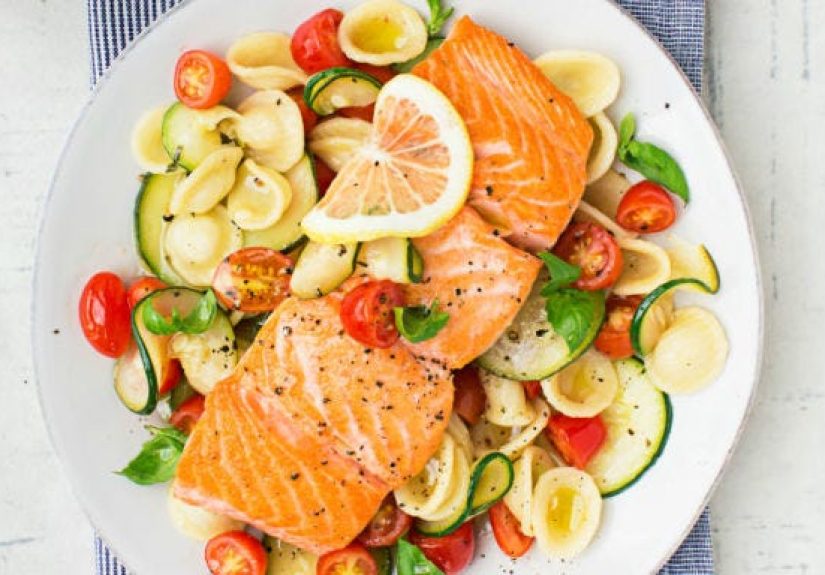
Salmon is one of the most popular foods high in vitamin B12. It also provides omega-3 fatty acids, vitamin D, selenium, and high-quality protein. Wild and farmed salmon both contain B12, though exact amounts can vary. Use salmon in grain bowls, tacos, salads, pasta, or simple sheet-pan dinners with vegetables.
9. Tuna
Canned light tuna is convenient, affordable, and a useful source of vitamin B12. Fresh tuna can contain even more, depending on the type. Tuna works in sandwiches, lettuce wraps, rice bowls, casseroles, and salads. For mercury-conscious eating, many people choose light tuna more often than albacore and rotate seafood choices throughout the week.
10. Mackerel
Mackerel is rich, flavorful, and naturally high in vitamin B12. It also offers omega-3 fats, which support heart and brain health as part of an overall balanced diet. Smoked mackerel is delicious but can be salty, so fresh or canned versions may be better for regular meals. Pair it with potatoes, greens, lemon, or mustard sauce.
11. Cod
Cod is a mild white fish that contributes vitamin B12, lean protein, and minerals. It is not as rich as sardines or salmon, but it is easy to cook and widely available. Bake cod with herbs, make fish tacos, or add it to soups. Its gentle flavor makes it a “starter fish” for people who are still negotiating peace talks with seafood.
12. Ground Beef
Ground beef can provide around a full day’s worth of B12 in a typical 3-ounce cooked serving, depending on fat percentage and preparation. Choose lean ground beef when you want less saturated fat, and build meals with vegetables, beans, whole grains, or salad. Think chili, lettuce cups, taco bowls, stuffed peppers, and homemade burgers.
13. Steak
Beef steak, including cuts such as sirloin or tenderloin, supplies vitamin B12, protein, iron, and zinc. Portion size matters. A palm-sized serving can fit well into a balanced meal when paired with vegetables and fiber-rich carbohydrates. For a lighter plate, slice steak over salad rather than making it the entire event.
14. Lamb
Lamb is another red meat that contains vitamin B12. It has a distinct flavor and works well with rosemary, garlic, mint, cumin, and lemon. Enjoy it occasionally as part of a varied diet. Leaner cuts and smaller portions can help keep the meal balanced while still delivering B12 and protein.
15. Pork Tenderloin
Pork tenderloin contains vitamin B12 and is one of the leaner pork cuts. It cooks quickly and takes on marinades well. Try it roasted with apples, sliced into stir-fries, or served with roasted vegetables. Avoid confusing tenderloin with heavily processed pork products; fresh lean pork is usually the better nutrition choice.
16. Turkey
Turkey provides smaller but still useful amounts of vitamin B12. Roasted turkey breast is lean, protein-rich, and versatile. Add it to sandwiches, soups, salads, wraps, or breakfast scrambles. It may not deliver the B12 punch of liver or clams, but it contributes steadilymore like a reliable friend than a fireworks show.
17. Chicken
Chicken contains vitamin B12, especially in dark meat, though it is not among the richest sources. Still, because chicken is eaten so commonly, it can contribute meaningfully to overall intake. Pair chicken with dairy-based sauces, eggs, or fortified grains if you want to build a more B12-friendly meal.
18. Eggs
Eggs provide vitamin B12, with most of it found in the yolk. One large cooked egg offers a modest amount, so eggs are best viewed as a helpful contributor rather than a stand-alone B12 solution. Enjoy them boiled, scrambled, poached, or baked into vegetable frittatas. For vegetarians who eat eggs and dairy, eggs can be part of a reliable B12 strategy.
19. Milk
Cow’s milk naturally contains vitamin B12 and is often easy to incorporate into daily meals. One cup can provide a meaningful portion of the daily target. Use it in oatmeal, smoothies, cereal, coffee, soups, or sauces. Lactose-free milk generally keeps similar nutrients, making it useful for people who tolerate dairy nutrients but not lactose.
20. Yogurt
Yogurt offers vitamin B12, protein, calcium, and probiotics. Plain Greek yogurt is especially useful because it is high in protein and lower in added sugar than many flavored options. Add berries, nuts, cinnamon, or a drizzle of honey. Yogurt also makes a great base for dips, dressings, and marinades.
21. Cheese
Cheese contains vitamin B12, though amounts vary by type. Swiss, mozzarella, cheddar, and cottage cheese can all contribute. Cheese is deliciousno argument from the dairy fan clubbut it can also be high in saturated fat and sodium, so use it as a flavor booster instead of building a cheese skyscraper on every plate.
22. Fortified Foods: Cereal, Nutritional Yeast, Plant Milk, and Meat Alternatives
Fortified foods are essential vitamin B12 sources for people who eat little or no animal products. Fortified breakfast cereals, fortified nutritional yeast, fortified soy milk, fortified almond milk, and some fortified meat alternatives can provide meaningful B12. The key phrase is check the label. Not every plant milk, cereal, or nutritional yeast contains B12, and amounts vary widely by brand.
Best Vitamin B12 Foods for Vegetarians and Vegans
Vegetarians who eat dairy and eggs can use milk, yogurt, cheese, and eggs to support B12 intake. Vegans need fortified foods or supplements because unfortified plant foods are not reliable sources of vitamin B12. Seaweed, mushrooms, tempeh, and fermented foods are sometimes promoted online as “natural B12 sources,” but they should not be trusted as primary sources unless they are specifically fortified and labeled with vitamin B12.
For a simple vegan-friendly plan, combine fortified breakfast cereal with fortified soy milk, sprinkle fortified nutritional yeast on soups or popcorn, and choose fortified plant-based meat alternatives when useful. A healthcare professional or registered dietitian can help determine whether a supplement is needed.
Who May Need More Attention to Vitamin B12?
Some people are more likely to develop low vitamin B12 levels. This includes adults over 50, people following vegan or strict vegetarian diets, people with celiac disease or Crohn’s disease, people who have had weight-loss or stomach surgery, and people with pernicious anemia. Certain medications, including metformin and long-term acid-reducing drugs, may also affect B12 status.
Possible signs of low B12 include fatigue, weakness, pale skin, numbness or tingling in the hands and feet, balance problems, sore tongue, mood changes, shortness of breath, and memory issues. These symptoms can have many causes, so testing and medical guidance matter. Please do not diagnose yourself based on a dinner plate and a hunch.
How to Build a B12-Rich Day of Eating
You do not need to eat all 22 foods in one day. Your grocery cart would file a complaint. Instead, think in combinations:
- Breakfast: Fortified cereal with milk, or eggs with yogurt and fruit.
- Lunch: Tuna salad, turkey wrap, salmon bowl, or fortified plant milk smoothie.
- Dinner: Trout with vegetables, lean beef chili, mussels with pasta, or tofu tacos with fortified nutritional yeast sauce.
- Snack: Greek yogurt, cottage cheese, cheese with whole-grain crackers, or fortified nutritional yeast popcorn.
Cooking and Shopping Tips
When shopping for vitamin B12 foods, balance nutrition with your overall health goals. Seafood brings B12 plus omega-3 fats, but variety helps manage mercury exposure. Lean meats provide B12, protein, iron, and zinc, but portion control and cooking methods matter. Dairy foods are useful sources, and fermented dairy like yogurt can also support gut-friendly eating patterns. Fortified foods are excellent for convenience, but labels are your best friend because brands change formulas.
Use gentle cooking methods when possible: baking, steaming, grilling, roasting, or sautéing. Heavily fried foods may still contain B12, but they can bring extra calories, sodium, and saturated fat. A clam chowder can be wonderful; a clam chowder served in a bread bowl the size of a football helmet is more of a weekend adventure.
Real-Life Experience: What Eating More Vitamin B12 Foods Can Look Like
Adding more vitamin B12 foods does not have to feel like joining a strict nutrition boot camp. In real life, the easiest changes are usually the boring onesand boring can be beautiful. One of the simplest experiences many people have is realizing that a few ordinary swaps can cover a lot of ground. Breakfast cereal becomes more useful when it is fortified. A smoothie becomes more nutrient-dense when made with milk or fortified soy milk. A salad becomes a real lunch when topped with salmon, tuna, turkey, eggs, or cottage cheese.
For someone who eats animal foods, the most practical approach is variety. A week might include eggs on Monday, Greek yogurt on Tuesday, tuna on Wednesday, salmon on Friday, and lean beef or turkey over the weekend. Nobody needs to eat liver every morning while staring heroically into the sunrise. The goal is consistency, not drama.
For vegetarians, the experience is a little different. Dairy and eggs help, but they may not always provide enough depending on portion sizes. This is where label reading becomes a small but powerful habit. A fortified cereal that provides 25% or more of the Daily Value can make breakfast do actual work. Fortified nutritional yeast can turn popcorn, pasta, soups, and roasted vegetables into savory B12 opportunities. It tastes cheesy, which is nice, because “nutritional yeast” as a name sounds like something invented by a committee that hates joy.
For vegans, B12 planning is not optionalit is essential. The good news is that fortified foods and supplements make it manageable. The challenge is remembering that “plant-based” does not automatically mean “B12-rich.” Almond milk, oat milk, meat alternatives, and cereals vary widely. Some are fortified; some are not. The front label may shout about protein, calcium, or “natural goodness,” while the B12 information quietly hides on the Nutrition Facts panel like it is avoiding a group project.
Another real-world lesson is that energy improvements are not instant for everyone. If a person is truly deficient, correcting B12 status can help, but fatigue can come from poor sleep, low iron, thyroid issues, stress, dehydration, depression, or a schedule that looks like it was designed by a raccoon with Wi-Fi. Food is powerful, but it is not magic confetti. If symptoms are persistent, testing matters.
The best experience is often the simplest: build meals you already enjoy, then add reliable B12 sources. Put sardines on toast if you like bold flavors. Add yogurt to breakfast if you want easy. Choose salmon tacos if you hate “healthy food” that tastes like homework. Use fortified nutritional yeast if you eat plant-based. Once B12 becomes part of your normal food rhythm, it stops feeling like a nutrient to chase and starts feeling like one more reason to eat well.
Conclusion
Vitamin B12 is small in measurement but massive in importance. It supports red blood cell formation, nerve health, DNA production, and everyday energy metabolism. The best foods with vitamin B12 include shellfish, fish, organ meats, beef, poultry, eggs, dairy products, and fortified foods. If you eat a varied omnivorous diet, you may already get enough. If you are vegetarian, vegan, over 50, pregnant, breastfeeding, or dealing with absorption issues, it is worth paying closer attention.
The smartest strategy is not to obsess over a single “perfect” food. Instead, build a pattern: seafood a few times a week, dairy or eggs if they fit your diet, lean meats in reasonable portions, and fortified foods when needed. Your nerves, blood cells, and future self may quietly applaudand they will not even ask for a standing ovation.