Table of Contents >> Show >> Hide
- Why Kids' Storage Works Best When It Is Simple
- 26 Smart Kids' Storage Ideas for a Less Chaotic Home
- 1. Use Low Open Bins for Everyday Toys
- 2. Choose a Cubby System with One Category per Bin
- 3. Add Picture Labels for Pre-Readers
- 4. Rotate Toys Instead of Storing Everything at Once
- 5. Turn the Closet into a Storage Powerhouse
- 6. Use Under-Bed Drawers for Hidden Storage
- 7. Install Wall Shelves Above the Chaos Zone
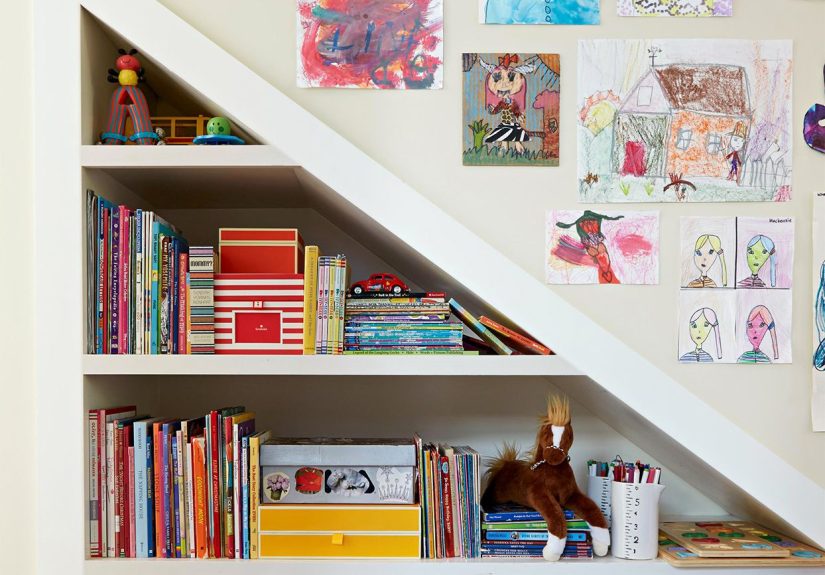
- 8. Display Books Front-Facing
- 9. Create a Dress-Up Station with Hooks and Baskets
- 10. Use Over-the-Door Organizers for Small Items
- 11. Add a Bench with Hidden Storage
- 12. Use Closed Cabinets in Shared Family Spaces
- 13. Try a Rolling Cart for Art Supplies
- 14. Divide Drawers with Small Organizers
- 15. Make a Homework Drop Zone
- 16. Use Pegboards for Flexible Vertical Storage
- 17. Corral Stuffed Animals with a Dedicated Solution
- 18. Store Puzzles and Games Upright
- 19. Add a Book-and-Basket Reading Nook
- 20. Use Clear Containers for Tiny Collections
- 21. Build in a Laundry Basket Routine
- 22. Set Up an Entryway Zone for Backpacks and Shoes
- 23. Use One “Current Projects” Basket
- 24. Keep a Small “Play Pocket” in Busy Family Areas
- 25. Prioritize Safety When Choosing Storage
- 26. Edit Regularly and Donate Often
- How to Choose the Best Kids' Storage Ideas for Your Home
- Common Mistakes That Make Kid Clutter Worse
- Real-Life Experiences With Kids' Storage and Clutter Control
- Conclusion
Kids are wonderful. Kids are magical. Kids are also tiny, fast-moving manufacturers of socks, markers, puzzle pieces, and toy fragments that somehow migrate into every corner of a home like they pay rent. If your house currently looks like a stuffed animal convention collided with an art supply explosion, you are not alone. The good news is that getting organized does not require a custom playroom, a celebrity budget, or the patience of a saint. It requires smart kids’ storage ideas, a little strategy, and storage that children can actually use without needing a ladder, a map, and a motivational speech.
The best kid-friendly storage systems do three things well: they make items easy to find, easy to put away, and easy to adapt as children grow. That means using a mix of open bins, shelves, hidden storage, labels, and furniture that works harder than a caffeinated parent on a school morning. Below, you will find 26 practical ways to control clutter in bedrooms, playrooms, shared family spaces, and those mysterious household zones where crayons and LEGO pieces go to begin their second lives.
Why Kids’ Storage Works Best When It Is Simple
Before diving into the ideas, one rule matters most: a storage system has to match how kids really live. If putting something away takes six steps and a dramatic monologue, it will not happen. The most effective organization setups use reachable shelves, clearly defined categories, and containers that are easy to open, carry, and return. In other words, the goal is not a museum-quality room. The goal is a room that can survive Tuesday.
26 Smart Kids’ Storage Ideas for a Less Chaotic Home
1. Use Low Open Bins for Everyday Toys
Open bins are the workhorses of kid clutter control. They let children grab toys quickly and, more importantly, toss them back just as quickly. Use them for blocks, dolls, cars, pretend food, or bath toys. If a bin needs a complicated lid, tiny fingers will treat it like a personal insult. Keep frequently used toys in low, easy-to-reach containers so cleanup feels possible instead of theatrical.
2. Choose a Cubby System with One Category per Bin
Cubbies are basically the Swiss Army knife of playroom organization. Pair a cube shelf with fabric or plastic bins and assign each one a category: building toys, stuffed animals, dress-up gear, puzzles, and art supplies. The magic of cubbies is visual order. They make a room look calmer even when life is still gloriously messy behind the scenes.
3. Add Picture Labels for Pre-Readers
Words are great. Pictures are better when your child is four and strongly believes reading is optional. Label bins with simple photos or icons so kids know exactly where things belong. A tiny picture of markers on the marker bin removes mystery, excuses, and the classic defense: “I didn’t know where it went,” delivered while standing directly in front of the label.
4. Rotate Toys Instead of Storing Everything at Once
One of the easiest ways to reduce clutter is not buying more bins. It is putting fewer toys out. Store part of the collection in a closet or lidded bin and rotate items every few weeks. Suddenly, old toys feel new again, the room is easier to maintain, and your floor has a fighting chance. This strategy works especially well for toddlers and preschoolers who can get overwhelmed by too many choices.
5. Turn the Closet into a Storage Powerhouse
A kid’s closet does not have to be just for clothing. Add shelves, hanging organizers, baskets, or a small bookcase to hold games, crafts, puzzles, and seasonal items. Closets are perfect for the things you want nearby but not always on display. When guests arrive, you can simply close the doors and pretend your household has it all together.
6. Use Under-Bed Drawers for Hidden Storage
Under-bed storage is prime real estate that often gets wasted on dust bunnies and missing socks. Sliding bins or low drawers work well for extra bedding, off-season clothes, books, or less-used toys. In smaller bedrooms, under-bed storage can do the job of a full dresser without taking up more floor space.
7. Install Wall Shelves Above the Chaos Zone
Wall shelves free up floor space while giving you a place to display books, keepsakes, or bins with smaller items. Use higher shelves for parent-managed storage and lower shelves for kid-accessible favorites. This layered approach keeps rooms functional and helps avoid a toy avalanche every time someone opens a basket with too much confidence.
8. Display Books Front-Facing
Kids are more likely to reach for books when they can see the covers. Front-facing book ledges or display shelves double as decor and reading encouragement. They also keep books from forming unstable leaning towers that collapse dramatically at bedtime, usually when everyone is already emotionally fragile.
9. Create a Dress-Up Station with Hooks and Baskets
Costumes are delightful until they become a glittery textile landslide. Hang dress-up clothes on low hooks or a child-sized rack, then place shoes, crowns, masks, and accessories in baskets underneath. This turns chaos into a mini boutique and makes imaginative play easier to start and easier to clean up.
10. Use Over-the-Door Organizers for Small Items
The back of a bedroom or closet door is storage gold. Use clear pocket organizers for dolls, action figures, hair accessories, art tools, or trading cards. This is especially useful for small spaces where every inch matters. It also helps keep tiny pieces visible, which means fewer frantic searches for the one purple marker required for a very urgent masterpiece.
11. Add a Bench with Hidden Storage
A storage bench at the foot of the bed or by the window can hold blankets, larger toys, or sports gear while offering a place to sit. It is one of those double-duty pieces that parents love because it looks intentional and children love because it can also become a pirate ship, a train station, or a secret fort, depending on the hour.
12. Use Closed Cabinets in Shared Family Spaces
Not every toy needs to live in the playroom. If toys spill into the living room, use cabinets, sideboards, or media units with doors to hide the visual clutter. Closed storage creates a calmer look in multipurpose spaces, especially if your living room must serve as a play area, reading nook, and snack-crumb museum.
13. Try a Rolling Cart for Art Supplies
A rolling cart is perfect for crayons, paper, glue, stickers, scissors, and all the bits that multiply when children get creative. Store each type of supply in a separate tray or cup. Then wheel the cart into the kitchen, family room, or homework corner as needed. It is like having a mobile command center for glitter management.
14. Divide Drawers with Small Organizers
Drawer organizers are not just for adult socks and unrealistic dreams of minimalism. Use them in kids’ dressers for underwear, pajamas, school uniforms, and accessories. They also work in desks for pencils, erasers, tape, and craft tools. Dividers keep drawers from becoming black holes where perfectly good objects vanish forever.
15. Make a Homework Drop Zone
School papers have a special talent for appearing everywhere except where they belong. Create a homework station with trays, magazine files, or wall pockets for worksheets, folders, notebooks, and library books. Add a pencil cup and a charging spot if needed. When school materials have a home, mornings become less chaotic and fewer permission slips disappear into the void.
16. Use Pegboards for Flexible Vertical Storage
Pegboards are wonderfully adaptable. Add hooks, small bins, shelves, or cups to hold headphones, scissors, craft tools, small toys, or even costume accessories. As your child’s interests change, the pegboard can change too. Today it stores markers. Next year it stores headphones, medals, and a collection of mysterious rubber bracelets.
17. Corral Stuffed Animals with a Dedicated Solution
Stuffed animals rarely stay where they are put. Give them a specific home, whether that is a large basket, a hanging hammock, a beanbag-style storage cover, or open shelving. Once plush animals have one official address, they stop roaming the room like furry little tenants with no lease agreement.
18. Store Puzzles and Games Upright
Large flat boxes waste space fast. Transfer puzzle pieces and board game accessories into zip bags or slim containers inside a cabinet or bin, or store boxed games upright like books on a shelf. This saves room and makes game selection easier. It also reduces the risk of opening one box and discovering that half the pieces have apparently moved abroad.
19. Add a Book-and-Basket Reading Nook
A cozy corner with a few book displays, a soft seat, and a basket for blankets or favorite reads can keep books from drifting all over the house. Kids are more likely to use a space that feels inviting. Adults are more likely to enjoy it too, right up until they sit down and realize they are now hosting a tea party for six dolls.
20. Use Clear Containers for Tiny Collections
For beads, figurines, toy cars, LEGO pieces, slime accessories, and other tiny treasures, clear containers help kids see what they have without dumping everything onto the floor. Visibility reduces duplicate buying, speeds up cleanup, and lowers the chance that one miniature dinosaur becomes a permanent kitchen resident.
21. Build in a Laundry Basket Routine
Sometimes clutter is not toys. Sometimes it is a mountain range of tiny clothing. Put a laundry basket in each child’s room or closet and make it ridiculously easy to use. The simpler the system, the more likely dirty clothes will land in the basket instead of beside it, under it, or in a location that defies the laws of physics.
22. Set Up an Entryway Zone for Backpacks and Shoes
Kids bring clutter home with them like it is part of the curriculum. Hooks for backpacks, cubbies for shoes, and bins for hats, lunchboxes, and sports gear can stop the daily pileup at the front door. This kind of drop zone makes transitions smoother and saves you from the evening scavenger hunt for one missing sneaker.
23. Use One “Current Projects” Basket
Every child has an active puzzle, half-built craft, or ongoing LEGO creation that should not be cleaned up completely but also should not take over the dining table. A dedicated current-projects basket or tray keeps these in-progress masterpieces contained. It says, “We respect your creativity, but we also need somewhere to eat dinner.”
24. Keep a Small “Play Pocket” in Busy Family Areas
If your child always trails you into the kitchen, home office, or bedroom, create a small basket of curated toys in that area. A few familiar items can reduce toy sprawl while still meeting kids where they naturally want to play. This works especially well in small homes, where one central playroom is more dream than reality.
25. Prioritize Safety When Choosing Storage
The prettiest storage in the world is not worth much if it creates hazards. Anchor dressers, shelves, and other furniture to the wall. Avoid putting tempting items high up where kids may climb to reach them. Choose toy boxes with safe hinges, ventilation, and no locking lids, or skip lids entirely when possible. Smart storage should control clutter without creating new problems.
26. Edit Regularly and Donate Often
Even the best storage ideas fail when every surface is overloaded. Schedule regular decluttering sessions to remove broken toys, outgrown clothes, duplicate supplies, and anything no longer used. Less inventory means less mess, fewer storage products, and a room that is actually manageable. Think of it as quality control for your household, with fewer spreadsheets and more crayons.
How to Choose the Best Kids’ Storage Ideas for Your Home
Not every family needs every solution. Start by looking at your biggest clutter category. Is it toys, books, clothing, art supplies, school papers, or random entryway chaos? Solve that first. Then think about age, room size, and habits. Toddlers need open, low storage. School-age kids benefit from labeled zones and homework stations. Older kids usually need a mix of shelving, drawers, and systems that do not feel babyish.
It also helps to combine open and closed storage. Open shelves and bins make access easy, while cabinets and baskets with lids reduce visual noise. If you share living space with kids, this balance is especially important. You want a home that welcomes play without looking like a toy store exploded in the family room.
Common Mistakes That Make Kid Clutter Worse
One of the most common mistakes is buying storage before sorting items. Another is choosing containers that look great but are too heavy, too high, too deep, or too difficult for a child to use. A third is creating too many categories. If your system requires children to distinguish between “mini vehicles,” “medium vehicles,” and “emotionally significant vehicles,” you have gone too far.
Keep categories broad enough to maintain. Think books, art, building toys, dress-up, games, school supplies, and keepsakes. The goal is not perfection. The goal is an everyday system that holds up when everyone is tired, late, or stepping on a mystery block in the dark.
Real-Life Experiences With Kids’ Storage and Clutter Control
One thing many parents discover quickly is that clutter is rarely just about too much stuff. It is usually about friction. When cleanup is hard, kids resist it. When storage is confusing, adults end up doing all the work. And when a room has no clear zones, everything migrates everywhere. The first time I saw a real difference in a kid-heavy space, it was not because someone bought expensive custom cabinetry. It was because they reduced the number of toys in circulation, added labels with pictures, and gave every category a visible, reachable home. Suddenly, children could participate instead of just being told to “clean your room,” which, to most kids, sounds about as specific as “fix the economy.”
Another common experience is realizing that clutter tends to collect where life actually happens, not where adults wish it would happen. That means toys drift into the living room, craft supplies land on the kitchen table, and backpacks settle by the door like they have signed a long-term lease. Families often get better results when they stop fighting this reality and start creating storage where the mess naturally appears. A basket in the living room, a cart near the dining table, and hooks by the entry can do more for daily sanity than an immaculate playroom no one uses.
Small-space families often become the true storage geniuses. They learn to use under-bed drawers, the backs of doors, vertical shelving, and dual-purpose furniture because they have to. In many cases, these homes feel calmer than larger homes because every item has a job and every square foot is working overtime. Children also tend to respond better to smaller, simpler systems. A child is much more likely to put books in one basket and stuffed animals in another than to maintain a 14-step organization philosophy worthy of a consulting firm.
There is also an emotional side to all of this. Kids often attach meaning to objects adults see as clutter. The broken crayon box is “for special art.” The shoebox is a spaceship garage. The random ribbon is apparently crucial. Families usually do better when they build in a tiny keepsake zone or a current-project basket. That preserves creativity without allowing every flat surface to become a museum of unfinished intentions.
Over time, the most successful homes tend to follow a few patterns: less is out at once, storage matches the child’s age, cleanup is part of the daily rhythm, and the system changes as the child changes. A toddler setup with open bins may evolve into a school-age setup with drawer organizers, paper trays, and a homework station. A room that once needed toy hammocks may later need book ledges and sports bins. Flexibility matters because children grow fast, and their clutter grows right along with them, usually with glitter attached.
Perhaps the biggest lesson is that tidy does not mean sterile. A well-organized kid space can still feel playful, colorful, and full of personality. In fact, the best ones usually do. They simply make room for imagination without asking the whole household to trip over it. That is the real win: not perfection, but a home where kids can play, create, learn, and live, and where adults can occasionally see the floor and feel emotions other than mild panic.
Conclusion
The best kids’ storage ideas are the ones that make everyday life easier. Start with simple changes: low bins, labeled cubbies, under-bed storage, a homework zone, and a few hidden spots for the visual clutter you do not want on display. Then edit regularly and adjust as your child grows. With the right system, you can control clutter without turning your home into a joyless container showroom. That is the sweet spot: organized enough to function, flexible enough to live in, and forgiving enough for real family life.