Table of Contents >> Show >> Hide
- How to Choose the Best Deck Railing Design
- 28 Deck Railing Ideas and Designs
- 1. Classic Wood Baluster Railing
- 2. Black Aluminum Deck Railing
- 3. Cable Deck Railing
- 4. Glass Panel Railing
- 5. Composite Deck Railing
- 6. White Vinyl Railing
- 7. Horizontal Wood Railing
- 8. Metal Baluster Railing with Wood Rails
- 9. Chippendale Deck Railing
- 10. Farmhouse X-Rail Railing
- 11. Hog Wire Deck Railing
- 12. Privacy Screen Railing
- 13. Built-In Bench Railing
- 14. Drink Rail Top Cap
- 15. Mixed Wood and Cable Railing
- 16. Aluminum Railing with Glass Infill
- 17. Craftsman-Style Railing
- 18. Rustic Branch Railing
- 19. Wrought Iron-Inspired Railing
- 20. Minimalist Vertical Metal Railing
- 21. Two-Tone Deck Railing
- 22. Deck Railing with Planter Boxes
- 23. LED-Lit Deck Railing
- 24. Coastal Cable Railing
- 25. Stone or Masonry Post Railing
- 26. Lattice Deck Railing
- 27. Curved Deck Railing
- 28. Matching Stair and Deck Railing
- Best Deck Railing Materials: Quick Comparison
- Design Tips to Make Your Deck Railing Look Expensive
- Experience Notes: What I’ve Learned From Real Deck Railing Projects
- Conclusion
A deck without a good railing is like a picture without a frame: technically complete, but somehow missing the moment where everyone says, “Oh, that looks nice.” The right deck railing does more than keep people safely on the deck. It defines the view, shapes your home’s exterior style, and can make a basic outdoor platform feel like a polished living space.
Whether your backyard leans modern, farmhouse, coastal, rustic, craftsman, or “we bought patio chairs and now we’re committed,” there is a railing style that can pull everything together. Today’s deck railing ideas include classic wood, low-maintenance composite, sleek aluminum, stainless steel cable, glass panels, vinyl, decorative metal, privacy screens, and creative mixed-material designs.
Before choosing a design, remember the practical side. Many residential decks more than 30 inches above grade require guardrails, often at least 36 inches high, and many codes limit openings between balusters to 4 inches or less. Local rules can vary, so always check your city or county requirements before building. Beautiful is good. Beautiful and code-compliant is better. Your future self, your guests, and your insurance company will all applaud politely.
How to Choose the Best Deck Railing Design
The best deck railing design balances four things: safety, style, maintenance, and view. A deck overlooking mountains, water, or a garden usually benefits from cable or glass railing because those options keep sightlines open. A street-facing deck may need privacy panels or taller visual screening. A traditional home may look best with wood or composite balusters, while a modern home often shines with black aluminum, horizontal lines, or glass infill.
Also think about upkeep. Wood is warm and affordable, but it needs staining, sealing, and occasional repair. Composite, vinyl, PVC, aluminum, and powder-coated steel generally need less maintenance. Cable railing looks clean and contemporary, but proper tension matters. Glass is stunning, but if you have children, dogs, or nearby trees, be prepared for fingerprints, nose prints, pollen, and other outdoor personality marks.
28 Deck Railing Ideas and Designs
1. Classic Wood Baluster Railing
Classic wood railing is timeless for a reason. It works with ranch homes, cottages, cabins, colonials, and nearly every backyard deck that wants a warm, familiar look. Use pressure-treated lumber for affordability, cedar for natural beauty, or redwood where available. Paint it white for a crisp traditional style or stain it to match the decking. The charm is real, but so is the maintenance, so plan for periodic sealing or repainting.
2. Black Aluminum Deck Railing
Black aluminum railing is one of the most versatile modern deck railing ideas. It feels clean, thin, and architectural without yelling for attention. The dark color visually recedes, which helps preserve views into the yard. It also pairs beautifully with gray composite decking, warm wood tones, stone patios, and black-framed exterior windows. For homeowners who want a sharp upgrade without complicated upkeep, this is a strong contender.
3. Cable Deck Railing
Cable railing uses stainless steel cables instead of traditional balusters. It creates a sleek, open look that is ideal for decks with scenic views. Horizontal cable systems feel modern and slightly industrial, while vertical cable systems can offer a cleaner code-friendly appearance in some designs. Cable railing works especially well with wood posts, aluminum frames, or composite sleeves. The secret is proper installation and tensioning, because sagging cables are not a design feature.
4. Glass Panel Railing
Glass panel railing is perfect when the view is the star. It creates a high-end resort feel and keeps the deck visually open. Tempered glass panels pair well with aluminum, composite, or stainless steel frames. This option is especially attractive around pools, lakes, city overlooks, and landscaped backyards. The tradeoff is cleaning. If your deck is in a windy, dusty, or pollen-heavy area, glass may need regular wiping to keep that crystal-clear look.
5. Composite Deck Railing
Composite railing offers the look of painted wood with much lower maintenance. It resists rot, splintering, and many common weather problems better than traditional wood. Composite systems are available in white, black, brown, gray, and other finishes, making them easy to coordinate with composite decking. This is a smart choice for homeowners who want a polished, durable railing but do not want their weekends held hostage by sanding and painting.
6. White Vinyl Railing
White vinyl deck railing is clean, bright, and budget-friendly. It works beautifully for coastal homes, suburban decks, porches, and traditional exteriors. Vinyl does not need painting and usually cleans up with mild soap and water. For a more elevated look, choose thicker posts, decorative post caps, or a profile with subtle shaping instead of a thin, basic rail kit. Done well, vinyl can look crisp rather than cookie-cutter.
7. Horizontal Wood Railing
Horizontal wood railing gives a deck a modern farmhouse or contemporary cabin feel. Instead of vertical balusters, boards run horizontally between posts, creating long lines that visually widen the space. This style looks fantastic with cedar, redwood, or stained pressure-treated lumber. However, horizontal rails can be climbable, so check local code before committing. Safety comes first, even when the design looks like it belongs in a magazine spread.
8. Metal Baluster Railing with Wood Rails
If you like wood but want a lighter, more updated look, combine wood rails with metal balusters. Black round or square balusters create contrast and reduce visual bulk compared with all-wood pickets. This design is popular because it feels both classic and current. It is also a practical compromise: the wood adds warmth, while the metal infill keeps the railing looking slim and refined.
9. Chippendale Deck Railing
Chippendale railing features geometric patterns, often with diagonal lines forming diamonds or lattice-like shapes. It is a decorative option that works beautifully on traditional homes, Southern-style porches, and garden-facing decks. Painted white Chippendale railings can look elegant and architectural, while stained wood versions feel more craftsman-inspired. Because the pattern can become busy, pair it with simple decking and restrained outdoor furniture.
10. Farmhouse X-Rail Railing
The X-rail design is a favorite for farmhouse decks, barns, lake houses, and casual outdoor spaces. The crossed boards bring a relaxed, rustic character without requiring ornate details. It looks especially good in white, black, or natural wood stain. Keep spacing and code rules in mind, because large X-shaped openings may need additional elements to meet safety requirements.
11. Hog Wire Deck Railing
Hog wire railing, also called welded wire railing, uses metal grid panels framed by wood or metal posts. It has a rustic-meets-modern personality and is popular for cabins, gardens, and backyard decks where homeowners want visibility without a delicate look. It is generally more open than wood balusters and less formal than glass. The result is practical, sturdy, and charming in a “yes, I own a fire pit” kind of way.
12. Privacy Screen Railing
For decks close to neighbors, a privacy railing can be life-changing. Use horizontal slats, lattice panels, composite screens, or decorative metal inserts to block direct sightlines. You do not need to wrap the entire deck; sometimes one privacy section near a dining table, hot tub, or lounge chair is enough. This design makes the deck feel more like an outdoor room and less like a stage production called “Neighbors Watching Dinner.”
13. Built-In Bench Railing
A built-in bench can double as a design feature along the edge of a low deck. It adds seating, defines the space, and creates a cozy conversation area. For elevated decks, benches must not replace required guardrails unless the final design meets local safety codes. Use benches inside the railing line for the safest approach. Add outdoor cushions, and suddenly your deck has gone from “place to stand” to “place to linger.”
14. Drink Rail Top Cap
A drink rail is a flat, wider top rail designed to hold cups, plates, small planters, or elbows during long conversations. It is one of the most practical deck railing upgrades you can make. Composite deck boards are often used as top caps for a coordinated look. This idea works with wood, cable, aluminum, and composite railing systems. It is especially useful for entertaining, because nobody wants to balance lemonade on a skinny rail like it is a circus audition.
15. Mixed Wood and Cable Railing
Wood posts with cable infill create a beautiful blend of natural warmth and modern openness. This design works well for mountain homes, lake cabins, and contemporary rustic spaces. Choose darker stained posts for drama or natural cedar for a softer outdoor look. The cable keeps the view open, while the wood keeps the deck from feeling too cold or industrial.
16. Aluminum Railing with Glass Infill
For a sleek, modern exterior, pair aluminum frames with glass infill panels. Black aluminum creates contrast, while bronze or silver finishes can soften the look. This combination is strong, low-maintenance, and visually light. It is excellent for homes with large windows, modern siding, flat rooflines, or minimalist outdoor furniture. Add warm lighting to keep the design from feeling too commercial.
17. Craftsman-Style Railing
Craftsman railing usually features substantial posts, simple square balusters, and strong horizontal rails. It looks grounded and architectural, especially when paired with tapered columns, stone bases, or stained wood. This style is ideal for bungalows, craftsman homes, and decks that need a railing with visual weight. Use earthy stains, deep greens, warm browns, or classic white to match the home’s exterior palette.
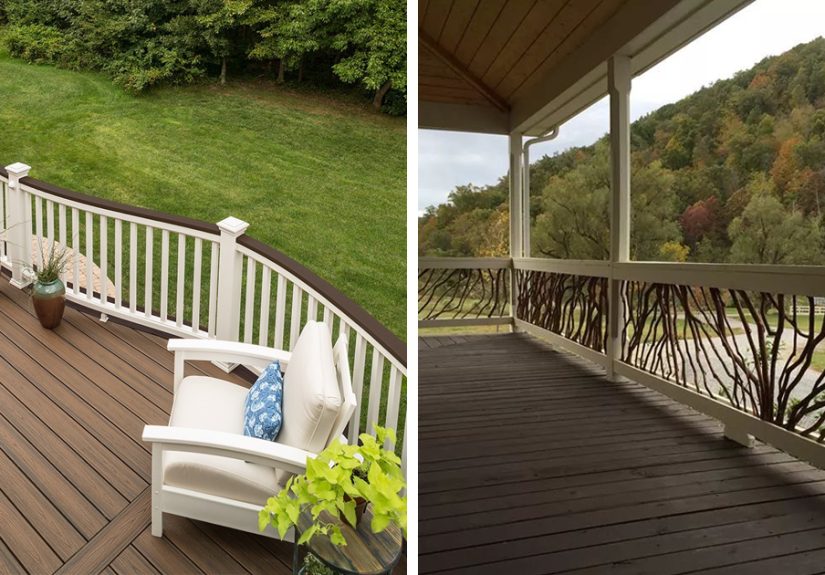
18. Rustic Branch Railing
For cabins, woodland retreats, and nature-inspired homes, branch railing can be unforgettable. Instead of standard balusters, natural branches or peeled logs create an organic pattern. This design is full of personality, but it requires careful craftsmanship to be safe and durable. Use properly dried, treated, and secured materials. When done well, it looks like the forest politely agreed to help decorate your deck.
19. Wrought Iron-Inspired Railing
Wrought iron-inspired railing adds elegance and old-world charm. Modern versions are often made from powder-coated steel or aluminum for better outdoor performance. Decorative scrolls, curves, and finials can complement Mediterranean, traditional, French country, or historic homes. Use this style carefully on small decks, because ornate railing can feel heavy if overdone. A little flourish goes a long way.
20. Minimalist Vertical Metal Railing
Minimalist vertical metal railing is simple, slim, and highly adaptable. It suits contemporary homes but can also update older decks without clashing with the architecture. The vertical lines feel clean and safe, and the narrow balusters keep views relatively open. Black is the most popular finish, but bronze, white, and textured gray can also look sophisticated depending on the siding and deck color.
21. Two-Tone Deck Railing
Two-tone railing uses contrasting colors for posts, rails, balusters, or caps. A common combination is white composite posts with black aluminum balusters. Another is dark rails with light post sleeves. This approach adds depth and helps connect the deck to other exterior features, such as window trim, shutters, roofing, or patio furniture. It is a simple way to make a standard railing system look custom.
22. Deck Railing with Planter Boxes
Planter boxes bring life, color, and softness to deck railings. Attach railing planters to the inside edge or build integrated boxes between posts. Use herbs near an outdoor kitchen, trailing flowers for cottage charm, or ornamental grasses for a modern look. Just be mindful of drainage. Water should not sit against wood rails or drip constantly onto one area of decking.
23. LED-Lit Deck Railing
Lighting can turn a good railing into a nighttime showpiece. Add post cap lights, under-rail LED strips, stair lights, or small accent fixtures. Railing lights improve safety and create ambiance without blasting the deck like a sports stadium. Warm white lighting usually feels more inviting than harsh cool light. The goal is “relaxing evening outdoors,” not “interrogation patio.”
24. Coastal Cable Railing
Coastal decks often benefit from cable railing because it preserves ocean, lake, or marsh views. Stainless steel cable with white, gray, or natural wood posts creates a breezy, nautical feel. Aluminum frames are also popular in coastal areas because they resist many weather challenges better than untreated materials. Always choose corrosion-resistant hardware, especially in salty environments.
25. Stone or Masonry Post Railing
Stone or masonry posts can make a deck feel permanent and luxurious. Use stone columns with metal rails, cable infill, or wood top caps for a substantial custom look. This design works especially well when the deck connects to a stone patio, outdoor fireplace, or retaining wall. Because masonry adds weight and complexity, it is usually best planned with a professional.
26. Lattice Deck Railing
Lattice railing adds pattern, privacy, and a garden-friendly feel. It works well for cottage homes, traditional decks, and spaces surrounded by climbing plants. Choose diagonal lattice for a classic look or square lattice for a cleaner modern style. Keep the pattern simple if your deck already has detailed furniture, colorful cushions, or busy landscaping nearby.
27. Curved Deck Railing
Curved railing softens the shape of a deck and can make the entire exterior feel more custom. It is especially effective on rounded platforms, pool decks, and large entertaining spaces. Curved systems may require specialized materials or professional installation, but the payoff is dramatic. Instead of a boxy outline, the deck gets movement and flow.
28. Matching Stair and Deck Railing
Do not forget the stairs. A beautiful deck railing can look unfinished if the stair railing feels like an afterthought. Match the materials, colors, post caps, and baluster spacing for a cohesive design. Stair handrails also have their own safety requirements, so plan them early. A coordinated stair railing gives the whole project a finished, intentional look from yard to deck.
Best Deck Railing Materials: Quick Comparison
Wood
Wood is affordable, customizable, and naturally warm. It can be painted or stained in almost any color. The downside is maintenance. Wood railing may need sealing, staining, painting, and occasional replacement of weathered parts.
Composite
Composite railing is popular for homeowners who want the look of painted wood without as much upkeep. It pairs well with composite decking and is available in several colors and profiles.
Aluminum
Aluminum railing is lightweight, durable, and clean-lined. It is a favorite for modern decks and view-focused spaces. Powder-coated finishes, especially black, are widely used because they look crisp and require relatively little maintenance.
Vinyl and PVC
Vinyl and PVC railings are low-maintenance and often budget-friendly. They work especially well for traditional, coastal, and suburban homes. Choose quality profiles to avoid a flimsy appearance.
Cable
Cable railing is ideal when you want open views and a modern edge. It requires careful tensioning and proper spacing, but when installed correctly, it can make a deck feel larger and less visually boxed in.
Glass
Glass railing gives the most unobstructed view and a polished high-end look. It is excellent for scenic decks, but it may require more cleaning than other materials.
Design Tips to Make Your Deck Railing Look Expensive
First, match your railing to your home’s architecture. A farmhouse X-rail may look charming on a country home but awkward on a sleek modern exterior. A glass railing may be stunning on a contemporary house but too cold for a cozy cottage. Good design is not about choosing the fanciest option; it is about choosing the option that looks like it belongs.
Second, repeat colors from the exterior. If your windows are black, black railing can look intentional. If your trim is white, white posts or rails can create harmony. If your home has stone accents, consider bronze, brown, or warm wood tones.
Third, upgrade the details. Post caps, lighting, drink rails, hidden fasteners, and clean transitions can make a basic railing system look custom. Small details are the difference between “new railing” and “wow, your whole deck looks amazing.”
Experience Notes: What I’ve Learned From Real Deck Railing Projects
The first thing people usually notice about a deck railing is the style. The first thing they appreciate over time is the maintenance level. A wood railing can look gorgeous on day one, especially with a rich stain and fresh post caps. But after a few seasons of sun, rain, snow, and enthusiastic backyard life, it asks for attention. If you enjoy weekend projects, that may be perfectly fine. If your idea of a Saturday project is moving from the lounge chair to the grill, a lower-maintenance material may be worth the higher upfront cost.
Another lesson: views matter more than people think. A railing that looks beautiful in a store display can feel bulky once installed across a real backyard view. If your deck overlooks a garden, pool, woods, lake, or sunset, consider cable, glass, or slim metal balusters. Even switching from thick wood pickets to black aluminum balusters can make the deck feel more open. The railing does not disappear, but it stops interrupting the scenery like an overexcited relative in every vacation photo.
Color also changes everything. White railing looks crisp and classic, but it can stand out strongly against trees or darker siding. Black railing often fades into the background visually, which is why it is so popular for modern decks. Bronze can be a smart middle ground because it feels softer than black but less bright than white. Before choosing, bring samples outside and look at them in morning light, afternoon sun, and evening shade. Exterior colors are sneaky. They change mood faster than a toddler denied snacks.
One practical upgrade I always recommend considering is a drink rail. It sounds small, but it changes how people use the deck. Guests lean on it. Plates land there. Coffee mugs, lemonade glasses, and small planters suddenly have a place to exist. A wider top cap makes the railing feel more finished and more useful. It also creates a strong horizontal line that can visually connect the deck to the rest of the exterior.
Lighting is another detail that pays off. Post cap lights and under-rail lighting make stairs safer and help the deck feel inviting after dark. The key is restraint. Soft, warm lighting usually looks better than bright, cold lighting. You want the deck to glow, not announce itself to passing aircraft.
Finally, never treat code as an annoying footnote. Railing height, baluster spacing, stair handrails, load requirements, and local permits matter. A railing can be stylish and still be wrong if it does not meet local safety rules. Before ordering materials, sketch the layout, measure carefully, check local requirements, and plan transitions around stairs and gates. A little planning prevents expensive surprises, awkward gaps, and the dreaded mid-project hardware store trip number seven.
Conclusion
Deck railing is one of the most powerful exterior upgrades because it affects safety, curb appeal, comfort, and the way your outdoor space feels every day. From classic wood balusters to cable railing, glass panels, composite systems, privacy screens, farmhouse X-rails, and LED-lit designs, there is a railing idea for every home style and budget.
The best choice depends on your view, climate, maintenance preferences, architecture, and local building code. If you want warmth, wood is hard to beat. If you want easy upkeep, composite, vinyl, PVC, and aluminum are excellent options. If you want the view to shine, cable or glass railing may be the hero. And if you want the deck to feel truly custom, mix materials, add lighting, choose a drink rail, and pay attention to the small finishing details.
A great deck railing does not just stop people from stepping off the edge. It frames your outdoor life. Choose wisely, build safely, and your deck may become the favorite “room” in the housedespite having no walls and a suspicious number of mosquitoes.