Table of Contents >> Show >> Hide
- The Science Behind Hugging and Health
- Hugging May Reduce Stress
- Hugs Can Support Emotional Well-Being
- Hugging May Help Your HeartLiterally
- Hugs May Strengthen Social Bonds
- Can Hugging Help the Immune System?
- Hugging and the Brain: Why Touch Feels Like Safety
- How Long Should a Hug Last?
- Different Types of Hugs and What They Offer
- When Hugging Is Not the Right Choice
- How to Add More Healthy Hugs to Your Life
- Real-Life Experiences: What Hugging Can Change
- Conclusion: A Hug Is Small, But Your Body Notices
Hugging looks simple. Two people lean in, arms do the wrapping, shoulders do the negotiating, and for a few seconds everyone silently agrees not to be weird about it. But behind that small human gesture, your body may be running a surprisingly impressive wellness program.
Science has been paying attention to affectionate touch, social bonding, stress hormones, immune response, and the way close relationships shape long-term health. The big takeaway? A good hug is not just emotional decoration. It can support mental health, lower stress, encourage connection, and help your nervous system feel less like it is trapped in a group project with panic.
Of course, hugging is not medicine in the formal sense. It does not replace therapy, exercise, sleep, nutrition, or a visit to your doctor. But as part of a healthy, connected life, hugging can be a small habit with big benefits. Let’s break down why hugging is actually good for your healthand why your nervous system may be quietly applauding every time someone you trust squeezes you like a human burrito.
The Science Behind Hugging and Health
Human beings are wired for connection. From infancy through old age, safe physical touch helps communicate comfort, trust, safety, affection, and belonging. A hug can say, “I am here,” “You are not alone,” or “Please stop spiraling; I brought snacks.” That message is not only psychological. It can also influence biological systems tied to stress, mood, heart health, and immune function.
When you receive a warm hug from someone you trust, your body may release oxytocin, often called the “bonding hormone” or “cuddle chemical.” Oxytocin is involved in social bonding, attachment, and feelings of safety. At the same time, hugging may help reduce cortisol, the hormone associated with stress. In plain English: a hug can tell your body, “The emergency meeting is canceled.”
This does not mean every hug is magical. Context matters. A wanted hug from a partner, friend, child, parent, or beloved pet is very different from an awkward forced hug from someone who smells like elevator cologne and ignores personal boundaries. The health benefits of hugging are strongest when the touch feels safe, welcome, and emotionally meaningful.
Hugging May Reduce Stress
Stress is not always bad. A little stress helps you meet deadlines, dodge danger, and remember not to put your phone in the refrigerator. Chronic stress, however, is another story. When your body stays in high-alert mode for too long, it can affect sleep, digestion, mood, blood pressure, focus, and overall well-being.
Hugging may help buffer the body’s stress response. Affectionate touch can activate calming pathways in the nervous system, especially when it comes from someone you feel emotionally close to. This may help lower the intensity of stress after conflict, uncertainty, grief, work pressure, or everyday emotional overload.
Think of a hug as a reset button, not because it erases problems, but because it changes how your body meets them. After a difficult conversation, a sincere hug can soften tension. Before a stressful event, it can offer reassurance. At the end of a long day, it can help the body shift from “survive mode” into “I might actually be okay mode.”
Hugs Can Support Emotional Well-Being
Hugging is one of the most basic forms of emotional support. It does not require a speech, a quote about resilience, or a twelve-point plan. Sometimes the best thing to say is nothing, while your arms do the talking.
A hug can help people feel seen, accepted, and less alone. That matters because loneliness and social isolation are linked with poorer mental and physical health outcomes. Strong social connection, on the other hand, is associated with better emotional resilience, lower risk of depression and anxiety, and improved overall well-being.
For people going through grief, burnout, rejection, parenting stress, caregiving pressure, or plain old Tuesday, a hug can provide immediate emotional grounding. It tells the brain that support is present. And when the brain believes support is present, the world can feel less threatening.
Why Hugs Feel So Comforting
Part of the comfort comes from physical pressure. Gentle, firm pressure can feel soothing to the nervous system, similar to the way weighted blankets help some people relax. Another part comes from emotional meaning. A hug from a trusted person carries history: shared jokes, loyalty, forgiveness, affection, and the comforting knowledge that someone knows your coffee order and still chooses to love you.
Hugging May Help Your HeartLiterally
The phrase “good for the heart” is usually used in greeting cards and dramatic movie trailers, but in the case of hugging, it may have a physical side too. Research on affectionate touch and close relationships suggests that hugs may help reduce blood pressure and heart rate in stressful situations.
This makes sense when you think about stress physiology. When you feel threatened or overwhelmed, the body can increase heart rate, tighten muscles, and prepare for action. Safe touch may help communicate that the threat is lower, encouraging the body to settle. Over time, supportive relationships may also contribute to better cardiovascular health by reducing isolation and improving stress recovery.
To be clear, hugging is not a treatment for high blood pressure or heart disease. No cardiologist is going to say, “Take two hugs and call me in the morning.” But healthy affection, emotional support, and strong relationships can be part of a heart-friendly lifestyle alongside movement, sleep, nutritious food, and medical care when needed.
Hugs May Strengthen Social Bonds
One reason hugging feels powerful is that it reinforces relationships. A hug can repair tension, celebrate joy, express gratitude, or simply maintain closeness. In families, romantic partnerships, friendships, and caregiving relationships, affectionate touch can help people feel more secure and connected.
Connection is not a luxury. It is a human need. Strong social ties are linked with longer, healthier lives, while chronic loneliness is associated with higher risk of several serious health problems. Hugs are one practical way people communicate connection without needing a perfectly polished sentence.
That is especially useful because humans are not always brilliant with words. We say “I’m fine” when we are absolutely not fine. We say “no worries” while mentally building a spreadsheet of worries. A hug can cut through the awkwardness and offer support directly.
Can Hugging Help the Immune System?
The immune system is complex, and no single hug turns you into a superhero. However, stress and social support both appear to influence immune function. Chronic stress can make the body more vulnerable, while supportive relationships may help people cope better and recover more effectively.
One well-known line of research has examined whether social support and hugs may buffer people against stress-related susceptibility to illness. The idea is not that hugs kill viruses. The idea is that feeling supported may reduce stress burden, and lower stress may help the body function more efficiently.
In practical terms, hugging is not a replacement for washing your hands, getting enough sleep, staying active, or following medical advice. Please do not walk into flu season armed only with optimism and a cardigan. But healthy connection may be one more tool that supports resilience.
Hugging and the Brain: Why Touch Feels Like Safety
The brain is constantly scanning for danger and safety. Is this person friendly? Is this situation safe? Did I leave the stove on? Safe physical touch can send a strong signal that you are protected, supported, and not facing the moment alone.
That signal can help calm the body’s threat response. When a trusted person hugs you, your brain may interpret the touch as evidence of belonging. This can reduce feelings of alarm and help regulate emotions. That is why a hug after bad news can feel different from advice. Advice may be useful later. First, the body often wants safety.
This is also why consent matters. A hug only supports health when it feels welcome. Unwanted touch can create stress instead of reducing it. The best hugs are offered, accepted, and adjusted to the comfort of both people. Good hugging is not a sneak attack. It is a tiny social contract with arms.
How Long Should a Hug Last?
There is no universal “perfect hug length,” but many experts suggest that a few seconds of relaxed, intentional contact is more meaningful than a rushed pat-pat-and-escape maneuver. A five-to-ten-second hug can feel noticeably calming for many people, especially when both people are comfortable.
The key is presence. A distracted hug while checking your phone does not carry the same emotional message as a full-attention hug. When hugging someone you care about, pause for a moment. Breathe. Relax your shoulders. Let the person feel that you are actually there, not mentally answering emails or wondering whether the leftovers are still safe.
Different Types of Hugs and What They Offer
The Comfort Hug
This is the hug people need after bad news, disappointment, grief, or a very rude email. It is steady, patient, and quiet. The goal is not to fix the situation immediately. The goal is to say, “I am with you.”
The Celebration Hug
This hug appears after graduations, promotions, victories, reunions, and successful parallel parking. It boosts joy by making happiness shared instead of private. Celebration feels bigger when someone else joins the emotional parade.
The Everyday Hug
This is the small daily hug between partners, family members, close friends, or children and parents. It may look ordinary, but it helps maintain emotional closeness. Like brushing your teeth, it works best when it is regular and not reserved only for emergencies.
The Self-Hug
Yes, self-hugging counts. Placing a hand over your heart, wrapping your arms around yourself, or using gentle self-touch can be calming when no one else is around. It may feel silly at first, but so does talking to a voice assistant, and society adjusted quickly.
When Hugging Is Not the Right Choice
Hugging is healthy only when it is wanted. Some people dislike hugs because of personality, culture, sensory sensitivity, trauma history, illness concerns, or simple preference. Respecting that boundary is part of caring for their health too.
Always ask when you are unsure: “Would a hug help?” or “Can I give you a hug?” These questions are short, kind, and surprisingly powerful. They give the other person control. If the answer is no, you can offer support in another way: sitting nearby, listening, bringing tea, sending a thoughtful message, or quietly removing the burnt toast from the kitchen.
How to Add More Healthy Hugs to Your Life
Start with the relationships where hugging already feels natural. Hug your partner before leaving for work. Hug your child after school. Hug your friend when you meet for coffee. Hug your parent a little longer than usual. These small rituals can strengthen connection over time.
You can also create non-hug forms of affectionate touch when hugs are not appropriate. A hand squeeze, shoulder touch, high five, fist bump, or cuddling with a pet can also communicate warmth. The goal is not to force hugging into every interaction. The goal is to increase safe, meaningful connection.
For people living alone, touch can still be part of self-care. Petting a dog or cat, using a weighted blanket, getting a professional massage from a licensed therapist, practicing gentle stretching, or placing your hand on your chest while breathing slowly can offer soothing sensory input.
Real-Life Experiences: What Hugging Can Change
One of the most memorable things about hugging is how ordinary it seems until you really need it. Many people do not remember the exact words someone said during a hard season, but they remember who showed up, who sat beside them, and who hugged them without rushing them back into productivity.
Imagine a college student after a brutal exam week. They are sleep-deprived, eating cereal from a mug, and convinced their future now depends on one multiple-choice question about mitochondria. A phone call from home helps, but when a friend sees their face and offers a hug, something shifts. The problem is not solved. The grade is not changed. But the student’s body receives a message: you are not carrying this alone. That message can be enough to stop the emotional free fall.
Or think about a parent coming home after a difficult workday. The inbox was chaos, the commute was a test of spiritual endurance, and someone used the phrase “circle back” one too many times. Then a child runs to the door for a hug. In that moment, the body can move from tension to tenderness. The shoulders drop. The breathing slows. The day is still messy, but the nervous system gets a softer landing.
Hugging also matters in long-term relationships. Couples often underestimate the power of small affectionate habits. A hug before leaving the house, a hug after an argument, or a hug while cooking dinner can say, “We are still on the same team.” That kind of reassurance is not dramatic, but it is deeply stabilizing. Love often survives through ordinary gestures repeated on boring weekdays.
Friendship hugs can be equally powerful. A friend who hugs you when you are celebrating doubles the joy. A friend who hugs you when you are grieving divides the weight. The hug becomes a kind of emotional punctuation mark: this matters, you matter, and I am here for the sentence you are living through.
Even workplace culture can learn something from the science of hugging, although offices should not become mandatory cuddle factories. The lesson is not “hug your coworkers.” Please do not make Human Resources sprint down the hallway. The lesson is that humans need warmth, recognition, and connection. A kind word, respectful body language, a supportive check-in, or a genuine celebration can create some of the same emotional safety that affectionate touch provides in closer relationships.
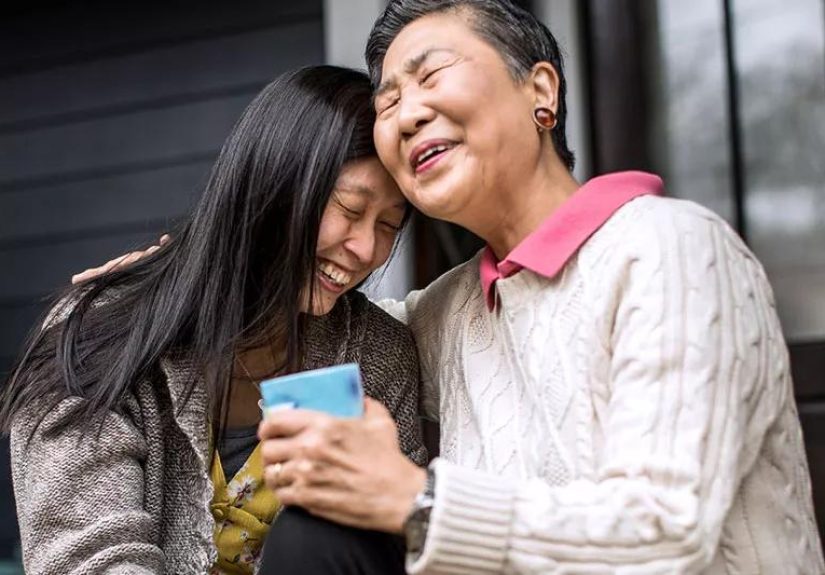
For older adults, hugs can be especially meaningful. Aging can bring loss, distance from family, changes in mobility, and fewer casual daily interactions. A warm embrace from a grandchild, friend, caregiver, or partner can reduce feelings of invisibility. It can remind a person that they are not just being managed, assisted, or visited; they are loved.
During times of illness, hugging becomes delicate but important. Sometimes physical contact is limited for safety. But when appropriate, a gentle hug can offer comfort that medical language cannot. Patients often need more than information. They need reassurance, dignity, and human closeness. A hug can say what charts cannot: you are still you.
There is also an experience many people discover after a period of loneliness: the first good hug after too long without one can feel almost shocking. Not dramatic, not cinematicjust deeply human. It reminds the body of something it missed before the mind had words for it. That is why hugging is not trivial. It belongs to the quiet architecture of well-being.
The best part is that hugging does not require expensive equipment, a subscription plan, or a wellness influencer standing beside a plant. It requires attention, consent, and care. A healthy hug is simple, but not small. It is one of the oldest ways humans say, “Stay. Breathe. You belong.”
Conclusion: A Hug Is Small, But Your Body Notices
Hugging is not a miracle cure, but it is a meaningful health-supporting habit. A safe, welcome hug can reduce stress, encourage oxytocin release, strengthen emotional bonds, support heart health, and help people feel less alone. It works because humans are social creatures with bodies that respond to warmth, pressure, trust, and connection.
In a world full of notifications, deadlines, arguments, and suspiciously long terms-and-conditions pages, hugging offers something refreshingly simple. It brings people back into the present moment. It reminds the nervous system that safety exists. It gives love a physical shape.
So, the next time someone you trust offers a hug, do not underestimate it. Your brain may calm down. Your stress may soften. Your heart may appreciate the gesture. And your day may become slightly less ridiculous, which is sometimes the most realistic form of wellness available.