Table of Contents >> Show >> Hide
- Why the Wording on the Envelope Still Matters
- Way #1: Use the Traditional Format
- Way #2: Use a Modern, Equal-Name Format
- Way #3: Use Separate Full Names for Different Last Names, Hyphenated Names, or Titles
- How to Choose the Best Option
- Common Mistakes to Avoid
- Quick Examples You Can Copy
- Final Thoughts
- Real-Life Experiences and Lessons From Addressing Envelopes to Married Couples
- SEO Tags
Addressing an envelope to a married couple sounds like one of those things adults are supposed to know automatically, like how to fold a fitted sheet or why printer ink costs more than gold dust. In real life, though, it can get weirdly confusing. Do you go traditional? Do you list both names? What if they have different last names? What if one spouse is a doctor, judge, or proud owner of a hyphen that takes up half the envelope?
The good news is that there is not just one correct answer anymore. Modern etiquette gives you a few solid options, and the best choice usually depends on the couple’s preferences, the occasion, and how formal you want to sound. A holiday card, a wedding invitation, and a thank-you note can all lean slightly different without causing an etiquette emergency.
In this guide, we’ll walk through three practical ways to address an envelope to a married couple, when to use each one, and the common mistakes to avoid. You’ll also get examples you can borrow immediately, because staring at a blank envelope while holding a pen is a surprisingly intense life event.
Why the Wording on the Envelope Still Matters
An envelope does more than carry mail. It sets the tone. A formal envelope can feel polished and respectful, while a more relaxed version can feel warm, personal, and modern. That is why the same married couple might be addressed one way on a black-tie wedding invitation and another way on a cheerful Christmas card with a dog in a sweater on the front.
Before choosing a format, think about these three things:
- Formality: Formal occasions usually call for titles and full names.
- The couple’s preference: Some couples like traditional wording; others absolutely do not want one spouse to vanish into the other spouse’s name.
- Name structure: Same last name, different last names, hyphenated names, and professional titles all affect the format.
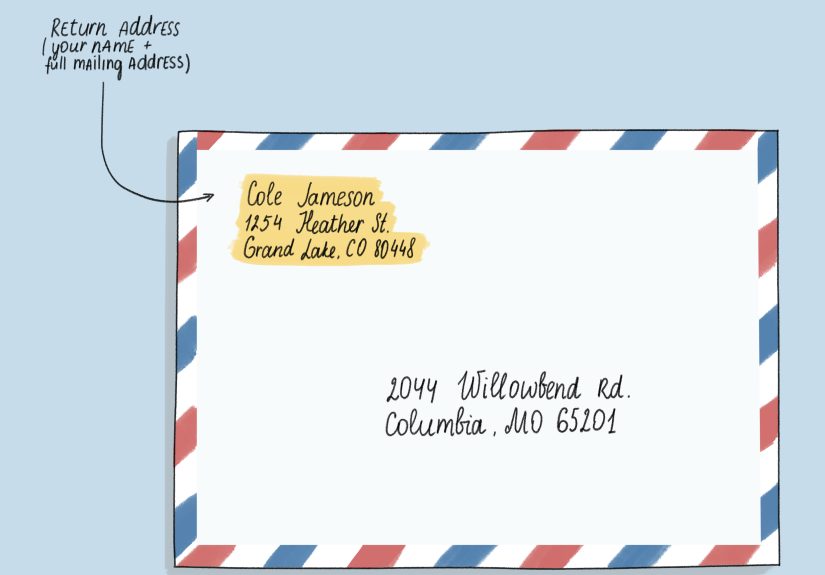
If you are mailing the envelope through the postal system, neatness also matters. Write clearly, keep the address easy to read, and avoid cramming names into a tiny corner like you are writing classified information on a napkin.
Way #1: Use the Traditional Format
The first option is the classic, traditional format. This is the version many people learned from old-school etiquette books, wedding invitation traditions, and relatives who still own “good china” and actually use it.
How it works
If the married couple shares the same last name, the traditional format usually reads:
Mr. and Mrs. John Anderson
That means the husband’s first and last name are written out, while the wife is included through the shared title. This style is still considered proper for very formal correspondence, especially for traditional weddings, formal dinner invitations, and certain social events.
When to use it
- Formal wedding invitations
- Traditional anniversary party invitations
- Events where classic etiquette matters
- Couples who personally prefer a traditional style
Examples
Outer envelope:
Mr. and Mrs. William Carter
Another formal example:
Mr. and Mrs. Christopher Bennett
If the husband has a suffix:
Mr. and Mrs. Daniel Harper Jr.
Pros of the traditional style
This format is elegant, tidy, and instantly recognizable. It also saves space, which is helpful when your envelope is already fighting for its life under a long street name and a double-digit apartment number.
Possible downside
Some people see this wording as outdated because it leaves out the wife’s first name. That does not automatically make it rude, but it does mean you should think about whether the couple would appreciate it. Etiquette is supposed to help people feel respected, not mildly annoyed before they even open the envelope.
Way #2: Use a Modern, Equal-Name Format
If you want something respectful but more contemporary, this is the sweet spot. The modern format keeps titles if you want them, but it names both spouses directly. It feels balanced, clear, and especially useful when you want both people to be equally visible on the envelope.
How it works
If the couple shares the same last name, you can write:
Mr. John Anderson and Mrs. Claire Anderson
Or, if you want a slightly shorter version:
John and Claire Anderson
The first version is more formal. The second is friendly and relaxed. Both are widely accepted in modern social use, especially for cards, casual invitations, and everyday correspondence.
When to use it
- Holiday cards
- Birthday invitations
- Thank-you notes
- Modern weddings with a less formal tone
- Any time you want both spouses clearly named
Examples
Formal modern style:
Mr. David Lopez and Mrs. Elena Lopez
Warm and casual style:
David and Elena Lopez
Another polished option:
Ms. Rebecca Taylor and Mr. James Taylor
Why people love this format
It avoids the awkward feeling that one spouse disappeared into the stationery. It also looks thoughtful. In a time when many couples are intentional about names, identity, and equality, this version often feels like the safest and kindest choice.
One more perk: modern etiquette generally allows flexibility in name order. You can list the spouse you know better first, use alphabetical order, or follow the couple’s own preference. In other words, you do not need to call the etiquette police. They are busy elsewhere.
Way #3: Use Separate Full Names for Different Last Names, Hyphenated Names, or Titles
This third method is the most practical when the married couple does not share one simple last name. It is also the go-to choice when one or both spouses have professional or honorific titles.
How it works
Write each person’s full name with the appropriate title, joined by and on one line if it fits. If it does not fit, you can place one name on the next line.
Examples for different last names
Ms. Lauren Chen and Mr. Marcus Rivera
Mrs. Hannah Brooks and Mr. Ethan Patel
Mr. Tyler Moore and Mr. Adrian Ellis
Ms. Olivia Grant and Ms. Naomi Foster
Examples for hyphenated names
Mr. Aaron Cole and Ms. Priya Shah-Cole
Ms. Dana Reed-Walker and Mrs. Claire Walker
Examples for professional titles
Dr. Rachel Kim and Mr. Samuel Kim
The Honorable Alicia Torres and Mr. Benjamin Torres
Drs. Megan and Thomas Reed
When to use it
- The couple has different last names
- One spouse kept a maiden name
- One or both spouses have a hyphenated last name
- One spouse has a title such as Dr., Judge, Reverend, or military rank
- You want the clearest and most respectful option possible
Why this format works so well
It is specific, adaptable, and respectful. It tells both people, “Yes, you are both fully invited, fully seen, and fully spelled correctly.” That last part matters more than people think.
How to Choose the Best Option
If you are still deciding which of the three ways to use, here is the simplest rule: choose the format that matches the couple and the occasion.
Use the traditional format for highly formal events or for couples who prefer classic etiquette. Use the modern equal-name format when you want something updated, balanced, and versatile. Use the separate full-name format when the couple has different last names, special titles, or a name setup that needs clarity.
When in doubt, clarity beats cleverness. A beautiful envelope is nice. An envelope that makes the recipient feel correctly identified is even better.
Common Mistakes to Avoid
1. Assuming every married couple wants the traditional format
Some do. Some really, really do not. If you know the couple prefers both names listed, honor that.
2. Using the wrong title combination
For example, avoid writing something like Mr. and Ms. John Smith. That construction is awkward and not considered correct. If you are using both titles, write both full names properly.
3. Forgetting professional titles
If one spouse is a doctor, judge, or member of the clergy and regularly uses that title, include it when the occasion is formal.
4. Stuffing too much onto one line
If the names are long, use two lines. An envelope should look elegant, not like it lost a fight with a word processor.
5. Ignoring the overall mailing format
Even the perfect names can look messy if the address is cramped, crooked, or hard to read. Keep the layout clean and readable.
Quick Examples You Can Copy
Same last name, formal
Mr. and Mrs. Jonathan Hill
Same last name, modern
Mr. Jonathan Hill and Mrs. Emma Hill
Same last name, casual
Jonathan and Emma Hill
Different last names
Ms. Emma Reed and Mr. Jonathan Hill
One spouse is a doctor
Dr. Emma Hill and Mr. Jonathan Hill
Both spouses are doctors
Drs. Emma and Jonathan Hill
Same-sex married couple with shared last name
Mr. Lucas and Mr. Daniel Parker
Same-sex married couple with different last names
Ms. Avery Cole and Ms. Jordan Price
Final Thoughts
If you have been overthinking how to address an envelope to a married couple, welcome to the club. Membership is large, confused, and armed with expensive stationery. The truth is that etiquette has become more flexible, not less thoughtful. That is a good thing.
The best envelope is not necessarily the most traditional one. It is the one that feels respectful, readable, and appropriate for the people receiving it. If you remember these three approaches, you can handle almost every situation:
- Traditional: Mr. and Mrs. John Smith
- Modern and equal: Mr. John Smith and Mrs. Jane Smith
- Separate full names for different last names or titles: Ms. Jane Doe and Mr. John Smith
So take a breath, uncap the pen, and write with confidence. You are now officially more prepared than half the population standing in the greeting card aisle.
Real-Life Experiences and Lessons From Addressing Envelopes to Married Couples
One of the funniest things about envelope etiquette is that people usually do not think about it until they absolutely have to. Then suddenly they are sitting at a kitchen table with a stack of cards, three conflicting opinions from family members, and a rising fear that a comma could ruin Thanksgiving. In real life, most envelope stress comes from wanting to get two things right at the same time: etiquette and emotion.
For example, many people grew up seeing envelopes addressed in the traditional style, so that format feels familiar and polished. But when they actually start writing envelopes for friends their own age, they hesitate. They know many couples prefer both names to appear. That moment teaches an important lesson: etiquette is not just about rules; it is about making people feel acknowledged.
Another common experience happens around weddings. A couple may spend weeks choosing invitation paper, fonts, and envelope colors, only to realize the hardest part is deciding how to write names. One guest uses her maiden name. Another couple shares a hyphenated last name. One spouse is a doctor. Suddenly the guest list turns into a grammar puzzle wearing formal clothes. The easiest way through it is to build one style guide before you start. Decide how formal you want to be, how you will handle titles, and whether you will use traditional or modern name formats consistently.
Holiday cards bring a different kind of experience. They are usually warmer and more personal, so first names often feel more natural. “Maya and Chris Bennett” can sound more inviting than a highly formal version, especially if the card includes a goofy family photo with matching pajamas and one confused golden retriever. In those cases, the envelope becomes part of the tone of the whole message.
People also learn quickly that asking the couple can save time. If you are close to them, it is completely reasonable to check how they prefer their names to appear. That tiny step avoids assumptions and shows respect. Most people appreciate being asked, especially if they have different last names or a professional title they use regularly.
The biggest practical lesson is simple: when you are unsure, choose clarity and kindness over rigid tradition. A neat envelope with correctly spelled names and a thoughtful format will almost always land better than a “technically correct” version that feels impersonal. Good etiquette is not about showing off what you know. It is about helping other people feel welcome the moment they see their mail.