Table of Contents >> Show >> Hide
- First, a Quick Reality Check (and a Safety Note)
- Way 1: Check the Owner’s Packet, Wallet Card, and Paperwork (The “It Was Here the Whole Time” Method)
- Way 2: Use Your Vehicle’s Built-In Menu or Key Procedure (If Equipped)
- Way 3: Get the Code from a Ford Dealer or Qualified Service Center (VIN + Proof of Ownership)
- After You Find the Factory Code: Set a Personal Code You’ll Actually Remember
- Troubleshooting: When the Keypad Still Won’t Cooperate
- FAQ: Quick Answers to Common Keyless Code Questions
- of Real-World Experiences (Because This Problem Always Shows Up at the Worst Time)
- SEO Tags
You know that moment when you’re standing outside your Ford Explorer (or Mercury Mountaineer), holding groceries, staring at the door keypad like it’s a tiny
calculator that refuses to do math for you? Yep. If you forgot the codeor bought the vehicle used and the previous owner “totally meant to text it later”you’re
not alone.
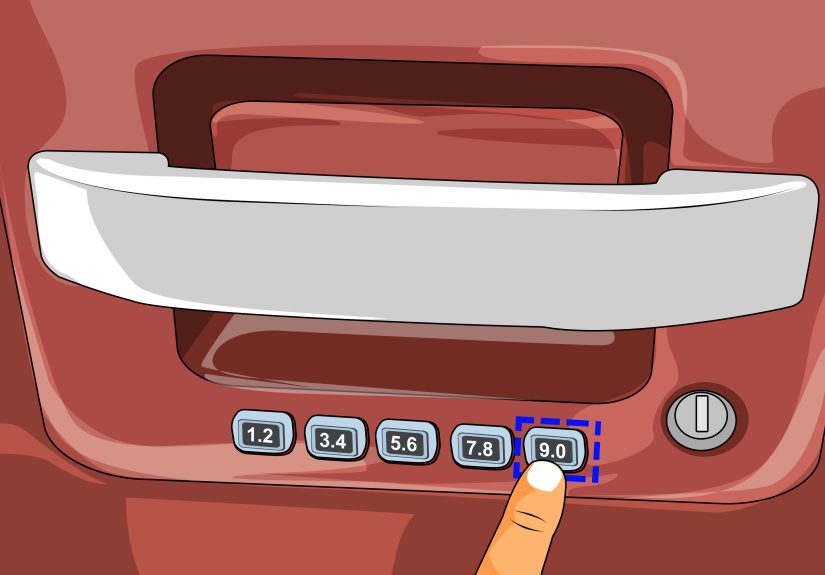
The good news: your 5-digit default keyless entry code (also called the factory keypad code or SecuriCode factory-set code)
isn’t magic. It’s simply the original code tied to your vehicle’s security system. Once you have it, you can unlock the doors, set your own personal code, and stop
playing “guess the numbers” like it’s a game show.
This guide covers three owner-friendly, legitimate ways to find that codeespecially for common Explorer/Mountaineer model years. (And yes, we’ll talk about
what to do after you find it so you don’t lose it again.)
First, a Quick Reality Check (and a Safety Note)
The keypad code is a security feature. That means you should only use these steps for a vehicle you legally own or are authorized to access. If you’re locked out of a car that
isn’t yours… the best “how-to” is: don’t. (Also, your future self will thank you for avoiding a very awkward conversation with law enforcement.)
With that said, if you’re the owner, you have a few simple paths to recover your factory door codeno doom-scrolling forums required.
Way 1: Check the Owner’s Packet, Wallet Card, and Paperwork (The “It Was Here the Whole Time” Method)
For many Ford Explorer and Mercury Mountaineer owners, the factory keyless code is hiding in the most boring place imaginable: your paperwork.
Ford commonly provided the code on a small card included with the owner’s materials.
Where to look
- Owner’s Manual packet (often in the glove box): Look for a “Keyless Entry” or “SecuriCode” card.
- Glove box compartments and document sleeves: The card can slip behind other booklets.
- Used-car paperwork: Dealer delivery sheets, prior service invoices, or notes sometimes list the factory code.
- Insurance or registration binder: Some owners write it down there (which is helpful… unless you lose that binder too).
What the code looks like (so you don’t mistake it for something else)
The factory keypad code is typically five digits. It’s not your VIN, not your radio preset, not your tire pressure, and definitely not your birthday
(unless you’re shockingly lucky or shockingly predictable).
Pro tips to avoid a repeat episode
- Take a photo of the card and store it in a password manager or a secure notes app.
- Write it down somewhere safe at home (not on a sticky note stuck to the dashboard… yes, people do that).
- Set a personal code you’ll actually remember (more on that below).
If you find the code this way, congratsyou just won the “least effort” award.
Way 2: Use Your Vehicle’s Built-In Menu or Key Procedure (If Equipped)
Depending on your model year and equipment, your Explorer may let you view or manage keypad-code settings through the infotainment system. Some Ford vehicles also support
an “admin key” style process using two programmed keys that can reveal the factory code on-screen.
Important: not every Explorer/Mountaineer supports these features. But if yours does, it’s one of the cleanest ways to handle the problem because it’s designed for owners
(and it doesn’t involve guessing or digging).
Option A: Check the SYNC / infotainment settings
In some Ford systems, keypad-code functions appear in a settings menu (wording varies by year). Look for something like:
- Settings → Vehicle → Door Keypad Code
- Or a security/locks section that mentions keypad, SecuriCode, or door code
If you see a menu that references adding or managing codes, follow the prompts. Some systems may still require the factory code to add a personal onebut the presence of
this menu is a sign your vehicle is at least keypad-aware.
Option B: Two programmed keys method (where available)
Some Ford vehicles support a procedure that uses two already-programmed keys to display the factory keypad code. The exact steps vary by model and year,
so the safest move is to follow the procedure described in your owner’s manual for your specific vehicle.
If you only have one key, this method usually won’t help. In that case, skip ahead to Way 3 (dealer retrieval) or stick with Way 1 (paperwork search).
Why this method is worth trying
- No disassembly, no guessing, no “is this the right module?” anxiety.
- It’s designed for owners who already have authorized access to the vehicle (keys, account access, etc.).
- Once you find it, you can immediately set a personal code and move on with your life.
Way 3: Get the Code from a Ford Dealer or Qualified Service Center (VIN + Proof of Ownership)
If your owner’s packet is missing and your vehicle doesn’t support an easy on-screen method, the most straightforward and legitimate next step is to have a dealer retrieve
the factory code using your vehicle information.
What you’ll typically need
- Your VIN (Vehicle Identification Number)
- Proof of ownership (registration/title) and a matching photo ID
- Sometimes the vehicle may need to be present, depending on the dealer’s policy and system access
What to say when you call
Keep it simple:
“I own a Ford Explorer / Mercury Mountaineer with a factory keypad. I need the factory-set 5-digit keyless entry code. What do you need from me to retrieve it?”
Why a dealer is a good option
- It reduces trial-and-error and avoids misinformation.
- It’s an authorized process designed to protect owners and prevent unauthorized access.
- If your keypad or locks are acting up, they can also diagnose whether you have a keypad issuenot just a missing code.
Yes, it may take a little time and possibly a small service fee, but it’s often the cleanest “do it right” methodespecially for used vehicles with incomplete paperwork.
After You Find the Factory Code: Set a Personal Code You’ll Actually Remember
Once you have the default 5-digit factory code, don’t stop there. The factory code is your master key for keypad programming. A personal code is your daily driver.
General steps (common across many Ford keypads)
- Enter the factory 5-digit code on the door keypad.
- Within a few seconds, press the button sequence used to begin programming (this varies by model).
- Enter your new 5-digit personal code.
Smart personal-code rules (so future-you doesn’t suffer)
- Avoid five repeating numbers (like 11111). Easy to guess, easy to regret.
- Avoid simple sequences (12345). That’s basically an invitation.
- Pick something memorable but not public (not your address, not your birthday, not your graduation year).
Many Ford systems allow multiple personal codes, which is handy if you want one for yourself and one for a family member. If your system supports it, treat personal codes
like house keys: give them thoughtfully and revoke them if needed.
Troubleshooting: When the Keypad Still Won’t Cooperate
If you’re entering the correct factory code and nothing happens, the issue may not be the code. It may be the keypad, power, or the lock system itself.
Quick things to check
- Keypad cleanliness: Grime can prevent reliable button presses (especially on older vehicles).
- Battery health: A weak vehicle battery can cause weird electrical behavior.
- Lock actuator issues: If the keypad lights up but doors don’t unlock, the actuator may be struggling.
- Too many wrong attempts: Some systems temporarily ignore inputs after repeated incorrect entries.
If you suspect hardware or electrical issues, a shop can test the keypad circuit and related modules quicklyoften faster than you can argue with the keypad for the 50th time.
FAQ: Quick Answers to Common Keyless Code Questions
Is the factory keypad code the same as the VIN?
No. Your VIN identifies the vehicle; the factory keypad code is a security code associated with the keyless entry system.
Can I change the factory code?
Typically, the factory-set code stays the same. You can add and remove personal codes, but the factory code usually remains the master fallback.
What if I bought the car used and got no manuals?
Start with Way 2 (if your model supports on-screen options), then go to Way 3: dealer retrieval with VIN + proof of ownership. Used vehicles often come with missing owner’s packets,
so don’t feel singled out. You’re in a large club.
Does this work for every Explorer and Mountaineer year?
The idea is consistent (a factory keypad code exists), but the retrieval method depends heavily on model year, trim, and security system design.
That’s why Way 1 and Way 3 are so universally helpful.
of Real-World Experiences (Because This Problem Always Shows Up at the Worst Time)
If you want proof the “missing Ford Explorer keypad code” situation is a universal experience, just ask anyone who has ever owned a used SUV.
The story usually starts the same way: “I’ll set up the keypad later.” And it ends the same way: standing in a parking lot, whispering motivational speeches to a door.
A super common scenario is the used-car handoff. You get two keys, a handshake, and maybe a half-empty bottle of windshield washer fluid in the trunk.
The seller says, “Oh, the keypad works,” which is technically true in the same way a treadmill works when it’s folded up and used as a coat rack. The factory code card is
often missing because it got separated from the owner’s manual years agousually during a glove box clean-out that felt productive for about five minutes.
Another classic moment: you discover the keypad code problem on a rainy day. You’re juggling bags, the key fob battery decides it’s tired of being alive, and you think,
“No worries, I’ll just use the keypad.” That’s when the keypad looks back at you with silent judgment. This is exactly why Way 1 is underratedfinding the
code in the owner’s packet and saving it somewhere secure is like buying insurance for your future self.
Some owners have better luck when their vehicle supports infotainment settings that mention keypad codes. If your Explorer has a menu option that references “Door Keypad Code,”
it feels like discovering a secret passage in your own house. People often describe it as, “Wait… it was in Settings this whole time?” Yes. Yes, it was. (The downside is realizing
you’ve been suffering unnecessarily. The upside is immediate victory.)
Then there’s the dealership experience. Plenty of owners avoid it because they assume it will be a hassle. But when you show up with your VIN and proof of ownership, it can be
surprisingly smoothespecially if you phrase it clearly: “I need the factory-set 5-digit keypad code.” The best part? Once you get the code, you can set a personal code on the spot,
test it twice, and stop thinking about it forever. That’s the dream.
The main takeaway from all these stories is simple: the problem isn’t rare, and you’re not “bad with cars” because you don’t know the code. You just inherited a normal ownership issue
that happens when paperwork gets lost and life gets busy. The fix is straightforwardfind the factory code using one of the safe methods above, set a personal code you’ll remember,
and store it somewhere secure so this becomes a one-time adventure instead of a recurring series.