Table of Contents >> Show >> Hide
- Why Dyed Hair Loses Color When You Wash It
- Way 1: Use Color-Safe Products That Clean Gently
- Way 2: Wash Less Often and Use Cooler Water
- Way 3: Wash Gently and Protect Hair Afterward
- Common Mistakes That Make Dyed Hair Fade Faster
- Best Washing Routine for Dyed Hair
- How Different Hair Colors Need Different Wash Care
- of Real-Life Experience: What Actually Helps Dyed Hair Stay Bright
- Conclusion
Freshly dyed hair has a special kind of magic. One day you leave the salon looking like you belong in a shampoo commercial, and two weeks later your bright copper, glossy brunette, icy blonde, or mermaid-blue masterpiece starts whispering, “Remember me?” The good news: color fading is normal. The better news: your washing routine can make a huge difference.
Learning how to wash dyed hair without losing color is not about becoming afraid of shampoo. It is about washing smarter. Hair color fades faster when strands are over-cleansed, exposed to hot water, dried out, or treated with products that were never invited to the color-care party. Think of dyed hair like a fancy sweater: you would not toss it into a boiling wash cycle with mystery detergent and hope for the best. Your hair deserves the same respect, plus conditioner.
This guide breaks color-safe washing into three practical methods: choosing the right products, controlling your wash routine, and protecting your hair after the rinse. Whether you color your hair at home or pay a professional to perform salon sorcery, these steps can help your shade look richer, shinier, and fresher for longer.
Why Dyed Hair Loses Color When You Wash It
Hair dye changes the appearance of your strands by depositing or altering pigment. Depending on whether you use temporary, semi-permanent, demi-permanent, or permanent color, those pigments sit on or inside the hair in different ways. But all dyed hair has one thing in common: water, friction, heat, and harsh cleansing can encourage fading.
Every time you shampoo, you remove oil, sweat, product buildup, and environmental grime. That is the shampoo’s job, and frankly, we appreciate the effort. The problem is that aggressive washing can also remove some color molecules or make hair feel rougher and more porous. Porous hair acts like a sponge with commitment issues: it absorbs moisture quickly but also lets color escape more easily.
Color-treated hair is often more delicate because dyeing, bleaching, highlighting, and toning can affect the hair cuticle. When the cuticle is raised or damaged, the hair may look dull, frizzy, dry, or faded. That is why color protection is less about one miracle product and more about a consistent routine.
Way 1: Use Color-Safe Products That Clean Gently
The first way to wash dyed hair without losing color is to upgrade what touches your strands. A shampoo that works beautifully on untreated hair may be too strong for color-treated hair, especially if your shade is vivid, red, pastel, blonde, or freshly toned.
Choose a sulfate-free or color-safe shampoo
Look for labels such as “color-safe,” “for color-treated hair,” “sulfate-free,” “gentle cleansing,” or “moisturizing.” Sulfates are cleansing agents that create a bubbly lather, but some formulas can feel stripping on dyed or dry hair. Not every sulfate-containing shampoo is automatically evil with a tiny mustache, but many people with dyed hair do better with gentler formulas.
A color-safe shampoo should remove oil and buildup without leaving your hair squeaky, rough, or straw-like. “Squeaky clean” may sound satisfying, but for dyed hair it often means the hair has been cleansed so strongly that moisture went down the drain along with your weekend plans.
Do not skip conditioner
Conditioner is not optional for dyed hair. It helps soften the hair, reduce roughness, improve manageability, and make strands look shinier. Apply conditioner from mid-lengths to ends, where hair is usually older and drier. If your scalp gets oily quickly, avoid rubbing conditioner directly into the roots.
For best results, use a conditioner made for color-treated hair. These formulas are usually designed to support shine, hydration, and smoother-looking strands. Once a week, add a deep conditioning mask if your hair feels dry, frizzy, or brittle. Moisturized hair tends to look more vibrant because smooth hair reflects light better. In other words, shine is your color’s personal spotlight.
Use tone-correcting products carefully
Purple shampoo, blue shampoo, red-depositing conditioner, and other tinted products can help refresh certain shades. Purple shampoo can reduce yellow tones in blonde or silver hair. Blue shampoo may soften orange brassiness in brunette hair. Color-depositing conditioners can help fashion shades like red, copper, pink, purple, or blue stay lively between touch-ups.
The trick is moderation. Using a toning shampoo every day can over-deposit pigment or dry out some hair types. Start once a week or as directed on the product label. Watch how your hair responds, because dyed hair is dramatic and likes personalized attention.
Way 2: Wash Less Often and Use Cooler Water
The second way to protect dyed hair is to rethink how often you wash and what temperature you use. This is where many people accidentally fade their color faster. The shampoo may be good, the conditioner may be fancy, but if you are washing daily in hot water, your color may still leave the building early.
Wait before the first wash after dyeing
After coloring your hair, wait at least 24 to 48 hours before shampooing unless your stylist gives different instructions. This gives your fresh color more time to settle and helps reduce early fading. Your stylist may rinse and cleanse your hair immediately after the color service, but at-home shampooing should be delayed when possible.
If your scalp gets oily during that waiting period, use a color-safe dry shampoo at the roots. Keep it light. You want to refresh your hair, not turn your scalp into a powdered donut.
Reduce your weekly wash count
Most color-treated hair benefits from fewer washes. Two or three shampoos per week is a common sweet spot, though your ideal number depends on scalp oil, hair texture, workouts, climate, and styling products. Fine hair may need washing more often. Curly, coily, dry, bleached, or fashion-colored hair may do better with longer gaps between wash days.
On non-wash days, try these simple tricks:
- Use dry shampoo only at the roots.
- Wear loose waves, a bun, a braid, or a claw clip style.
- Refresh ends with a leave-in conditioner or lightweight hair oil.
- Use a shower cap so steam and water do not soak your hair every day.
Remember: washing less does not mean ignoring your scalp. If your scalp is itchy, very oily, sweaty, or flaky, wash it. Healthy hair starts with a healthy scalp, not with suffering heroically in the name of burgundy highlights.
Use lukewarm or cool water
Hot water may feel amazing, especially after a long day, but it can make dyed hair feel drier and may encourage faster fading. Use lukewarm water when shampooing and conditioning. If you can tolerate it, finish with a cool rinse to help hair feel smoother and look shinier.
You do not need to take an ice-cold shower while questioning your life choices. A practical trick is to wash your body with warm water, then lower the temperature only when rinsing your hair. Some people even wash dyed hair separately in the sink so they can use cooler water without freezing the rest of themselves. Smart? Yes. Glamorous? In a determined way.
Way 3: Wash Gently and Protect Hair Afterward
The third way to wash dyed hair without losing color is to handle your hair gently before, during, and after the wash. Color-treated hair does not enjoy rough scrubbing, towel wrestling, or heat styling at maximum temperature. It wants softness, patience, and maybe a compliment.
Focus shampoo on the scalp
Your scalp is where oil and sweat build up, so shampoo belongs mainly at the roots. Wet your hair thoroughly, apply a small amount of shampoo to the scalp, and massage with your fingertips. Avoid scratching with your nails. Let the suds glide through the mid-lengths and ends as you rinse.
This method cleans where cleaning is needed most while reducing unnecessary friction on the more fragile ends. If you use heavy styling products, oils, or hairspray, you may need a more thorough cleanse occasionally. But for regular wash days, gentle root-focused shampooing is enough for most people.
Condition with patience
After shampooing, squeeze out excess water before applying conditioner. This helps the conditioner cling to the hair instead of sliding off instantly. Apply it from mid-lengths to ends, then give it a minute or two to work. If your hair is thick, curly, bleached, or very dry, use a wide-tooth comb in the shower to distribute conditioner evenly.
Rinse well, but do not over-rinse until your hair feels stripped. The goal is soft and clean, not squeaky and suspicious.
Dry without roughing up the cuticle
Wet hair is more fragile, and dyed hair can be even more vulnerable. After washing, gently squeeze out water with a microfiber towel or soft cotton T-shirt. Do not rub your hair aggressively with a regular towel. That creates friction, frizz, and a tiny emotional crisis for your cuticle.
Use a leave-in conditioner or heat protectant before blow-drying or styling. If you can air-dry partway before using heat, even better. When using hot tools, keep the temperature moderate and avoid going over the same section repeatedly. Heat can dull color, increase dryness, and make hair more porous over time.
Common Mistakes That Make Dyed Hair Fade Faster
Using clarifying shampoo too often
Clarifying shampoo can be useful when your hair has mineral buildup, heavy product residue, or a dull coating. However, using it too often on dyed hair can fade color quickly. If you need to clarify, do it occasionally and follow with a moisturizing mask. For vivid colors, ask your stylist before using any strong clarifying formula.
Washing right after every workout
Sweat can make hair feel less fresh, but you do not always need shampoo after every workout. Try rinsing the scalp with cool water, using dry shampoo before or after exercise, or styling hair up until the next wash day. If you sweat heavily or your scalp feels uncomfortable, wash gently with color-safe shampoo.
Letting hard water dull your color
Hard water contains minerals that can leave hair feeling coated, dry, or dull. If your shower leaves white film on faucets or glass, your hair may be dealing with mineral buildup too. A shower filter, hard-water shampoo used occasionally, or salon treatment can help. This is especially important for blondes, gray hair, silver tones, and fashion colors that show dullness quickly.
Ignoring sun and pool exposure
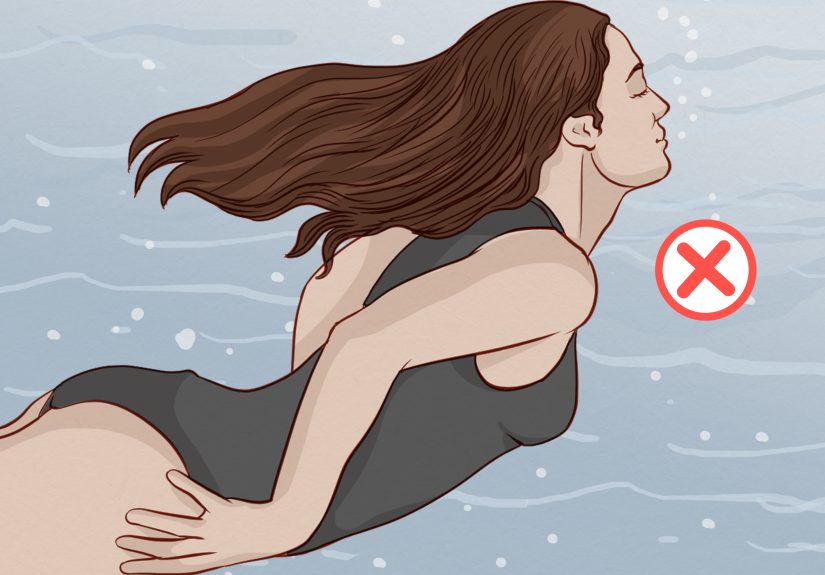
Color-treated hair can fade from sun exposure, chlorine, and salt water. Before swimming, wet your hair with clean water and apply a leave-in conditioner. A swim cap gives even better protection. After swimming, rinse as soon as possible. In the sun, wear a hat or use hair products with UV protection. Your hair color paid good money to be here; do not let the pool bully it.
Best Washing Routine for Dyed Hair
Here is a simple routine you can follow:
- Wait 24 to 48 hours after coloring before shampooing.
- Wash two to three times per week, or as needed for your scalp.
- Use lukewarm water, not hot water.
- Apply color-safe shampoo mainly to the roots.
- Let suds rinse through the lengths instead of scrubbing the ends.
- Condition every wash, focusing on mid-lengths and ends.
- Use a weekly mask if hair feels dry or damaged.
- Blot with a microfiber towel or T-shirt.
- Apply leave-in conditioner or heat protectant before styling.
- Use dry shampoo, protective styles, or shower caps between washes.
How Different Hair Colors Need Different Wash Care
Red and copper hair
Red and copper shades are famous for fading quickly. Use color-safe shampoo, wash less often, and consider a red or copper color-depositing conditioner. Avoid hot water like it owes your hair money.
Blonde and highlighted hair
Blonde hair often needs moisture and tone control. Use purple shampoo only when brassiness appears, not necessarily every wash. Deep conditioning is important because lightened hair can become dry and porous.
Brunette hair
Brunette shades can turn warm or dull over time. Blue shampoo may help with orange tones, while gloss treatments can refresh shine. A gentle shampoo and conditioner routine keeps brown hair looking rich instead of flat.
Fashion colors
Pink, purple, blue, green, and pastel shades need extra care. Wash as little as your scalp allows, use cool water, and choose products designed for vivid color. A matching color-depositing conditioner can help extend vibrancy.
of Real-Life Experience: What Actually Helps Dyed Hair Stay Bright
Anyone who has dyed their hair knows the emotional roller coaster. Day one is pure confidence. You catch yourself in every mirror, car window, and suspiciously reflective toaster. Then wash day arrives, and suddenly the shower water looks slightly tinted. Panic enters the bathroom wearing a tiny robe.
From practical experience, the biggest difference is not one expensive product. It is consistency. The people who keep their color looking fresh usually do three things well: they wash less, use gentle products, and stop treating wet hair like laundry. That sounds simple, but it is surprisingly easy to forget when you are busy, tired, or running late.
One useful habit is planning wash days. If you normally wash every morning, dyed hair asks for a new schedule. Try washing on Sunday and Wednesday, then use dry shampoo or a soft updo on the days between. At first, your scalp may feel oilier because it is used to frequent shampooing. Give it a little time. Many people find their hair adjusts after a couple of weeks.
Another experience-based tip: do not judge a shampoo by bubbles alone. Sulfate-free shampoos often lather less, which can make people think they are not cleaning. They are cleaning; they are just not throwing a foam party. Massage the scalp slowly for 60 seconds, rinse thoroughly, and repeat only if your hair is very oily or loaded with product.
Cooler water is also more realistic when you separate hair washing from showering. If a full cool shower sounds like a punishment invented by a villain, wash your hair over the sink or lower the shower temperature only when your hair is under the water. This tiny change can make a big difference, especially for red, copper, pastel, and vivid colors.
Conditioner timing matters too. Rushing conditioner is like putting pizza in the oven for twelve seconds and wondering why it is not dinner. Squeeze excess water from your hair, apply conditioner generously to the ends, clip your hair up, and let it sit while you finish the rest of your shower. Then rinse with lukewarm or cool water.
The towel step is where many people accidentally create frizz and dullness. Instead of rubbing hair back and forth, squeeze and blot. A microfiber towel or cotton T-shirt is gentler and helps reduce roughness. This is especially helpful for bleached, curly, or high-porosity hair.
Finally, keep expectations realistic. All hair color fades eventually. Even the best routine cannot freeze your shade in time like a beauty museum exhibit. But the right wash routine can slow fading, protect shine, and make your color look intentional for longer. That means fewer emergency touch-ups, fewer sad shower moments, and more days where your hair looks like you made excellent life choices.
Conclusion
Washing dyed hair without losing color comes down to three smart habits: use gentle color-safe products, wash less often with cooler water, and protect your hair from friction, dryness, heat, and environmental stress. You do not need a complicated routine or a bathroom shelf that looks like a beauty supply store exploded. You need the right shampoo, a reliable conditioner, a little patience, and a willingness to stop boiling your hair like pasta.
Color-treated hair looks best when it is clean, hydrated, smooth, and protected. Treat your shade kindly, and it will reward you with longer-lasting shine, better vibrancy, and fewer “why is my color already gone?” mirror moments.