Table of Contents >> Show >> Hide
- Why “No” Isn’t Always a Rejection of the Person
- What Usually Sits Under the “No”
- 30 People Explain Why They Said “No”
- 1) “It felt like a bandage, not a plan.”
- 2) “We hadn’t talked about kids, and I’m not gambling my future.”
- 3) “I didn’t trust him with money.”
- 4) “The public proposal felt like pressure.”
- 5) “I was still rebuilding after a divorce.”
- 6) “He wanted marriage to ‘fix’ our trust issues.”
- 7) “I realized I was doing all the emotional labor.”
- 8) “He’d never met my needs… and now wanted forever.”
- 9) “I didn’t want to marry into his family dynamics.”
- 10) “He proposed because all our friends were getting engaged.”
- 11) “He wouldn’t talk about the futureuntil the proposal.”
- 12) “My gut said no, and I finally listened.”
- 13) “I didn’t want the life he pictured for me.”
- 14) “He proposed too early.”
- 15) “He didn’t respect my boundaries.”
- 16) “The proposal was a ‘shut-up ring.’”
- 17) “He made big promises, but couldn’t do small follow-through.”
- 18) “We disagreed on how to handle conflict.”
- 19) “I didn’t want to be married more than I wanted to be with him.”
- 20) “He dismissed my career like it was a hobby.”
- 21) “We weren’t aligned on religion and traditions.”
- 22) “He refused premarital counseling.”
- 23) “I didn’t feel emotionally safe.”
- 24) “I was carrying his growth.”
- 25) “He wanted marriage, but not partnership.”
- 26) “He proposed in the middle of a breakup conversation.”
- 27) “We hadn’t talked about what marriage means.”
- 28) “I didn’t want to lose myself.”
- 29) “My family history made me cautious.”
- 30) “I wasn’t sure… and ‘not sure’ is a no.”
- If You’re the One Who Said No: How to Say It Without Cruelty
- If You’re the One Who Heard No: How to Handle It Like an Adult
- When “No” Is a Safety Decision
- Conclusion: A “No” Can Be an Act of Respect
- Bonus: of Real-Life Experience Notes on Saying No
Somewhere between the sparkly ring photos and the “we’re engaged!!” captions lives a truth we don’t talk about enough: sometimes the honest answer to a marriage proposal is no.
Not a villain-no. Not a “gotcha” no. Just a clear, human, boundary-shaped nobecause marriage isn’t a prize you win for excellent vibes. It’s a legal, emotional, logistical, and long-term partnership that deserves an informed yes.
In this article, we’ll unpack the most common reasons people reject a marriage proposal, what’s often underneath that answer, and what “no” can teach couples about communication, readiness, and respect. Then you’ll read 30 candid, real-life-style explanationseach one a reminder that saying no can be an act of care, not cruelty.
Why “No” Isn’t Always a Rejection of the Person
A proposal is a question, not a pop quiz with one acceptable answer. When someone says no, they may be rejecting the timing, the circumstances, the relationship as it currently functions, or the idea of marriage altogetherwithout hating their partner.
Many rejections come down to misalignment: one person is ready for the next step, the other isn’t. That mismatch can feel personal, but it’s often more about pacing, values, or unresolved concerns than love levels. (Love is not a substitute for compatibilityannoying, but true.)
What Usually Sits Under the “No”
Readiness and timing (aka “I love you, but I’m not there yet”)
People say no when they feel rushed, pressured, or too early in life or the relationship to make a permanent commitment. Readiness isn’t just about feelings; it’s also about stability, clarity, and having the conversations that turn romance into a shared plan.
Compatibility and core values
Marriage magnifies differences. If partners don’t align on essentialskids, money habits, religion, where to live, boundaries with family, lifestyle goalsthe proposal can feel like someone hit “submit” on a form you haven’t finished filling out.
Relationship health and unresolved patterns
Some people decline because they recognize repeating conflict styles, trust issues, or emotional safety problems. A proposal can’t “fix” communication, fidelity, addiction, anger, or disrespect. If the relationship needs repair, engagement can feel like decorating a house while the foundation is cracking.
The proposal itself (public pressure, surprise, or “this isn’t us”)
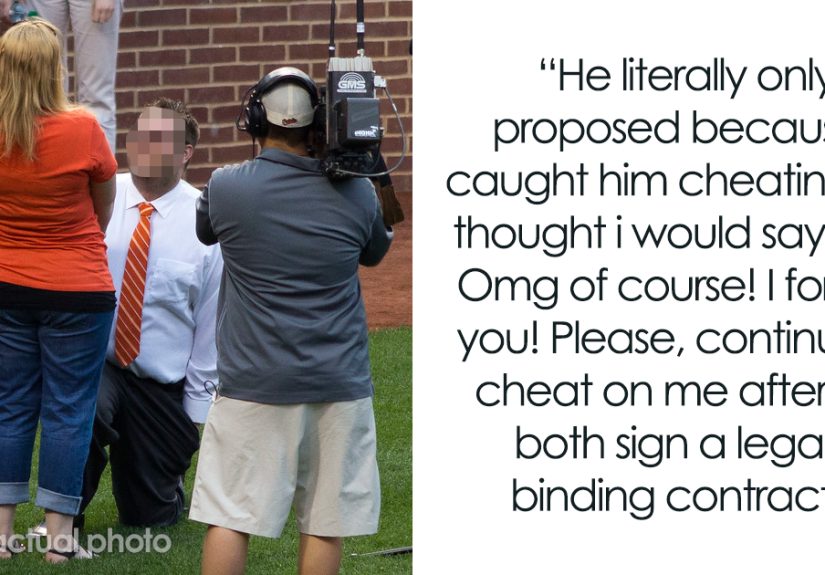
Not everyone wants a stadium jumbotron moment. For some, a public proposal feels like being handed a microphone and told to make a life decision while strangers clap on rhythm. If the couple hasn’t talked seriously about marriage beforehand, the “surprise” can land like a trapdoor.
30 People Explain Why They Said “No”
Note: The stories below are anonymized composites inspired by common reasons people share publicly and with relationship professionals. They’re written to feel like real conversationsbecause the themes are real, even when the names are not.
-
1) “It felt like a bandage, not a plan.”
He proposed right after a blowout fightlike the ring was an apology with a return policy. I said no because I wanted us to solve the actual problems first. A proposal shouldn’t be crisis control.
-
2) “We hadn’t talked about kids, and I’m not gambling my future.”
I want children. He “could go either way.” That sounds flexible, but it’s a dealbreaker in disguise. I said no until we could answer the big life questions without shrugging.
-
3) “I didn’t trust him with money.”
He had secret credit cards and acted like budgeting was a personal attack. I didn’t want to marry someone whose financial habits felt like a hidden room in the houseone I wasn’t allowed to open.
-
4) “The public proposal felt like pressure.”
He proposed at a party with everyone filming. I felt corneredlike saying no would make me the villain in someone else’s rom-com. I said no later, privately, because consent isn’t improved by an audience.
-
5) “I was still rebuilding after a divorce.”
I cared about him, but I’d barely finished grieving my last marriage. I said no because I wasn’t ready to carry old scars into a new legal promise. Healing deserved time.
-
6) “He wanted marriage to ‘fix’ our trust issues.”
We had a cheating history, and he acted like engagement would erase it. I said no because trust isn’t cured by a ring. It’s rebuilt with consistencyover months, not minutes.
-
7) “I realized I was doing all the emotional labor.”
I planned everything, apologized first, soothed every conflict, remembered every birthday, and kept us afloat. The proposal made me ask: do I want to be someone’s partneror their unpaid manager?
-
8) “He’d never met my needs… and now wanted forever.”
I had asked for basic thingsshow up, communicate, keep promises. Nothing changed. The proposal felt like skipping the chapter where we learn how to treat each other well.
-
9) “I didn’t want to marry into his family dynamics.”
His parents controlled everything, and he never set boundaries. I wasn’t trying to marry his mother, but the preview was loud. I said no until he could choose partnership over appeasement.
-
10) “He proposed because all our friends were getting engaged.”
It felt like social media FOMO with a diamond. I wanted to be chosen for me, not because the group chat had a new engagement announcement and he panicked.
-
11) “He wouldn’t talk about the futureuntil the proposal.”
For years, every serious conversation got dodged. Then suddenly: marriage! I said no because a surprise proposal can’t replace years of avoided communication.
-
12) “My gut said no, and I finally listened.”
On paper, he looked perfect. In my body, I felt tense and small. I said no because intuition isn’t magicit’s your brain compiling data you haven’t named yet.
-
13) “I didn’t want the life he pictured for me.”
He imagined me quitting my job, moving to his hometown, and being ‘flexible.’ I said no because I wasn’t auditioning for a role in his lifeI was building my own.
-
14) “He proposed too early.”
We were still in the honeymoon phase, and I barely knew how he handled stress, loss, or conflict. I said no because forever is a long time to bet on first impressions.
-
15) “He didn’t respect my boundaries.”
Little things added up: reading my messages, controlling plans, guilt-tripping me for time with friends. I said no because marriage should expand your freedom, not shrink it.
-
16) “The proposal was a ‘shut-up ring.’”
We’d been fighting about commitment, and the ring showed up right after my ultimatum. I said no because I wanted a partner who chooses marriage with convictionnot to quiet a complaint.
-
17) “He made big promises, but couldn’t do small follow-through.”
He could talk about our dream house, but couldn’t pay bills on time or keep a simple agreement. I said no because reliability is romantic. Period.
-
18) “We disagreed on how to handle conflict.”
I wanted repair and conversation. He wanted silent treatment and ‘getting over it.’ I said no because unresolved conflict doesn’t disappear in marriageit multiplies.
-
19) “I didn’t want to be married more than I wanted to be with him.”
I realized I loved the idea of marriagethe stability, the milestone, the certaintymore than I loved our actual relationship. I said no because I’m not marrying a concept.
-
20) “He dismissed my career like it was a hobby.”
When I talked about my goals, he joked about me ‘playing boss.’ The proposal made me think: do I want a lifelong teammate or a lifelong heckler?
-
21) “We weren’t aligned on religion and traditions.”
It wasn’t just holidaysit was identity, community, and how we’d raise future kids. I said no because ‘we’ll figure it out later’ becomes a fight the moment you sign papers.
-
22) “He refused premarital counseling.”
I suggested counseling to talk through finances, conflict, and expectations. He said it was “for broken couples.” I said no because I wanted prevention, not repair after damage.
-
23) “I didn’t feel emotionally safe.”
He didn’t hit me, but he yelled, mocked me, and made me feel stupid. I said no because love without respect is just attachment with better branding.
-
24) “I was carrying his growth.”
I found the therapists, read the books, planned the talks, and celebrated his bare-minimum improvements. I said no because I needed a co-pilot, not a passenger I had to cheer into adulthood.
-
25) “He wanted marriage, but not partnership.”
He liked the titlehusband, wife, ‘taken.’ But when it came to chores, planning, and shared responsibility, he opted out. I said no because marriage isn’t a trophy case.
-
26) “He proposed in the middle of a breakup conversation.”
I was literally explaining why I was unhappy and he pulled out a ring like a plot twist. I said no because that’s not romancethat’s avoidance with jewelry.
-
27) “We hadn’t talked about what marriage means.”
For him, marriage meant merging everything. For me, it meant teamwork with independence. I said no because when two people define marriage differently, one of them gets surprised later.
-
28) “I didn’t want to lose myself.”
In the relationship, I’d slowly gotten smallerfewer friends, fewer opinions, fewer dreams. I said no because marriage should make you feel more like yourself, not less.
-
29) “My family history made me cautious.”
I grew up around divorce and resentment. I needed solid evidencecommunication, shared values, conflict skillsnot a romantic gesture. I said no until I felt secure, not swept up.
-
30) “I wasn’t sure… and ‘not sure’ is a no.”
I wanted to want it, but doubt kept showing up. I said no because marriage deserves enthusiasm, not reluctant momentum. If it’s not a grounded yes, it’s a protective no.
If You’re the One Who Said No: How to Say It Without Cruelty
- Be direct and kind: “I love you, and I can’t say yes right now.”
- Name the reason without attacking: focus on timing, readiness, or specific issues.
- Offer a next step if you want one: counseling, a timeline check-in, or deeper talks.
- Don’t negotiate under pressure: a proposal isn’t the place for guilt, bargaining, or “prove you love me.”
If You’re the One Who Heard No: How to Handle It Like an Adult
- Don’t punish honesty. If you want truth in marriage, you have to tolerate it before marriage.
- Ask, don’t accuse: “Can you help me understand what’s missing for you?”
- Separate the moment from the relationship: a no is data, not necessarily doom.
- Resist public pressure: if you proposed publicly, give them privacy to answer fully.
When “No” Is a Safety Decision
Sometimes “no” isn’t about timingit’s about protection. If a relationship includes coercion, intimidation, isolation, extreme jealousy, financial control, threats, or fear, saying no can be a critical boundary. If you recognize these patterns, consider reaching out to qualified support in your area and trusted people in your life.
Conclusion: A “No” Can Be an Act of Respect
Saying no to a marriage proposal can be heartbreaking. It can also be clarifying. A thoughtful no protects both people from building a marriage on pressure, mismatched goals, or unresolved harm. The right “yes” isn’t rushedit’s earned through communication, alignment, and the kind of steady respect that still feels good when the confetti is gone.
Bonus: of Real-Life Experience Notes on Saying No
People imagine rejecting a proposal as one dramatic scenethe ring box opens, the music screeches, and a single word becomes the headline. But the lived experience is usually messier and quieter. For many, the first feeling isn’t relief or triumph; it’s a stomach-drop mix of sadness, guilt, and the weird awareness that you just changed the temperature in the room for everyone.
If the proposal was public, the experience can feel like emotional multitasking on hard mode. You’re processing your own panic while also clocking your partner’s face, your friend’s phone camera, your aunt’s tears, and the fact that someone’s kid is yelling “SAY YES!” like it’s a game show. People who’ve lived this often describe a split-second calculation: Do I protect their feelings now and tell the truth later, or tell the truth now and become the villain of the party? Either option can feel awful, which is why many people end up having two conversationsone for the crowd, one for reality.
Private proposals can still be complicated, just with fewer witnesses. A no often comes out with a shaky voice, followed by immediate caretaking: “I’m sorry, I didn’t mean to hurt you.” That instinct is human, but it’s also revealing. In some relationships, the person saying no has been responsible for managing the other person’s emotions for a long time. The proposal simply turns that dynamic up to full volume.
Another common experience: the aftermath is louder than the moment. Families have opinions. Friends choose sides. People who don’t know the context ask for the “tea,” as if your life is a group project they’re grading. Many who say no describe needing to set boundaries quickly: “We’re not discussing details,” or “I’m not accepting advice from people who don’t have to live with the consequences.” It’s not rudeit’s survival.
Some couples do recover. When both people can treat the no as information rather than humiliation, the conversation becomes constructive: What needs to change for this to feel safe? What topics have we avoided? Do we need help learning how to fight fairly, handle money transparently, or plan a shared future without assumptions? In those cases, the no is less of an ending and more of a checkpoint.
And sometimes, a no clarifies that love isn’t enough. That realization can be painful, but also strangely calminglike turning off a fire alarm that’s been chirping in your brain for months. People who’ve been there often say the same thing in different words: “It was hard, but it was honest.” And honesty, awkward as it can be, is still the best foundation for any future relationshipwhether it ends in marriage or in a respectful goodbye.