Table of Contents >> Show >> Hide
- Why Normalized Scams Keep Winning
- 35 Scams That Feel Normal Until You Actually Think About Them
- 1. “Free” trials that quietly become paid subscriptions
- 2. Subscription cancellation mazes
- 3. Ticket prices that explode at checkout
- 4. Hotel resort fees for amenities you did not ask for
- 5. Food delivery apps stacking fee on top of fee
- 6. “Convenience” fees when you do the work yourself
- 7. Tip prompts on everything with a touchscreen
- 8. Overdraft “protection” that behaves like a trap door
- 9. Multiple NSF fees for the same failed payment
- 10. “Pay-to-pay” fees on regular bills
- 11. Earned wage and cash advance apps with “optional” tips and rush fees
- 12. Buy now, pay later offers that normalize overspending
- 13. Store financing with “no interest” if you pay exactly right
- 14. Extended warranties sold through fear
- 15. Car dealer add-ons that appear out of nowhere
- 16. Promo rates that expire into pain
- 17. Equipment rental fees for devices you basically paid off in spirit
- 18. Mail-in rebates designed like obstacle courses
- 19. “Limited-time” sales that never seem to end
- 20. Sponsored search results that look like real answers
- 21. Fake package delivery texts
- 22. Caller ID spoofing
- 23. Government impostor messages demanding urgent action
- 24. Tech support pop-ups that turn panic into profit
- 25. Job listings that ask applicants to pay first
- 26. Rental application fees for places that were never really available
- 27. Gym memberships that feel like a lifelong bond
- 28. App subscriptions hidden in device settings
- 29. In-app purchases aimed at impulse and children
- 30. Loyalty programs that trade your data for tiny savings
- 31. Furniture and rent-to-own math that punishes being broke
- 32. Credit card sign-up discounts with brutal long-term costs
- 33. Miracle products promoted with fake reviews and fake urgency
- 34. Investment pitches promising guaranteed returns
- 35. Charity copycats after disasters or major news events
- Why These Everyday Scams Are So Hard to Resist
- What These Experiences Feel Like in Real Life
- Final Thoughts
- SEO Tags
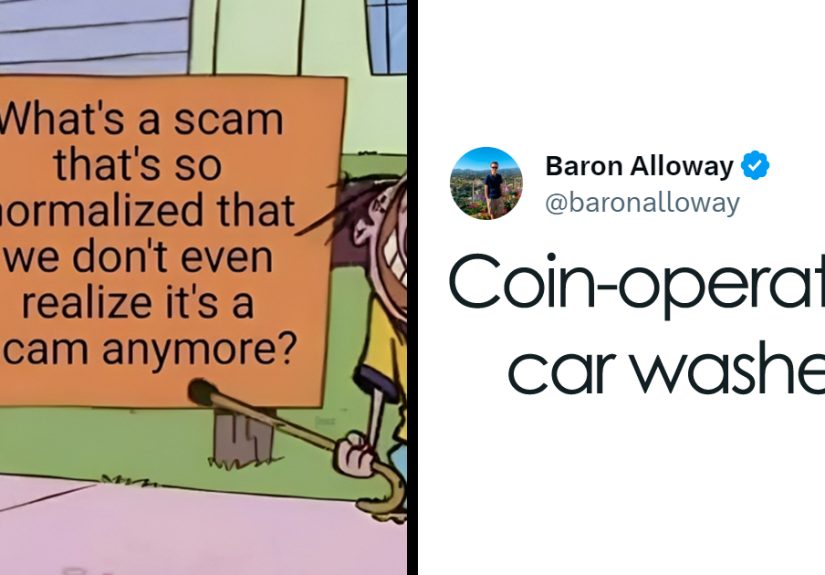
You know a scam is thriving when nobody even bothers to wear a fake mustache anymore. These days, plenty of rip-offs show up dressed as “fees,” “convenience,” “flexibility,” “protection,” or everybody’s favorite corporate love language: “enhanced user experience.” The result is a weird modern economy where people get nickel-and-dimed, cornered, confused, or guilted into paying more than they plannedand then feel like it was somehow their fault for not reading line 47 of the tiny gray fine print.
To be fair, not every item on this list is a criminal scam in the legal sense. Some are deceptive business tactics, some are manipulative sales strategies, and some are old-fashioned fraud wearing a newer, shinier outfit. But they all share one trait: they profit from confusion, pressure, bad design, or social conditioning. In other words, they work because they feel normal.
That is exactly what makes them dangerous. A scam that looks obviously fake gets ignored. A scam that looks like a standard billing practice, a harmless subscription, a polite tip screen, or a routine text from a “trusted” institution? That one gets your money before your brain has finished saying, “Wait a second…”
Why Normalized Scams Keep Winning
The most effective everyday scams do not rely on dramatic lies. They rely on friction, fatigue, and timing. You are tired, busy, multitasking, trying to check out, trying to pay a bill, trying to book a room, trying to get through your week without becoming an amateur forensic accountant. That is when the trap appears.
Modern scammy behavior usually follows a simple playbook: make the offer sound cheap, hide the real cost, rush the decision, bury the terms, and make escape annoying. If that sounds suspiciously familiar, congratulationsyou have lived in the modern marketplace.
35 Scams That Feel Normal Until You Actually Think About Them
-
1. “Free” trials that quietly become paid subscriptions
The product is free for seven days, but canceling requires a calendar alert, emotional stamina, and the instincts of a bomb technician. If the business counts on you forgetting, that is not generosity. That is a timer with better branding.
-
2. Subscription cancellation mazes
Signing up takes one click. Canceling requires six screens, a guilt trip, a fake “pause instead?” option, and a final button hidden like buried treasure. Any service that is easier to join than leave is selling confusion along with the product.
-
3. Ticket prices that explode at checkout
You came for a $45 concert ticket. You leave with a $78 lesson in disappointment. Processing fees, service fees, delivery fees, convenience feesby the end, the only thing not charging you is the band’s drummer.
-
4. Hotel resort fees for amenities you did not ask for
If the room rate is not the real room rate, the advertised price is basically cosplay. Charging extra for Wi-Fi, the gym, or a pool you may never touch is a classic example of “surprise, your total has lore.”
-
5. Food delivery apps stacking fee on top of fee
The burger costs one amount in your imagination and a completely different amount after service fees, delivery fees, small-order fees, and a tip. At some point, you are not ordering dinner. You are funding a logistics opera.
-
6. “Convenience” fees when you do the work yourself
Buying online, paying online, printing at home, checking out on your phoneand then paying a convenience fee for the privilege of not making a human employee do anything at all. That is less “convenience” and more “because we can.”
-
7. Tip prompts on everything with a touchscreen
Tip culture has become so aggressive that buying a bottled drink can feel like a moral exam. Tipping for real service is one thing. Being socially cornered by a glowing screen into subsidizing payroll is another.
-
8. Overdraft “protection” that behaves like a trap door
Anything marketed as protection should not leave you poorer for being a few dollars short. When the “solution” creates repeated fees instead of real help, the safety net starts looking suspiciously like a toll bridge.
-
9. Multiple NSF fees for the same failed payment
A single declined transaction should not become a recurring revenue stream. Re-presenting the same payment and charging another fee each time turns one mistake into an expensive mini-series.
-
10. “Pay-to-pay” fees on regular bills
You already owe money, yet now you are charged extra to pay the money. It is the financial equivalent of being billed for the right to stand in line.
-
11. Earned wage and cash advance apps with “optional” tips and rush fees
When a short-term money product avoids calling itself a loan but still makes money from urgency, speed, and pressure, the label is doing some extremely heavy lifting.
-
12. Buy now, pay later offers that normalize overspending
Breaking a purchase into smaller payments can feel painless, which is exactly the problem. The trick is not always the math; it is the psychology. Make the pain invisible, and people buy things their budget never approved.
-
13. Store financing with “no interest” if you pay exactly right
These offers often sound like a gift from the heavens until one missed detail turns them into retroactive chaos. When the deal depends on perfect execution for months, it is less a bargain and more a trap with paperwork.
-
14. Extended warranties sold through fear
The pitch is always the same: what if the thing breaks tomorrow? Statistically, many people pay for peace of mind they never use. The warranty is sometimes less about coverage and more about exploiting your imagination.
-
15. Car dealer add-ons that appear out of nowhere
Etching, coatings, protection packages, mystery service bundlessuddenly the car has accessories nobody requested but everybody is expected to fund. The finance office has launched many budgets into low Earth orbit.
-
16. Promo rates that expire into pain
Your internet, phone, or cable bill starts out looking charming and ends up looking like betrayal. The teaser price gets you in the door; the real business model starts later.
-
17. Equipment rental fees for devices you basically paid off in spirit
Month after month, you rent the same little box until the total cost could have bought the box a family and a retirement plan. Some fees survive purely because people stop noticing them.
-
18. Mail-in rebates designed like obstacle courses
If claiming the savings requires deadlines, barcodes, serial numbers, screenshots, rituals, and a little faith, the company is probably betting a healthy chunk of customers will give up halfway through.
-
19. “Limited-time” sales that never seem to end
When every week is the last chance and every holiday is a mega event, the urgency is fake. Retail panic is still panic, even when it comes in cheerful red font.
-
20. Sponsored search results that look like real answers
You search for customer support or a direct website and click the top result because your brain trusts gravity. That trust gets monetized, and sometimes scammers ride the same habit straight into your wallet.
-
21. Fake package delivery texts
This one works because everybody orders everything now. A text about a package problem feels plausible, routine, boringexactly the emotional disguise a scam loves most.
-
22. Caller ID spoofing
People still instinctively trust a local number, a bank name, or something that looks official. Spoofing succeeds because the phone still feels personal, even after years of betrayal.
-
23. Government impostor messages demanding urgent action
Scammers borrow the language of taxes, refunds, missed notices, and account verification because bureaucracy already sounds stressful. They do not need to invent fear. They just piggyback on the fear you already have.
-
24. Tech support pop-ups that turn panic into profit
Your screen flashes, alarms start blaring, and suddenly a random number wants remote access to your computer. Fear is the product. The “fix” is just the checkout page.
-
25. Job listings that ask applicants to pay first
Background-check fees, starter kits, certification charges, equipment depositsreal jobs are supposed to pay you, not the other way around. Desperation is one of the most aggressively monetized emotions on earth.
-
26. Rental application fees for places that were never really available
In tight housing markets, people get rushed into paying to apply before they even know whether the unit exists, is open, or was effectively promised to someone else. It is scarcity weaponized.
-
27. Gym memberships that feel like a lifelong bond
The sales pitch is all health, optimism, and New Year energy. The cancellation process feels like breaking up with a telecom company during a hostage negotiation.
-
28. App subscriptions hidden in device settings
Many people do not even realize they are subscribed until their card statement stages an intervention. The charge is small enough to hide, recurring enough to matter, and forgettable enough to thrive.
-
29. In-app purchases aimed at impulse and children
Games and apps know exactly how to make a digital purchase feel tiny, urgent, and normal. Virtual coins are a brilliant trick: once money becomes pretend money, spending it gets suspiciously easy.
-
30. Loyalty programs that trade your data for tiny savings
A discount can be useful, but many people never stop to ask what the company gets in return. When your habits, preferences, and shopping history become the real product, the “deal” looks different.
-
31. Furniture and rent-to-own math that punishes being broke
Installments make expensive items feel accessible, but the final price can become absurd. A system that charges the most to people with the least room for error is not helping. It is harvesting vulnerability.
-
32. Credit card sign-up discounts with brutal long-term costs
Saving 15% today can be expensive tomorrow if the card carries a nasty APR and quietly rewires your spending habits. Some “instant savings” are just future pain dressed as enthusiasm.
-
33. Miracle products promoted with fake reviews and fake urgency
If every item is “life-changing,” nearly sold out, and adored by thousands of suspiciously similar reviewers, you are not shopping anymore. You are playing defense against theater.
-
34. Investment pitches promising guaranteed returns
Any opportunity that sounds risk-free, exclusive, and time-sensitive should make your wallet hide behind the couch. A guaranteed return is often just a guaranteed story.
-
35. Charity copycats after disasters or major news events
Moments of public emotion create perfect cover for fraud. When generosity gets rushed, bad actors slide in wearing familiar names, urgent language, and heartbreaking photos. The scam works because caring feels immediate.
Why These Everyday Scams Are So Hard to Resist
The hard truth is that most people do not fall for scams because they are careless. They fall for scams because modern life is built for speed, distraction, and default trust. You are expected to click fast, buy fast, decide fast, and keep moving. Scammy systems love fast. Fast people do not compare totals, read terms, inspect URLs, or question why a “processing fee” somehow costs more than actual processing.
There is also the social factor. Many of these charges and tactics survive because complaining makes people feel cheap, dramatic, or behind the times. If everyone else seems to accept the extra fee, the weird renewal, the impossible cancellation, or the random tip screen, you start to wonder whether the problem is you. That is a powerful trick. Once a bad practice feels culturally accepted, it stops looking like a scam and starts looking like adulthood.
What These Experiences Feel Like in Real Life
For a lot of people, normalized scams do not arrive as one giant disaster. They arrive as a hundred little leaks. A few extra dollars on a ticket. A monthly charge you forgot to cancel. A service fee that somehow appears after you have mentally committed to the purchase. A hotel bill that does not match the room rate you used to justify the trip in the first place. None of it feels dramatic in the moment, which is exactly why it slips through.
Think about the emotional rhythm of these experiences. First comes convenience. You are just trying to get the thing done. Book the room. Buy the ticket. Pay the bill. Order the food. Then comes commitment. You have already filled out the form, typed in your card, chosen your seats, entered your address, and imagined the finished transaction. Then comes the sting: a surprise fee, a forced tip screen, a weird add-on, or a default box that is already checked. At that point, many people do not stop. They sigh, rationalize it, and keep going because the hassle of backing out feels bigger than the cost of accepting the nonsense.
That is why people later describe these moments with a specific kind of frustration. Not pure outragesomething more exhausted than that. It is the feeling of being manipulated in a way that is too small to launch a crusade over but too constant to ignore. It is death by a thousand “Are you serious right now?” charges.
There is also embarrassment, and scammers count on it. Someone clicks a fake package text because they are expecting three real packages. Someone pays an extra fee without objecting because there is a line behind them. Someone agrees to a warranty because they do not want to feel irresponsible. Someone keeps a subscription because canceling looks intentionally annoying and they promise themselves they will do it later. The story people tell themselves is rarely “I got scammed.” It is usually, “I was busy,” “I missed it,” “I didn’t want to deal with it,” or “I thought that was just how it worked.”
That last sentence is where the whole problem lives. “I thought that was just how it worked” is the anthem of normalized scams. It shows up in banking, travel, apps, housing, shopping, entertainment, and digital life. It shows up when a teenager buys game currency without grasping the real cost, when a renter pays multiple application fees in a frantic market, when a family budget gets chewed up by stacked delivery charges, or when a worker uses a fast-cash app and ends up paying for speed because waiting is not realistic.
Over time, these experiences teach people a grim lesson: expect less transparency, expect more fees, and expect every “simple” transaction to contain a hidden second layer. That mindset is corrosive. It makes consumers more cynical, more tired, and sometimes more vulnerable to even bigger fraud because constant low-level manipulation blurs the line between normal business and abnormal deception.
The good news is that naming the pattern helps. The second people start calling these tactics what they aremanipulation, junk fees, dark patterns, pressure-selling, disguised riskthe spell weakens. A lot of scammy behavior survives on one thing: silence. The minute consumers stop shrugging and start noticing, these “normal” scams get a lot less normal.
Final Thoughts
The biggest scam is not always the one with the fake lottery prize, the cartoonishly obvious email, or the stranger promising riches from a yacht. Sometimes it is the charge everybody has stopped questioning. Sometimes it is the process designed to wear you down. Sometimes it is the “industry standard” that only exists because enough people got tired of fighting it.
That is why the smartest thing consumers can do is slow down just enough to ask a rude but useful question: “Why does this cost more than the ad said?” If a company, seller, app, platform, or mystery text cannot answer that clearly, you may already have your answer.