Table of Contents >> Show >> Hide
- Why People with Severe Eczema Need an Everyday Carry Kit
- 1. Fragrance-Free Moisturizer: The Non-Negotiable Hero
- 2. Stress-Relief Products: Because Skin Listens to Mood
- 3. Gentle Hand Soap or Cleanser: Public Restroom Defense
- 4. Bandages, Gauze, or Protective Wraps: Small Shields for Angry Skin
- How to Build a Simple Severe Eczema Bag Kit
- Common Triggers to Prepare For
- What Not to Put in an Eczema Bag
- Experience-Based Tips: What It Feels Like to Carry Eczema Essentials Every Day
- Conclusion
Severe eczema has a way of turning an ordinary day into a tactical mission. One minute you are leaving the house like a normal person with keys, wallet, and phone. The next minute, your skin starts sending dramatic emergency alerts: dry patch at 2 o’clock, itch attack incoming, mystery irritation near the wrist, and yes, that public restroom soap smells like a perfume factory had a tiny meltdown.
For people living with severe eczema, also known as atopic dermatitis, a bag is more than an accessory. It is a mobile comfort station, a mini skin-care cabinet, and sometimes the only thing standing between a manageable day and a full-blown flare-up. Severe eczema can involve intense itching, cracked skin, dryness, inflammation, sensitivity to products, and unpredictable reactions to weather, stress, sweat, clothing, soaps, and allergens. Because flares do not politely wait until you get home, many people with eczema learn to carry a small set of essentials everywhere.
This article explores four practical items people with severe eczema often keep in their bag: fragrance-free moisturizer, stress-relief tools, gentle hand cleanser, and bandages or protective wraps. These are not glamorous, but neither is scratching your arm during a meeting while pretending you are simply “thinking deeply.” The right eczema bag essentials can help protect the skin barrier, reduce irritation, and make daily life more comfortable.
Why People with Severe Eczema Need an Everyday Carry Kit
Eczema-prone skin tends to lose moisture more easily because the skin barrier does not hold water as well as it should. When the skin gets dry, tiny cracks can form, making it easier for irritants, allergens, and germs to cause trouble. That is why moisturizing is not just a nice spa-like habit for people with eczema. It is a core part of eczema management.
Severe eczema also comes with unpredictability. A person may leave home feeling fine, then experience itching after using a harsh soap, sitting in an overheated classroom, sweating during a commute, touching a cleaning product residue, or wearing a scratchy sleeve. Add stress to the mix, and eczema may become even more reactive. A simple bag kit gives people more control when the environment does not cooperate.
The goal is not to carry an entire dermatology clinic on your shoulder. Nobody needs a suitcase labeled “Operation Stop the Itch.” Instead, the best eczema bag is simple, lightweight, and focused on the situations that happen most often: dryness, itching, irritation, handwashing, friction, and broken skin.
1. Fragrance-Free Moisturizer: The Non-Negotiable Hero
If severe eczema had a best friend, it would probably be a thick, fragrance-free moisturizer. Moisturizer helps seal hydration into the skin, supports the skin barrier, and can reduce the dry, tight feeling that often leads to scratching. Many dermatology sources recommend moisturizing regularly, especially after bathing or washing, but people with severe eczema often need to reapply throughout the day as well.
What Kind of Moisturizer Works Best?
For eczema-prone skin, creams and ointments are usually more helpful than thin lotions because they contain more oil and create a stronger protective layer. A travel-size tube of cream or a small container of ointment can be a lifesaver. Look for labels such as:
- Fragrance-free
- Dye-free
- Designed for sensitive skin
- Accepted by eczema-focused organizations
- Thick cream or ointment texture
It is important to understand the difference between “fragrance-free” and “unscented.” Fragrance-free usually means no added fragrance ingredients. Unscented may still contain masking fragrances used to cover chemical smells. For people with severe eczema, that tiny label difference can matter more than the difference between regular fries and curly fries.
How to Use Moisturizer on the Go
People with severe eczema often apply moisturizer after washing their hands, after using sanitizer, before going outside in cold or dry weather, or whenever a patch starts feeling tight. A pea-size amount may be enough for hands, while larger areas may need more. If the skin is visibly cracked or inflamed, it is best to follow a dermatologist’s plan, especially if prescription medication is involved.
A smart trick is to keep more than one moisturizer: a larger one at home, a tube in the bag, and maybe a backup in a desk, locker, or car if temperatures are safe. Running out of moisturizer during a flare can feel like leaving your umbrella at home during a thunderstorm.
2. Stress-Relief Products: Because Skin Listens to Mood
Stress does not cause every eczema flare, but it can make symptoms worse for many people. The itch-scratch cycle can also increase stress, creating a frustrating loop: stress triggers itching, itching leads to scratching, scratching damages the skin, and damaged skin causes more itching. It is basically the worst group project ever.
That is why many people with severe eczema carry small stress-relief items. These are not magic cures, but they can help reduce the urge to scratch and give the hands something safer to do.
Useful Stress-Relief Items to Carry
- A smooth fidget ring or small stress ball
- Soft cotton gloves for moments when scratching feels hard to control
- Noise-reducing earbuds for overstimulating environments
- A small notebook for tracking triggers
- A calming breathing app or timer on the phone
The best stress-relief item is one a person will actually use. Some people like fidget tools. Others prefer a quick breathing routine, a short walk, or music. A trigger notebook can also be surprisingly useful. By writing down what happened before a flare, such as food, weather, stress level, soap exposure, clothing, or sweat, patterns may become easier to spot.
Replacing Scratching with Safer Habits
One reason stress tools matter is that scratching can become automatic. A person may scratch while studying, watching TV, riding the bus, or trying to fall asleep. Keeping the hands busy can interrupt the habit. For example, pressing a stress ball, rubbing a smooth stone, or wearing cotton gloves may reduce damage from scratching. These small substitutions are not perfect, but they can make a real difference over time.
People with severe eczema should not feel guilty for feeling stressed by their skin. Severe itching can affect sleep, concentration, confidence, and mood. Managing stress is not about “just relaxing.” It is about giving the nervous system and the skin fewer reasons to argue.
3. Gentle Hand Soap or Cleanser: Public Restroom Defense
Handwashing is essential, but for people with severe eczema, public soap can be a gamble. Some soaps are heavily fragranced, harsh, antibacterial, or drying. After one wash, the hands may feel tight, itchy, or irritated. After several washes, cracks can appear. And once cracks show up, the skin barrier starts waving a white flag.
Carrying a small bottle of gentle, fragrance-free cleanser can help. This is especially useful for people with hand eczema or those who react strongly to restroom soaps. A mild cleanser should clean without leaving the skin feeling stripped. After washing, applying moisturizer right away can help reduce dryness.
What to Look for in a Hand Cleanser
- Fragrance-free formula
- Gentle or non-soap cleanser
- Dye-free ingredients
- No exfoliating beads or harsh scrubs
- Small leak-proof travel container
Some people also carry hand sanitizer, but sanitizers can sting or dry cracked eczema-prone skin. When soap and water are available, a gentle cleanser may be more comfortable. If sanitizer is necessary, moisturizing afterward can help. People should also avoid any hand sanitizer listed by safety authorities as contaminated or unsafe.
Handwashing Without Starting a Flare
For eczema-prone hands, water temperature matters. Very hot water can worsen dryness, so lukewarm water is usually kinder. Patting hands dry instead of rubbing can reduce irritation. Then comes the golden rule: moisturize immediately after washing. Think of it as closing the door before all the hydration escapes.
People who wash their hands many times a day, such as students, teachers, healthcare workers, food-service workers, parents, or caregivers, may need a more detailed hand-care plan. In some cases, a dermatologist may recommend prescription creams, barrier ointments, or protective gloves for certain tasks.
4. Bandages, Gauze, or Protective Wraps: Small Shields for Angry Skin
When eczema becomes severe, skin may crack, ooze, bleed slightly, or become raw from scratching. Carrying bandages or gauze can help protect irritated patches from friction, dirt, and unconscious scratching. This is especially helpful for areas that rub against clothing, backpack straps, jewelry, or desk surfaces.
Bandages are not just for dramatic movie injuries. For eczema, they can act like tiny bodyguards. A soft bandage can keep a cracked knuckle from reopening, protect a wrist patch from a sleeve seam, or remind a person not to scratch a healing area.
What to Carry
- Nonstick sterile gauze pads
- Hypoallergenic tape
- Flexible bandages for fingers and knuckles
- Soft cotton gloves for hand flares
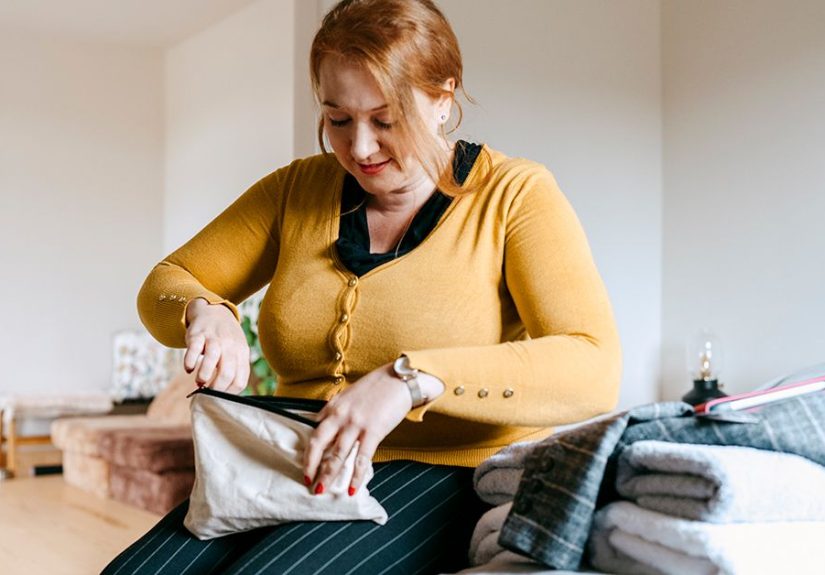
- A small clean pouch to keep supplies sanitary
Some people also use wet-wrap therapy during severe flares, but this should usually be done with guidance from a healthcare professional, especially when prescription medication is involved. Wet wrapping can help calm severe inflammation, but it must be done correctly to avoid problems such as irritation, overuse of medication, or infection risk.
When Bandages Are Not Enough
Bandages can protect the skin, but they are not a substitute for medical care. A person should contact a healthcare provider if eczema is not improving, symptoms are worsening, pain increases, redness spreads, the skin feels hot, pus appears, fever develops, or signs of infection show up. Severe eczema deserves real treatment, not just heroic moisturizing and crossed fingers.
How to Build a Simple Severe Eczema Bag Kit
A good eczema kit should be practical, not overwhelming. The best version is one that fits into real life. A student may need a pencil-case-sized kit. A parent may need duplicates in a diaper bag. A commuter may want a small pouch that can move from work bag to weekend bag.
A Basic Eczema Bag Checklist
- Travel-size fragrance-free moisturizer
- Gentle fragrance-free hand cleanser
- Bandages or sterile gauze
- Hypoallergenic tape
- Stress tool or fidget item
- Cotton gloves if hand scratching is common
- List of medications or dermatologist instructions
People using prescription creams should ask their healthcare provider how and when to carry or apply them. Some medications have specific instructions, and more is not always better. With eczema, the goal is consistent care, not panic-applying every product in the bag like frosting on a cupcake.
Common Triggers to Prepare For
Not every person with eczema has the same triggers. Still, some common troublemakers include fragrance, harsh soaps, sweat, heat, cold dry air, stress, wool or rough fabrics, dust mites, pollen, pet dander, cleaning products, and sudden temperature changes. Knowing personal triggers makes an eczema bag much more effective.
For example, someone triggered by sweat may carry a soft cloth to gently pat skin dry and apply moisturizer afterward. Someone triggered by cold air may use ointment before going outside. Someone triggered by fragrance may avoid scented lotions, perfumes, and heavily scented environments when possible.
What Not to Put in an Eczema Bag
An eczema bag should be gentle. Avoid products that are likely to irritate sensitive skin, such as heavily fragranced lotions, essential oil blends, exfoliating scrubs, alcohol-heavy products used too often, and mystery creams from the back of the internet. “Natural” does not always mean eczema-safe. Poison ivy is natural too, and nobody invites it to brunch.
It is also wise to avoid sharing creams or dipping unwashed fingers into jars. Tubes or pumps are often cleaner for travel. If using a small refillable container, wash and dry it thoroughly before refilling.
Experience-Based Tips: What It Feels Like to Carry Eczema Essentials Every Day
Living with severe eczema often teaches people to become experts in preparation. The bag becomes part first-aid kit, part comfort blanket, part “I refuse to let my skin ruin this day” toolkit. At first, carrying extra items may feel annoying. Nobody dreams of becoming emotionally attached to a tube of ointment. But over time, the kit can bring a sense of control.
One common experience is learning that timing matters. Moisturizer works best when used before the skin becomes painfully dry. Many people with severe eczema discover that waiting until the itch becomes unbearable is like waiting until your phone battery is at 1% before looking for a charger. Reapplying moisturizer after handwashing, before outdoor exposure, or when skin first feels tight can prevent bigger discomfort later.
Another experience is the public soap problem. Many people with eczema can identify harsh soap almost instantly. The smell may be strong, the foam may feel aggressive, and the skin may feel squeaky-clean in the worst possible way. Carrying a gentle cleanser can reduce that uncertainty. Even when using public soap is unavoidable, having moisturizer nearby helps repair some of the dryness quickly.
Bandages can also provide emotional relief. Covering a cracked spot may reduce pain, but it also reduces the constant awareness of that spot. A bandaged finger, for example, is less likely to snag on fabric or reopen while typing. For students or workers, this can make concentration easier. Instead of spending the day negotiating with an itchy patch, the person can focus on class, work, errands, or simply existing without a skin crisis stealing the spotlight.
Stress tools may seem small, but they can be surprisingly powerful. People with eczema often scratch without realizing it, especially during exams, deadlines, arguments, long commutes, or boring waiting rooms. A fidget item gives the hands a different job. It does not erase the itch, but it can create a pause. That pause is sometimes enough to choose moisturizer, a cool compress later, or a breathing exercise instead of scratching until the skin hurts.
Many people also learn the value of duplicates. One moisturizer in the bathroom is good. One in the bag is better. One in the bag, one near the bed, and one at work or school can feel like elite-level eczema planning. This does not mean buying every product on the shelf. It means choosing a few reliable products and placing them where they are actually needed.
There is also a confidence factor. Severe eczema can feel embarrassing, especially when patches are visible or people ask questions. Having supplies nearby can reduce anxiety. If a flare starts, the person does not have to simply endure it. They have options. They can moisturize, cover a crack, switch away from harsh soap, or use a calming tool. Small actions can make the day feel less controlled by the condition.
Perhaps the biggest lesson is that an eczema bag is personal. One person may need thick ointment and cotton gloves. Another may need gauze and a trigger journal. Someone else may prioritize hand cleanser because workplace soap is their main enemy. The best kit is not the fanciest one. It is the one that fits the person’s skin, schedule, triggers, and treatment plan.
Conclusion
People with severe eczema carry certain items because experience has taught them that skin emergencies rarely check the calendar. A fragrance-free moisturizer helps protect the skin barrier. Stress-relief tools can reduce scratching and calm the itch-stress cycle. Gentle hand cleanser helps avoid harsh public soaps. Bandages or protective wraps shield cracked or irritated skin from friction and scratching.
These four items are simple, affordable, and practical. They do not replace a dermatologist’s care, but they can make daily life with severe eczema more manageable. Think of them as a small survival kit for sensitive skin: not dramatic, not bulky, but extremely useful when your skin decides to act like it has a personal vendetta against Tuesdays.