Table of Contents >> Show >> Hide
- What Are Cataracts in Dogs?
- Common Signs of Cataracts in Dogs
- 1. Get a Veterinary Diagnosis Early
- 2. Consider Cataract Surgery When Your Dog Is a Candidate
- 3. Manage Inflammation, Pain, and Eye Health
- 4. Make Your Home Easier for a Dog with Vision Loss
- How to Support a Blind or Nearly Blind Dog Emotionally
- Nutrition and Supplements: What Helps and What Does Not
- When to See a Veterinary Ophthalmologist
- Real-Life Experience: Living with a Dog with Cataracts
- Conclusion
A dog with cataracts can still live a happy, tail-wagging, treat-detecting life. Yes, even if your pup starts bumping into the coffee table like it moved there on purpose. Cataracts in dogs can be scary for pet parents because they affect one of the senses we rely on most: vision. But dogs are wonderfully adaptable little problem-solvers. With the right veterinary care, a safer home, and a few simple habits, you can help your dog stay comfortable, confident, and very much in charge of snack surveillance.
Cataracts happen when the normally clear lens inside a dog’s eye becomes cloudy. That cloudiness blocks or scatters light before it reaches the retina, leading to blurry vision, poor depth perception, or blindness. Cataracts can develop slowly or appear surprisingly fast, especially in diabetic dogs. The good news? You have options. The best plan depends on your dog’s age, overall health, eye health, cataract stage, and whether surgery is possible.
This guide explains four practical ways to help a dog with cataracts, from getting a proper diagnosis to making your home easier to navigate. Think of it as a care map for your four-legged friendminus the confusing medical maze and with extra belly-rub energy.
What Are Cataracts in Dogs?
A cataract is an opacity, or cloudy area, in the lens of the eye. The lens sits behind the iris and pupil and helps focus light so your dog can see clearly. When the lens becomes cloudy, vision may look like the world is being viewed through foggy bathroom glass. Small cataracts may cause only mild vision changes, while mature cataracts can block vision almost completely.
Cataracts are not the same as nuclear sclerosis, a common age-related change that gives older dogs’ eyes a bluish-gray haze. Nuclear sclerosis usually does not cause major blindness. Cataracts, however, can significantly interfere with vision and may trigger inflammation or other painful eye problems. Since these conditions can look similar from the outside, guessing at home is risky. Your veterinarian or a veterinary ophthalmologist can tell the difference.
Common Signs of Cataracts in Dogs
Some cataracts are obvious. Others are sneaky little clouds that show up before your dog acts visually impaired. Watch for signs such as:
- Cloudy, white, blue, or gray appearance in one or both eyes
- Bumping into furniture, door frames, or people’s legs
- Hesitating on stairs, curbs, or unfamiliar surfaces
- Difficulty finding toys or treats unless they smell them first
- Startling easily when approached from the side
- Reluctance to go outside at night or in dim rooms
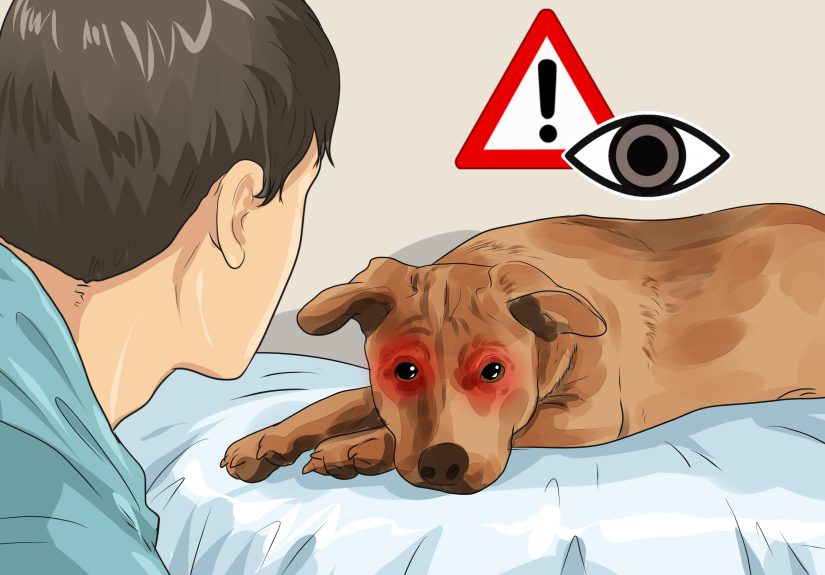
- Redness, squinting, tearing, pawing at the eye, or light sensitivity
Pain signs matter. A cataract itself may not always hurt, but inflammation, glaucoma, or lens problems can be painful. If your dog is squinting, rubbing the eye, acting lethargic, avoiding food, or suddenly seems distressed, contact a veterinarian promptly.
1. Get a Veterinary Diagnosis Early
The first and most important way to help a dog with cataracts is to stop playing “Dr. Google in the kitchen” and book a veterinary exam. Cataracts can look similar to other eye changes, and the treatment plan depends on what is actually happening inside the eye.
Why early diagnosis matters
Early diagnosis gives your dog more options. Cataracts can progress, and chronic cataracts may cause inflammation inside the eye. Over time, complications such as lens-induced uveitis, glaucoma, or lens luxation may develop. These problems can make the eye uncomfortable or even threaten the eye itself.
A veterinarian may perform a physical exam, eye pressure test, tear evaluation, light response check, and close inspection of the eye. If cataract surgery is being considered, your dog may need referral to a veterinary ophthalmologist. Specialists may use advanced tests such as electroretinography to check retinal function and ocular ultrasound to evaluate structures behind the cloudy lens.
Ask about diabetes testing
Diabetes is a major cause of cataracts in dogs. In some diabetic dogs, cataracts can appear quickly and progress to blindness in a short time. If your dog is drinking more water, urinating more often, losing weight despite eating, or suddenly developing cloudy eyes, ask your vet about blood glucose and urine testing.
Controlling diabetes does not usually reverse cataracts that already exist, but it can improve overall health and may make surgery safer if your dog is a candidate. Stable blood sugar also helps your dog feel better from nose to tail, which is not a small detail when your patient also believes socks are a food group.
2. Consider Cataract Surgery When Your Dog Is a Candidate
Cataract surgery is the only proven treatment that can restore vision lost because of cataracts. Eye drops, supplements, and miracle internet potions do not reliably dissolve cataracts. If a product promises to “melt away” your dog’s cataracts while you sit on the couch, your wallet should probably back away slowly.
How cataract surgery works
Dog cataract surgery is usually performed by a veterinary ophthalmologist. The most common technique is phacoemulsification. During this procedure, the cloudy lens is broken up and removed through a tiny incision. In many cases, an artificial intraocular lens is placed to help focus images more clearly.
Surgery may be done on one eye or both eyes, depending on your dog’s condition. Many dogs experience a major improvement in functional vision after successful surgery. They may move around more confidently, navigate stairs better, and return to favorite activities like fetching toys, following family members, or giving the squirrel in the yard a stern performance review.
Not every dog is a surgical candidate
Cataract surgery can be life-changing, but it is not right for every dog. Your veterinarian will consider your dog’s general health, age, diabetes control, retinal function, eye pressure, inflammation level, and ability to tolerate anesthesia and aftercare. Dogs with severe retinal disease, uncontrolled inflammation, or certain health problems may not be good candidates.
Cost and aftercare are also important. Cataract surgery requires commitment. After surgery, many dogs need multiple eye medications each day, an Elizabethan collar, restricted activity, and follow-up visits. Some pet parents discover that giving eye drops to a wiggly terrier is basically a tiny rodeo. Still, with patience and a routine, many families manage it successfully.
Prepare before surgery
If surgery is recommended, follow all preoperative instructions carefully. Your dog may need blood work, diabetes monitoring, eye medications, or treatment for inflammation before the procedure. Good preparation reduces risk and gives your dog the best chance at a smooth recovery.
It helps to set up a recovery station before surgery day. Choose a quiet area with soft bedding, easy water access, and limited obstacles. Keep medications organized. Use a checklist if needed. The goal is to make recovery boringin the best possible way. For eye surgery, boring is beautiful.
3. Manage Inflammation, Pain, and Eye Health
If your dog is not a surgery candidate, or if surgery is delayed, your veterinarian may recommend medical management. This does not remove the cataract, but it can help protect comfort and reduce the risk of complications.
Use medications only as prescribed
Dogs with cataracts may develop inflammation inside the eye. Your veterinarian may prescribe anti-inflammatory eye drops or other medications to help manage that inflammation. Never use human eye drops, leftover pet medication, or “natural” eye treatments without veterinary approval. The wrong product can irritate the eye, worsen inflammation, or delay proper care.
Eye medications work best when used consistently. If your dog acts like the eye-drop bottle is a dragon, try turning treatment into a calm ritual. Use a happy voice, offer a treat afterward, and avoid chasing your dog around the house. Chasing turns medicine time into a sport, and your dog may become the league champion.
Watch for emergency warning signs
Call your veterinarian quickly if you notice sudden redness, squinting, eye swelling, cloudy cornea, excessive tearing, vomiting, appetite loss, or severe lethargy. These signs may suggest painful eye pressure, inflammation, injury, or another urgent issue.
Also seek care if your dog suddenly loses vision. Dogs can adapt to gradual vision loss, but rapid changes can be frightening and may signal a medical problem such as diabetic cataract progression, glaucoma, or retinal disease.
Protect the eyes from injury
Dogs with reduced vision may bump into objects more often. Keep sharp furniture edges padded, block access to thorny shrubs, and supervise outdoor play. Avoid letting your dog run off-leash in unfamiliar areas. A visually impaired dog may still have the confidence of an action hero, but that does not mean the picnic table moved out of the way.
Some dogs benefit from protective eyewear during outdoor adventures, especially if they are active, ride in open vehicles, or explore dusty areas. Ask your veterinarian whether protective dog goggles are appropriate for your pet.
4. Make Your Home Easier for a Dog with Vision Loss
Whether your dog is waiting for surgery, recovering from surgery, or living with permanent vision loss, home adjustments make a huge difference. Dogs rely heavily on scent, hearing, memory, and routine. When you support those strengths, your dog can move through life with surprising confidence.
Keep the layout consistent
Try not to rearrange furniture. Your dog builds a mental map of the house. Moving the couch, laundry basket, or floor lamp may turn a familiar room into an obstacle course. If you must move furniture, guide your dog around the new layout several times.
Keep food and water bowls in the same place. Put beds in predictable spots. Use baby gates near stairs until your dog learns safe routes. Add non-slip rugs or runners on slick floors to improve traction and confidence.
Use sound and scent cues
Sound cues can help a dog with cataracts navigate. Talk before touching your dog so they are not startled. Use consistent verbal cues such as “step,” “careful,” “left,” “right,” and “stop.” You do not need to sound like an airport traffic controller; simple, repeated words are enough.
Scent cues can also help. Some owners place lightly scented markers near important locations, such as the back door or dog bed. Keep scents mild and pet-safe. Strong essential oils can irritate pets and should not be used casually around dogs.
Maintain exercise and enrichment
Vision loss does not mean your dog should retire to the couch full-time, although your dog may strongly support that policy. Exercise remains important for weight control, joint health, mental stimulation, and mood.
Choose safe activities. Use a leash on walks. Pick familiar routes. Play scent-based games, food puzzles, gentle tug, and “find it” with treats. Dogs with cataracts often love nose-work games because scent becomes their superpower. A dog who cannot see a biscuit under a towel may still detect it with the precision of a tiny snack detective.
How to Support a Blind or Nearly Blind Dog Emotionally
Dogs respond to our energy. If you panic every time your dog bumps a chair, your dog may become anxious too. Stay calm, cheerful, and practical. Praise brave exploration. Offer help without hovering. Your dog does not need pity; your dog needs guidance, safety, and maybe a crunchy treat for morale.
Keep routines steady. Feed, walk, and medicate your dog at predictable times. Familiar schedules help visually impaired dogs feel secure. If your dog seems anxious, speak with your veterinarian. Pain, confusion, or sudden sensory change can affect behavior, and there may be ways to help.
Nutrition and Supplements: What Helps and What Does Not
A balanced diet supports overall health, including eye health, but food cannot reverse established cataracts. Antioxidants, omega-3 fatty acids, and high-quality nutrition may support general wellness, yet they should not replace veterinary diagnosis or treatment.
Be cautious with supplements marketed as cataract cures. Some products make bold claims without strong evidence. Before giving any supplement, especially if your dog has diabetes, kidney disease, liver disease, or takes medication, ask your veterinarian. “Natural” does not automatically mean safe. Arsenic is natural too, and nobody wants that in the treat jar.
When to See a Veterinary Ophthalmologist
Your regular veterinarian is the best starting point, but a veterinary ophthalmologist may be recommended if your dog has significant cataracts, rapid vision loss, eye inflammation, glaucoma risk, diabetes-related cataracts, or possible surgical needs.
A specialist can evaluate whether surgery is appropriate, explain expected outcomes, and create a plan for long-term eye comfort. Even if surgery is not chosen, a specialist can help manage complications and preserve quality of life.
Real-Life Experience: Living with a Dog with Cataracts
Helping a dog with cataracts is not only a medical journey. It is also a household journey, a patience journey, and occasionally a “why is there a dog bed in the hallway?” journey. Many pet parents discover that small adjustments matter more than grand heroic gestures.
Imagine a senior beagle named Daisy. Daisy used to sprint to the kitchen the second cheese appeared. Then her family noticed she hesitated at the doorway and bumped into the trash can. At first, they thought she was being dramatic. To be fair, Daisy was a beagle, and beagles have been known to file emotional complaints when dinner is twelve seconds late. But her cloudy eyes and new clumsiness led to a veterinary visit. The diagnosis: cataracts.
Daisy’s family started by keeping the furniture exactly where it was. No surprise ottomans. No rogue laundry baskets. They placed non-slip runners on slick floors and blocked the stairs with a baby gate. They also began using words like “step,” “wait,” and “easy” during walks. Within a few weeks, Daisy moved with more confidence. She still bumped things occasionally, but she bounced back quickly because the house became predictable.
Medication time was another learning curve. Daisy did not appreciate eye drops. Her first review was zero stars, no notes. Her family learned to give drops after a short walk when she was calmer. One person gently held her chin, another placed the drops, and then Daisy received a small treat. Soon she accepted the routine because she understood the most important part: snacks happen afterward.
For another dog, a young diabetic schnauzer named Max, cataracts developed quickly. His owner noticed that Max suddenly missed toys and hesitated outside at dusk. Because the family acted fast, the veterinarian checked his diabetes control and referred him to an ophthalmologist. Max was a surgical candidate. After surgery and careful follow-up care, he regained useful vision. The recovery period required eye drops, a cone, and a lot of patience, but his family said the moment he confidently chased his favorite squeaky ball again was worth every alarm reminder on their phones.
Not every story includes surgery, and that is okay. Some dogs cannot have surgery because of age, health, retinal disease, finances, or other concerns. Those dogs can still have excellent lives. Blind dogs memorize routes, follow voices, use scent trails, and lean into routine. They may need help with stairs, new places, and sudden obstacles, but they do not sit around thinking, “My life is over.” Dogs are far more practical than humans. They think, “Where is my person? Where is my bed? Where is the chicken?”
The biggest experience-based lesson is this: confidence grows from consistency. Keep the home layout stable. Use calm voice cues. Reward exploration. Protect the eyes. Keep veterinary appointments. Most of all, treat your dog like the capable companion they still are. Cataracts may change how your dog sees the world, but they do not change your dog’s need for love, play, comfort, and the occasional suspiciously well-timed piece of turkey.
Conclusion
Helping a dog with cataracts starts with a proper veterinary diagnosis and continues with a care plan tailored to your dog’s eyes, health, and lifestyle. Cataract surgery may restore vision for good candidates, while medical management can help control inflammation and discomfort when surgery is not possible. At home, simple changesstable furniture, non-slip flooring, verbal cues, scent games, and safe routinescan help your dog move through life with confidence.
Cataracts can feel overwhelming at first, but your dog is not counting perfect eyesight as the only path to happiness. Dogs measure life in smells, voices, routines, naps, walks, and people they trust. With veterinary care and a little home creativity, a dog with cataracts can still enjoy a full, active, wonderfully dog-like life.