Table of Contents >> Show >> Hide
- What We Mean by “Open Floor Plan” (and Why It Became a Big Deal)
- So Why Are People Suddenly Side-Eyeing Open Concept Homes?
- Are Open Floor Plans Actually “Over,” or Just Evolving?
- The Big Winner: “Broken Plan” (aka Open Concept with Boundaries)
- How to Tell If an Open Floor Plan Is Right for You
- How to Make an Open Floor Plan Feel Calm (Not Chaotic)
- What This Means for Resale Value (and Buyer Appeal)
- Design Examples: The New “Not Too Open” Open Plan
- of Real-World “Experience”: What Living in Open Plans Actually Feels Like
- Conclusion: So, Are Open Floor Plans Over?
Open floor plans had a long, glorious run. They strutted into our lives like the cool kid who “doesn’t do labels,” knocked down a few walls, and declared: “We’re all hanging out together now.” And for years, we loved itlight everywhere, sightlines for days, and enough room for a kitchen island big enough to qualify as a small nation.
But lately, the vibe has shifted. People are asking awkward questions like, “Why can I hear the blender from three ZIP codes away?” and “Is it normal for my entire house to smell like salmon for two business days?” So… are open floor plans over?
The short version: open floor plans aren’t dead. They’re just getting a makeoverless “one giant everything-room,” more “connected, but with boundaries and better acoustics.” Think of it as the open concept entering its “I need my space” era.
What We Mean by “Open Floor Plan” (and Why It Became a Big Deal)
An open floor plan usually means the kitchen, dining area, and living room share one large, continuous spaceoften called a “great room.” Fewer interior walls create a sense of flow, brighter interiors, and easier entertaining.
This layout exploded in popularity for some very practical reasons:
- Natural light: fewer walls = fewer dark corners.
- Social cooking: the cook isn’t exiled to a separate room like it’s 1952.
- Flexibility: furniture “zones” can shift as your life changes.
- Perceived space: especially helpful in modest square footage.
Builders loved open plans, too. One big space can simplify some aspects of design and make homes feel larger in listings and showings. And buyers loved walking into a bright, airy space that says, “You could host Thanksgiving here,” even if they’ve never hosted so much as a mildly organized brunch.
So Why Are People Suddenly Side-Eyeing Open Concept Homes?
If open plans are so great, why the backlash? Because real life happened. Specifically, the kind of real life that includes remote work, online school, multi-generational living, and the realization that sound carries in an open space like it’s training for the Olympics.
1) Privacy Isn’t a Luxury Anymore
The pandemic-era shift to working and learning from home made one thing painfully clear: sometimes you need a door. Not a decorative barn door with gaps. A real door that closes, preferably with a handle you can turn while whispering, “Not now.”
Open layouts can make it difficult to take calls, focus, or simply exist without being part of a household group project. That’s why demand has grown for dedicated home offices, quiet nooks, and flex rooms that can become study spaces, studios, or “please let me finish this email” zones.
2) Noise Is the Uninvited Roommate
In an open plan, noise doesn’t stay in the kitchen. The dishwasher hum becomes the soundtrack to your entire evening. The espresso grinder announces itself like a foghorn. And if you have kids, the living room can become a percussion section.
People often describe open-concept living as energizinguntil they try to relax while someone else is meal-prepping, watching sports, and practicing guitar… all in the same shared airspace.
3) Smells Travel. Forever.
Open kitchens are gorgeous. They’re also honest. Every aromagood, bad, and “what is that?”moves freely through the house. If you love cooking, you may not mind. If you dislike your sofa smelling like last night’s stir-fry, you may start daydreaming about a wall.
4) The “Everything Zone” Gets Messy Fast
Open plans can blur the line between “lived-in” and “why is there a Lego in my salad?” When the kitchen, dining, and living areas are visually connected, clutter becomes a group activity. A single messy countertop can make the whole space feel chaotic.
That’s one reason designers and homeowners have been embracing hidden storage, walk-in pantries, sculleries, and “messy kitchens”secondary prep zones where you can keep the main space clean enough to feel calm.
Are Open Floor Plans Actually “Over,” or Just Evolving?
Here’s the nuance: open floor plans are still popular, especially for entertaining and for homes that have enough square footage to create separate “zones” inside the openness. What’s changing is the default assumption that everyone wants one giant shared room all the time.
Recent industry conversations point toward a middle path: layouts that preserve flow and light while reintroducing privacy, acoustics, and purpose. Some homeowners still want an open-concept kitchen and living roomjust not at the expense of every other need.
Open Works Best When Space Allows for Zones
In larger homes, open plans can feel organized because you can create distinct areaskitchen here, living there, dining over therewithout everything overlapping. In smaller homes, a fully open concept can feel like you’re living inside a multitool.
Closed Rooms Are Not “Outdated” When They’re Designed Well
A closed floor plan doesn’t have to mean dark, cramped, or chopped up. With smart sightlines, larger doorways, glass, and thoughtful lighting, you can have separate rooms that still feel bright and connected. In other words: walls, but make it modern.
The Big Winner: “Broken Plan” (aka Open Concept with Boundaries)
If open plans and closed plans had a baby, it would be called the broken floor plan (also called “broken concept”). This approach keeps an open feeling while using subtle dividers to define spaces.
Instead of one massive room, you get a series of connected zones. The magic trick is that you can still see light and movementbut you’re not forced to hear every spoon clink like it’s your job.
How People Create a Broken-Concept Layout
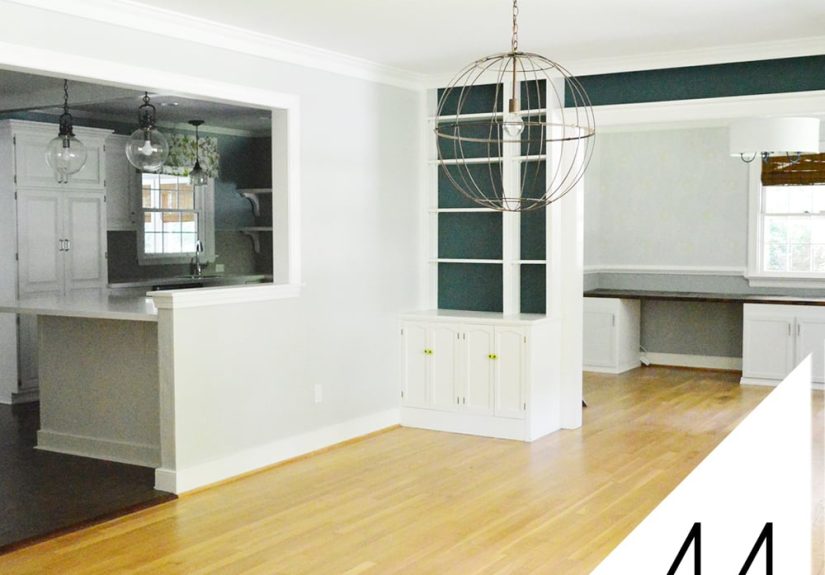
- Partial walls: half walls, pony walls, or built-ins that stop sightlines just enough.
- Glass partitions: separation without sacrificing light.
- Archways and cased openings: rooms feel defined, not boxed in.
- Ceiling changes: different heights or beams to signal zones.
- Level changes: sunken living rooms or a step-up dining area (when safe and appropriate).
- Strategic storage: bookcases, cabinetry, or even a double-sided fireplace as a divider.
The broken plan is especially popular for modern families because it supports real life: conversation and connection when you want it, separation when you need it.
How to Tell If an Open Floor Plan Is Right for You
Trends are fun to watch, but your home isn’t a runway. It’s where you live, work, argue about thermostat settings, and wonder who left a wet towel on the bed. So the better question is: what do you need your layout to do?
Choose Open Concept if You…
- love hosting and want guests to flow between the kitchen and living area
- have a household that thrives on togetherness (or at least tolerates it)
- need light and openness to make the home feel larger
- are willing to invest in storage, organization, and sound control
Choose More Defined Spaces if You…
- work from home and take frequent calls
- have different schedules (early risers vs. night owls)
- cook a lot and don’t want smells everywhere
- crave cozy rooms that feel calm, not cavernous
How to Make an Open Floor Plan Feel Calm (Not Chaotic)
If you already have an open concept home (or still want one), you don’t need to panic-buy drywall. You can dramatically improve how open living feels with a few intentional choices.
1) Create Zones Like You Mean It
Treat the open space as multiple rooms that happen to be connected. Use area rugs, lighting, and furniture placement to define boundaries. A living room without a “back” (like a sofa facing away from the kitchen) often feels like floating furniture in an aircraft hangar.
2) Layer Lighting (One Ceiling Light Won’t Save You)
Use a mix of overhead, task, and ambient lighting. Pendants over the island, a dining fixture, lamps in the living areaeach zone should have its own lighting identity. This improves both function and mood (and makes the space feel intentional rather than accidental).
3) Build in “Mess Management”
Open plans look best when they’re tidy, which is unfair, because life is not tidy. Make it easier on yourself:
- add closed storage near the entry (mudroom-style solutions)
- use a pantry or scullery to hide appliances and prep mess
- choose furniture with storage (ottomans, console cabinets, built-ins)
4) Take Acoustics Seriously
Sound control isn’t just for recording studios and people who own gongs. Add soft surfaces: rugs, drapes, upholstered furniture, even acoustic wall panels that look like art. If you’re renovating, consider partial walls or glass to reduce noise without killing the light.
5) Upgrade Ventilation
If your kitchen is open to everything, invest in a quality range hood and proper ventilation. It’s not glamorous, but neither is your living room smelling like onions at 9 a.m.
What This Means for Resale Value (and Buyer Appeal)
Real estate is local, but one pattern is consistent: buyers want layouts that fit modern life. Open-concept homes can still sell very well, especially when the space is well-zoned and includes at least one or two private rooms beyond bedroomslike an office, den, or flex space.
If you’re renovating for resale, consider your market:
- Warm-climate, outdoor-living markets: open great rooms connected to patios can be highly desirable.
- Family-heavy suburbs: flex rooms, homework zones, and doors that close often matter more than maximal openness.
- Smaller homes/condos: buyers may appreciate defined spaces that prevent the home from feeling like one long hallway of noise.
The smartest resale move is rarely “open everything.” It’s “make the layout feel functional.” And functionality today often means a balance of connection and separationespecially with remote work and busier at-home schedules.
Design Examples: The New “Not Too Open” Open Plan
If you want a modern layout without turning your home into an echo chamber, here are a few practical, specific approaches designers are using right now:
Example A: The Glass-Wall Office
A small office near the main living space, separated by glass doors. You keep sightlines and light, but gain sound control and a professional Zoom backdrop that doesn’t feature someone making cereal in the background.
Example B: The Kitchen That’s “Open-ish”
The kitchen connects to the living space, but a tall island, a partial wall, or a bank of cabinetry creates a psychological (and visual) boundary. Bonus points if there’s a walk-in pantry or prep zone to hide the small appliances and chaos.
Example C: The Cozy Living Room Off the Great Room
You still have a great room for everyday life, but a smaller, separate living room or den offers a quiet retreat. Think: reading room, movie room, or “I’m going to be alone for 20 minutes” room.
of Real-World “Experience”: What Living in Open Plans Actually Feels Like
Let’s talk about the part no one includes in glossy listing photos: how an open floor plan behaves on a random Tuesday. Not a holiday party Tuesdayjust a regular, slightly chaotic Tuesday where someone needs a snack, someone needs silence, and someone is running the blender like it owes them money.
Experience #1: The Work-From-Home Reality Check. Many households discovered that “open concept” and “professional video calls” are not always best friends. Picture a couple sharing a home: one has meetings all day, the other likes background music, and the dog believes the mail carrier is a criminal mastermind. In an open plan, there’s nowhere for sound to go except directly into your microphone. That’s why people increasingly create a dedicated office, convert a closet into a “cloffice,” or add doorseven glass onesto carve out a quiet zone without losing light.
Experience #2: The Kitchen as Command Center (and Stress Test). Open kitchens can be wonderful because they let the cook stay connected. But they also make the kitchen the visual centerpiece of your home. That means every dish, every half-finished lunch, and every rogue pile of mail is now part of the decor. In real life, this pushes homeowners toward smarter storage, bigger pantries, and secondary prep areas. The goal isn’t perfection; it’s reducing the “everything is on display” pressure that open plans can create.
Experience #3: Kids + Open Space = Constant Motion. Families often love open plans for supervisionbeing able to see homework at the table while cooking dinner is genuinely helpful. The flip side is that open plans concentrate activity. When one child is practicing piano and another is building a “totally safe” couch fort, everyone is participating, whether they signed up or not. This is where the broken plan shines: you keep visibility, but add separation with partial walls, built-ins, or a cozy den that can absorb sound and energy.
Experience #4: Entertaining Is Easier… Until It Isn’t. Open layouts make gatherings feel lively. People drift between the island, the sofa, and the snack table like it’s a well-designed ecosystem. But open plans also mean that hosting mess is highly visible. If you enjoy entertaining but don’t enjoy feeling like you’re living inside the party cleanup, you’ll probably appreciate a butler’s pantry, a scullery, or at least a strategic place to hide the chaos when the doorbell rings.
Experience #5: The Coziness Factor. A big open room can feel bright and energetic, but not always cozyespecially in the evening. People often describe wanting “nooks,” “snug rooms,” or “a place to unwind.” That doesn’t mean you need a fully closed floor plan. Sometimes it’s as simple as creating a smaller seating area with lighting, rugs, and furniture that forms a defined boundary. The emotional experience matters: homes feel better when they offer both togetherness and retreat.
Bottom line from lived experience (and the collective wisdom of many homeowners): open floor plans work best when they’re designed for the way you actually live, not the way a catalog suggests you might live if you owned only three bowls and never received a single package.
Conclusion: So, Are Open Floor Plans Over?
Open floor plans aren’t overthey’re growing up. The era of “tear down every wall and hope for the best” is fading, replaced by smarter layouts that blend openness with privacy, sound control, storage, and purpose.
If you love open concept living, you can absolutely keep itjust give it structure: define zones, manage clutter, soften acoustics, and improve ventilation. If you crave separation, you’re not “behind the times.” You’re responding to how people actually live now: working at home, seeking calm, and wanting rooms that do specific jobs.
The winner is balance. The future isn’t “open” or “closed.” It’s intentionala home that can host a party on Saturday and still let someone take a quiet call on Monday without hearing a blender audition for a rock band.