Table of Contents >> Show >> Hide
- What Is Basil?
- 1. Basil Provides Antioxidants That Help Protect Cells
- 2. Basil May Support a Healthy Inflammatory Response
- 3. Basil Can Support Heart-Friendly Eating
- 4. Basil Provides Nutrients for Bones, Blood Clotting, and Immunity
- 5. Basil May Support Digestive Comfort and Food Enjoyment
- How to Add More Basil to Your Diet
- Fresh Basil vs. Holy Basil: What Is the Difference?
- Safety Tips: How to Buy, Wash, and Store Basil
- Experience Section: Everyday Lessons From Using Basil for Better Meals
- Conclusion
Fresh basil is the little green overachiever of the herb world. It sits quietly on pizza, brightens tomato sauce, upgrades lemonade, and somehow makes a simple bowl of pasta feel like it came with mood lighting and a tiny Italian accordion. But basil is more than a pretty garnish. This fragrant member of the mint family contains plant compounds, antioxidants, essential oils, vitamins, and minerals that may support overall wellness when it is used as part of a balanced diet.
Before we crown basil king of the salad bowl, let’s keep things realistic. A few leaves of basil will not erase a weekend of drive-thru decisions, and basil pesto is not a medical treatment just because it is green. Still, research on sweet basil, holy basil, and related basil varieties suggests that this herb may help protect cells from oxidative stress, support a healthy inflammatory response, contribute nutrients for bones and immunity, and make meals more heart-friendly by adding flavor without extra sodium.
In this guide, we will look at five health benefits of basil, how to use it, what makes it special, and when to be a little cautious. Consider it a friendly tour through the science, the kitchen, and the “why does this smell so good?” section of your grocery store.
What Is Basil?
Basil, commonly known as sweet basil or Ocimum basilicum, is a leafy herb used in Mediterranean, Thai, Vietnamese, Indian, and many other cuisines. The familiar sweet basil used in pesto has a soft, peppery, slightly clove-like flavor. Thai basil leans more licorice-like. Holy basil, also called tulsi, is a related plant often used in teas and traditional wellness practices. These varieties are cousins, not identical twins, so their taste and research profiles differ.
Nutritionally, basil is low in calories but surprisingly rich in certain micronutrients for such a small leaf. Fresh basil provides vitamin K, small amounts of vitamin A compounds such as beta-carotene, manganese, magnesium, calcium, iron, and vitamin C. It also contains plant chemicals such as eugenol, rosmarinic acid, linalool, flavonoids, and other polyphenols. These compounds help explain why basil has attracted interest from nutrition researchers and herbal medicine experts.
The best part? Basil does not demand a complicated wellness ritual. You can tear it over soup, blend it into pesto, stir it into eggs, add it to fruit salad, or tuck it into a sandwich. It is health support with almost no drama, unless you forget it in the refrigerator and it turns into a sad black leaf sculpture.
1. Basil Provides Antioxidants That Help Protect Cells
One of the most talked-about basil health benefits is its antioxidant content. Antioxidants help neutralize free radicals, unstable molecules that can contribute to oxidative stress. Over time, oxidative stress is linked with aging and the development of several chronic health problems. This does not mean basil is a magic shield, but it does mean that adding antioxidant-rich foods and herbs to your diet is a smart long-term habit.
Basil contains several antioxidant compounds, including rosmarinic acid, eugenol, flavonoids, and other phenolic compounds. Purple basil varieties may also contain anthocyanins, the same family of pigments found in foods like blueberries and purple cabbage. These compounds help plants defend themselves from environmental stress, and when we eat plants, we may receive some of those protective benefits.
Why Antioxidants Matter
Think of free radicals like tiny sparks. Your body naturally produces them during normal metabolism, exercise, pollution exposure, stress, and even immune activity. Antioxidants are part of the cleanup crew that helps keep those sparks from damaging cells. Basil is not the entire fire department, but it can be one cheerful volunteer with a very fragrant hose.
For everyday eating, the goal is variety. Basil works beautifully with other antioxidant-rich foods such as tomatoes, olive oil, leafy greens, berries, beans, garlic, and citrus. A caprese salad, for example, gives you basil, tomatoes, and olive oil in one simple dish. It tastes like summer and quietly delivers a mix of protective plant compounds.
2. Basil May Support a Healthy Inflammatory Response
Inflammation is not always bad. It is part of the body’s natural defense system. When you scrape your knee or fight an infection, inflammation helps with healing. The problem is chronic, low-grade inflammation, which may be associated with heart disease, arthritis, metabolic issues, and other long-term conditions.
Basil contains compounds that have shown anti-inflammatory potential in laboratory and preclinical studies. Eugenol, one of basil’s aromatic compounds, has been studied for its ability to influence inflammatory pathways. Rosmarinic acid and other polyphenols in basil may also play a role in calming oxidative and inflammatory stress.
That said, most basil research uses concentrated extracts, essential oils, or specific preparations, not the exact amount you sprinkle on pasta. So the practical takeaway is not “eat basil instead of following medical advice.” It is “use basil as one flavorful part of an anti-inflammatory eating pattern.” That pattern usually includes vegetables, fruits, whole grains, legumes, nuts, seeds, fish or other lean proteins, and healthy fats.
Simple Anti-Inflammatory Ways to Use Basil
Add chopped basil to a tomato and white bean salad, blend it into a yogurt-based dressing, or toss it with roasted vegetables after cooking. Heat can reduce some delicate flavors, so adding fresh basil near the end of cooking often gives you the best taste. Your soup gets a spa day, and your taste buds get a standing ovation.
3. Basil Can Support Heart-Friendly Eating
Basil may help support heart health in several indirect but meaningful ways. First, it makes food taste better without relying heavily on salt. Many people consume more sodium than recommended, and consistently high sodium intake can contribute to high blood pressure in salt-sensitive individuals. Herbs like basil, oregano, thyme, rosemary, cilantro, and parsley can help make lower-sodium meals feel full of flavor instead of full of disappointment.
Second, basil fits naturally into heart-healthy meals. It pairs with olive oil, tomatoes, beans, lentils, fish, whole grains, and vegetables. These foods are common in Mediterranean-style eating patterns, which are widely associated with cardiovascular wellness. Basil is not doing the entire job, of course; it is more like the charming host that gets all the good ingredients talking to each other.
Third, early research on basil and holy basil suggests possible benefits related to blood sugar, cholesterol, and blood pressure. However, these findings are more promising than proven, especially for culinary basil in normal food amounts. Human studies are limited, and concentrated supplements can behave differently from fresh leaves.
Basil Instead of Extra Salt
If you are trying to reduce sodium, basil can be a practical tool. Try basil with lemon juice on grilled chicken, basil and garlic in mashed white beans, basil with strawberries and balsamic vinegar, or basil in a homemade tomato sauce. When herbs, acids, and aromatics work together, you can often use less salt without making dinner taste like cardboard wearing a cardigan.
4. Basil Provides Nutrients for Bones, Blood Clotting, and Immunity
Basil is especially known for vitamin K. Vitamin K is important for normal blood clotting and plays a role in bone metabolism. Fresh basil also contains small amounts of vitamin A compounds, vitamin C, calcium, magnesium, manganese, and iron. You would need more than a tiny garnish to make basil a major source of most nutrients, but it can still contribute to your overall intake.
Vitamin A supports vision, immune function, and healthy cells. Vitamin C supports immune defense and collagen formation. Minerals such as calcium, magnesium, and manganese are involved in bone health, energy metabolism, and enzyme function. In short, basil is small, but it is not nutritionally empty. It is the leaf equivalent of someone who shows up to a potluck with one small dish that everyone talks about.
A Note for People Taking Blood Thinners
Because basil contains vitamin K, people taking warfarin or similar blood-thinning medications should keep vitamin K intake consistent and talk with a healthcare professional before making major dietary changes. The concern is usually sudden, large changes in vitamin K intake rather than a normal sprinkle of basil on dinner. Still, consistency matters.
Pregnant people, people scheduled for surgery, people with bleeding disorders, and those taking diabetes, blood pressure, sedative, or anticoagulant medications should be cautious with basil supplements or holy basil extracts. Culinary amounts of basil are generally considered safe for most people, but concentrated oils and supplements are a different category.
5. Basil May Support Digestive Comfort and Food Enjoyment
Basil has a long history of use in traditional food cultures as a digestive herb. While modern human research is still limited, basil’s flavor and aroma may encourage lighter, fresher meals that are easier to enjoy. In practical terms, basil often helps people eat more vegetables, beans, soups, salads, and home-cooked dishes. That alone is a health win.
Basil’s essential oils and plant compounds have shown antimicrobial activity in laboratory studies, which is one reason basil has been studied in food science. This does not mean fresh basil disinfects your meal. You still need to wash herbs properly, store them safely, and avoid using spoiled leaves. But it does help explain why basil has been valued in traditional cooking and preservation practices.
Digestive comfort is also about how food feels. Heavy meals can become brighter with fresh herbs. A rich pasta dish tastes less flat with basil. A vegetable soup feels more complete. A grain bowl becomes more exciting. When healthy food tastes good, people are more likely to repeat it. That may be basil’s most underrated benefit: it helps nutritious food stop acting like homework.
Best Basil Pairings for Digestion-Friendly Meals
Try basil with tomatoes, zucchini, cucumber, lemon, ginger, mint, lentils, chickpeas, brown rice, eggs, fish, chicken, or tofu. For a quick lunch, combine cooked quinoa, cucumber, cherry tomatoes, chickpeas, basil, olive oil, lemon juice, and a pinch of black pepper. It is fresh, filling, and does not require a culinary degree or a dramatic apron.
How to Add More Basil to Your Diet
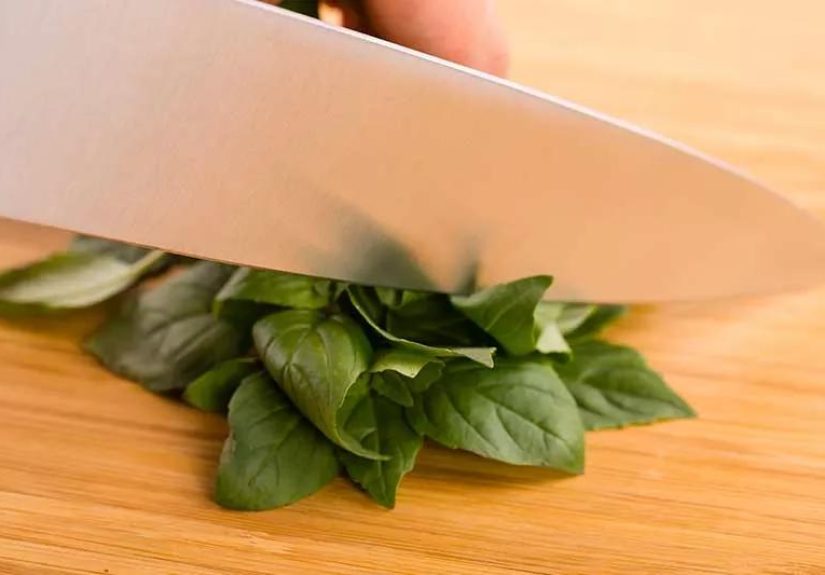
Basil is easy to use, but it has one strong opinion: it does not love rough treatment. Fresh basil bruises easily, so slice it gently or tear it by hand. Add it near the end of cooking to preserve aroma. If you have a large bunch, turn it into pesto, basil oil, chimichurri-style sauce, or freeze chopped basil in ice cube trays with olive oil.
- Breakfast: Add basil to scrambled eggs, avocado toast, or a tomato omelet.
- Lunch: Stir basil into grain bowls, chicken salad, bean salads, or wraps.
- Dinner: Use basil in pasta, soups, stir-fries, curries, or grilled vegetables.
- Snacks: Pair basil with watermelon, strawberries, mozzarella, or cucumber.
- Drinks: Muddle basil into lemonade, sparkling water, or iced tea.
Dried basil works too, especially in soups, sauces, and stews. It has a more muted flavor than fresh basil, so use it earlier in cooking and allow it time to bloom. A general kitchen rule is one tablespoon of fresh basil equals about one teaspoon of dried basil, though your taste buds get the final vote.
Fresh Basil vs. Holy Basil: What Is the Difference?
Sweet basil is the familiar culinary herb used in pesto, pasta, salads, and sauces. Holy basil, or tulsi, is more commonly used as tea, powder, capsule, or extract. Holy basil has been studied for stress, metabolic health, inflammation, and sleep-related outcomes, but supplement research is still developing. It is best to treat holy basil supplements with the same respect you would give any concentrated herbal product.
If your goal is everyday healthy cooking, fresh sweet basil is a simple choice. If your goal is a therapeutic effect from holy basil capsules or extracts, speak with a healthcare professional first, especially if you take medication or manage a chronic condition. Herbs can be gentle in the kitchen but powerful in concentrated form.
Safety Tips: How to Buy, Wash, and Store Basil
Choose basil with bright, perky leaves and no slimy spots. Avoid bunches with blackened, wet, or wilted leaves. At home, rinse basil gently under cool water and dry it well. Fresh herbs are often eaten raw, so food safety matters. Store basil loosely wrapped in a paper towel inside a bag, or place stems in a glass of water like a tiny bouquet. Keep it away from very cold refrigerator zones because basil can darken quickly.
Do not swallow basil essential oil unless a qualified healthcare professional specifically directs you. Essential oils are highly concentrated and are not the same as fresh leaves. More is not better. Sometimes more is just your liver calling customer support.
Experience Section: Everyday Lessons From Using Basil for Better Meals
One of the most useful experiences related to basil is discovering how quickly it changes the personality of a meal. A bowl of tomato soup without basil can be good. Add fresh basil, and suddenly it tastes deeper, brighter, and more complete. That matters because healthy eating often fails not from lack of knowledge, but from boredom. People know vegetables are good for them. The harder part is making vegetables exciting enough to eat again tomorrow.
Basil is excellent at solving that problem. In everyday cooking, it works like a flavor shortcut. A handful of basil can make a simple salad taste restaurant-level without adding heavy sauces. It can make leftovers feel new. Cold pasta with vegetables becomes a Mediterranean lunch. Leftover chicken becomes a basil-lemon wrap. Plain beans become a creamy, herby spread for toast. Basil gives healthy food a fresh finish, which encourages consistency. And consistency, not perfection, is where wellness usually happens.
Another practical lesson is that basil helps people reduce reliance on salt, sugar, and heavy condiments. When a meal tastes flat, many people reach for more salt. Sometimes the better answer is freshness. Basil, lemon juice, garlic, vinegar, black pepper, and olive oil can create enough flavor that you do not miss extra sodium. This is especially helpful for people trying to build heart-friendly habits without making dinner feel like punishment.
Basil also teaches the value of small upgrades. You do not need to overhaul your whole diet in one heroic Monday morning transformation. Start by adding basil to foods you already eat. Put it in sandwiches. Add it to eggs. Toss it with roasted vegetables. Blend it into a sauce. Use it with fruit. These small changes can make meals more colorful and satisfying, and they often lead naturally to more home cooking.
Growing basil at home can make the experience even better. A small pot on a sunny windowsill can provide leaves for weeks. Pinch from the top to encourage bushier growth, water when the soil feels dry, and do not panic if the plant acts dramatic in hot weather. Basil is a little diva, but a useful one. Having fresh herbs nearby makes it easier to choose them, and easier choices become habits.
The final experience is about balance. Basil is healthy, but it is not a cure-all. It works best as part of a pattern: more plants, more home-cooked meals, more flavor from herbs and spices, and less dependence on ultra-processed foods. When used that way, basil becomes more than decoration. It becomes a simple daily reminder that healthy food can smell amazing, taste exciting, and still be easy enough for a Tuesday night.
Conclusion
Basil may be small, but it brings a lot to the table. Its antioxidants may help protect cells from oxidative stress. Its plant compounds may support a healthy inflammatory response. Its flavor can make heart-friendly meals more enjoyable with less salt. Its vitamin K and other nutrients contribute to bone, blood clotting, and immune-supportive nutrition. And perhaps most importantly, basil helps healthy meals taste like something you actually want to eat.
The smartest way to use basil is simple: enjoy it often in normal culinary amounts, pair it with whole foods, and be cautious with concentrated supplements or essential oils. Add it to salads, soups, sauces, eggs, fish, beans, fruit, and grain bowls. Let it make your meals brighter, fresher, and more satisfying. Basil will not do your taxes or fold your laundry, but for a humble green leaf, it does a surprisingly impressive job.
Note: This article is for general informational purposes only and is not medical advice. People taking blood thinners or other prescription medications, those who are pregnant, and anyone considering basil or holy basil supplements should consult a qualified healthcare professional.