Table of Contents >> Show >> Hide
- 1. Build Meals With the Plate Method First
- 2. Choose Smarter Carbs, Not “No Carbs”
- 3. Let Fiber Do the Heavy Lifting
- 4. Pair Carbs With Protein and Healthy Fat
- 5. Rethink What You Drink
- 6. Use Food Labels Like a Superpower
- 7. Create a Routine You Can Actually Live With
- A Simple One-Day Diabetes-Friendly Menu
- Final Thoughts
- Real-Life Experiences With a Diabetes-Friendly Diet
A diabetes-friendly diet is not a punishment, a personality test, or a lifelong sentence to sad lettuce. It is a practical way of eating that helps support steadier blood sugar, better energy, and a healthier relationship with food. The goal is not to make every meal look like it was approved by a committee. The goal is to build meals that are balanced, satisfying, and realistic enough to survive a busy Tuesday, a family dinner, and that one moment when the office break room mysteriously fills with donuts.
If you live with diabetes or prediabetes, food choices matter because carbohydrates, portions, added sugars, and overall meal balance can influence blood glucose. But that does not mean you need a rigid menu or a “never again” list taped dramatically to the fridge. In fact, the best eating plan is usually the one you can repeat without feeling miserable. A sustainable approach works better than a short burst of perfection followed by a reunion with a giant bag of chips.
This guide breaks the topic into seven practical strategies you can actually use. Think of it as less “nutrition lecture,” more “smart system.”
1. Build Meals With the Plate Method First
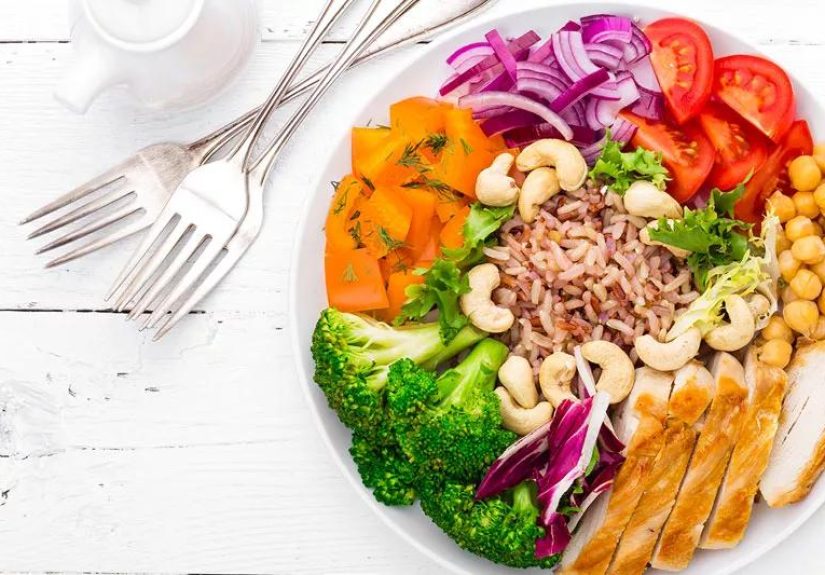
If diabetes nutrition had a greatest-hits album, the plate method would be track one. It is simple, visual, and much easier than doing mental math over every bite. Start with a 9-inch plate. Fill half with nonstarchy vegetables, one quarter with lean protein, and one quarter with quality carbohydrates.
What that looks like in real life
- Half the plate: broccoli, salad greens, cauliflower, green beans, peppers, mushrooms, cucumbers, zucchini
- One quarter: chicken, turkey, fish, eggs, tofu, tempeh, Greek yogurt, beans, or lentils
- One quarter: brown rice, quinoa, sweet potato, whole-grain pasta, fruit, beans, or whole-grain bread
This strategy works because it automatically keeps portions in check while making vegetables the foundation of the meal. It also helps you avoid the classic dinner plate problem: one lonely green bean staring into a sea of white rice.
The plate method is especially helpful for people who want a straightforward structure without counting every gram. It gives meals a balance of fiber, protein, and carbohydrate, which can support steadier blood sugar and better fullness after eating.
2. Choose Smarter Carbs, Not “No Carbs”
Carbohydrates are not the villain in a trench coat. They are the body’s main source of energy, and many healthy foods contain them. The real issue is which carbs you choose, how much you eat, and what you pair them with.
A diabetes-friendly diet usually works best when it emphasizes carbohydrate foods that bring along fiber, vitamins, minerals, and staying power. That means choosing whole, less processed options more often and heavily refined, sugary options less often.
Better carbohydrate choices
- Oatmeal instead of sugary cereal
- Brown rice or farro instead of oversized portions of white rice
- Beans and lentils instead of fries as a side dish
- Whole fruit instead of juice
- Whole-grain toast instead of pastries that behave like dessert wearing a breakfast costume
Some people use carb counting, especially if they take mealtime insulin. Others do well with consistent portions and the plate method. The key point is that there is no one-size-fits-all carb number. Age, activity, medications, body size, and health goals all matter.
A smart rule of thumb is to keep carbs consistent from meal to meal rather than swinging wildly between “I had a muffin and sweet coffee” and “I ate nothing but grilled chicken and regret.” Consistency makes blood sugar easier to manage and meals easier to plan.
3. Let Fiber Do the Heavy Lifting
Fiber is one of the quiet heroes of diabetes nutrition. It helps slow digestion, supports fullness, and can help keep blood sugar from rising too quickly after meals. It also tends to show up in foods that are generally good for heart health, which matters because diabetes and cardiovascular risk often travel together.
Easy ways to eat more fiber
- Add berries or chia seeds to plain yogurt
- Swap white bread for whole-grain bread
- Use beans in soups, tacos, salads, and grain bowls
- Choose roasted vegetables or a side salad at lunch and dinner
- Snack on an apple with peanut butter instead of crackers alone
Whole fruit is usually a better pick than juice because it contains fiber and tends to be more filling. An orange asks you to slow down. Orange juice can disappear in thirty seconds and still leave you wondering where your snack went.
Nonstarchy vegetables deserve special attention here. They are low in calories, relatively low in carbohydrate, and high in nutrients. Pile them into stir-fries, omelets, soups, pasta dishes, sheet-pan dinners, and grain bowls. If your meal looks a little too beige, vegetables are often the answer.
4. Pair Carbs With Protein and Healthy Fat
Eating carbohydrates by themselves can sometimes lead to faster blood sugar spikes, especially when the carb is refined or portion sizes get out of hand. Pairing carbs with protein and healthy fat can make meals more satisfying and better balanced.
Balanced pairing ideas
- Apple slices with peanut or almond butter
- Whole-grain crackers with tuna salad
- Oatmeal topped with nuts and Greek yogurt
- Brown rice with salmon and roasted vegetables
- A turkey sandwich on whole-grain bread with a side salad
Healthy fats from foods like nuts, seeds, olive oil, avocado, and fish can support heart health. Since diabetes raises the risk of heart disease, the quality of fat matters. Try to limit saturated fat-heavy choices and ultra-processed meals that bring too much sodium, added sugar, and not much nutritional value in return.
This does not mean you need to fear every gram of fat. It means choosing fats that pull their weight. Olive oil on roasted vegetables? Helpful. A deep-fried mystery appetizer and a creamy dessert after a high-sodium entrée? That is less of a strategy and more of an adventure.
5. Rethink What You Drink
People often focus on food and forget that beverages can deliver a surprising amount of sugar. Regular soda, sweet tea, sports drinks, energy drinks, flavored coffee drinks, and some bottled smoothies can push blood sugar up quickly without doing much to satisfy hunger.
Better drink choices
- Water
- Sparkling water without added sugar
- Unsweetened tea
- Unsweetened coffee
- Milk or fortified unsweetened soy milk in portions that fit your meal plan
Hydration matters, and plain water is often the easiest win. If water feels boring, add lemon, cucumber, mint, or berries. There is no law requiring hydration to be dramatic.
Also watch for hidden sugars in drinks marketed as “healthy.” A bottle covered in fruit pictures can still act like liquid dessert. Read the label, check the serving size, and look at added sugars before assuming the bottle is on your side.
6. Use Food Labels Like a Superpower
Nutrition labels are not the most thrilling literature in America, but they can save you from a lot of surprises. A food that looks healthy from the front of the package may tell a very different story on the back.
What to check first
- Serving size: everything else on the label depends on this
- Total carbohydrate: useful for meal planning and carb awareness
- Dietary fiber: more is often better
- Added sugars: lower is generally better
- Sodium: especially important if you also need to support blood pressure and heart health
- Saturated fat: keep an eye on it, especially in packaged foods
For example, a granola bar may sound wholesome, but if it has more sugar than protein and barely any fiber, it may not keep you full for long. The same goes for flavored yogurt, breakfast cereals, sauces, and salad dressings. Diabetes-friendly eating is not just about obvious sweets. It is often about the sneaky stuff hiding in “normal” foods.
Portion awareness matters too. Sometimes the issue is not the food itself but the amount. A cup of brown rice is different from three cups. A tablespoon of peanut butter is different from what many of us call “one generous swoop.” Honest portions make planning much easier.
7. Create a Routine You Can Actually Live With
The most effective diabetes-friendly diet is not the most impressive one on paper. It is the one you can keep doing when life gets busy, stressful, social, or weird. That means building routines around your real life, not your imaginary life where you meal prep perfectly every Sunday while upbeat music plays in the background.
Habits that make the biggest difference
- Eat meals on a reasonably regular schedule
- Do not skip meals only to overeat later
- Keep convenient staples at home, such as eggs, frozen vegetables, Greek yogurt, canned beans, tuna, and whole grains
- Plan simple repeat meals you genuinely like
- Work with a registered dietitian or diabetes educator if you want a more personalized approach
Regular meal timing can help many people avoid the “starve, then snack like a raccoon at 9 p.m.” cycle. It is also useful to think ahead for challenging moments: restaurant meals, celebrations, travel, and workdays when lunch gets delayed. A little planning beats heroic willpower almost every time.
And yes, dessert can still exist. A diabetes-friendly diet is not about perfection. It is about patterns. One slice of birthday cake in the context of an overall balanced eating plan is very different from a daily routine built on oversized portions, sugary drinks, and constant grazing on low-fiber snacks.
A Simple One-Day Diabetes-Friendly Menu
Breakfast
Plain Greek yogurt topped with berries, chia seeds, and a small handful of walnuts, plus one slice of whole-grain toast.
Lunch
Grilled chicken salad with mixed greens, cucumbers, tomatoes, chickpeas, olive oil vinaigrette, and a small whole-grain roll.
Snack
Apple slices with peanut butter.
Dinner
Baked salmon, roasted Brussels sprouts, and a moderate portion of quinoa.
Drink choices
Water, sparkling water, or unsweetened tea.
This kind of menu works because it spreads carbohydrates through the day, includes fiber and protein at each meal, and avoids loading all the starch and sugar into one sitting.
Final Thoughts
A diabetes-friendly diet is less about “good” foods and “bad” foods and more about patterns that support stable blood sugar, heart health, energy, and enjoyment. The seven most practical strategies are simple: use the plate method, choose better carbohydrates, prioritize fiber, pair carbs with protein and healthy fats, rethink sugary drinks, read labels, and build a routine you can actually keep.
That is the real secret. Not a cleanse. Not a miracle powder. Not a breakfast bar that claims to change your life. Just smart, repeatable habits that make healthy eating easier and more satisfying over time.
If you use insulin or medications that affect blood sugar, your eating plan may need to be more individualized, so it is worth checking in with your health care team. Personalized guidance beats internet chaos every time.
Real-Life Experiences With a Diabetes-Friendly Diet
In real life, people usually do not struggle because they have never heard of vegetables. They struggle because life is crowded. Mornings are rushed, lunch happens at a desk, dinner gets pushed late, and stress has a funny way of making crunchy snacks seem like emotional support. That is why many people say the hardest part of a diabetes-friendly diet is not understanding the basics. It is applying them on ordinary days.
One common experience is the discovery that “healthy” and “blood sugar-friendly” are not always identical. Someone may switch from fast food to smoothie bowls, flavored yogurt, granola, and bottled juices, only to realize their blood sugar is still bouncing around like it has weekend plans. The lesson often comes quickly: labels matter, portions matter, and meals built around protein, fiber, and balanced carbs tend to feel better than meals built around health halos.
Another frequent experience is how powerful breakfast can be. Many people notice that when they start the day with sugary coffee and a pastry, they are hungry again too soon and more likely to chase energy all day. But when breakfast includes something like eggs and whole-grain toast, or yogurt with berries and nuts, the day feels steadier. Fewer crashes, fewer random cravings, and less temptation to declare a 3 p.m. cookie “basically a coping strategy.”
Restaurants are another real-world test. The people who feel most successful usually do not order a sad side salad and resent everyone else at the table. Instead, they get strategic. They split fries, choose grilled protein, add vegetables, swap sugary drinks for water or unsweetened tea, and enjoy the meal without turning it into a food morality play. Flexibility matters. So does knowing that one restaurant meal does not define the entire week.
Many people also describe a turning point when they stop trying to be perfect. Perfection sounds noble, but it tends to fall apart fast. A more helpful mindset is consistency. Keep convenient staples in the kitchen. Repeat a few breakfasts and lunches that work well. Have a plan for snacks. Learn two or three dinners you can make when you are tired. That kind of structure reduces decision fatigue, and reduced decision fatigue is wildly underrated.
Perhaps the most encouraging experience is that small changes often feel more effective than extreme ones. Drinking water more often, adding vegetables to two meals a day, switching to higher-fiber carbs, and reducing sugary drinks can make the routine feel manageable. People usually do better when the plan respects real hunger, real budgets, real schedules, and real human behavior. A diabetes-friendly diet works best when it feels like a sustainable life, not a temporary punishment.