Table of Contents >> Show >> Hide
- What Makes a Food Anti-Inflammatory?
- 1. Berries: Tiny Fruits With Big Antioxidant Energy
- 2. Fatty Fish: Omega-3s With Main Character Status
- 3. Extra-Virgin Olive Oil: The Smooth Operator
- 4. Leafy Greens: The Champions of “Eat Your Vegetables”
- 5. Nuts and Seeds: Crunchy, Portable, and Surprisingly Powerful
- 6. Beans and Lentils: Fiber-Rich Comfort Food
- 7. Tomatoes: Lycopene in a Bright Red Jacket
- 8. Herbs and Spices: Small Spoonfuls, Big Personality
- How to Build an Anti-Inflammatory Plate
- Foods to Limit Without Becoming Miserable
- Sample One-Day Anti-Inflammatory Menu
- Personal Experiences and Real-Life Tips for Adding Anti-Inflammatory Foods
- Conclusion
Inflammation sounds like the villain in a superhero movie, but it is not always bad. In fact, short-term inflammation is your body’s built-in repair crew. When you cut your finger, catch a cold, or twist an ankle, inflammation rushes in like a very dramatic emergency team with sirens, clipboards, and questionable parking skills. The problem begins when inflammation hangs around too long. Chronic inflammation can quietly stress the body and is associated with health issues such as heart disease, arthritis, diabetes, and other long-term conditions.
The good news? Your grocery cart has more power than it gets credit for. While no single food can magically erase inflammation overnightsorry, blueberries, we know you triedan overall eating pattern rich in fruits, vegetables, whole grains, healthy fats, legumes, nuts, seeds, herbs, and fish may help support a healthier inflammatory response. This is why Mediterranean-style eating is often mentioned in conversations about anti-inflammatory foods: it focuses on colorful plants, olive oil, seafood, beans, nuts, and minimally processed ingredients.
Below are eight anti-inflammatory foods to add to your diet in practical, tasty ways. No weird powders. No “eat this leaf under a full moon” nonsense. Just real food, real flavor, and realistic habits you can actually keep.
What Makes a Food Anti-Inflammatory?
Anti-inflammatory foods usually have a few things in common. They are rich in antioxidants, polyphenols, vitamins, minerals, fiber, and healthy fats. These nutrients help protect cells from oxidative stress, support gut health, and may influence the body’s inflammatory pathways. Foods that are close to their natural form tend to be the strongest players: think berries instead of berry-flavored candy, oats instead of sugary cereal, and salmon instead of a mystery fish stick shaped like a dinosaur.
On the other hand, diets high in ultra-processed foods, refined carbohydrates, sugary drinks, fried foods, and processed meats are commonly linked with inflammation-promoting patterns. That does not mean one cookie ruins your health. Food is not a moral courtroom. But your usual habits matter, and small upgrades can make a meaningful difference over time.
1. Berries: Tiny Fruits With Big Antioxidant Energy
Berries are among the most popular anti-inflammatory foods, and for good reason. Blueberries, strawberries, raspberries, and blackberries are rich in antioxidants called polyphenols, including anthocyanins, which give many berries their deep red, purple, and blue colors. These compounds help combat oxidative stress, a process that can contribute to chronic inflammation when it gets out of balance.
Berries are also high in fiber, which supports digestion and feeds beneficial gut bacteria. A healthy gut microbiome is closely connected to immune balance, and immune balance is basically inflammation’s less chaotic roommate.
Easy ways to eat more berries
Add blueberries to oatmeal, toss strawberries into spinach salad, blend frozen berries into a smoothie, or pair raspberries with plain Greek yogurt. Frozen berries are a smart choice because they are convenient, budget-friendly, and usually picked at peak ripeness. Your freezer can be an anti-inflammatory treasure chest, minus the pirate drama.
2. Fatty Fish: Omega-3s With Main Character Status
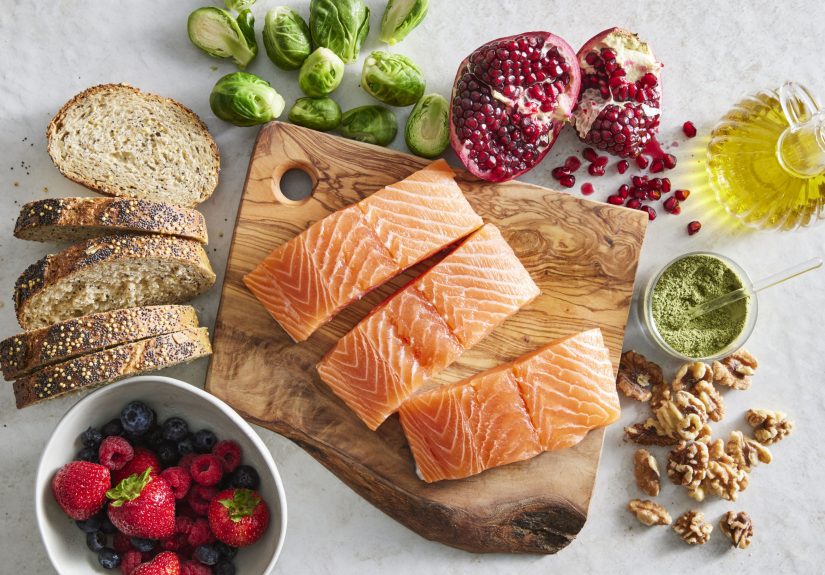
Fatty fish such as salmon, sardines, trout, herring, tuna, and mackerel are famous for their omega-3 fatty acids, especially EPA and DHA. These fats are important for cell membranes and are widely studied for their role in heart and immune health. Omega-3-rich foods are a major reason fish appears so often on anti-inflammatory food lists.
Fatty fish also provides high-quality protein, vitamin D, selenium, and other nutrients. If salmon feels fancy, sardines are the underrated budget hero. They may not win a beauty contest in the can, but they are nutrient-dense, affordable, and excellent on whole-grain toast with lemon and herbs.
How often should you eat fatty fish?
Many heart-health recommendations encourage eating fish, especially oily fish, about two times per week. If you do not eat fish, you can still include plant-based omega-3 sources like walnuts, chia seeds, flaxseeds, and hemp seeds. These contain ALA, a different type of omega-3, which the body can partially convert to EPA and DHA.
3. Extra-Virgin Olive Oil: The Smooth Operator
Extra-virgin olive oil is a cornerstone of Mediterranean-style eating. It contains monounsaturated fats and antioxidant compounds, including polyphenols, that may support heart health and help reduce inflammation-related stress in the body. Unlike heavily refined oils, extra-virgin olive oil keeps more of its natural plant compounds because it is less processed.
One of the easiest diet upgrades is replacing butter or creamy bottled dressings with extra-virgin olive oil. Drizzle it over roasted vegetables, whisk it into salad dressing, use it for sautéing, or add a splash to cooked beans. It brings richness without needing a parade of ingredients.
Simple olive oil dressing
Mix extra-virgin olive oil with lemon juice, Dijon mustard, garlic, black pepper, and a pinch of salt. Congratulations: you have just made a dressing that tastes like it went to culinary school, but it actually took 45 seconds.
4. Leafy Greens: The Champions of “Eat Your Vegetables”
Leafy greens such as spinach, kale, collard greens, arugula, Swiss chard, and romaine lettuce are packed with vitamins, minerals, fiber, and plant compounds. They provide nutrients like vitamin K, folate, magnesium, and carotenoids. These nutrients support overall health and help explain why leafy greens are a regular feature in anti-inflammatory diets.
The trick with greens is not to force yourself into sad salads. Greens can be delicious when you treat them like food instead of punishment. Sauté spinach with garlic and olive oil, add kale to soups, tuck arugula into sandwiches, or blend baby spinach into smoothies. Spinach is especially sneaky because it disappears into fruit smoothies like a vegetable ninja.
Best pairings for leafy greens
Leafy greens taste better with healthy fats and acid. Try olive oil plus vinegar, avocado plus lime, or salmon plus lemon. A little fat also helps the body absorb certain fat-soluble nutrients from vegetables.
5. Nuts and Seeds: Crunchy, Portable, and Surprisingly Powerful
Nuts and seeds may be small, but they are loaded with nutrition. Walnuts, almonds, pistachios, chia seeds, flaxseeds, pumpkin seeds, and hemp seeds provide healthy fats, fiber, magnesium, vitamin E, and plant-based protein. Walnuts, chia seeds, and flaxseeds are especially known for their ALA omega-3 content.
Because nuts and seeds are calorie-dense, a small amount goes a long way. A handful of almonds, a tablespoon of ground flaxseed, or a sprinkle of pumpkin seeds can add texture and nutrients without turning your meal into a squirrel convention.
How to use nuts and seeds daily
Stir chia seeds into overnight oats, add walnuts to a salad, sprinkle hemp seeds over avocado toast, or use almond butter on apple slices. Ground flaxseed is especially easy to mix into oatmeal, smoothies, or pancake batter. Whole flaxseeds can pass through the body undigested, so grinding them helps you get more nutritional benefit.
6. Beans and Lentils: Fiber-Rich Comfort Food
Beans and lentils deserve more applause. They are affordable, versatile, filling, and rich in fiber, plant protein, minerals, and polyphenols. Black beans, chickpeas, kidney beans, navy beans, pinto beans, split peas, and lentils can all support a balanced anti-inflammatory eating pattern.
Fiber is one of the major reasons legumes are so valuable. It supports regular digestion, helps feed beneficial gut bacteria, and contributes to steadier blood sugar after meals. Since gut health and immune function are closely connected, beans are basically doing backstage work for your whole body.
Beginner-friendly bean ideas
Add chickpeas to salads, make lentil soup, mash black beans into tacos, blend white beans into a creamy dip, or toss kidney beans into chili. If beans make your stomach stage a protest, start with small portions, rinse canned beans well, and increase gradually. Your gut may need a little training period.
7. Tomatoes: Lycopene in a Bright Red Jacket
Tomatoes are rich in vitamin C, potassium, and lycopene, a carotenoid antioxidant responsible for their red color. Lycopene has been studied for its role in protecting cells from oxidative stress. Interestingly, cooked tomato products such as tomato sauce, tomato paste, and stewed tomatoes can make lycopene easier for the body to absorb, especially when paired with a healthy fat like olive oil.
This is excellent news for anyone who likes pasta sauce. The anti-inflammatory food world is not all raw kale and silent chewing. A bowl of whole-grain pasta with tomato sauce, olive oil, garlic, herbs, and vegetables can be both comforting and nutrient-rich.
Smart tomato upgrades
Use low-sodium canned tomatoes for soups, add cherry tomatoes to salads, roast tomatoes with olive oil, or spread tomato paste into stews for extra depth. Tomato paste is like tomato flavor in superhero concentrate form.
8. Herbs and Spices: Small Spoonfuls, Big Personality
Herbs and spices are often overlooked because people think of them as decoration. Big mistake. Turmeric, ginger, garlic, cinnamon, rosemary, oregano, thyme, parsley, and basil contain plant compounds that may support antioxidant and anti-inflammatory activity. They also help reduce the need for excess salt, sugar, or heavy sauces because they bring flavor with style.
Turmeric contains curcumin, ginger contains gingerols, garlic contains sulfur compounds, and many herbs provide polyphenols. While supplements can be complicated and are not necessary for everyone, using herbs and spices in everyday cooking is a practical, food-first approach.
How to use more herbs and spices
Add turmeric and black pepper to scrambled eggs, use ginger in stir-fries, mix cinnamon into oatmeal, roast vegetables with garlic and rosemary, or add basil and oregano to tomato sauce. Your spice cabinet may look sleepy, but it is secretly a flavor gym.
How to Build an Anti-Inflammatory Plate
The simplest way to build an anti-inflammatory meal is to start with plants. Fill about half your plate with colorful vegetables and fruit, add a protein such as fish, beans, lentils, tofu, eggs, or poultry, include a whole grain like oats, brown rice, quinoa, or whole-wheat bread, and finish with healthy fat such as olive oil, avocado, nuts, or seeds.
For example, try a salmon bowl with brown rice, spinach, roasted tomatoes, chickpeas, olive oil, lemon, and herbs. Or make a breakfast bowl with oats, berries, chia seeds, walnuts, cinnamon, and plain yogurt. For lunch, build a salad with leafy greens, lentils, cherry tomatoes, pumpkin seeds, olive oil vinaigrette, and a side of fruit.
Foods to Limit Without Becoming Miserable
An anti-inflammatory diet is not about perfection. It is about patterns. You do not need to ban every dessert or fear every slice of pizza. However, it is wise to limit foods that tend to crowd out nutrient-dense options, such as sugary drinks, highly processed snacks, refined grains, fried foods, and processed meats.
A helpful strategy is substitution. Swap soda for sparkling water with citrus. Choose oatmeal with berries instead of a sugary breakfast pastry most days. Use olive oil instead of butter in some meals. Replace processed snack foods with nuts, fruit, or yogurt when practical. Small switches are easier to maintain than dramatic food makeovers that last three days and end with you glaring at a bag of chips.
Sample One-Day Anti-Inflammatory Menu
Breakfast
Oatmeal topped with blueberries, chia seeds, walnuts, cinnamon, and a spoonful of plain Greek yogurt.
Lunch
Leafy green salad with lentils, cherry tomatoes, cucumber, avocado, pumpkin seeds, olive oil, lemon juice, and herbs.
Snack
Apple slices with almond butter or plain yogurt with strawberries.
Dinner
Baked salmon with roasted broccoli, tomato and white bean stew, brown rice, and a drizzle of extra-virgin olive oil.
Personal Experiences and Real-Life Tips for Adding Anti-Inflammatory Foods
Adding anti-inflammatory foods to your diet sounds simple on paper, but real life has a way of walking into the kitchen wearing muddy shoes. You may plan to make a perfect salmon salad, then suddenly it is 7:30 p.m., everyone is hungry, and the refrigerator contains half a lemon, one mysterious container, and a carrot with commitment issues. That is why the best anti-inflammatory eating plan is not the fanciest one. It is the one you can repeat when life gets busy.
One practical experience many people notice is that breakfast is the easiest place to begin. Instead of overhauling every meal, start with oats, berries, nuts, and seeds. This combination is quick, affordable, and flexible. You can make overnight oats in jars, use frozen berries, and change the toppings so breakfast does not taste like a homework assignment. Cinnamon, walnuts, chia seeds, and blueberries can turn a plain bowl of oats into something that feels intentional rather than boring.
Another helpful lesson is to keep “add-ons” ready. Washed greens, canned beans, cherry tomatoes, olive oil dressing, and roasted nuts can upgrade meals fast. A basic sandwich becomes better with arugula and tomato. Leftover rice becomes a bowl with chickpeas, spinach, olive oil, and herbs. Soup becomes more filling with lentils or white beans. These little additions matter because anti-inflammatory eating is usually built from repeated small choices, not one heroic salad eaten under pressure.
People also tend to do better when they focus on flavor first. If vegetables taste bland, the problem is not the vegetable; it is the preparation. Roasting broccoli with olive oil and garlic is completely different from boiling it until it gives up on life. Tomatoes become sweeter when roasted. Kale becomes friendlier when massaged with olive oil and lemon. Beans taste better with cumin, smoked paprika, garlic, or herbs. Healthy food should not feel like a punishment delivered by a very strict gym teacher.
Meal prep can help, but it does not have to mean cooking 21 identical containers on Sunday. A more realistic approach is ingredient prep. Cook a pot of lentils, wash greens, make a jar of vinaigrette, roast a sheet pan of vegetables, and keep frozen berries or fish on hand. Then you can mix and match during the week. This keeps meals flexible and prevents the dreaded “I cannot eat this same lunch again” crisis.
Another experience worth mentioning is that change feels easier when you do not label foods as “good” or “bad.” Anti-inflammatory eating works best as a positive pattern: more color, more fiber, more healthy fats, more whole foods, and more satisfying meals. There is room for celebration foods, family recipes, and convenience foods when needed. The goal is not to become a perfect eater. The goal is to build a routine that supports your body most of the time and still lets you enjoy your life.
Finally, pay attention to how meals make you feel. Some people notice steadier energy when they eat more fiber-rich breakfasts. Others feel more satisfied when they add beans or healthy fats to lunch. Some find that cooking with herbs and spices helps them enjoy meals with less added salt or sugar. These observations are useful because your diet should be personal, practical, and sustainable. The best anti-inflammatory foods are not just the ones listed in research articles. They are the ones you actually enjoy enough to keep eating.
Conclusion
Anti-inflammatory foods are not exotic, expensive, or complicated. They are the everyday ingredients that keep showing up in healthy eating patterns: berries, fatty fish, extra-virgin olive oil, leafy greens, nuts, seeds, beans, lentils, tomatoes, herbs, and spices. Together, they provide fiber, antioxidants, omega-3 fats, polyphenols, vitamins, and minerals that support overall wellness.
The smartest approach is to think in meals, not miracles. Add berries to breakfast. Use olive oil more often. Eat fish or legumes a couple of times a week. Keep leafy greens ready. Sprinkle nuts and seeds where they make sense. Cook with garlic, ginger, turmeric, and herbs. These small habits can turn your daily diet into a long-term support system for better healthand unlike complicated diet trends, they do not require a secret handshake.