Table of Contents >> Show >> Hide
- Quick Jump
- At-a-Glance: The “Why Should I Care?” Berry Table
- 1) Blueberries
- 2) Strawberries
- 3) Raspberries
- 4) Blackberries
- 5) Cranberries
- 6) Açaí
- 7) Elderberries
- 8) Goji Berries
- How to Eat More Healthy Berries (Without Changing Your Personality)
- Conclusion
- Experience Notes (Real-Life Berry Habits That Actually Stick)
- The “Two-Minute Breakfast” method
- The “Snack that counts” swap
- The “Berry rescue” plan for produce that’s about to turn
- The “Make it savory” trick
- The “Açaí bowl without the sugar crash” reality check
- The “Immune-season” routine that stays grounded
- The “Medication-aware” habit (especially for cranberry and goji)
- The “Variety beats perfection” mindset
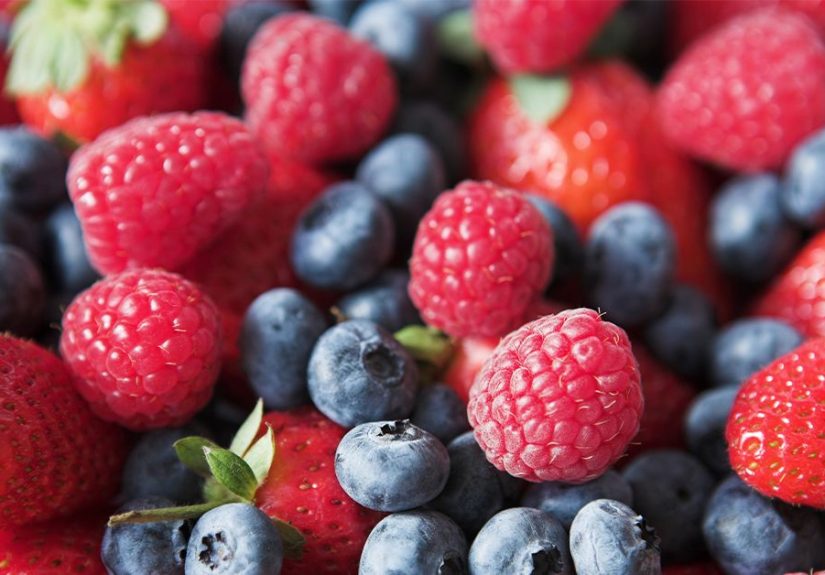
Berries are the overachievers of the produce aisle: tiny, colorful, and somehow packed with more “good stuff” than foods three times their size. They’re naturally sweet, usually low in calories, and loaded with fiber and plant compounds (like flavonoids and anthocyanins) that your body loves. The only downside? They stain shirts with the confidence of a permanent marker.
In this guide, we’ll break down 8 berries that are good for your health, what they actually do (based on real sciencenot smoothie-bowl mythology), and easy ways to eat them without turning your kitchen into a berry crime scene.
At-a-Glance: The “Why Should I Care?” Berry Table
| Berry | What it’s known for | Easy way to eat it |
|---|---|---|
| Blueberries | Anthocyanins, brain + heart support | Frozen in smoothies or stirred into yogurt |
| Strawberries | Vitamin C, cardiometabolic benefits | Sliced with Greek yogurt, nuts, and cinnamon |
| Raspberries | High fiber, polyphenols | On oatmeal or as a “snack that counts” |
| Blackberries | Fiber + antioxidants (and seeds with opinions) | With cottage cheese or in a chia pudding |
| Cranberries | Proanthocyanidins (PACs), urinary tract support | Unsweetened dried in salads, or 100% juice diluted |
| Açaí | Antioxidants (but marketing is loud) | Açaí bowl: keep toppings sane |
| Elderberries | Immune-season favorite (prepared properly) | Cooked syrup/tea (not raw) |
| Goji berries | Carotenoids, eye-health buzz; drug interactions | Sprinkled on trail mix or oatmeal |
1) Blueberries
If berries had a class president, blueberries would win by a landslideand then humblebrag about it in a tasteful way. They’re famous for anthocyanins (the pigments that make them blue) and a reputation for supporting brain health and cardiovascular health.
Why blueberries are healthy
- Brain support: Observational research and controlled trials suggest blueberry intake can be associated with better cognitive performance in certain contexts (especially aging and vascular-related cognitive decline). Translation: not a memory eraser, but possibly a helpful nudge in the right direction.
- Heart + blood vessel benefits: Some randomized trials have found daily blueberry consumption may improve markers like blood pressure and arterial stiffnesslikely tied to flavonoids and nitric oxide pathways.
- Everyday nutrition: Blueberries contribute fiber and vitamin Csmall fruit, meaningful contribution.
How to eat more blueberries (without turning into a smoothie influencer)
- Frozen blueberries are often cheaper and perfect for smoothiesno washing, no drama.
- Mix into plain Greek yogurt with a pinch of cinnamon for “dessert that behaves.”
- Add to oatmeal near the end so they burst and sweeten naturally.
Quick caution
Blueberries are generally friendly with most diets. If you’re managing blood sugar, pair them with protein/fat (yogurt, nuts) to slow digestion and keep things steady.
2) Strawberries
Strawberries are basically proof that nature can do romance and nutrition at the same time. They’re bright, juicy, and notably rich in vitamin Ca nutrient involved in collagen formation and immune function.
Why strawberries are healthy
- Vitamin C powerhouse: Strawberries can deliver a meaningful dose of vitamin C in a normal servinghelpful for skin health, iron absorption, and immune function.
- Heart + metabolic support: Clinical research in adults with elevated cardiometabolic risk has found strawberry intake can improve certain markers like insulin resistance and lipid-related measures over weeks (especially when used as part of an overall diet pattern).
- Polyphenols (including anthocyanins): Their red color isn’t just prettythose plant compounds are linked with antioxidant activity.
Easy ways to eat them
- Sliced strawberries + balsamic + black pepper = fancy restaurant energy at home.
- Blend into a protein smoothie with spinach (you’ll taste “strawberry,” not “lawn”).
- Freeze slices and use them like ice cubes in water or tea.
Quick caution
Strawberries spoil quicklystore unwashed, dry, and wash right before eating. If you see a fuzzy one, remove it immediately (mold spreads faster than gossip).
3) Raspberries
Raspberries are the berry equivalent of a tiny workout: delicious, but with enough little seeds to make you feel like you’re doing something responsible. Their standout feature is fibera big deal for gut health, satiety, and blood-sugar management.
Why raspberries are healthy
- High fiber for a fruit: A cup of raspberries is famously fiber-rich, which helps support digestion, fullness, and more stable glucose response.
- Polyphenols + anti-inflammatory potential: Raspberries contain compounds such as anthocyanins and ellagitannins, studied for antioxidant and anti-inflammatory activity.
- Low sugar vibe: Compared with many fruits, raspberries tend to be relatively low in sugar per cup, which can be helpful for people watching overall carbohydrate load.
How to eat them
- Top peanut-butter toast with raspberries for sweet-tart balance.
- Stir into chia pudding for a high-fiber breakfast that actually tastes like food.
- Buy frozen for baking or quick “instant sauce” (warm in a pan, mash, done).
Quick caution
Because they’re delicate, raspberries can go from “perfect” to “science project” quickly. Keep them cold, and don’t wash until you’re ready to eat.
4) Blackberries
Blackberries are bold, juicy, and slightly chaotictheir deep color signals lots of plant pigments, and their texture signals one unavoidable truth: the seeds are in charge.
Why blackberries are healthy
- Fiber-forward: A one-cup serving of blackberries provides an impressive amount of dietary fiber, supporting gut health and satiety.
- Antioxidant-rich: Blackberries contain anthocyanins and other polyphenols that contribute to their antioxidant activity.
- Micronutrients: You’ll also get vitamin C and vitamin K, which play roles in immune function, collagen support, and normal blood clotting.
How to eat them
- Pair with cottage cheese for a high-protein snack that tastes like a treat.
- Add to salads with walnuts and a citrus vinaigrette.
- Simmer into a quick compote for pancakesless syrup, more nutrients.
Quick caution
If seeds bother your digestion, try blending and straining into a sauce. You keep the flavor and most nutrients, and your teeth stop filing complaints.
5) Cranberries
Cranberries are the tart friend who tells the truth and brings salad to the party. They’re known for unique compounds called proanthocyanidins (PACs), especially the A-type that researchers study for urinary tract health.
Why cranberries are healthy
- Urinary tract support (prevention, not treatment): Evidence summaries (including systematic reviews) suggest cranberry products can reduce the risk of symptomatic UTIs in some groups, but results vary and they don’t replace antibiotics for an active infection.
- Antioxidants + inflammation: Cranberries are among notable dietary sources of antioxidant compounds, which may support cardiovascular and metabolic health as part of an overall eating pattern.
- Gut and oral interest: Research and expert reviews discuss cranberry PACs as potentially influencing microbial adherenceone reason cranberries show up in conversations about gut and oral health.
How to eat cranberries without drinking a cup of sugar
- Choose unsweetened dried cranberries (or mix half-and-half with nuts to cut sweetness).
- If using juice, pick 100% cranberry and dilute it with sparkling water.
- Roast fresh cranberries with orange zest and a touch of honeytart becomes addictive.
Quick caution
Cranberry products can interact with certain medications (notably blood thinners like warfarin). If you’re on medication or managing kidney stone risk, check with a clinician before going “cranberry every day forever.”
6) Açaí
Açaí is the berry that got famous on the internet and never looked back. It’s deeply pigmented, often sold as frozen pulp, and commonly served as an açaí bowl topped with… well… half a granola aisle.
Why açaí can be healthy (and where the hype gets ahead of the science)
- Rich in antioxidants: The deep purple color reflects high levels of plant compounds associated with antioxidant activity.
- Evidence reality check: Major medical sources note there’s no definitive evidence in people that açaí alone treats conditions or causes dramatic weight loss. It’s nutritious foodnot a superhero cape.
- Safety note: Açaí pulp used in foods has been used safely in research for limited periods; unprocessed juice can carry contamination risks in rare cases (this is one reason reputable processing matters).
How to build a healthier açaí bowl
- Start with unsweetened açaí (many packs are sweetened).
- Add protein: Greek yogurt, soy milk, or a scoop of protein powder.
- Keep toppings strategic: a tablespoon of nut butter, chia seeds, and one crunchy toppingdon’t turn it into dessert cosplay.
7) Elderberries
Elderberries are the berry you meet when cold-and-flu season shows up uninvited. They’re commonly used in syrups and teas, and people often reach for them for “immune support.”
Why elderberries are in the health conversation
- Traditional use + some clinical interest: Elderberry has been studied for upper respiratory symptoms, but evidence is mixed and not a slam dunk. If you use it, think “maybe helpful,” not “guaranteed shield.”
- Prepared properly matters: Raw or unripe elderberries (and other parts of the plant like leaves and stems) contain compounds that can cause nausea, vomiting, and diarrhea. Cooking eliminates the toxinso stick with reputable, properly prepared products.
How to use elderberry wisely
- Use commercially prepared elderberry syrup/tea from reputable brands.
- Use it as a short-term seasonal option, not an every-day forever supplement unless advised by a clinician.
- Prioritize basics first: sleep, hydration, protein, and a variety of fruits/vegetables.
Quick caution
If you’re pregnant, breastfeeding, immunocompromised, or taking medications (especially immune-related or diabetes medications), talk with a healthcare professional before using elderberry supplements.
8) Goji Berries
Goji berries (also called Lycium) are usually sold dried and look like red raisins with better PR. They contain carotenoids and other bioactive compounds that researchers study for eye and metabolic health, but human evidence is still developing.
Why goji berries can be a smart add-on
- Antioxidants + carotenoids: Goji berries contain compounds linked to eye health (like lutein/zeaxanthin) and antioxidant activity.
- Functional-food style: They’re easy to sprinkle into meals, which matters because the healthiest food is the one you’ll actually eat consistently.
- Evidence reality check: Major cancer-center and medical sources note that safety/efficacy for chronic disease claims isn’t established. Goji is a nutritious foodnot a prescription.
How to eat them
- Mix into trail mix with almonds, pumpkin seeds, and a few dark chocolate chips (for morale).
- Soak in hot water for 5 minutes, then add to oatmeal like chewy fruit pearls.
- Chop and add to granola bars or energy bites.
Quick caution (important)
Goji berries can interact with certain medicationsespecially warfarin (blood thinner). If you take warfarin or diabetes medications, check with your clinician before adding goji regularly.
How to Eat More Healthy Berries (Without Changing Your Personality)
Most people don’t need a complex “berry protocol.” You need a plan that survives Tuesdays. Here are practical ways to turn antioxidant-rich berries into a repeatable habit.
1) Frozen berries are your best friend
Frozen berries are picked at peak ripeness and are usually more budget-friendly. They also eliminate the “I forgot them in the fridge” tragedy. Keep a mixed berry bag on standby for smoothies, oatmeal, yogurt, or quick sauces.
2) Pair berries with protein or healthy fat
If you want steadier energy (and better satiety), pair berries with Greek yogurt, nuts, nut butter, or chia. This is especially helpful for people managing blood sugar.
3) Watch the “health halo” sugar
A berry-flavored product is not the same as berries. Yogurts, dried cranberries, juices, and bowls can come with a lot of added sugar. Read labels and aim for “unsweetened” or “no added sugar” when possible.
4) Aim for variety
Different berries offer different polyphenols and micronutrients. Rotating blueberries, strawberries, raspberries, blackberries, and cranberries is a simple way to diversify your nutrient intake without memorizing a biochemistry textbook.
Conclusion
The best “superfood” isn’t a rare berry flown in on a private jetit’s the one you’ll eat consistently. If you want an easy health upgrade, build a rotation of healthy berries: blueberries and strawberries for everyday antioxidant support, raspberries and blackberries for fiber, cranberries for PACs, and specialty berries like açaí, elderberry, and goji when you use them wisely (and realistically).
And remember: berries support health best when they’re part of a bigger patternsleep, movement, hydration, protein, and overall fruit-and-veg variety. Berries are the bonus track, not the entire album.
Experience Notes (Real-Life Berry Habits That Actually Stick)
People love the idea of “eating healthier,” but real life has a way of replacing that plan with meetings, errands, and a mysterious craving for chips. So instead of pretending everyone has time to hand-assemble parfaits in matching glass jars, here are practical, experience-based patterns that tend to work for normal humans with normal schedules.
The “Two-Minute Breakfast” method
A common win is keeping frozen mixed berries and plain Greek yogurt on hand. The routine is simple: scoop yogurt, add berries, add one crunch (nuts or granola), done. It’s fast, high in protein and fiber, and doesn’t spike hunger an hour later. Many people find that when breakfast feels this easy, berries become a defaultnot a “special occasion” food.
The “Snack that counts” swap
Another pattern: replacing one daily packaged snack with a bowl of berries plus something satisfyinglike almonds or a cheese stick. The berry sweetness handles cravings, and the protein/fat adds staying power. This is especially popular with people who want better blood-sugar stability but still want snacks that feel like a treat.
The “Berry rescue” plan for produce that’s about to turn
Fresh berries are amazingright up until they decide to spoil overnight. A habit that helps: if berries start looking tired, freeze them immediately (spread on a tray first if you want less clumping). People who do this consistently report less food waste, fewer “I forgot” moments, and more smoothies that taste great without added sugar. Bonus: slightly soft strawberries make excellent blended sauces.
The “Make it savory” trick
Many folks think berries belong only in sweet foods. But once they try berries in salads, it clicks. Strawberries with spinach and balsamic, blackberries with arugula and walnuts, or dried unsweetened cranberries in a quinoa bowlthese combos add brightness and texture without needing sugary dressings. When berries become a savory ingredient, it’s easier to eat them more often.
The “Açaí bowl without the sugar crash” reality check
Plenty of people love açaí bowls… and then wonder why they feel hungry again 45 minutes later. The fix is surprisingly consistent: choose unsweetened açaí, add protein, and keep toppings reasonable. Think: a tablespoon of nut butter, chia seeds, and one crunchy toppingnot a full cup of sweet granola plus honey plus chocolate drizzle. With that tweak, the bowl starts acting like a meal instead of a dessert with branding.
The “Immune-season” routine that stays grounded
Elderberry is often used seasonally, and the most sustainable approach tends to be short-term and sensiblepaired with basics like sleep, fluids, and nutrient-dense meals. People who treat elderberry as a “nice addition” rather than a guaranteed cure are less likely to overuse it or ignore red-flag symptoms that require medical care.
The “Medication-aware” habit (especially for cranberry and goji)
A mature (and underrated) experience trend is simply checking interactions before making a new daily habit. People on blood thinners or certain diabetes meds often do best by treating cranberry and goji like “ask first” foods when consumed frequently. It’s not fearit’s just smart. When you remove uncertainty, consistency becomes easier.
The “Variety beats perfection” mindset
Finally, many people stick with berries long-term when they stop trying to pick the single “best” berry. Variety keeps it interesting, covers more nutrients, and makes your shopping flexible based on season and price. If you rotate two or three berries weekly, you’re already doing something your future self will appreciate.
Bottom line: berries are small, powerful, and surprisingly easy to fit into real lifeespecially when you rely on frozen options, pair them with protein, and keep your strategy simple enough to survive a busy week.