Table of Contents >> Show >> Hide
- 1. Letting Feeders Become Germ Buffets
- 2. Serving “Junk Food” or Stale Seed
- 3. Hanging Feeders in the Wrong Place
- 4. Ignoring Window Collision Risks
- 5. Creating a Birdie Traffic Jam
- 6. Ignoring Weather and Wet Seed
- 7. Treating Pesticides Like No Big Deal
- 8. Forgetting the Bigger Picture: Habitat, Predators, and Local Rules
- A Simple “Smart Bird Feeder” Checklist
- Backyard Bird Feeder Experiences: What Really Happens at the Feeder
- Final Thoughts: Make Your Feeder a Safe Haven, Not a Hazard
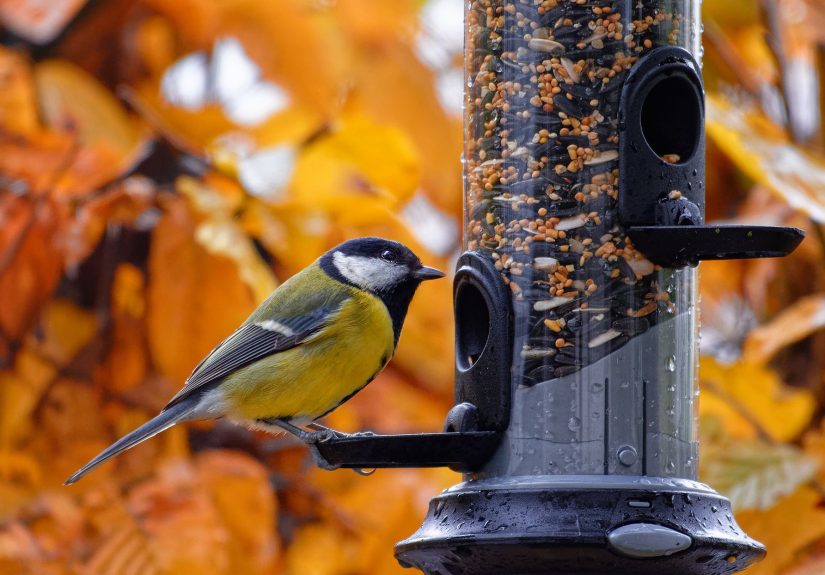
If you’ve ever lovingly filled a bird feeder, stepped back with your coffee, and then watched absolutely
nothing happen… you are not alone. Backyard bird feeding looks simple, but a few small missteps can turn
your feeder from “five-star bird brunch” into “nope, not landing there.”
The good news? Most common bird feeder mistakes are easy to fix. With a little strategy, you can keep birds
safer, healthier, and far more interested in your yard. Let’s walk through eight issues that quietly sabotage
your setupand exactly how to turn things around.
1. Letting Feeders Become Germ Buffets
The number one bird feeder mistake: treating feeders like set-it-and-forget-it décor. Over time, seed hulls,
droppings, and moisture collect on perches and trays. That gunk looks harmless, but it creates perfect
conditions for bacteria, mold, and parasites that can spread diseases like salmonellosis and avian pox.
Experts recommend cleaning feeders regularlyabout once a week in heavy use, and at least every two weeks
year-round. Hummingbird nectar feeders are even pickier and should be cleaned and refilled every 3–5 days,
more often in hot weather to prevent fermentation and mold.
How to Fix It
- Empty old or clumped seed instead of topping it off.
- Wash feeders with hot, soapy water and a dedicated brush.
- Disinfect with a 1:9 bleach-to-water solution, rinse thoroughly, and let them dry completely.
- Rake shells and droppings from the ground under feeders to reduce contamination.
- Take feeders down temporarily if you see sick birds and deep-clean the whole feeding area.
It’s not glamorous work, but clean feeders are one of the most powerful ways to keep backyard birds healthy.
2. Serving “Junk Food” or Stale Seed
Another sneaky mistake is using the wrong foodor the right food stored badly. Cheap mixed seed blends often
contain lots of filler like milo and cracked corn that many songbirds simply toss aside. The result? A mess
under the feeder, rodents moving in, and birds still hungry.
Old or damp seed can also grow mold and harbor bacteria. Birds are picky for a reason: spoiled food can make
them seriously ill, so they may avoid a feeder entirely if the seed smells off or clumps together.
How to Fix It
- Choose high-quality seed: black oil sunflower, sunflower hearts, nyjer, or safflower are reliable favorites.
- Match food to feeder type (nyjer for finch feeders, suet cakes for suet cages, nectar for hummingbird feeders).
- Store seed in a cool, dry, rodent-proof container with a tight lid.
- Offer only as much seed as birds will eat in a day or two so it stays fresh.
- Check seed regularly for clumps, odor, or visible mold and discard any questionable batches.
3. Hanging Feeders in the Wrong Place
Imagine trying to eat lunch in the middle of a freeway or next to a cat’s napping spot. That’s what some
feeder placements feel like to birds. If your feeder is too exposed, birds feel vulnerable to hawks. If it’s
too close to dense shrubs, lurking cats can turn it into a hunting station.
Feeders that hang in constant foot traffic, right by a busy door or driveway, can also be stressful. Birds
want a quick escape route, some natural cover nearby, and a little peace and quiet while they snack.
How to Fix It
- Place feeders near, but not inside, shrubs or treesthink “close to cover” rather than “inside the jungle.”
- Aim for open space beneath hanging feeders so cats and other predators can’t hide directly under them.
- Keep feeders away from areas with constant human or pet traffic.
- Hang feeders where you can see them easily from indoors (for you) and where birds can see approaching danger (for them).
4. Ignoring Window Collision Risks
Window strikes are a major cause of bird injury and death. Shiny glass reflects trees and sky, so birds think
they’re flying into open habitatnot your living room. Feeders placed at certain distances can unintentionally
increase the risk of collisions during frantic takeoffs.
The riskiest zone is often 5–30 feet from a large window. Birds build up speed in that range and have no time
to correct course if they suddenly see glass.
How to Fix It
- Place feeders either very close to windows (within about 3 feet) so birds can’t gain speed, or much farther away.
- Use bird-safe window solutions: decals spaced closely, external screens, tape patterns, or specialized window films.
- Move especially busy feeders away from the largest, most reflective windows if collisions continue.
5. Creating a Birdie Traffic Jam
It’s fun to see a feeder packed with birdsbut crowding isn’t always good news. Overloaded feeders can lead to
aggressive behavior, stress, and faster spread of disease as multiple birds cram into the same tiny space.
Some species (looking at you, bully blackbirds and pushy starlings) may dominate the feeder and scare off
shyer birds like finches or chickadees. You might think “nothing but grackles visit,” when really the smaller
birds have simply given up competing.
How to Fix It
- Use multiple feeders with different styles: tube feeders for small songbirds, platform feeders for larger birds, suet cages for woodpeckers.
- Space feeders out so birds can spread around the yard instead of piling into one spot.
- Offer different seed types in different feeders to naturally “sort” bird species.
- Consider caged or weight-sensitive feeders to limit larger, more dominant species and squirrels.
6. Ignoring Weather and Wet Seed
Rain, snow, and humidity can quietly wreck your bird feeding setup. Wet seed clumps, ferments, or grows mold.
In winter, icy feeders can trap seed and make perches dangerously slick. Birds may avoid a feeder just because
the food is damp and difficult to eat.
Even if you clean regularly, leaving feeders exposed to every storm can mean you’re constantly battling soggy,
spoiled seed.
How to Fix It
- Choose feeders with good drainage and covered roofs to help keep seed dry.
- Use weather guards or baffles above feeders to shield them from rain and snow.
- After storms, dump wet seed, rinse the feeder, and let it dry before refilling.
- In hot weather, refresh seed and nectar more often to prevent spoilage.
7. Treating Pesticides Like No Big Deal
You might carefully fill a premium feeder… and then spray pesticides or weed killers right underneath it. From
a bird’s point of view, that’s like seasoning dinner with hazard symbols. Many lawn and garden chemicals are
toxic to birds directly, or they wipe out the insects birds rely on, especially during nesting season.
Even “just a little” spray can contaminate spilled seed or the soil where birds forage.
How to Fix It
- Avoid using pesticides, herbicides, and rodenticides near your feeding area whenever possible.
- Embrace a slightly wilder, more natural yard with native plants, leaf litter, and seed heads for birds and insects.
- If you must treat a specific problem, keep chemicals far from feeders and bird baths and follow label directions carefully.
8. Forgetting the Bigger Picture: Habitat, Predators, and Local Rules
A feeder is only one piece of a bird-friendly backyard. If there’s no shelter, no water, and constant predator
pressure, birds may grab a few seeds and move on. In some regions, wildlife agencies even recommend pausing
bird feeding during certain disease outbreaks or when bears are active.
Ignoring those bigger context clues can turn good intentions into unintended harm.
How to Fix It
- Provide fresh water in a bird bath or shallow dish and keep it clean.
- Plant native shrubs, trees, and flowers to offer natural food, nesting sites, and shelter.
- Use baffles and proper pole placement to reduce access for climbing predators.
- Follow guidance from local wildlife agencies about pausing feeders during disease outbreaks or in bear country.
A Simple “Smart Bird Feeder” Checklist
Before you declare your feeder “open for business,” run through this quick checklist:
- Is the seed fresh, high-quality, and stored well?
- Are the feeders washed and disinfected regularly?
- Is the location safe from ambush predators and window collisions?
- Do birds have nearby shelter and clean water?
- Are you offering varietyof both feeders and foodto reduce crowding?
- Are you avoiding pesticides and harsh chemicals around the feeding area?
When you can answer “yes” to most of these, you’re not just feeding birdsyou’re running a safe, sustainable
neighborhood café for wildlife.
Backyard Bird Feeder Experiences: What Really Happens at the Feeder
Advice is helpful, but bird feeding really comes alive when you see how it plays out in real yards. Here are a
few relatable “mini stories” that show how fixing common bird feeder mistakes can completely change your
backyard scene.
The “Why Won’t Anyone Come?” Feeder
Picture this: a brand-new feeder, full of seed, hanging proudly from the porch. Day oneno birds. Day threestill
nothing. By week two, you’re starting to take it personally. In many cases, the problem isn’t the birds being
rude; it’s a combination of placement and patience.
New feeders often take days or even weeks to be discovered. Birds are cautious by nature. If the feeder is in
an exposed spot with no nearby shrubs or trees, they may decide it’s not worth the risk. When one homeowner
moved their feeder just six feet closer to a maple tree and added a small bird bath underneath, chickadees and
titmice showed up within daysand kept coming.
The Overcrowded “Feeder Frenzy”
Another common scene: the feeder finally gets popular, and suddenly it’s chaos. House finches shove each
other off perches, grackles swoop in like a biker gang, and smaller birds hover on the sidelines, clearly
interested but unwilling to jump into the drama.
One simple fix is to add a second feeder a short distance away, ideally a tube feeder with smaller ports and
sunflower hearts. The big, pushy birds tend to stick to the platform feeder or ground, while the shy songbirds
quietly adopt the tube feeder as their own. Overnight, the yard feels less like a crowded cafeteria and more
like a well-run food court.
The “I Didn’t Know I Was Causing a Problem” Moment
Many bird lovers are surprised the first time they learn how crucial cleaning is. A birder might notice one
sick-looking finch, assume it’s just “nature,” and only later discover that dirty feeders can help disease
spread quickly among flocking species.
After switching to a regular cleaning routineweekly rinses, occasional bleach soaks, and raking under the
feedersome people notice fewer sick birds and more consistent activity. It feels less like a chore and more
like part of being a good host, the same way you’d tidy up a patio before having friends over.
Discovering That Habitat Matters More Than Hardware
A lot of new bird enthusiasts start by obsessing over feeder design: which style, which brand, which “squirrel
proof” gadget will finally work. The real breakthrough often comes when they zoom out and think about the yard
as a whole.
Adding a couple of native shrubs, letting some seed-bearing flowers stand through winter, or leaving a small
brush pile can dramatically increase bird traffic. Suddenly the feeder is just one stop on a little backyard
bird highway. Birds stay longer, use the whole yard, and return more reliably because it now offers shelter,
food, and waternot just a single seed dispenser.
The Big Takeaway from Real Yards
Real-life experience says this: you don’t need a perfect yard, tons of feeders, or expensive equipment to help
birds. What matters most is noticing how they use your space and being willing to adjust. Move a feeder. Swap
the seed. Add a water source. Clean a little more often. Each small change sends a clear message to your
feathered visitors: “You’re safe here. You’re welcome here. Come back anytime.”
Final Thoughts: Make Your Feeder a Safe Haven, Not a Hazard
Bird feeders can absolutely be a force for goodoffering birds a reliable snack, giving you a front-row seat
to wildlife, and helping kids (and adults) feel more connected to nature. But that only works if your setup
puts bird health and safety first.
By avoiding these eight common bird feeder mistakesdirty feeders, junk food seed, risky placement, window
hazards, crowding, weather damage, pesticides, and ignoring the bigger habitat pictureyou turn your backyard
into a true refuge. The reward is simple and wonderful: more birds, healthier birds, and many mornings of
coffee-with-cardinals outside your window.