Table of Contents >> Show >> Hide
- Why Some Nutrients Are Power Couples
- 1. Vitamin D + Calcium: The Classic Bone-Building Duo
- 2. Vitamin C + Iron: The Energy-Boosting Pair
- 3. Fat-Soluble Vitamins (A, D, E, K) + Healthy Fats
- 4. Lycopene + Fat: Tomatoes That Really Love Olive Oil
- 5. Turmeric (Curcumin) + Black Pepper (Piperine)
- 6. Vitamin D + Vitamin K2: Helping Calcium Go to the Right Places
- 7. Vitamin D + Magnesium: Metabolism’s Quiet Partnership
- 8. Folate (B9) + Vitamin B12: Cell and Nerve Support Tag Team
- How to Build a Synergistic Plate (Without Overthinking It)
- Final Thoughts: Let Your Nutrients Mingle
- Real-Life Experiences with Nutrient Pairing
Some things are just better in pairs: peanut butter and jelly, chips and salsa, Netflix and your couch.
Your nutrients are no different. While each vitamin and mineral can do good on its own, some become true
overachievers when you eat them together – a concept often called food synergy or
nutrient pairing.
Instead of obsessing over every gram and milligram, you can get more nutrition from what you already eat
just by combining the right foods on your plate. Below are eight powerful nutrient pairings that work
better as a team, plus easy, realistic ways to enjoy them in everyday meals.
Why Some Nutrients Are Power Couples
Your body isn’t a simple in–out machine. Nutrients often share transporters, enzymes, and pathways. Sometimes
one nutrient helps another get absorbed, activated, or sent to the right place. That’s why the
exact same nutrient can behave differently depending on what you eat with it. Learning a few simple
combinations can help you get more benefit from the same calories.
1. Vitamin D + Calcium: The Classic Bone-Building Duo
Why they’re better together
Calcium is one of the main building blocks of bones and teeth, but it’s not very useful if
it never makes it out of your digestive tract. That’s where vitamin D steps in. Vitamin D
helps your intestines absorb calcium more effectively and supports calcium balance in your blood and bones.
When vitamin D levels are low, even a calcium-rich diet won’t give you its full benefit for bone strength
and muscle function.
How to eat this combo
- Fortified milk, yogurt, or plant-based milk (calcium + vitamin D)
- Canned salmon or sardines with bones plus a side of leafy greens
- Scrambled eggs (vitamin D in the yolk) with a sprinkle of cheese
If you’re considering supplements, talk with a healthcare provider first – more is not always better,
especially with fat-soluble vitamin D.
2. Vitamin C + Iron: The Energy-Boosting Pair
Why they’re better together
Not all iron is absorbed equally. Heme iron (from animal foods like meat and poultry) is
already easy for your body to absorb. Non-heme iron (from beans, lentils, spinach, and
fortified grains) is more finicky and is strongly affected by other foods in the meal.
Vitamin C helps convert non-heme iron into a more absorbable form and can counteract some
natural inhibitors of iron absorption in plant foods.
This combo matters if you follow a mostly plant-based eating pattern, have heavy periods, are pregnant,
or have been told you’re at risk for low iron.
Easy ways to pair vitamin C and iron
- Chili with beans and tomatoes, topped with fresh cilantro and a squeeze of lime
- Spinach salad with strawberries, orange slices, or bell peppers
- Iron-fortified breakfast cereal with a side of kiwi or a glass of 100% orange juice
If you’re taking an iron supplement, your clinician may or may not recommend extra vitamin C – always follow
their guidance rather than self-experimenting with high-dose pills.
3. Fat-Soluble Vitamins (A, D, E, K) + Healthy Fats
Why they’re better together
Vitamins A, D, E, and K are called fat-soluble vitamins because they ride
along with dietary fat for absorption. Without some fat in the meal, your body simply doesn’t absorb these
vitamins as well. That doesn’t mean you need to drown your salad in dressing, but it does mean that a
completely fat-free plate can be a missed opportunity.
How to make this work in real life
- Drizzle olive oil over roasted carrots (vitamin A) or over a mixed veggie tray
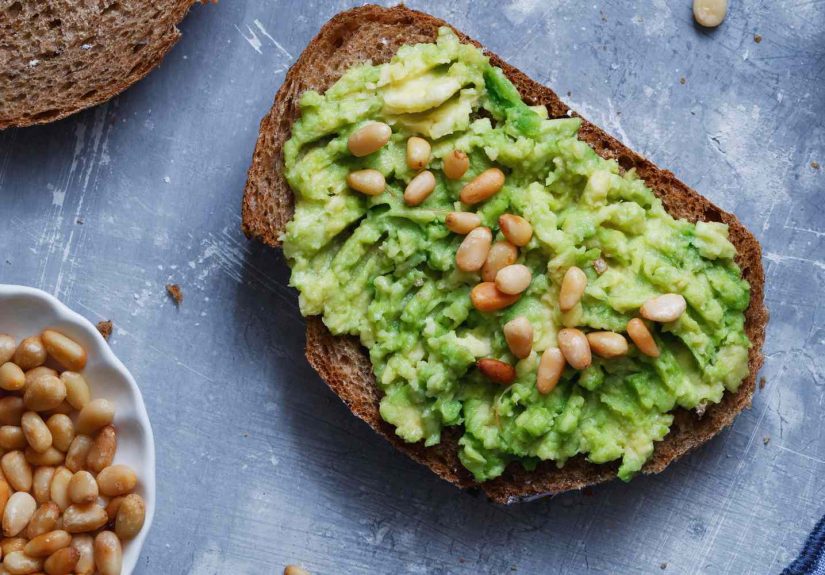
- Enjoy avocado on whole-grain toast with an egg (vitamin D and healthy fat together)
- Toss dark leafy greens (vitamins A, K) with a small amount of vinaigrette or chopped nuts
The key idea: pair colorful, vitamin-rich fruits and vegetables with a modest amount of healthy fats like
nuts, seeds, avocado, or olive oil.
4. Lycopene + Fat: Tomatoes That Really Love Olive Oil
Why they’re better together
Lycopene is a red antioxidant pigment found in tomatoes, watermelon, and pink grapefruit.
It’s fat-soluble, and research suggests that lycopene is better absorbed from cooked tomato products
(like sauce or paste) and when eaten with fat. Heating breaks down the tomato cell walls, and a bit of oil
helps transport lycopene through the digestive tract.
Simple ways to enjoy this pair
- Tomato sauce simmered with olive oil, served over whole-grain pasta
- Shakshuka (eggs cooked in tomato sauce) with a drizzle of extra-virgin olive oil
- Tomato soup topped with pumpkin seeds or a spoonful of pesto
Good news: that cozy bowl of pasta with marinara and a splash of olive oil isn’t just comforting – it also
helps maximize lycopene absorption.
5. Turmeric (Curcumin) + Black Pepper (Piperine)
Why they’re better together
Turmeric’s bright yellow color comes largely from curcumin, a compound studied for its
antioxidant and anti-inflammatory properties. The catch? Curcumin is notoriously hard for the body to absorb.
A compound in black pepper called piperine can increase curcumin’s bioavailability by
slowing its breakdown and helping more of it enter the bloodstream.
How to pair turmeric and black pepper
- Golden milk made with turmeric, black pepper, and a splash of plant or dairy milk
- Turmeric-roasted vegetables seasoned with black pepper and olive oil
- Curry dishes that naturally include both turmeric and pepper in the spice blend
You don’t need fancy supplements to benefit from this pair. Adding a pinch of black pepper whenever you
use turmeric in cooking is a simple habit with potential upside.
6. Vitamin D + Vitamin K2: Helping Calcium Go to the Right Places
Why they’re better together
Think of vitamin D as helping calcium get into your bloodstream, and
vitamin K2 as helping direct that calcium into your bones instead of letting it linger in
soft tissues. Vitamin D boosts calcium absorption from the gut, while vitamin K2 helps activate proteins
that guide calcium into bone and away from blood vessels.
Research suggests this duo may support bone strength and could help reduce the risk of inappropriate calcium
deposits when vitamin D intake is high. It’s an emerging area of research, so professional guidance is
especially important if you’re considering high-dose supplements.
Food sources that support this combo
- Fatty fish (vitamin D) served with fermented foods like natto or certain aged cheeses (vitamin K2)
- Egg yolks and full-fat dairy from animals raised outdoors (may contain both D and K2)
- Balanced meals with some combination of fish, eggs, and fermented foods
7. Vitamin D + Magnesium: Metabolism’s Quiet Partnership
Why they’re better together
Magnesium shows up in hundreds of enzyme-driven reactions, including those that activate
and transport vitamin D in the body. Magnesium is involved in converting vitamin D into
its active form, and vitamin D appears to support magnesium absorption and utilization.
If magnesium intake is low, vitamin D may not work as effectively for bone, muscle, and immune function.
On the flip side, vitamin D can help your body make better use of magnesium – another example of nutrients
cooperating behind the scenes.
Easy ways to eat more magnesium with vitamin D
- Grilled salmon (vitamin D) with a side of quinoa, spinach, or black beans (magnesium)
- Overnight oats made with fortified milk, topped with pumpkin seeds and almonds
- Leafy green salads with nuts and seeds served alongside a vitamin D-rich protein
8. Folate (B9) + Vitamin B12: Cell and Nerve Support Tag Team
Why they’re better together
Folate (vitamin B9) and vitamin B12 are deeply involved in making DNA and
red blood cells. They share pathways in one-carbon metabolism, so if one is missing, the other can’t do its
job properly. Both are important for healthy red blood cells and nerve function, and deficiencies are often
related.
Folate is abundant in vegetables and fortified grains, while B12 is mainly found in animal foods and
fortified products. That’s why people who avoid most animal products are often advised to pay special
attention to B12 intake.
Folate and B12 on your plate
- Eggs or yogurt (B12) with a side of sautéed greens or avocado toast (folate)
- Chickpea or lentil salads (folate) served with a sprinkle of cheese or a boiled egg (B12)
- Fortified breakfast cereals that include both folate and B12, plus fruit
If you’re considering B12 or folate supplements – especially if you’re pregnant, older, or vegan –
get personalized advice from a health professional and ask about testing instead of guessing.
How to Build a Synergistic Plate (Without Overthinking It)
You don’t need a spreadsheet to benefit from nutrient pairing. A few simple habits go a long way:
- Include color + fat: Pair colorful fruits and vegetables with a small amount of healthy fat.
- Mix plants and protein: Combine plant-based iron sources (beans, lentils, greens) with vitamin C-rich foods.
- Use spices smartly: When you cook with turmeric, add a pinch of black pepper and some fat.
- Think “whole meal,” not single food: Ask, “What can I add to this plate to help my body use these nutrients better?”
Over time, these small choices stack up – not just for lab numbers, but for energy, mood, and how satisfied
you feel after meals.
Final Thoughts: Let Your Nutrients Mingle
Instead of chasing “superfoods” one by one, think about how foods work together. Nutrient synergy is less
about complicated rules and more about simple, tasty combinations: veggies with healthy fats, beans with
citrus, turmeric with pepper, and balanced meals that bring different nutrients to the same party.
As always, food is just one piece of the health puzzle. If you have a medical condition, take medications,
or are considering supplements, check in with a healthcare professional for guidance tailored to you.
But for everyday eating, letting your nutrients mingle on the plate is an easy, delicious upgrade.
Real-Life Experiences with Nutrient Pairing
The science of nutrient synergy is fascinating, but what does it look like in real kitchens and real lives?
A lot less like a nutrition textbook and a lot more like small, repeatable habits that slowly change how you
feel day to day.
Imagine someone who’s always struggled with low energy in the afternoon. Their usual lunch is a plain
turkey sandwich and a diet soda. When they learn about vitamin C and iron working together, they start
making small tweaks: they swap in whole-grain bread, add a handful of baby spinach, and throw some sliced
red bell peppers or tomato on the sandwich. On the side, they grab an orange or a cup of fresh berries.
The meal doesn’t feel “diet-y,” but over a few weeks they notice fewer energy crashes not because
they’re eating less, but because their body is using iron more efficiently thanks to vitamin C.
Or think about the person who always ordered a salad with fat-free dressing because it felt like the
“healthier” choice. After learning that vitamins A, D, E, and K are best absorbed with some fat, they
switch to a modest drizzle of olive oil and add avocado slices or a sprinkle of seeds. The salad is
more satisfying, they stay full longer, and they’re quietly absorbing more of those fat-soluble vitamins
from the same bowl of greens. They didn’t change the salad’s base just the way they supported the
nutrients already there.
Another common story: someone experimenting with turmeric for joint comfort. At first, they stir a little
turmeric into water (which, frankly, tastes like spicy chalk) and don’t feel much difference. Once they
learn that curcumin is fat-soluble and that black pepper helps increase its availability, they start making
golden milk with turmeric, black pepper, and milk, or cooking turmeric into curries with oil. Now the habit
is easier because the drink or dish actually tastes good, and the nutrient pairing supports better absorption.
You also see nutrient synergy quietly at work in family meals. A parent who wants stronger bones for
everyone in the house might build dinners around simple patterns: a calcium source, a vitamin D source,
and some magnesium-rich sides. That might mean salmon tacos with cabbage slaw and black beans one night,
or tofu stir-fry with leafy greens, sesame seeds, and fortified rice milk on another. The kids just see
“taco night” and “stir-fry night,” but those meals are deliberately layered with complementary nutrients.
Over time, these kinds of experiences reinforce a powerful idea: you don’t need to be perfect to make
progress. You don’t have to optimize every bite or memorize biochemistry to benefit from nutrient pairing.
Most people who feel better from these changes did one simple thing first they started asking,
“What could I add to this meal to help my body use what I’m already eating?” Maybe it’s olive oil on veggies,
citrus with beans, pepper with turmeric, or a fortified food here and there. Each tiny upgrade is like giving
your nutrients a plus-one to the party. The more often you let them team up, the more your everyday meals
quietly work harder for your health.