Table of Contents >> Show >> Hide
- Quick Anatomy (No Pop Quiz)
- Signs Your Prostate Might Be Enlarged
- Can You Actually “Reduce Prostate Size” Naturally?
- Lifestyle Changes That Can Improve BPH Symptoms (and Sometimes Slow Progression)
- 1) Be strategic with fluids (it’s timing, not dehydration)
- 2) Limit bladder irritants: caffeine and alcohol
- 3) Train your bladder: timed voiding + “double voiding”
- 4) Don’t “hold it” for long stretches
- 5) Review medications that can worsen urination
- 6) Prevent constipation (your prostate will not send a thank-you note, but it will benefit)
- 7) Move more and manage weight
- 8) Try pelvic floor exercises (yes, men have pelvic floors)
- 9) Stay warm, reduce stress, and improve sleep habits
- Diet Patterns for Prostate and Urinary Health
- Supplements: What’s Worth Knowing (and What to Side-Eye)
- Medical Options That Can Reduce Symptoms (and Sometimes Shrink the Prostate)
- Procedures That Reduce Prostate Tissue (When Lifestyle + Meds Aren’t Enough)
- Putting It Together: A Practical 2-Week Symptom-Reset Plan
- Real-Life Experiences Related to Reducing Prostate Size (and Symptoms)
- Conclusion
If you’ve ever wished you could hit “shrink” like it’s a photo editor, you’re not alone. An enlarged prostate
(often due to benign prostatic hyperplasia, or BPH) is common with age, and it can turn
simple stufflike sleeping through the nightinto a recurring event series.
Here’s the important truth up front: most lifestyle changes don’t literally shrink the prostate overnight.
They usually reduce symptoms (like weak stream, urgency, and nighttime peeing) and may help slow progression.
Actual prostate-size reduction is more reliably achieved with certain medications and some procedures.
Still, lifestyle changes can make a big, practical differenceoften the kind you notice this week, not next year.
Quick Anatomy (No Pop Quiz)
The prostate sits below the bladder and wraps around the urethra (the “exit pipe” for urine). When the prostate grows,
it can squeeze that pipe, making the bladder work harder. Over time, that strain can worsen symptoms andsometimeslead to
complications like urinary retention or infections.
Signs Your Prostate Might Be Enlarged
Common BPH (enlarged prostate) symptoms include:
- Frequent urination, especially at night (nocturia)
- Urgency (the “I need a bathroom… yesterday” feeling)
- Weak stream, stopping/starting, or straining
- Feeling like you can’t fully empty your bladder
- Dribbling after urinating
When to seek care sooner (don’t “tough it out”)
Call a clinician promptly if symptoms are escalating or interfering with life. Seek urgent care right away if you
can’t urinate, have significant blood in urine, fever with urinary symptoms, severe pain, or you feel unwell.
Can You Actually “Reduce Prostate Size” Naturally?
“Naturally” depends on what you mean. If the goal is symptom relief, lifestyle changes can be surprisingly effective.
If the goal is measurable shrinkage, that’s more likely with:
- 5-alpha reductase inhibitors (prescription meds that can shrink the prostate over months)
- Procedures/surgeries that remove or destroy prostate tissue
Think of lifestyle changes as making the “traffic flow” better through the urinary tracteven if the “building” itself
hasn’t gotten smaller yet.
Lifestyle Changes That Can Improve BPH Symptoms (and Sometimes Slow Progression)
1) Be strategic with fluids (it’s timing, not dehydration)
You don’t want to cut fluids so hard you get dehydrated. Instead, try front-loading:
drink more earlier in the day and taper later.
- Avoid large drinks close to bedtime (many people aim for a 2-hour “fluid curfew”).
- Don’t chug a giant bottle at once; spread fluids throughout the day.
- If you’re up at night a lot, experiment with reducing evening soups, watery fruits, and late herbal teas.
Real-world example: If you usually drink most of your water after dinner, shift two glasses to the afternoon for a week and track nighttime trips.
2) Limit bladder irritants: caffeine and alcohol
Caffeine and alcohol can increase urine production and irritate the bladder, making urgency and nocturia worse.
You don’t have to give up joy foreverjust test your personal “threshold.”
- Try switching from regular to half-caf or decaf after lunch.
- Keep alcohol earlier and smaller; late-night drinks often come with late-night consequences.
- Watch carbonated drinks and very acidic beverages if they trigger urgency.
3) Train your bladder: timed voiding + “double voiding”
Timed voiding means peeing on a schedule (for example, every 2–3 hours) instead of waiting until urgency peaks.
Double voiding means you urinate, wait 10–30 seconds, relax, and try again to empty a bit more.
These don’t shrink the prostate directly, but they can reduce “leftover urine,” urgency, and the feeling of incomplete emptying.
4) Don’t “hold it” for long stretches
Regularly delaying urination can aggravate symptoms and make the bladder crankier. If your day is packed with meetings,
build in planned bathroom breaks like they’re importantbecause they are.
5) Review medications that can worsen urination
Some over-the-counter cold and allergy meds can make urination harder, especially certain
decongestants and antihistamines. If you notice symptoms spike when you’re sick,
check labels and ask a pharmacist or clinician about safer alternatives for you.
6) Prevent constipation (your prostate will not send a thank-you note, but it will benefit)
Constipation can worsen urinary symptoms by increasing pressure in the pelvis and making it harder to empty the bladder.
Simple moves that help:
- Increase fiber (beans, oats, berries, veggies) gradually
- Stay hydrated earlier in the day
- Move your body daily
7) Move more and manage weight
Research links obesity and inactivity with worse lower urinary tract symptoms (LUTS). Regular physical activity may help reduce symptom severity,
support metabolic health, and potentially slow progression.
- Start with brisk walking 20–30 minutes most days if you’re currently inactive.
- Add strength training 2–3 times per week (even bodyweight counts).
- If you sit a lot, take brief movement breaksyour bladder likes intermissions too.
8) Try pelvic floor exercises (yes, men have pelvic floors)
Pelvic floor muscle training can help some men with urinary control and urgency. A pelvic health physical therapist can be especially helpful,
because doing the “wrong muscles” is a common issue (glutes and abs love to volunteer).
9) Stay warm, reduce stress, and improve sleep habits
Cold can worsen urinary symptoms for some people, and stress can make urgency feel more intense.
If nocturia is your main villain, also consider:
- Leg elevation in the late afternoon (for those with ankle swelling) to shift fluid earlier
- Consistent sleep timing
- Limiting late-evening salty foods that may increase overnight fluid shifts
Diet Patterns for Prostate and Urinary Health
There’s no single “magic prostate menu,” but a heart-healthy eating pattern often overlaps with prostate-friendly habits:
plenty of plants, lean proteins, healthy fats, and fewer ultra-processed foods.
Foods and habits that may help
- High-fiber foods to reduce constipation-triggered urinary symptoms
- Vegetables and fruits (aim for variety and color)
- Fish, nuts, olive oil (healthy fats)
- Portion awareness to support weight management
Foods and habits that may worsen symptoms (for some people)
- Excess caffeine, alcohol, and late-evening fluids
- Very spicy foods (some people notice urgency flares)
- Large late-night meals (can worsen nighttime urination for certain individuals)
Supplements: What’s Worth Knowing (and What to Side-Eye)
Supplements are popular for enlarged prostate symptomsespecially saw palmetto. But large, higher-quality studies and reviews have generally found
that saw palmetto performs about the same as placebo for urinary symptoms.
If you’re considering supplements anyway, keep three rules:
- Tell your clinician (supplements can interact with meds or affect surgery planning).
- Choose reputable brands (quality varies widely).
- Set a “trial window” (for example, 8–12 weeks) and stop if there’s no benefit.
Medical Options That Can Reduce Symptoms (and Sometimes Shrink the Prostate)
If lifestyle changes aren’t enoughor symptoms are moderate to severemedical therapy can help. Clinicians often use symptom scores
(like the AUA Symptom Index / IPSS), prostate size estimates, and testing to guide treatment.
Alpha blockers: “relax the squeeze”
Alpha blockers (such as tamsulosin) relax smooth muscle in the prostate and bladder neck, helping urine flow more easily.
They can work relatively quickly for symptoms, but they typically don’t shrink the prostate.
5-alpha reductase inhibitors: “shrink over months”
Medications like finasteride or dutasteride can shrink prostate tissue by blocking hormonal conversion involved in prostate growth.
They may take several months to show strong benefit, and they can have side effects (discuss risks/benefits with a clinician).
Combination therapy: when one tool isn’t enough
Some men benefit from using an alpha blocker for faster symptom relief plus a 5-alpha reductase inhibitor for longer-term reduction in progression risk,
especially when the prostate is larger.
Tadalafil (daily): a dual-purpose option for some men
Tadalafil 5 mg daily is approved for LUTS/BPH in some settings, including men who also have erectile dysfunction.
It’s not right for everyoneespecially if you take nitrates or certain blood pressure medicationsso clinician guidance matters.
Procedures That Reduce Prostate Tissue (When Lifestyle + Meds Aren’t Enough)
If symptoms are severe, complications develop (like repeated urinary retention), or meds aren’t tolerated, procedures can help.
Options vary by prostate size, anatomy, health status, and goals (like preserving ejaculation).
Minimally invasive therapies
- Thermal or energy-based treatments that destroy or reduce tissue
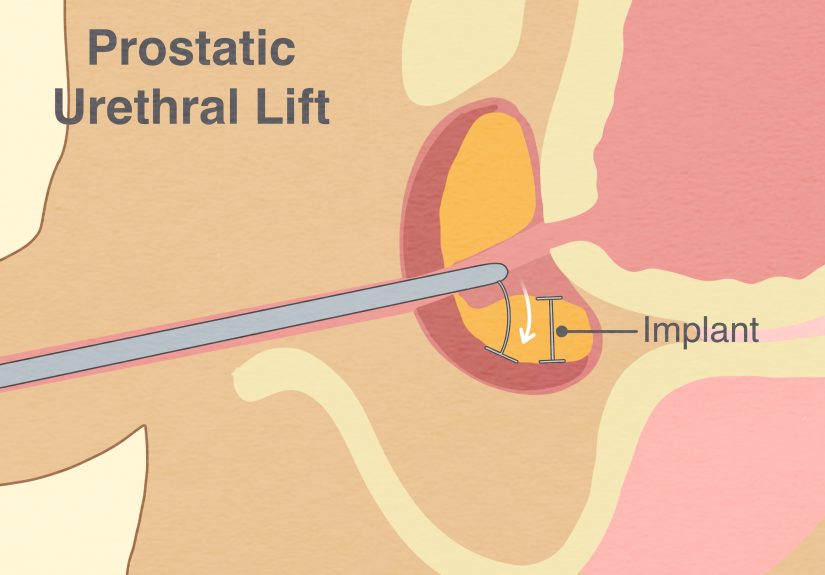
- Implant-based approaches that open the urethral channel (may improve flow without removing much tissue)
Surgical options
Surgeries like TURP and laser procedures (for example, HoLEP) remove obstructing tissue more definitively. They can be highly effective,
especially for more advanced cases, but come with recovery considerations and risks that should be reviewed carefully.
Putting It Together: A Practical 2-Week Symptom-Reset Plan
If you want an organized way to test lifestyle changes without turning your life into a spreadsheet (unless you love spreadsheets),
try this two-week plan:
Week 1: Reduce triggers
- Move caffeine earlier: none after lunch
- Stop big evening fluids: taper after dinner
- Try timed voiding: every 2–3 hours
- Add a 20-minute daily walk
Week 2: Improve emptying + pelvic habits
- Add double voiding before bed
- Increase fiber (slowly) to prevent constipation
- Practice pelvic floor exercises (ideally with instruction)
- Review OTC meds (cold/allergy products) with a pharmacist if needed
Track two things: (1) nighttime bathroom trips, and (2) urgency episodes. If there’s no improvementor symptoms worsenbring those notes to a clinician.
Data beats vague suffering every time.
Real-Life Experiences Related to Reducing Prostate Size (and Symptoms)
People dealing with BPH often describe the experience less like a “disease” and more like a persistent, needy roommate who
keeps texting: “Bathroom? Bathroom? Bathroom?” The good news is that small changes can create surprisingly noticeable wins,
even before anyone talks about prescriptions or procedures.
One common story looks like this: a guy realizes his “one last drink” routine is actually three last drinkswater, tea, and
a “healthy” bowl of soupright before bed. He isn’t doing anything wrong; he’s just unknowingly scheduling a midnight reunion
tour. When he shifts most fluids earlier in the day and keeps evenings lighter, the nighttime wake-ups often drop. Not to zero,
not to a magical “sleep like a teenager” levelbut enough to feel human again.
Another frequent experience is the caffeine surprise. Someone swears coffee doesn’t affect them because they “sleep fine.”
But BPH isn’t always about falling asleepit’s about staying asleep. They try a simple experiment: no caffeine after lunch for
10 days. They don’t suddenly become a monk. They just stop giving their bladder a standing ovation at 2:00 a.m. For many,
that tweak alone reduces urgency or nocturia enough that the day feels less foggy.
Then there’s the “cold medicine trap.” A person catches a cold, grabs an OTC decongestant, and suddenly urinary symptoms take a
sharp turn for the worse. It’s alarmingbecause it’s fast. They learn (usually the hard way) that certain cold and allergy meds
can tighten urinary pathways or reduce bladder function. After swapping products with pharmacist guidance, things often settle down.
The takeaway isn’t “never treat your cold.” It’s “treat your cold like someone who also owns a prostate.”
Movement stories are encouraging because they’re so doable. Plenty of men report that when they start walking most daysnothing dramatic,
just consistenturgency improves and they feel more in control. The benefit may come from weight changes, stress reduction, better sleep,
or all of the above. And it’s one of the few interventions that helps almost everything else, too (heart health, mood, energy).
Finally, people who choose medication or a procedure often describe a shift from “quietly coping” to “why did I wait so long?”
Not because they love taking pills or scheduling appointments, but because the daily burden of urinary symptoms is easy to underestimate
until it’s gone. The best outcomes usually come when lifestyle changes are paired with the right medical planmeaning someone isn’t relying
on willpower alone, and they aren’t ignoring the basics either. In real life, it’s not lifestyle versus medicine. It’s lifestyle plus
the right next step, chosen at the right time.
Conclusion
Reducing prostate size isn’t always a DIY projectbut improving BPH symptoms often is. Smart fluid timing, limiting caffeine and alcohol,
bladder training, constipation prevention, and regular physical activity can meaningfully reduce urinary symptoms and improve sleep.
If you need more than lifestyle changes, medications and procedures can helpsome of them actually shrink prostate tissue over time.
The goal is simple: fewer disruptions, better flow, and a bladder that stops acting like it has a subscription to your attention.