Table of Contents >> Show >> Hide
- Why skillet dinners work so well on busy weeknights
- Skillet dinner setup tips (so these recipes fly)
- 1) Creamy Tuscan Chicken Skillet (weeknight fancy, zero effort fancy)
- 2) Sizzling Steak Fajita Skillet (the 15-minute shortcut to “restaurant sizzle”)
- 3) Shrimp Scampi Skillet (bright, garlicky, and done before the pasta finishes complaining)
- 4) Skillet Sausage Lasagna (the “lasagna craving” workaround)
- 5) One-Skillet Chicken and Rice (cozy, practical, and meal-prep friendly)
- 6) Skillet Shakshuka (eggs poached in spiced tomato sauce)
- 7) Crispy Gnocchi Skillet with Sausage and Greens (comfort food, but make it fast)
- 8) Enchilada Skillet (all the flavor, none of the tortilla-rolling)
- Make these skillet dinners even faster (smart shortcuts that still taste legit)
- Conclusion: Your skillet is the weeknight MVP
- Real-life experiences with “dinner in a flash” skillet cooking
Some nights, dinner needs to happen fast. Not “I’ll lovingly braise something for three hours” fast. More like “I have 32 minutes before everyone turns feral” fast. That’s where skillet recipes save the day.
A good skillet is basically the kitchen equivalent of a Swiss Army knife: it sears, sautés, simmers, and can even finish under the broiler. Better yet, skillet dinners build big flavor quickly because browning creates those tasty little bits (aka fond) that turn into instant sauce when you deglaze. Translation: quick dinner, fewer dishes, happier humans.
Why skillet dinners work so well on busy weeknights
- High heat = speed + flavor. You can brown proteins fast, then use the same pan to cook everything else.
- One pan, fewer problems. Less cleanup and fewer moving parts (literally).
- Built-in sauce magic. Deglazing with broth, wine, lemon, or even just a splash of water lifts flavor right off the pan.
- Flexible by design. Swap proteins, vegetables, and spices based on what’s in your fridgeno culinary drama required.
Skillet dinner setup tips (so these recipes fly)
Pick the right pan
A 10–12 inch skillet is the sweet spot for most one-pan meals. Cast iron is great for searing and heat retention. Stainless steel is fantastic for fond and pan sauces. Nonstick shines for eggs and delicate fish, but don’t crank it to “surface of the sun.”
Cook in stages
The fastest skillet meals aren’t “dump everything in at once” meals. They’re “brown this first, then build flavor” meals. If your pan feels crowded, cook the protein in batches or start with aromatics and add quick-cooking items later (like spinach, peas, herbs, and shrimp).
Food safety in one sentence
If you’re cooking poultry, use a thermometer and aim for 165°F (then let it rest a couple minutes). It’s the simplest way to keep “quick dinner” from turning into “long night.”
1) Creamy Tuscan Chicken Skillet (weeknight fancy, zero effort fancy)
This is the “I want restaurant vibes but I also want to be horizontal by 8:30” skillet dinner: seared chicken in a creamy garlic-Parmesan sauce with spinach and sun-dried tomatoes.
What you’ll need
- 1½ lb boneless skinless chicken breasts or thighs (cutlets cook fastest)
- Salt, pepper, Italian seasoning
- 2 tbsp olive oil
- 3–4 cloves garlic, minced
- ½ cup chopped sun-dried tomatoes (oil-packed is easiest)
- ¾ cup chicken broth
- ¾ cup heavy cream (or half-and-half for lighter)
- ½ cup grated Parmesan
- 2 big handfuls baby spinach
- Optional: red pepper flakes, lemon zest
How to make it (about 25–35 minutes)
- Season chicken. Sear in hot oil 4–6 minutes per side (until browned). Remove to a plate.
- Lower heat to medium. Add garlic and sun-dried tomatoes; cook 30–60 seconds.
- Pour in broth and scrape up browned bits. Add cream and Parmesan; simmer until slightly thick.
- Stir in spinach until wilted. Return chicken and any juices; simmer until cooked through.
- Finish with pepper, optional chili flakes, and a tiny hit of lemon zest to brighten.
Why it works
Searing first builds a flavor foundation; simmering finishes the chicken gently and prevents the “dry chicken tragedy” we all pretend hasn’t happened to us.
2) Sizzling Steak Fajita Skillet (the 15-minute shortcut to “restaurant sizzle”)
Fajitas are basically “dinner in a loud pan.” You get charred peppers, juicy steak, and a limey finishall in one skillet. Tortillas do the heavy lifting. Bless them.
What you’ll need
- 1–1¼ lb flank or skirt steak (or sirloin)
- 2 bell peppers, sliced
- 1 large onion, sliced
- 2 tbsp oil
- Seasoning: 1½ tsp chili powder, 1 tsp cumin, 1 tsp smoked paprika, ½ tsp garlic powder, salt, pepper
- 1 lime
- To serve: tortillas, cilantro, salsa, avocado, sour cream
How to make it (about 20–30 minutes, including slicing)
- Pat steak dry; season generously.
- Heat skillet until very hot. Sear steak 3–5 minutes per side (depends on thickness). Rest on a board.
- Add onions and peppers to the same skillet with a splash of oil if needed; cook until browned-tender.
- Slice steak against the grain. Toss back into the skillet with veggies and squeeze in lime.
Flash upgrade
Add a tablespoon of butter at the end and let it melt over the steak and peppers. It’s not required, but it is highly persuasive.
3) Shrimp Scampi Skillet (bright, garlicky, and done before the pasta finishes complaining)
Classic scampi energy: garlic, butter, lemon, and shrimp that cook in minutes. The only rule is: don’t overcook the shrimp, or they’ll go from “tender” to “rubber band cosplay.”
What you’ll need
- 1 lb shrimp, peeled and deveined
- Salt, pepper, red pepper flakes (optional)
- 2 tbsp olive oil
- 3–5 cloves garlic, thinly sliced or minced
- 3 tbsp butter
- ¼ cup dry white wine or chicken broth
- 1 lemon (zest + juice)
- Parsley
- To serve: crusty bread, rice, or pasta
How to make it (15–20 minutes)
- Season shrimp.
- Heat oil over medium-high. Cook shrimp 1–2 minutes per side until just pink; remove.
- Lower heat to medium. Add garlic; cook briefly until fragrant (don’t brown it).
- Add wine/broth and lemon juice; simmer 1–2 minutes. Whisk in butter.
- Return shrimp and toss 30–60 seconds. Finish with lemon zest and parsley.
Why it works
You’re using the skillet like a sauce factory: quick sear, quick deglaze, quick emulsified butter sauce. Big flavor, tiny timeline.
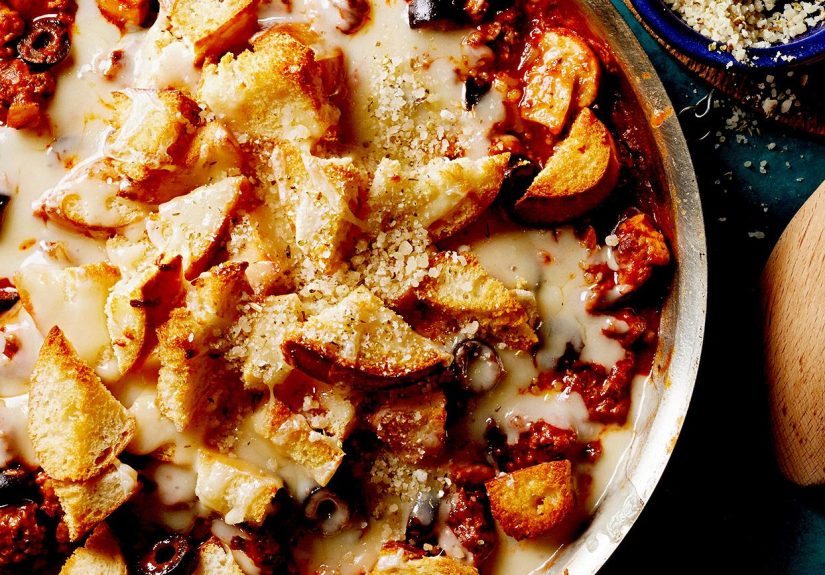
4) Skillet Sausage Lasagna (the “lasagna craving” workaround)
Traditional lasagna is wonderfulalso a commitment. Skillet lasagna scratches the same itch with broken noodles, marinara, sausage, and a cheese finish that feels wildly unfair for how little effort it takes.
What you’ll need
- 1 lb Italian sausage (or ground turkey/beef)
- 1 tbsp olive oil (if sausage is lean)
- 2–3 cloves garlic, minced
- 24 oz marinara
- 1½–2 cups water or broth
- 8 oz lasagna noodles, broken into 2-inch pieces
- 1 cup ricotta
- 1½–2 cups shredded mozzarella
- Optional: basil, spinach, red pepper flakes
How to make it (30–40 minutes)
- Brown sausage in a deep skillet; drain excess fat if needed. Add garlic and cook briefly.
- Stir in marinara and water/broth. Add broken noodles. Bring to a simmer.
- Cover and cook, stirring occasionally, until noodles are tender (about 12–15 minutes).
- Dollop ricotta over the top, sprinkle mozzarella, cover until melted (or broil 1–3 minutes).
- Finish with basil and a little pepper.
Skillet move
If it looks too thick while the noodles cook, add a splash of water. If it looks too thin at the end, simmer uncovered for a minute. Lasagna is forgiving like that.
5) One-Skillet Chicken and Rice (cozy, practical, and meal-prep friendly)
This is the weeknight classic: browned chicken, fragrant rice, and a single pan doing the work while you pretend you’re not exhausted.
What you’ll need
- 1½ lb chicken thighs (boneless or bone-in; thighs stay juicy)
- Salt, pepper, paprika
- 1 tbsp oil
- 1 small onion, diced
- 2 cloves garlic
- 1½ cups long-grain rice
- 3 cups chicken broth
- Optional: frozen peas, chopped carrots, lemon, parsley
How to make it (40–55 minutes, mostly hands-off)
- Season chicken. Brown in oil until golden; remove to a plate.
- Sauté onion (and carrots if using) until softened; add garlic.
- Stir in rice; toast 1 minute to boost flavor.
- Add broth; bring to simmer. Nestle chicken back in, cover, reduce heat to low.
- Cook until rice is tender and chicken is cooked through. Add peas at the end to warm.
Why it works
Toasted rice + browned chicken = depth without extra steps. And the covered simmer keeps everything moistyour pan becomes a gentle steam room for dinner.
6) Skillet Shakshuka (eggs poached in spiced tomato sauce)
Shakshuka is one of the fastest “wow” meals you can make in a skillet: simmer a bold tomato-pepper sauce, crack in eggs, cover, and suddenly you look like someone who has it together.
What you’ll need
- 1 tbsp olive oil
- 1 onion, diced
- 1 bell pepper, diced (any color)
- 2–3 cloves garlic
- 2 tsp paprika (smoked is great), 1 tsp cumin, pinch chili flakes
- 1 tbsp tomato paste
- 1 can (28 oz) whole peeled tomatoes, crushed by hand
- 4–6 eggs
- Optional: feta, parsley/cilantro, olives
- To serve: pita, toast, or crusty bread
How to make it (25–35 minutes)
- Sauté onion and pepper until soft. Add garlic and spices; stir until fragrant.
- Add tomato paste; cook 1 minute. Add tomatoes and simmer 10–15 minutes to thicken.
- Make small wells in the sauce. Crack in eggs.
- Cover and cook until whites are set and yolks are still a little jammy (5–8 minutes).
- Top with feta and herbs; serve immediately.
Quick variation
Add a can of chickpeas or white beans to the sauce for extra protein and a heartier “dinner” feel.
7) Crispy Gnocchi Skillet with Sausage and Greens (comfort food, but make it fast)
Shelf-stable or refrigerated gnocchi is a weeknight cheat code. Crisp it in a hot skillet, add sausage and greens, and you get a meal that tastes like you planned your life.
What you’ll need
- 1 lb refrigerated gnocchi
- 8–12 oz Italian sausage (or chicken sausage)
- 1 tbsp olive oil
- 1 pint cherry tomatoes (or 1 cup chopped tomatoes)
- 3 cloves garlic
- 4 cups baby spinach or chopped kale
- Optional: lemon, Parmesan, red pepper flakes
How to make it (20–30 minutes)
- Brown sausage in the skillet; remove and slice if needed.
- Add gnocchi with a little oil. Cook until golden and crisp on multiple sides.
- Add garlic and tomatoes; cook until tomatoes burst and get saucy.
- Stir in greens until wilted. Return sausage. Finish with lemon and Parmesan.
Why it works
Crisp gnocchi behaves like a cross between pasta and potatoes: satisfying, fast, and ridiculously good at soaking up pan sauce.
8) Enchilada Skillet (all the flavor, none of the tortilla-rolling)
Enchiladas are delicious. Rolling each one can feel like a craft project you did not consent to. This skillet version stacks tortillas with seasoned meat, sauce, and cheesesame vibes, faster finish.
What you’ll need
- 1 lb ground beef or turkey (or shredded rotisserie chicken)
- 1 small onion, diced
- 1 packet taco seasoning (or chili powder + cumin + garlic powder)
- 1 can enchilada sauce (10–15 oz)
- 6–8 small corn tortillas, cut into wedges
- 1½–2 cups shredded Mexican-blend cheese
- Optional: black beans, corn, green chiles
- To serve: cilantro, sour cream, jalapeños, lime
How to make it (25–35 minutes)
- Brown meat with onion. Add seasoning.
- Stir in enchilada sauce and optional beans/corn.
- Fold in tortilla wedges so they soften in the sauce.
- Top with cheese, cover until melted (or broil briefly for bubbly edges).
- Add toppings and serve hot.
Skillet trick
For crispier edges, simmer uncovered for 2–3 minutes before adding cheese. That reduces sauce a bit and helps the tortilla pieces get lightly toasted at the edges.
Make these skillet dinners even faster (smart shortcuts that still taste legit)
- Use pre-cut veggies (yes, they cost more; yes, they are worth it on busy nights).
- Choose quick proteins like shrimp, thin chicken cutlets, or ground meat.
- Keep a “skillet pantry”: marinara, canned tomatoes, broth, tortillas, rice, beans, garlic, Parmesan.
- Finish with something bright: lemon, vinegar, fresh herbs, pickled jalapeñossmall additions that make flavors pop.
Conclusion: Your skillet is the weeknight MVP
If you want quick dinner ideas that don’t taste like a compromise, skillet recipes are the move. They’re fast, flexible, and they build flavor like you had a planeven when your plan was “survive.”
Start with one or two of these, then riff: swap proteins, rotate vegetables, change the spice profile. The skillet doesn’t judge. It just delivers.
Real-life experiences with “dinner in a flash” skillet cooking
If you’ve ever tried to cook a weeknight meal while answering texts, supervising homework, and negotiating with a pet who believes your cutting board is their personal observation deck, skillet dinners start to feel less like a cooking style and more like a coping strategy. And the best part? Once you get a few habits down, you can turn “random ingredients” into “I meant to do that” surprisingly often.
One common experience: the moment you realize prep is the real timer. The actual cooking may take 20 minutes, but if you’re slicing onions mid-sear, you’ll feel behind before you even start. Many home cooks find that the biggest “speed boost” isn’t a fancy gadgetit’s simply doing a quick five-minute mise en place: slice the onion, mince the garlic, open the can, measure the broth. Suddenly, the skillet becomes a smooth, continuous flow instead of a frantic scavenger hunt for the paprika you swear you bought.
Another very real skillet moment: overcrowding the pan. It happens when you’re hungry and impatient and you convince yourself the skillet “can handle it.” (It cannot.) Crowding steams food instead of browning it, which is how steak fajitas become “gray fajitas,” a dish with the emotional energy of a rainy Tuesday. The experience most cooks report after learning this the hard way: do the protein first, remove it, then cook the vegetables. It feels like an extra step, but it’s actually faster because you’re not fighting moisture the whole time.
Skillet sauces also teach a surprisingly useful lesson: don’t fear the browned bits. Beginners sometimes think the fond is “burnt” and scrub it off too early. But those browned bits are where weeknight flavor lives. Deglazing feels like a magic trick the first time you do itone splash of broth or wine, a quick scrape, and suddenly you have the beginning of a sauce that tastes like you knew what you were doing. Tuscan chicken is a prime example: the sauce isn’t complicated, but when it picks up that seared flavor from the pan, it becomes something you’d happily serve to guests without making excuses.
Then there’s the “I need dinner to be flexible” experience. Skillet dinners win here because they forgive substitutions. No spinach for the gnocchi skillet? Use kale or arugula. No sausage? Try chickpeas or shredded rotisserie chicken. Shakshuka is famous for this kind of adaptabilityonce the tomato sauce is good, you can add beans, wilted greens, or leftover roasted vegetables and it still tastes intentional.
Finally, there’s the emotional payoff: the tiny thrill of turning off the stove, looking at one pan, and thinking, “That’s it. That’s all I have to wash.” Skillet cooking doesn’t just save time; it saves energy. And on the nights when your brain is running on fumes, that matters as much as the food. The more you cook this way, the more you build a personal “skillet instinct”a sense for when to crank heat, when to cover, when to add a splash of liquid, and when to finish with lemon so everything tastes bright and alive. That’s the real “dinner in a flash” secret: the skillet teaches you speed by repetition, not perfection.