Table of Contents >> Show >> Hide
- 1. Hydrangeas Have a Very Thirsty Name
- 2. They’re World Travelers With Deep Roots in Asia and the Americas
- 3. Some Hydrangeas Really Do Change Color (But Not All)
- 4. Sun or Shade? It Depends on the Type
- 5. Those Big “Petals” Aren’t Really Petals
- 6. Hydrangeas Are Gorgeousbut Toxic to Pets
- 7. They Can Put on a Four-Season Show
- 8. Hydrangea Blooms Dry Beautifully for Décor
- Bonus: of Real-World Hydrangea Experience
- Conclusion
If you think hydrangeas are just those fluffy pink and blue shrubs in your neighbor’s yard, think again. These dramatic bloom machines are full of secrets: they can change color like mood rings, have a name that basically means “water jug,” and yesyour dog really shouldn’t snack on them. Whether you’re planning a cottage-style border or just want to understand the divas already in your yard, these surprising hydrangea facts will help you see them in a whole new light.
1. Hydrangeas Have a Very Thirsty Name
Hydrangeas sound fancy, but their name is surprisingly practical. It comes from the Greek words hydor (water) and angeion (vessel or jar). Put them together and you essentially get “water vessel,” a nod to both their seed capsules and their love of moisture.
This is one plant that lives up to its name. Hydrangeas have relatively shallow root systems that dry out faster than deeper-rooted shrubs. That’s why they tend to wilt dramatically on hot afternoons, then pop back up once the soil cools and they get a drink. It’s less “I’m dying!” and more “I’m a little dehydrated and very dramatic.”
In practical terms, that means consistent moisture is key. Most hydrangeas prefer evenly moist, well-drained soil rather than heavy clay that stays soggy or sand that dries out instantly. If you garden in hot summers, mulch around the base of the plant to help lock in water and keep those “water vessels” from going into crisis mode.
2. They’re World Travelers With Deep Roots in Asia and the Americas
Hydrangeas may feel like the ultimate classic American yard shrub, but they’re actually global citizens. The hydrangea genus includes dozens of species native to Asia and the Americas, with the greatest diversity found in Japan, China, and Korea. Many of the beloved bigleaf hydrangeas that star in American gardens were first cultivated in Japan before traveling to Europe and then to North America.
Interestingly, the genus was first described scientifically using plants from Virginia. So while hydrangeas are deeply associated with misty Japanese temples and European estate gardens, they also have long-standing roots in the New World. Today, breeders around the globe create new varieties, from compact patio-friendly shrubs to towering panicle hydrangeas that can be trained into small trees.
For gardeners, this global background means one thing: variety. You can choose from smooth hydrangeas native to eastern North America, oakleaf hydrangeas with bold foliage and fall color, or Asian-origin bigleaf and mountain hydrangeas that bring those iconic pink, purple, or blue mophead blooms.
3. Some Hydrangeas Really Do Change Color (But Not All)
This might be the most famous hydrangea fact: the flowers can change color based on the soil conditions. But here’s the twistonly certain types do this, and even then, it’s not as simple as tossing a handful of coffee grounds around and hoping for the best.
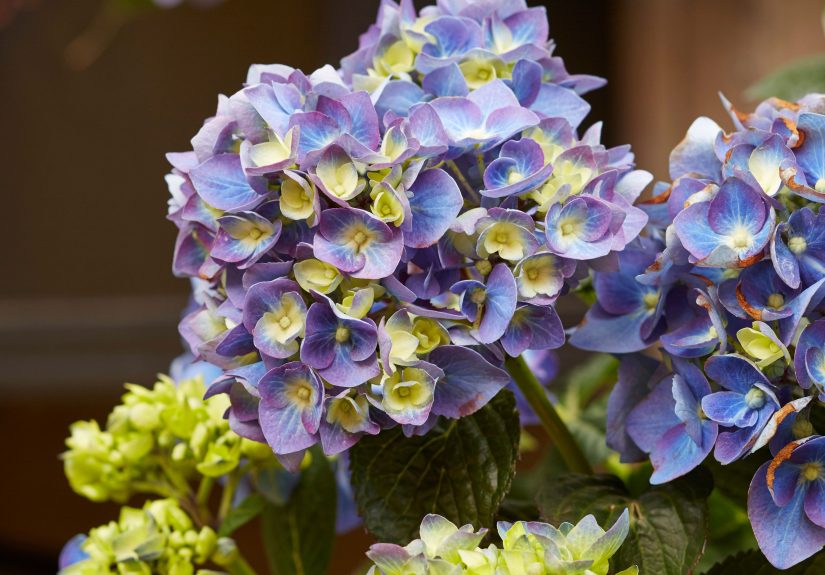
Bigleaf hydrangeas and some mountain hydrangeas can shift between pink, purple, and blue tones depending on soil pH and aluminum availability. In acidic soil where aluminum is available, blooms trend blue. In more alkaline soil, aluminum gets locked up and flowers lean pink or even reddish. Neutral-ish soil in between can produce pretty lavender and purple shades.
Not every hydrangea got the color-change memo. White varieties typically stay white regardless of your soil chemistrythey simply don’t produce the pigments needed to shift shades. Panicle and oakleaf hydrangeas also don’t flip between pink and blue. So before you start trying to “turn” your hydrangea, make sure it’s actually one of the color-flexible types.
And one more surprise: changes don’t happen overnight. Adjusting soil pH is a slow process, and it can take a season or more before you see dramatic differences in bloom color. Think of it as a long-term experiment, not an instant makeover.
4. Sun or Shade? It Depends on the Type
If you’ve ever been told “hydrangeas are shade plants,” you’ve only heard half the story. Light needs vary a lot by species, which is why some hydrangeas sulk in sun while others absolutely bask in it.
- Bigleaf hydrangeas (the classic pink and blue mopheads) usually prefer morning sun and afternoon shade. Too much hot afternoon sun can scorch leaves and stress the plant.
- Oakleaf hydrangeas handle deeper shade better than most, especially in woodland-style gardens. They’ll still bloom in part shade and reward you with gorgeous fall color.
- Panicle hydrangeas (with cone-shaped white blooms that age to pink) are surprisingly sun-tolerant and often thrive in full sun, especially in cooler climates.
- Smooth hydrangeas (like the classic ‘Annabelle’) do well in part shade but can also tolerate more sun if kept well watered.
The big surprise here is that “plant all hydrangeas in deep shade” is outdated advice. Too much shade can mean fewer or smaller blooms. The sweet spot for many gardeners is a location with bright morning sun, dappled midday light, and protection from the fiercest afternoon heat.
5. Those Big “Petals” Aren’t Really Petals
Take a close look at a hydrangea flower head and you’ll notice something interesting: the big, showy “petals” on the outside aren’t true petals at all. They’re actually modified sepalsstructures that usually protect a flower bud. The actual flowers are smaller, often clustered in the center of lacecap varieties.
Mophead hydrangeas are dominated by these larger, sterile sepals, which is why they look like big puffs of color. Lacecap hydrangeas, on the other hand, are a bit more subtle and wild-looking: tiny fertile flowers form a cluster in the middle, surrounded by a ring of larger, showy sepals.
This structure is great for pollinators. While humans fall in love with the oversized sepals, bees and other insects head straight for the fertile center flowers. If you want a hydrangea that’s both beautiful and pollinator-friendly, a lacecap or panicle type often offers more nectar access than dense mopheads.
6. Hydrangeas Are Gorgeousbut Toxic to Pets
Here’s a less glamorous fact every pet parent needs to know: hydrangeas are toxic to dogs, cats, and horses if ingested. The leaves, flowers, and buds contain compounds called cyanogenic glycosides, which can release cyanide when metabolized in the body.
That sounds dramaticand it can be. Symptoms usually include vomiting, diarrhea, drooling, and lethargy. Severe cases are less common, but any suspected hydrangea snacking should earn an immediate call to your veterinarian or an emergency clinic.
Does that mean you need to rip every hydrangea out of the yard? Not necessarily. Many pet owners safely grow hydrangeas by planting them where curious pets can’t easily chew thembehind low fences, in beds out of daily play zones, or in front yards if pets primarily stay in the back. The key is awareness: treat hydrangeas as you would other toxic ornamentals, like lilies or oleander, and plan your landscape accordingly.
7. They Can Put on a Four-Season Show
Most people think of hydrangeas as summer flowers, but many varieties offer multi-season interest if you know how to use them. The big blooms often age beautifully, shifting from fresh white, blue, or pink to antique shades of green, rose, and burgundy as fall approaches.
Oakleaf hydrangeas are especially generous, combining large cone-shaped flower clusters with bold, oak-shaped leaves. In fall, those leaves often turn shades of red, orange, or deep wine, turning the plant into a glowing shrub just as the rest of the garden starts to fade. Panicle hydrangeas also age gracefully, with white blooms flushing pink or red as nights cool.
One of the simplest tricks for winter interest is to leave some of the dried flower heads in place rather than cutting them off in fall. They catch frost and snow beautifully and add texture to an otherwise bare landscape. Think of them as nature’s built-in winter décor.
8. Hydrangea Blooms Dry Beautifully for Décor
Here’s a fun decorating secret: hydrangea flowers are fantastic for drying, and you don’t always need fancy equipment or complicated techniques to do it. In many cases, you can simply cut the blooms at the right stage and let them dry in a vase with little to no water.
The best time to cut for drying is when the flowers feel slightly papery to the touch and their color has started to softenoften late summer into early fall. If you cut them when they’re still very fresh and soft, they’re more likely to wilt or brown instead of drying gracefully.
Once cut, you can:
- Stand the stems in a vase with just an inch or two of water and let it evaporate naturally.
- Hang small bunches upside down in a cool, dry place.
- Use dried blooms in wreaths, centerpieces, or seasonal arrangements.
Dried hydrangeas naturally lean toward vintage, muted huesthink dusty rose, sage green, and parchment cream. They’re perfect if your style leans cottage, farmhouse, or romantic. Just keep them out of direct sun to help preserve what color remains.
Bonus: of Real-World Hydrangea Experience
Learning the Hard Way (Or, Why My Hydrangea Hated Me)
Ask any gardener about their first hydrangea and you’ll usually get a story that begins with optimism and ends with confusion. My own saga started with a bigleaf hydrangea I impulsively brought home because the tag promised “huge blue flowers.” I planted it in a west-facing spot next to the driveway, went inside feeling victorious, and came back out the next afternoon to find it drooping like it had just heard terrible news.
That was my introduction to the delicate art of hydrangea placement. Full, blazing afternoon sun bouncing off pavement? Not ideal. After babying it all summer with extra water and shade cloth, I finally moved it to a spot with morning sun and dappled afternoon light. The next year, it rewarded me with plump blooms and far fewer drama-queen wilt episodes.
The takeaway: if your hydrangea looks miserable, it’s often a location issue rather than a personality flaw. Watch how the sun moves across your yard during the day. Morning sun and afternoon shade is often the sweet spot for bigleaf varieties, especially in warmer climates.
The Great Color-Changing Experiment
Once my hydrangea stopped fainting every afternoon, I decided to tackle the next challenge: bloom color. The plant came home with bright blue flowers, but the next year they bloomed a murky pinkish-purple that looked like someone had washed blue jeans with a red sock. That’s when I went down the rabbit hole of soil pH and aluminum availability.
I picked up a simple soil test kit and discovered my soil was closer to neutral than acidic, which explained the color shift. Instead of panicking, I turned it into an experiment. On one side of the shrub, I applied a soil acidifier over several months. On the other, I lightly limed the soil. The following summer, I had one side drifting bluer and the other leaning pinkermy very own two-tone hydrangea.
Was it scientifically perfect? Absolutely not. Did it make me feel like a plant wizard? Definitely. More importantly, it taught me that you don’t have to “fix” hydrangea color to enjoy it. Sometimes the mixed shadeslavender, mauve, smoky blueare the most beautiful of all.
Hydrangeas and Pets: Setting Smart Boundaries
As a pet owner, I also had to reconcile my love of hydrangeas with the fact that they’re not pet-friendly. Our solution was all about layout. The front yard became the hydrangea zone, where the dog rarely spends time, and the back yardthe main play and zoomie spacestayed reserved for pet-safe plants.
We also got into the habit of not letting our dog wander off-leash near new plantings until we knew what had been added to the landscape. It sounds strict, but it quickly became second nature, like keeping cleaning products out of reach indoors. The bonus: neighbors now know they can go all-in on hydrangeas in their front gardens without me panicking every time the dog stops to sniff.
Why Hydrangeas Are Worth the Effort
For all their quirks, hydrangeas are incredibly rewarding once you understand their preferences. They turn bare corners into lush, flowering focal points, anchor foundation beds, and provide armfuls of cut flowers and dried arrangements. They teach you to pay attention to your garden’s microclimateswhere the sun hits, how moisture moves, how soil changes over time.
Most of all, hydrangeas invite you to experiment. You can play with light, soil, pruning, and color, and they’ll respond with subtle (and sometimes dramatic) changes season after season. Whether you’re a brand-new gardener or a seasoned plant collector, there’s almost always another hydrangea varietyor another surprising factwaiting to win you over.
Conclusion
Hydrangeas might look soft and romantic, but they’re anything but boring. Their water-loving roots, globe-trotting history, color-changing abilities, clever flower structure, pet toxicity, four-season interest, and decorative potential make them some of the most fascinating shrubs in the garden. Once you understand these surprising facts, you can choose the right type for your space, plant it where it will thrive, protect your pets, and enjoy the blooms in the yard and indoors for months on end.
Whether you fall for the giant mopheads, delicate lacecaps, cone-shaped panicles, or bold oakleaf types, hydrangeas earn their place as garden superstarsno magic required, just a little knowledge and a good watering can.