Table of Contents >> Show >> Hide
- It Started With Two Kittens and One Very Bad Plan
- Why We Chose to Adopt Two Instead of One
- Our Safe Room Became Mission Control
- The First Week Was Not a Disney Montage
- Food Was the Love Language We All Understood
- The First Vet Visit Was a Reality Check
- The Funniest Part of Adopting Feral Kittens
- When We Knew They Had Truly Chosen Us
- Lessons We Would Share With Anyone Adopting Feral Kittens
- Our Extra of Experience: What Life With Two Former Feral Kittens Really Feels Like
- Conclusion
Some families bring home a calm, sleepy kitten who politely inspects the furniture, locates the litter box, and immediately acts like the mortgage is in their name. We did not get that version. We adopted two feral kittens, which meant our first few weeks together included dramatic side-eyes, suspicious puffed tails, stealth missions under furniture, and the kind of silence that says, “We do not know you, human, and we are filing a complaint.”
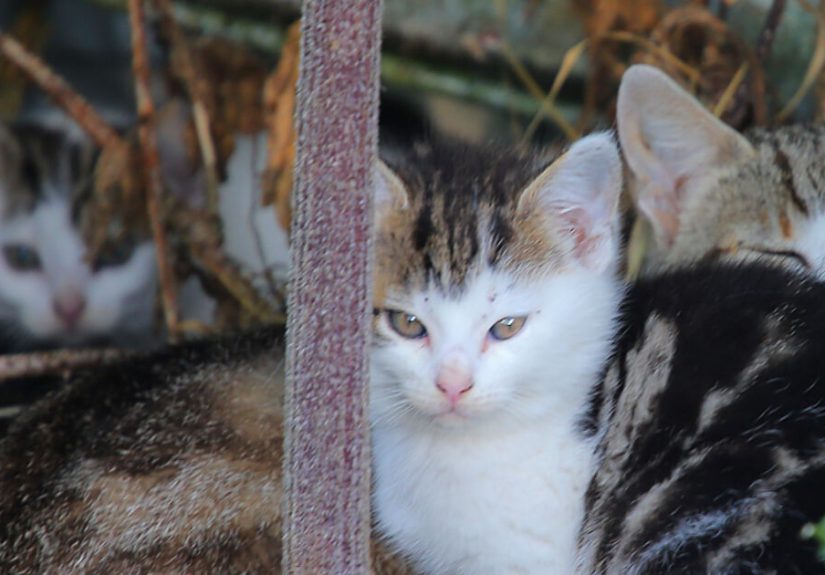
Still, we were hooked from day one. Their ears were too big for their heads, their paws looked like they had borrowed them from a larger cat, and their expressions swung wildly between “tiny panther” and “lost sock with whiskers.” What started as a rescue turned into one of the funniest, most humbling, and most rewarding experiences we’ve ever had. This is our story of adopting two feral kittens, what worked, what didn’t, and why bringing home a pair was one of the best decisions we could have made.
It Started With Two Kittens and One Very Bad Plan
At the beginning, we thought affection would be the easy part. Feed them, speak softly, offer toys, and wait for the cuddles to roll in. That was a charming fantasy. Feral kittens are not tiny stuffed animals that arrive pre-loaded with trust. They are cautious, highly alert, and often convinced that your hand is a suspicious government program.
These two had been born outside and had learned early that the world was noisy, unpredictable, and not especially interested in being convenient. They were not mean. They were scared. That distinction changed everything for us.
Once we understood that fear was driving the hissing, hiding, and frantic dashes across the room, we stopped taking their behavior personally. We stopped expecting instant affection. We stopped narrating every setback like it was a personal betrayal. Instead, we treated every tiny sign of progress like a championship win: one extra second of eye contact, one treat taken a little closer to our feet, one nap in the open instead of behind a crate.
Why We Chose to Adopt Two Instead of One
Adopting two feral kittens sounded, on paper, like doubling the chaos. In reality, it doubled the comfort. They had each other from the start, and that mattered more than we expected. When one kitten got brave enough to investigate a toy, the other usually followed. When one started using the litter box confidently, the other copied. When the house felt too quiet, too bright, or too unfamiliar, they curled up together like two fuzzy commas and reminded each other that the world had not ended.
That built-in companionship helped with their social development and helped us, too. They played with each other, burned off nervous energy together, and learned bite control and boundaries in a way humans simply cannot teach as naturally as another kitten can. We still had work to do, of course, but their bond gave them emotional ballast. Instead of facing a new life alone, they faced it as a tiny two-cat team.
And yes, before anyone asks, it was also objectively adorable. There is no stronger argument for adopting kittens in pairs than watching one brave little menace fall asleep with her chin balanced on her sibling’s back like a furry paperweight.
Our Safe Room Became Mission Control
The biggest early turning point was creating a dedicated safe room. Not the entire house. Not “we’ll just let them roam and figure it out.” A quiet, contained, kitten-proofed room with food, water, hiding options, beds, toys, scratching surfaces, and easy-to-access litter boxes. Think less “open concept freedom” and more “cozy witness protection program.”
That setup gave them a manageable world. Instead of facing endless square footage, strange noises, and the looming horror of a dishwasher, they got a small area where they could learn routines and feel secure. We made sure they had places to retreat, but not places so inaccessible that they could vanish into another dimension. We wanted them to feel safe, not start a real estate empire behind the washing machine.
What helped most in the safe room
We kept the schedule boring on purpose. Meals came at regular times. We sat on the floor and read, worked, or scrolled without trying to “perform friendliness” every second. We used soft voices. We blinked slowly. We let them watch us being calm. Over time, the room stopped feeling like captivity and started feeling like home base.
That was the lesson: trust grows better in predictable spaces. Feral kittens do not need a Broadway production. They need consistency.
The First Week Was Not a Disney Montage
If you are picturing a quick montage where they go from hissing to purring in under three minutes, please know our experience looked more like a blooper reel. One kitten would approach a treat and then recoil because a floorboard dared to creak. The other would accept pets for two glorious seconds and then remember she was supposed to be mysterious. We celebrated small wins and then got humbled by setbacks the very next hour.
One night we felt triumphant because both kittens played with a wand toy in front of us. The next morning they acted as if we were tax auditors. Another day, one kitten climbed onto a blanket beside us and sat there long enough to make us think, “This is it. We have arrived.” Then she sneezed in our face and left. Progress is not always glamorous.
But that uneven rhythm is normal. Socializing feral kittens is rarely a straight line. It is more like climbing stairs made of toast. You move up, slide a little, steady yourself, and keep going.
Food Was the Love Language We All Understood
We discovered very quickly that trust often travels through the stomach. Mealtime became more than nutrition. It became relationship-building. We started by placing food nearby and simply staying present. Then we gradually moved bowls closer. Then we introduced treats by hand. Then we combined treats with toys, soft talking, and gentle, brief touch when the kittens were relaxed enough to tolerate it.
Food gave the kittens a positive association with our presence. We were no longer just giant unpredictable creatures with shoes. We were the reliable snack providers. This is not a small promotion in the feline world.
The trick was patience. We did not push contact when they were frightened. We let them approach. We respected their limits. When they learned that being near us led to good things and that backing away did not trigger pursuit, they began choosing interaction on their own. That choice mattered. It made the bond sturdier than anything force ever could.
The First Vet Visit Was a Reality Check
As cute as they were, they still needed the practical basics: a full physical exam, parasite checks, vaccine planning, and a clear health roadmap. That first vet visit made the whole experience feel real in the best way. We were no longer just “helping out two kittens.” We were responsible for two young lives with medical needs, stress thresholds, and a future that depended on thoughtful care.
It also reminded us that adopting feral kittens is not just about taming behavior. It is about building health, routine, and safety from the beginning. We learned to think about carriers, transport, handling, litter box sanitation, and follow-up visits as part of the trust-building process, not separate chores.
After the appointment, we brought them back to their room, lowered the stimulation, and let them decompress. That became another important rule in our house: every stressful event should be followed by calm, quiet recovery time. No forced cuddles. No “look how much fun this is.” Just peace, food, water, and a familiar blanket.
The Funniest Part of Adopting Feral Kittens
At some point, fear and comedy began sharing the same zip code. The kittens developed confidence in weird little bursts. One became obsessed with attacking her own reflection in the oven door. The other declared war on a paper bag and won by sitting on it. Both of them learned that 3 a.m. was the ideal hour for synchronized parkour.
Once they realized the house was safe, their personalities came flying out like confetti from a cannon. The cautious one turned out to be bossy, brilliant, and deeply offended by closed doors. The quieter one became a stealth snuggler who pretended not to like affection and then fell asleep touching our ankle whenever she thought we were not paying attention.
This is one of the hidden joys of adopting feral kittens: you get to witness personality unfolding in real time. Not because you forced it, but because the kittens finally feel secure enough to be themselves. It is like meeting the real version of them after weeks of polite emotional paperwork.
When We Knew They Had Truly Chosen Us
There was no dramatic movie moment. No violin swell. No single magical event where both kittens climbed into our laps and signed adoption papers with their paws. It was subtler than that.
One evening, they stayed in the room when we entered instead of scattering. Then they ate while we sat nearby. Then one rolled onto her side during play. A few days later, the other touched our leg with her tail as she walked past. Eventually, they started greeting us at the door. Not every time. Not with Broadway-level enthusiasm. But enough to say, “Fine. You live here too.”
Trust arrived in layers. First tolerance. Then curiosity. Then comfort. Then attachment. By the time we noticed they had truly bonded with us, the relationship had already been quietly built through dozens of ordinary moments.
Lessons We Would Share With Anyone Adopting Feral Kittens
First, do not confuse fear with rejection. A hiss is often fear in a spiky little costume. Stay gentle, stay consistent, and do not rush the timeline.
Second, respect the kitten’s age and history. Very young kittens are usually easier to socialize, while older kittens may need more time, structure, and realistic expectations. Not every kitten moves at the same speed, and that is okay.
Third, pair adoption can be a huge advantage. Two kittens can support each other emotionally, teach each other social behavior, and make the transition to indoor life less lonely and less overwhelming.
Fourth, build trust through routine. A calm room, consistent feeding, quiet presence, and positive interactions beat heroic over-efforting every time.
Fifth, plan for the whole cat, not just the cute part. Vet care, introductions to resident pets, enrichment, scratching options, and long-term indoor living all matter.
Finally, celebrate tiny progress. The first treat taken from your hand. The first toy pounce in front of you. The first nap in plain sight. The first purr. These moments are small only until you have earned them.
Our Extra of Experience: What Life With Two Former Feral Kittens Really Feels Like
Living with two former feral kittens has changed the rhythm of our home in ways we did not expect. We thought the big story would be rescue, but the real story turned out to be adjustment. It was learning to live with creatures who had survived without us and were now trying, very cautiously, to believe that needing us was safe.
For the first month, we became students of tiny details. We noticed which kitten preferred to eat first, which one wanted more vertical space, which sounds triggered alarm, and which toys felt less threatening. We learned that the softest progress often came when we stopped trying so hard to “make” progress. If we sat still and let the room breathe, they came closer. If we acted like every interaction had to be a breakthrough, they picked up on our intensity and backed off. Apparently, feral kittens have no interest in self-improvement seminars.
We also learned that bonding with two kittens can look different for each one, even when they came from the same environment. One kitten became socially brave first. She would trot over for treats, swat toys with dramatic flair, and inspect our shoelaces like a suspicious detective. The other was more private. She liked connection, but on quieter terms. She would wait until the room was still, then settle nearby and watch. Weeks later, she became the more affectionate cat. That surprised us and taught us not to label them too early.
Another unexpected part of the experience was how much joy came from ordinary routines. Morning feeding stopped being a chore and started feeling like a ritual. Evening play sessions became a kind of family reset. Cleaning litter boxes, rotating blankets, washing dishes, checking food and water, and straightening toys all became part of a shared life rather than a rescue project. The kittens were no longer guests. They were ours, and we were theirs.
There were hard moments too. Vet visits were stressful. Introductions to household sounds took time. Some days felt like no progress at all. We had mornings when one kitten hid for hours after a loud delivery truck passed outside. We had evenings when playtime failed and everyone, including the humans, felt a little discouraged. But because there were two kittens, discouragement never completely took over the room. One would play, and the other would watch. One would nap openly, and the other would take courage from that. Their bond kept momentum alive even when confidence dipped.
Now, when we look at them stretched across the couch like they personally pay property taxes, it is hard not to laugh at where we began. These are the same kittens who once treated a blinking laptop cursor like a mortal threat. Today they sprint through the house, chatter at birds through the window, demand dinner with shocking confidence, and sleep so deeply that you would think they had spent the day doing our taxes instead of knocking toy mice under the refrigerator.
If our story proves anything, it is this: adopting two feral kittens is not about instantly turning wild babies into cuddly pets. It is about creating safety, honoring fear without feeding it, and letting trust grow at the speed it needs. When that trust finally arrives, it feels earned in the best possible way. And honestly, the first voluntary purr from a former feral kitten should come with a medal.
Conclusion
Our story of adopting two feral kittens did not begin with easy cuddles or instant confidence. It began with patience, structure, and two tiny animals trying to decide whether humans were terrible. Over time, those fearful kittens became curious, funny, affectionate companions with huge personalities and a very firm belief that every blanket in the house belongs to them.
If you are considering adopting feral kittens, especially a pair, go in with realistic expectations and a big dose of compassion. Create a calm environment, move slowly, get veterinary care early, and let trust build through routine rather than pressure. The journey may be messy, hilarious, and occasionally humbling, but it can also be deeply rewarding. In our case, adopting two feral kittens did not just change their lives. It changed ours too.