Table of Contents >> Show >> Hide
- What Is Citric Acid, Exactly?
- The Fruits Highest in Citric Acid
- Non-Citrus Fruits That Also Have Citric Acid
- A Quick Reality Check: Not Every Tart Fruit Is Citric-Acid Dominant
- Simple Chart: Fruits With Citric Acid
- Why Citric Acid in Fruit Matters
- How to Tell if a Fruit Is Likely High in Citric Acid
- Final Takeaway
- Real-World Experiences With Citric-Acid Fruits
- SEO Metadata
If you have ever bitten into a lemon and immediately made the universal “who approved this level of sour?” face, you already know citric acid is doing serious work. Citric acid is one of the main organic acids that gives many fruits their bright, tart, mouth-watering flavor. It is especially common in citrus, but it does not stop there. Plenty of other fruits contain citric acid too, just in smaller amounts or alongside other acids that shape flavor in different ways.
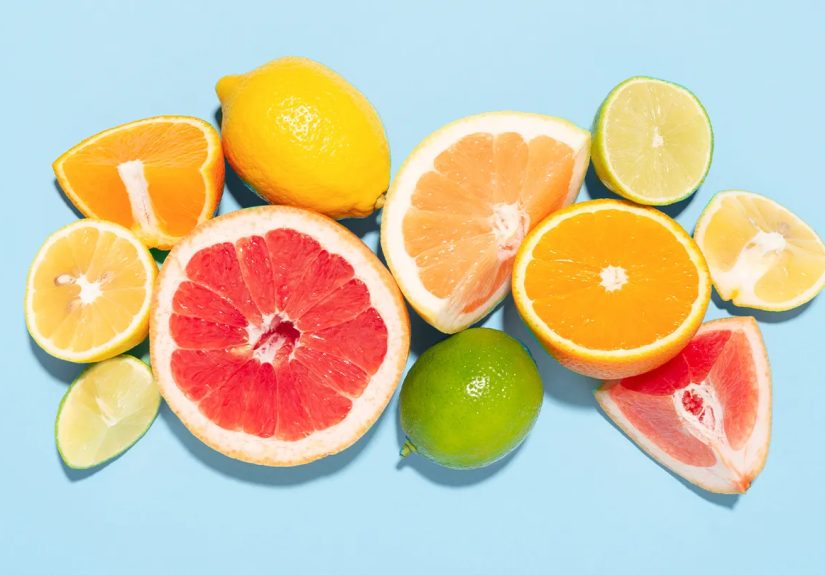
So, what fruits have citric acid? The short answer is: all the usual citrus suspects like lemons, limes, oranges, grapefruits, mandarins, and tangerines, plus several non-citrus fruits such as pineapple, strawberries, blueberries, cranberries, mango, and papaya. The longer answer is more interesting, because not every tart fruit is tart for the same reason. Some fruits lean heavily on citric acid, while others owe their zing to malic acid, tartaric acid, or a mix of organic acids.
This guide breaks it all down in plain English, with enough detail to help you write smarter grocery lists, choose fruits for recipes, and finally stop assuming every sour fruit is basically a lemon in a different outfit.
What Is Citric Acid, Exactly?
Citric acid is a naturally occurring organic acid found in many fruits. It is a big reason certain fruits taste crisp, tart, and refreshing instead of flat or candy-sweet. In food, it helps create that bright flavor people describe as “clean,” “zesty,” or “wow, that woke me up.”
It is also worth clearing up a common mix-up: citric acid is not the same thing as vitamin C. Vitamin C is ascorbic acid. The two often show up in the same fruits, especially citrus, so people understandably lump them together. But they are different compounds with different jobs. One helps define tartness; the other is a vitamin your body needs. Same neighborhood, different houses.
The Fruits Highest in Citric Acid
Lemons
Lemons are basically the valedictorians of the citric acid world. They are among the most concentrated natural fruit sources of citric acid, which is why lemon juice tastes so intensely sharp and why a small squeeze can completely change a dish. Add a little lemon to soup, seafood, salad dressing, or cake batter and suddenly everything tastes more alive. That is not kitchen magic. That is acid doing its thing.
Limes
Limes sit right next to lemons at the top of the citric-acid leaderboard. They bring the same bright sourness, but with a slightly different aromatic profile that makes them perfect for Mexican, Thai, Vietnamese, and Caribbean dishes. If lemons are crisp and classic, limes are their louder cousin who shows up with better stories.
Oranges
Oranges absolutely contain citric acid, though they usually taste less aggressive because they also carry more natural sugar than lemons and limes. That sweet-tart balance is why oranges are so easy to eat out of hand and why orange juice feels far gentler than straight lemon juice. Still, oranges are very much citric-acid fruits.
Grapefruits
Grapefruits are another clear example. Their flavor combines citric brightness with bitterness and sweetness, which gives them a more complex profile than standard sweet oranges. If lemons are a trumpet blast, grapefruit is more like jazz: tart, bitter, slightly sweet, and not interested in being simple.
Mandarins, Tangerines, and Other Citrus Fruits
These fruits also contain citric acid because citric acid is the primary acid in citrus fruit. They tend to taste sweeter and softer than lemons, limes, or grapefruits, but the same acid family is still behind their signature tang.
Non-Citrus Fruits That Also Have Citric Acid
Here is where things get more interesting. Citrus fruits dominate the conversation, but they do not own the patent on citric acid. Several non-citrus fruits contain it too.
Pineapple
Pineapple is one of the best-known non-citrus fruits with citric acid. Its acidity is mainly citric, and that tang is a huge part of why pineapple tastes so bright and tropical instead of just sugary. When pineapple is underripe, the acid feels louder. As it ripens, sugars rise and the flavor becomes rounder, softer, and more balanced.
Strawberries
Strawberries contain citric acid, and in many analyses it is the dominant organic acid in the fruit. That matters because strawberry flavor is not just “sweet berry.” Great strawberries have a sweet-tart balance that keeps them lively. Without that acidic edge, strawberries can taste watery or dull, which is a tragedy no summer picnic deserves.
Blueberries
Blueberries are not all the same. In many highbush blueberry cultivars, citric acid is the predominant organic acid, while other blueberry types may lean more on different acids. Translation: one punnet of blueberries can taste bright and tangy, while another tastes mellow and almost jammy. Variety matters.
Cranberries
Cranberries contain citric acid too, but they are more of a mixed-acid fruit. Their intense tartness comes from a blend that can include citric, quinic, and malic acids. That is why fresh cranberries are so bold and sharp. They are not casually snackable unless you enjoy edible jump scares.
Mango
Mangoes also contain citric acid, and in some mango research, citric acid is identified as the major titratable acid. This helps explain why mango flavor changes so dramatically as the fruit ripens. A less-ripe mango tastes firmer, greener, and more tart. A ripe mango tastes fuller, sweeter, and softer because the sugar-acid balance shifts.
Papaya
Papaya contains citric acid naturally as well. It is usually milder and less punchy than pineapple or citrus, but the acid still contributes to the fruit’s flavor profile, especially before it reaches peak ripeness.
A Quick Reality Check: Not Every Tart Fruit Is Citric-Acid Dominant
This is the part most quick-answer articles skip. Yes, many fruits have citric acid. But that does not mean citric acid is the main acid in every tart fruit.
Apples
Apples are the classic malic-acid fruit. In fact, malic acid is so tied to apples that it is often nicknamed “apple acid.” That bright, lingering tartness in a Granny Smith is not the same style of sourness you get from lemon. It is sharper in a different way and tends to linger more.
Grapes
Grapes are another good example. They do contain multiple acids, including some citric acid, but grapes are especially associated with tartaric acid, with tartaric and malic acids making up most of their total acidity. That is why grape acidity has its own personality and why grapes, wine grapes, and grape juice behave differently from citrus in both flavor and food science.
So if you are asking, “What fruits have citric acid?” the honest answer is not just a list. It is a spectrum. Some fruits are citric-acid stars, some are mixed-acid performers, and some are famous for other acids entirely.
Simple Chart: Fruits With Citric Acid
| Fruit | Citric Acid Status | What to Know |
|---|---|---|
| Lemon | Very high | One of the richest natural fruit sources of citric acid |
| Lime | Very high | Comparable to lemon and strongly sour |
| Orange | High | Citric-acid fruit with more sugar, so it tastes gentler |
| Grapefruit | High | Tart, bitter, and sweet with clear citric brightness |
| Mandarin/Tangerine | Moderate to high | Still citrus, just usually sweeter and softer |
| Pineapple | Moderate | Main acidity is largely citric and shifts with ripeness |
| Strawberry | Moderate | Citric acid plays a major role in flavor balance |
| Blueberry | Varies by type | Many highbush types are citric-acid dominant |
| Cranberry | Present | Strong tartness comes from a blend of acids |
| Mango | Present | Citric acid contributes, especially before full ripeness |
| Papaya | Present | Naturally contains citric acid, usually in a milder profile |
| Apple | Usually not the main acid | Better known for malic acid |
| Grape | Usually not the main acid | Best known for tartaric and malic acids |
Why Citric Acid in Fruit Matters
1. It Shapes Flavor
Citric acid gives fruit brightness. It keeps sweet fruit from tasting flat and helps create the crisp, refreshing feeling people love in juice, fruit salad, sorbet, smoothies, and fresh desserts.
2. It Affects Ripeness Perception
As many fruits ripen, sugars increase and acidity changes. That shift is why a pineapple or mango can go from “too sharp” to “perfect” in what feels like five minutes and a little kitchen luck.
3. It Helps in Cooking and Food Preservation
Lemon juice and citric acid are often used in canning, preserving, and prep work because acidity can help control flavor and support color retention. That said, when the goal is preventing browning, pure ascorbic acid is often the stronger tool. In other words, lemon juice is helpful, but it is not the only sheriff in town.
4. It Can Matter for Sensitive Mouths and Stomachs
Some people love acidic fruits. Some people eat half a grapefruit and immediately begin negotiating with their esophagus. If you have acid reflux, GERD, mouth irritation, or a sensitive stomach, highly acidic fruits like lemons, limes, oranges, and grapefruits may be more likely to bother you than lower-acid options.
How to Tell if a Fruit Is Likely High in Citric Acid
There is no perfect eyeball test, but a few clues help:
- If it is citrus, citric acid is almost certainly a major player.
- If it tastes bright and cleanly sour, citric acid may be contributing heavily.
- If it tastes tart in a lingering, apple-like way, malic acid may be more important.
- If it is a grape, tartaric acid is part of the story.
- If it is underripe, acidity usually feels stronger because sugar has not yet fully balanced it out.
Final Takeaway
When people ask, “What fruits have citric acid?” they are usually expecting one tidy answer: citrus fruits. And yes, that is the big headline. Lemons, limes, oranges, grapefruits, mandarins, and tangerines are the most obvious and reliable examples. But the fuller answer is more useful: pineapple, strawberries, many blueberries, cranberries, mangoes, and papayas also contain citric acid, even if they are not all equally acidic or equally dominated by it.
The best way to think about it is this: citric acid is one of the major architects of fruit flavor, but it is not working alone. Some fruits build their taste mostly with citric acid. Others mix it with malic, quinic, or tartaric acid. That is why a lemon, a strawberry, a cranberry, and a grape can all taste tart while feeling completely different in your mouth.
Basically, fruit acidity is less “one size fits all” and more “ensemble cast with strong personalities.” Which, honestly, is a much better system.
Real-World Experiences With Citric-Acid Fruits
In everyday life, citric-acid fruits show up in ways people notice even when they do not know the chemistry. Think about breakfast. Someone squeezes lemon into warm water because it tastes fresh and wakes up the palate. Someone else grabs an orange because it feels juicy and bright without being too aggressive. Another person cuts up pineapple for yogurt and suddenly the whole bowl tastes more vivid. That “fresh,” “zingy,” “wake-up” quality is often citric acid doing its quiet but very effective job.
Home cooks notice it constantly. A bland soup becomes sharper with a squeeze of lime. Fish tacos go from decent to unforgettable with citrus on top. Fruit salad tastes sweeter, not harsher, after a little lemon juice, because acid can make sweetness feel more defined. Bakers rely on it too. Lemon bars, key lime pie, orange glaze, and grapefruit cake are not popular by accident. Citric-acid fruits bring structure to flavor. They cut through richness, balance sugar, and keep desserts from tasting heavy. In food terms, they are the friend who tells everyone to sit up straight.
People also experience citric-acid fruits differently depending on their bodies. One person can snack on grapefruit like it is no big deal. Another takes three bites of pineapple and feels like their tongue has filed a formal complaint. Someone with reflux may find that oranges at lunch are totally fine, but orange juice late at night is a terrible life choice with immediate consequences. These differences are a big reason acidic fruits inspire both devotion and drama. A lemon wedge can be refreshing, but it can also be a tiny yellow chaos machine if your stomach is already in a mood.
Then there is ripeness, which changes the whole experience. A slightly underripe mango tastes firmer, greener, and tangier. A fully ripe mango feels round, lush, and much sweeter, even though the fruit still contains acid. Pineapple is similar. When it is not ripe enough, the acidity can feel pushy. When it is ripe, the sugar-acid balance turns it into the fruit equivalent of good vacation planning. Strawberries follow the same pattern. Perfect strawberries are not just sweet; they have enough acid to taste alive. Supermarket strawberries that look gorgeous but taste like damp packing peanuts usually fail because the balance is off.
Even preservation and meal prep reveal how practical citric-acid fruits are. People splash lemon juice over sliced fruit, use citrus in marinades, stir lime into dressings, or add orange segments to salads because these fruits do more than add flavor. They create contrast. They keep rich foods from feeling too heavy. They make fresh foods taste fresher. And when you start paying attention, you realize citric-acid fruits are behind a huge number of the small flavor upgrades that make meals memorable.
That is probably the most relatable truth about this topic: citric acid is not just a fact from a label or a chemistry chart. It is part of daily eating. It is the reason lemonade feels sharp, why strawberries can taste lively instead of sleepy, why pineapple can swing from too tart to perfect, and why a final squeeze of citrus often makes a dish taste finished. Once you notice it, you start seeing citric-acid fruits everywhere. They are not background players. They are the lighting crew, sound system, and final edit all at once.