Table of Contents >> Show >> Hide
- What Is a Copper Olive Oil Cruet?
- Why Copper Looks So Good in the Kitchen
- Olive Oil Storage: The Real Reason the Cruet Matters
- Is a Copper Olive Oil Cruet Safe?
- Best Uses for a Copper Olive Oil Cruet
- How to Choose the Best Copper Olive Oil Cruet
- Copper vs. Glass vs. Ceramic Olive Oil Cruets
- How to Clean a Copper Olive Oil Cruet
- Common Mistakes to Avoid
- Styling Ideas for a Copper Olive Oil Cruet
- Buying Checklist
- Personal Experience: Living With a Copper Olive Oil Cruet
- Conclusion
- SEO Tags
A copper olive oil cruet is what happens when a practical kitchen tool puts on a dinner jacket. It stores, pours, and displays olive oil with a warm metallic glow that makes even Tuesday-night salad look like it has a reservation at a small restaurant in Tuscany. But beyond the pretty countertop moment, a good olive oil cruet has a real job: protecting your oil from its sworn enemieslight, heat, air, and time.
That matters because olive oil is not just “cooking oil.” Extra virgin olive oil is a fresh, flavor-rich ingredient with fruity, peppery, grassy, buttery, or nutty notes depending on the olives, harvest, and region. Treat it badly, and those lovely flavors fade faster than a New Year’s resolution in February. Treat it well, and it becomes the finishing touch that makes roasted vegetables, pasta, bread, grilled fish, and simple salads taste intentionally delicious.
This guide explains what a copper olive oil cruet is, how to choose one, what safety details to check, how to clean it, and how to use it without turning your kitchen counter into a tiny oil-slick crime scene.
What Is a Copper Olive Oil Cruet?
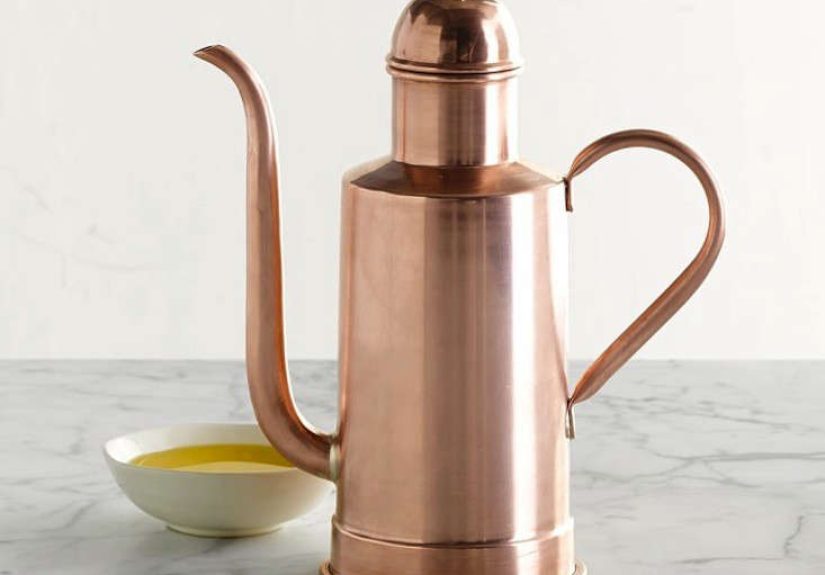
A copper olive oil cruet is a small container designed for storing and pouring olive oil. The word “cruet” usually refers to a bottle or vessel used at the table or beside the stove for oil, vinegar, or sauces. A copper version may be made of solid copper, copper-plated metal, hammered copper, or another material with a copper exterior finish.
The best versions combine beauty with function. They often include a narrow neck, a controlled pouring spout, a cap or stopper, and a shape that is comfortable to hold. Some look rustic and handmade, while others are sleek enough to blend into a modern kitchen with marble counters, matte black fixtures, and a suspiciously organized spice drawer.
Is It Only Decorative?
Not necessarily. A copper olive oil cruet can be decorative, practical, or both. However, the important detail is the interior. Olive oil should ideally touch a food-safe, non-reactive surface such as stainless steel, glass, ceramic, or a properly lined interior. Bare copper is beautiful, but it is not always the best surface for direct long-term food contact.
That does not mean you should run dramatically from every copper cruet like it insulted your grandmother’s marinara. It means you should read the product description carefully. Look for phrases such as “stainless steel lined,” “food-safe lining,” “glass insert,” “lacquered exterior only,” or “for decorative use only.” Those words matter.
Why Copper Looks So Good in the Kitchen
Copper has a warmth that stainless steel rarely matches. It reflects light softly, develops character over time, and pairs beautifully with wood, stone, white tile, black accents, and open shelving. A copper olive oil cruet can make a kitchen feel collected rather than showroom-perfect.
It also fits many design styles. In a farmhouse kitchen, hammered copper feels cozy and old-world. In a modern kitchen, polished copper adds contrast and visual interest. In a Mediterranean-inspired kitchen, it looks right at home beside ceramic bowls, fresh herbs, lemons, and crusty bread. In a tiny apartment kitchen, it can be the one stylish object that says, “Yes, I may have one drawer, but I have taste.”
Olive Oil Storage: The Real Reason the Cruet Matters
Olive oil quality changes over time. Heat, light, oxygen, and age all speed up oxidation, which can flatten flavor and create stale or rancid notes. A good cruet helps reduce exposure, especially when it has an opaque body, a tight cap, and a spout that does not leave oil open to air all day.
Choose Opaque or Dark Materials
Clear glass looks pretty because you can see the golden oil inside, but it does not protect olive oil as well as dark glass, ceramic, stainless steel, or opaque containers. A copper exterior can be useful here because it blocks light. If the cruet has a glass liner inside a copper shell, you get the visual drama of copper with the food-safe benefits of glass.
Keep It Away From the Stove
It feels convenient to keep olive oil next to the cooktop. Unfortunately, that spot is basically a sauna for your oil. Heat encourages faster breakdown, and metal containers can conduct warmth if they sit near burners, ovens, or sunny windows. Store your copper olive oil cruet in a cool, dark place or on a counter away from heat sources.
Use a Size You Can Finish
Bigger is not always better. If you cook with olive oil daily, a 12- to 17-ounce cruet may be practical. If you use premium finishing oil only occasionally, choose a smaller vessel. The less time oil spends exposed to oxygen after opening, the better its flavor will remain. Think of olive oil like coffee beans: buying a giant container may feel economical, but freshness is the real luxury.
Is a Copper Olive Oil Cruet Safe?
A copper olive oil cruet can be safe when it is designed for food use and has a suitable lining or insert. The concern is not the copper exterior; the concern is direct contact between food and unlined copper, especially with acidic ingredients such as vinegar, lemon juice, wine, or fruit-based liquids.
Olive oil itself is not highly acidic like vinegar, but quality and safety still favor non-reactive food-contact materials. Copper can also influence oxidation in certain conditions, so a lined interior is the smarter choice. If you plan to use the cruet for oil and vinegar, flavored oils, dressings, or anything containing citrus, herbs, garlic, or vinegar, do not use bare unlined copper.
What to Look for on the Label
Before buying, check whether the cruet is described as food safe. The best choices usually include one of these features:
- A stainless steel interior or insert
- A glass bottle inside a copper holder
- A ceramic interior with a copper-colored exterior
- A food-safe tin lining
- A removable, washable, non-reactive oil container
Avoid using a copper vessel if the listing says “decorative only,” “not for food,” or gives no information about food contact. Mystery metal is fun in pirate movies, not in your salad dressing.
Best Uses for a Copper Olive Oil Cruet
A copper olive oil cruet shines in daily cooking and serving. It gives you better control than pouring straight from a large store bottle, and it looks better on the table than a plastic jug with a half-torn label.
For Finishing Dishes
Use a cruet to drizzle extra virgin olive oil over tomato salad, burrata, grilled bread, roasted peppers, soups, pasta, beans, or hummus. A controlled spout helps you add a graceful ribbon of oil instead of accidentally baptizing the entire plate.
For Everyday Cooking
Keep a moderate-quality olive oil in your cruet for sautéing vegetables, starting sauces, brushing flatbread, or coating sheet-pan dinners. If your cruet pours cleanly, cooking becomes faster and less messy.
For Entertaining
Place a copper olive oil cruet beside a small bowl of flaky salt, cracked pepper, and warm bread. Suddenly you are not “putting snacks out.” You are hosting. There is a difference, and copper understands it.
How to Choose the Best Copper Olive Oil Cruet
The best copper olive oil cruet is not simply the shiniest one. It should protect the oil, pour neatly, clean easily, and feel comfortable in your hand. Here are the features worth considering.
1. Food-Safe Interior
This is the non-negotiable feature. Choose a cruet with a glass, stainless steel, ceramic, or properly lined interior. If the product description is vague, skip it. A gorgeous cruet that cannot safely hold oil is just a tiny vase with ambition.
2. Controlled Pour Spout
A good spout should pour steadily without gurgling, splashing, or dripping down the side. Stainless steel spouts are common because they are durable and easy to clean. Some spouts include a hinged cap, while others have a simple tapered design. Caps help limit air and dust exposure, but they should not be so flimsy that they trap old oil.
3. Easy Filling
A wide enough opening makes refilling easier. If you need a funnel every single time, you may eventually resent your beautiful cruet. That is how kitchen objects end up in the back of the cabinet, behind the holiday mugs and the waffle maker you used once.
4. Comfortable Capacity
For most home kitchens, 8 to 17 ounces is a practical range. Smaller cruets are ideal for premium finishing oil. Larger ones suit frequent cooking. If you refill often, label the oil type and date opened so you can track freshness.
5. Stable Base
A good cruet should not tip easily. Look for a sturdy base, balanced shape, and comfortable grip. Tall, narrow cruets look elegant but may be less stable on a busy counter.
6. Finish and Maintenance
Polished copper looks glamorous but shows fingerprints. Hammered copper hides small marks better. Brushed or antique finishes have a softer look and require less polishing. Decide whether you want a bright shine or a natural patina. Both are beautiful; one simply asks for more attention.
Copper vs. Glass vs. Ceramic Olive Oil Cruets
Each material has advantages. Copper offers style and light protection when opaque. Glass is easy to inspect and clean, especially if tinted. Ceramic blocks light and often insulates oil from temperature changes. Stainless steel is durable, non-reactive, and practical for busy kitchens.
If you love copper, the ideal design is often a hybrid: copper outside, glass or stainless steel inside. This gives you the warm look without compromising storage quality. A copper-colored ceramic cruet can also be a smart option if you want the aesthetic with minimal maintenance.
How to Clean a Copper Olive Oil Cruet
Cleaning depends on the construction. Always follow the manufacturer’s instructions first. If the cruet has a removable glass bottle, wash the glass with warm water and mild dish soap, then let it dry completely before refilling. Oil and water are not best friends, and leftover moisture can affect freshness.
Cleaning the Interior
For the oil-contact surface, use warm water, mild soap, and a bottle brush if the opening allows. Rinse thoroughly. Let the cruet air-dry upside down on a rack until no moisture remains. Do not mix fresh olive oil with old residue; stale oil can ruin the flavor of the new batch.
Cleaning the Spout
Remove the spout when possible. Wash it separately with warm, soapy water, paying attention to small crevices where oil can build up. A narrow straw brush can help. Let the spout dry fully before reinstalling it.
Polishing the Copper Exterior
For a polished copper exterior, wipe gently with a soft cloth. If the copper is unlacquered and tarnished, use a copper cleaner or a gentle homemade polish recommended for copper surfaces. Avoid abrasive pads that can scratch the finish. If the cruet has a lacquered finish, harsh polishing can damage the coating, so mild soap and a soft cloth are safer.
Common Mistakes to Avoid
The most common mistake is choosing looks over food safety. A copper cruet should be more than countertop jewelry. Make sure it is meant for edible oil.
Another mistake is leaving the cruet near the stove. It may look charming beside your cast iron pan, but heat is bad news for olive oil. Keep it in a cooler place.
Also avoid topping off old oil endlessly. Empty, clean, and dry the cruet before refilling. Otherwise, fresh oil mixes with aging residue, which is like inviting a grumpy guest to every future dinner party.
Finally, do not store vinegar-based dressings or citrus-infused liquids in a copper cruet unless the interior is clearly non-reactive and food safe. When in doubt, use glass or ceramic for acidic mixtures.
Styling Ideas for a Copper Olive Oil Cruet
A copper olive oil cruet looks especially good when it is part of a small, intentional kitchen station. Place it on a wooden tray with a salt cellar, pepper mill, garlic keeper, and small bowl for lemons. Add a folded linen towel, and the arrangement says “effortless chef” even if dinner is frozen ravioli wearing homemade confidence.
For a modern look, pair copper with matte black, white stone, and clear glass. For a rustic look, combine it with cutting boards, terra-cotta, ceramic bowls, and dried herbs. For a holiday table, place it near roasted vegetables, bread, and a small dish of herbs for a warm metallic accent that feels festive without shouting.
Buying Checklist
Before you buy a copper olive oil cruet, use this quick checklist:
- Is the interior food safe and non-reactive?
- Does it block light or use tinted/opaque materials?
- Does the spout pour cleanly and include a cap or stopper?
- Is the opening easy to fill and clean?
- Is the capacity right for how often you use olive oil?
- Will the exterior finish fit your maintenance style?
If the cruet checks these boxes, it can be both useful and beautiful. That is the sweet spot: kitchen equipment that earns its counter space.
Personal Experience: Living With a Copper Olive Oil Cruet
The first thing you notice about using a copper olive oil cruet is that it changes the rhythm of cooking. Instead of wrestling with a large bottle, removing a sticky cap, and hoping the pour does not come out like a golden waterfall, you reach for a smaller vessel that feels made for the task. That little change makes weeknight cooking smoother.
In my experience, the biggest advantage is control. When making a simple salad, a narrow spout lets you drizzle olive oil gradually while tossing greens. The dressing tastes more balanced because you are not drowning lettuce under a surprise flood. When roasting vegetables, the cruet helps you add just enough oil to coat carrots, potatoes, or broccoli without turning the sheet pan into a swimming pool.
The second advantage is visual. A copper cruet makes the counter look warmer and more intentional. It is the kind of item guests notice without needing a tour. People may not comment on your measuring spoons, but they will notice a handsome copper cruet beside a loaf of bread. It makes everyday ingredients feel special.
There are a few lessons, though. One: do not overfill it. Leave a little room at the top so the spout seats properly and the oil does not creep out around the neck. Two: wipe the spout after use, especially if the cruet sits on a tray or shelf. Even a good spout can collect a tiny bead of oil. Three: keep it away from heat. The prettiest spot is not always the smartest spot. A few feet away from the stove is better than directly beside a burner.
Cleaning also becomes easier when you create a routine. I prefer to refill only after the cruet is fully empty, then wash and dry it before adding fresh oil. This prevents old oil from lingering inside. If the cruet has a copper exterior and glass insert, the insert does most of the practical work while the copper handles the charm offensive.
Another useful habit is keeping two oils: a daily cooking oil in the cruet and a special finishing oil in its original dark bottle or a smaller cruet. The daily oil is for pans, vegetables, and quick meals. The finishing oil is for bread, salads, soups, and dishes where flavor is front and center. This setup keeps quality high without wasting expensive oil on high-heat cooking.
Over time, a copper olive oil cruet may develop patina. Some people polish it regularly; others let it age naturally. I like the middle path: clean enough to look cared for, relaxed enough to look used. A kitchen should not feel like a museum. It should feel like good food happens there.
The final experience-based tip is simple: buy the cruet you will actually use. If it is too delicate, too hard to clean, or too precious to touch, it becomes decor. If it pours well, feels sturdy, and fits your routine, it becomes part of your cooking life. That is when a copper olive oil cruet earns its placenot just because it shines, but because it makes ordinary meals a little easier and a lot more beautiful.
Conclusion
A copper olive oil cruet is more than a stylish kitchen accessory. Chosen wisely, it protects olive oil from light, improves pouring control, upgrades your table, and adds warmth to the room. The key is to prioritize a food-safe, non-reactive interior, a reliable spout, practical capacity, and easy cleaning. Copper brings the beauty; smart design brings the function.
Whether you use it for finishing oil, everyday cooking, or serving bread at the table, the right cruet can turn a basic ingredient into a small daily ritual. And honestly, any kitchen tool that makes vegetables taste better while looking gorgeous deserves a little applause.