Table of Contents >> Show >> Hide
- The Origins of Sunny’s Callicoon Pop
- Who Is Sunrise Ruffalo?
- What Made the Shop Special?
- Callicoon: The Perfect First Home
- From Callicoon Pop-Up to Sunny’s Pop
- The Design Philosophy: Buy Less, Love More
- Why the Shop Resonates With Modern Shoppers
- Lessons Small Retailers Can Learn From Sunny’s Callicoon Pop
- Experiences Inspired by Sunny’s Callicoon Pop
- Conclusion
Some shops sell things. Sunny’s Callicoon Pop sold a mood: Catskills mornings, inherited taste, well-loved objects, handmade textiles, a little New Orleans sparkle, and the very persuasive idea that a chair can have more personality than half the people at a dinner party. Founded by Sunrise Ruffalo, also known as Sunrise Coigney, the original Sunny’s Callicoon Pop began as a summer boutique in Callicoon, New York, before evolving into Sunny’s Pop, a design-minded retail destination with a broader identity and lasting charm.
The story is appealing because it does not feel manufactured by a branding committee wearing identical linen shirts. It feels collected, lived-in, and human. Sunrise Ruffalo brought together vintage furniture, ceramics, textiles, clothing, art, and home goods with the kind of eye that says, “Yes, that odd little object belongs next to that elegant one.” Somehow, it works. That is the magic of a great curator: making the unexpected look inevitable.
The Origins of Sunny’s Callicoon Pop
Sunny’s Callicoon Pop opened in 2017 in Callicoon, a small Delaware River town in Sullivan County, New York. The shop was originally a pop-up, but not the kind that feels like a temporary folding table with ambition. It had a strong point of view from the beginning. The idea grew from Sunrise Ruffalo’s personal collection of antiques and design pieces, many of which she had gathered over years.
Instead of hiding those treasures away in a barn, she turned them into a retail experience. That decision gave the shop its distinctive character. Sunny’s Callicoon Pop was not just about buying a vase or a throw pillow. It was about entering a space where every object seemed to have passed a personality test before being allowed inside.
The name itself carried a sense of place. “Callicoon” tied the shop to the Catskills and the Delaware River. “Pop” suggested energy, color, surprise, and a temporary spark that might disappear if you did not pay attention. That combination made the shop feel both rooted and playful.
Who Is Sunrise Ruffalo?
Sunrise Ruffalo is a former actress and model, the wife of actor Mark Ruffalo, and a longtime creative force in her own right. Before Sunny’s Callicoon Pop, she had retail experience in Los Angeles through Kaviar and Kind, a jewelry and design shop known for its curated sensibility. That background matters because Sunny’s Pop was not a celebrity side project wearing a price tag and hoping for applause. It came from someone who had already spent years thinking about objects, atmosphere, and the emotional pull of beautiful things.
Her taste is shaped by several places: New Orleans, New York City, Los Angeles, and the Catskills. New Orleans gives the story its color and theatricality. New York brings edge and pace. Los Angeles adds casual glamour. The Catskills bring quiet, woodsmoke, river light, and the kind of stillness that makes you suddenly care about handmade mugs.
That layered background helped Sunny’s Callicoon Pop avoid the trap of being just another rustic shop. It was not all burlap, antlers, and “Live Laugh Love” signs trying to pass as interior design. It had a more intelligent mix: vintage with contemporary, local with global, polished with weathered, practical with poetic.
What Made the Shop Special?
A Curated Mix, Not a Random Pile
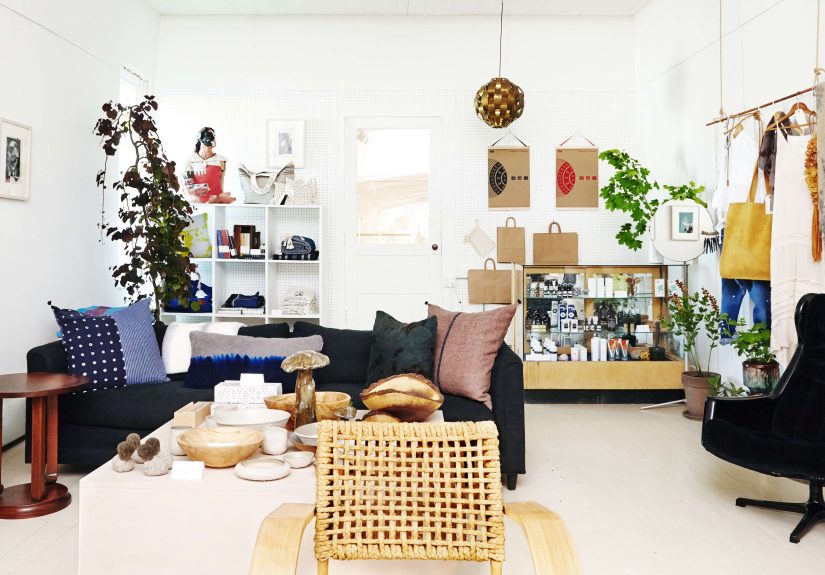
The best design shops understand editing. Sunny’s Callicoon Pop stood out because it felt edited without feeling stiff. The shop featured vintage furniture, handmade housewares, clothing, textiles, ceramics, art, and accessories. A midcentury chair might sit near a handwoven textile. A ceramic piece might share space with a leather tote. A vintage object might appear beside something newly made by an independent designer.
This blend created a sense of discovery. Visitors were not simply walking through inventory; they were browsing a conversation between eras, materials, and makers. The result was charming, but not precious. You could imagine the pieces living in a real home, not just posing for a magazine spread while pretending nobody has ever spilled coffee nearby.
Beauty With Function
Another strength of Sunny’s Callicoon Pop was its respect for useful beauty. The shop was not built around objects that exist only to be admired from six feet away while guests whisper, “Is that art or a very expensive mistake?” Many pieces were functional: chairs, blankets, ceramics, pillows, dishes, bags, and home accessories. The point was not to decorate life into stiffness. It was to make everyday living feel richer.
That idea connects strongly with the Catskills lifestyle. Upstate living often combines old houses, muddy boots, dinner with friends, antique markets, local farms, and serious weather. Design has to work. A throw blanket should be beautiful, yes, but it should also be ready for a chilly night when the river air suddenly decides to act dramatic.
Local Spirit, Global Eye
Sunny’s Pop has been associated with both local Catskills artists and international designers. That combination is important. It reflects a modern rural creative economy where small towns are not isolated from the wider design world. Instead, they become meeting points. A Catskills ceramicist can sit in the same visual story as a textile from abroad or a vintage chair from another decade.
This is part of what makes the shop feel current. It is not nostalgia for the sake of nostalgia. It is not “old stuff is better” as a personality. It is a more thoughtful idea: good design can come from many places, but it should have soul, quality, and staying power.
Callicoon: The Perfect First Home
Callicoon is not the kind of town you accidentally wander into while looking for a mega-mall. Set along the Delaware River, it has a slower rhythm and a strong local identity. Its appeal lies in independent shops, restaurants, farms, galleries, river views, and a community that values place. In other words, it was a fitting launchpad for Sunny’s Callicoon Pop.
The Callicoon Farmers’ Market is one of the area’s anchors, offering produce, prepared foods, handmade goods, and local products. That market culture matters because it helps explain why a shop like Sunny’s Callicoon Pop made sense there. Visitors to Callicoon are often already in the mood to meet makers, ask questions, and buy things with a story. They are not rushing through a fluorescent aisle looking for a discount toaster. They are browsing, tasting, talking, and lingering.
Sunny’s Callicoon Pop fit into that ecosystem beautifully. It brought design into a town already shaped by local food, craft, agriculture, and community. The store felt like an extension of the same values: know where things come from, care about how they are made, and choose objects that will last longer than a trend cycle.
From Callicoon Pop-Up to Sunny’s Pop
After its initial Callicoon chapter, the concept grew beyond its original pop-up identity. The shop later became known more broadly as Sunny’s Pop and found a permanent home in Narrowsburg, another Delaware River town known for its arts scene, independent retail, and weekend appeal. The shift from “Sunny’s Callicoon Pop” to “Sunny’s Pop” reflects the natural evolution of the brand.
Dropping “Callicoon” from the name did not erase its origin. It simply allowed the store to grow. The roots stayed in the Catskills, but the identity became more flexible. Sunny’s Pop could now represent a wider design philosophy: curated, sustainable, personal, and full of objects chosen for emotional durability.
The move also made sense geographically. Narrowsburg has become a destination for design lovers, art seekers, food enthusiasts, and city escapees who want culture without concrete overload. A shop like Sunny’s Pop belongs in that mix. It gives visitors something to discover and gives locals a place where design feels intimate rather than intimidating.
The Design Philosophy: Buy Less, Love More
At the heart of Sunny’s Callicoon Pop is a quiet argument against disposable shopping. The store’s emphasis on antiques, handmade goods, sustainable materials, and timeless design suggests a different way to live with objects. Instead of buying ten forgettable things, buy one memorable thing. Instead of chasing every micro-trend, choose pieces that age well.
This idea has become increasingly relevant. Consumers are more aware of waste, fast furniture, and the environmental cost of constantly replacing poorly made products. Sunny’s Pop answers that concern not with a lecture, but with temptation. It says, “Here is a beautiful handmade ceramic bowl. Wouldn’t your cereal like to feel important?”
Good design does not have to be cold or elitist. In the Sunny’s Pop universe, it can be warm, personal, and slightly mischievous. It can include a serious antique chair and a cheerful textile. It can honor craftsmanship without acting like a museum guard is watching you breathe.
Why the Shop Resonates With Modern Shoppers
People Want Stories
Modern shoppers increasingly want objects with context. They want to know who made something, where it came from, and why it feels different from a mass-produced item. Sunny’s Callicoon Pop leaned into that desire before it became a mainstream retail talking point. Its pieces had stories: collected over time, made by artists, discovered through travel, or shaped by regional craft.
People Want Escapes
The Catskills have long served as an escape for New Yorkers and visitors looking for air, space, and a reset button. Sunny’s Callicoon Pop offered a retail version of that escape. Walking into the shop was not just shopping; it was stepping into a slower, more tactile world. Wood, wool, clay, linen, leather, and color replaced screens and rush.
People Want Personality
Many stores look as if they were assembled by an algorithm after typing “tasteful neutral lifestyle.” Sunny’s Callicoon Pop had personality. It was specific. That specificity is exactly why it worked. Strong taste does not please everyone, and that is the point. A memorable shop should feel like someone made choices. Sunrise Ruffalo clearly did.
Lessons Small Retailers Can Learn From Sunny’s Callicoon Pop
First, place matters. The shop did not pretend it could exist anywhere. Its Catskills setting shaped its identity. Small retailers can learn from that by embracing local culture instead of flattening everything into generic lifestyle branding.
Second, curation is more powerful than quantity. Sunny’s Pop did not need endless shelves of nearly identical products. Its appeal came from careful selection. In a world overflowing with options, editing is a luxury.
Third, founders matter. Sunrise Ruffalo’s personal taste gave the shop credibility. Customers could feel the human eye behind the collection. For small businesses, that is a major advantage. Big-box stores can compete on price, but they struggle to compete with personal vision.
Fourth, evolution is healthy. Sunny’s Callicoon Pop began as a pop-up and grew into Sunny’s Pop. That growth shows how a business can preserve its soul while adapting its form. A name, address, or format may change, but the deeper identity can remain intact.
Experiences Inspired by Sunny’s Callicoon Pop
Imagine planning a weekend around the spirit of Sunny’s Callicoon Pop. You start in Callicoon on a Sunday morning, because that is when the town feels especially alive. The farmers’ market is open, people are carrying tote bags with heroic amounts of leafy greens, and someone nearby is probably discussing sourdough with the seriousness normally reserved for international diplomacy.
You walk slowly, because rushing in a place like Callicoon feels rude to the scenery. You look at handmade pottery, local honey, small-batch foods, flowers, textiles, and things you did not know you needed until five seconds ago. This is the first lesson of the Sunny’s Pop experience: discovery requires time. The best finds rarely wave a flag. They sit quietly on a shelf or table and wait for the right person to notice.
After the market, you wander through town. Maybe you stop for coffee, maybe you look at old buildings, maybe you stare at the Delaware River and pretend you are having a deeply cinematic moment. The point is not to check off attractions. The point is to let the place adjust your speed. That slower rhythm prepares you to appreciate design differently. A handmade bowl becomes more than a bowl. A vintage chair becomes a little piece of history with legs.
Then you think about Sunny’s Callicoon Pop and what made it special. It was not just the inventory. It was the experience of trust. A great shop teaches you to trust the curator. You pick up something unfamiliar and think, “I would never have chosen this online, but here it makes perfect sense.” That is the magic brick-and-mortar retail still has over endless scrolling. Physical shops let objects argue for themselves.
A Sunny’s Pop-inspired day might continue in Narrowsburg, where the store’s later chapter connects with galleries, restaurants, river views, and independent businesses. You browse without a strict agenda. You notice materials: the softness of alpaca, the weight of ceramic, the grain of old wood, the color of a textile that seems impossible to name without sounding dramatic. “River moss after rain” might not be an official color, but in the Catskills, it should be.
The experience also changes how you think about your own home. You may go home and suddenly question the sad lamp in the corner that has been doing its best since college. You may decide your kitchen deserves one handmade mug that makes morning coffee feel less like a survival ritual. You may realize that good design is not about perfection. It is about attention.
The most valuable takeaway from Sunny’s Callicoon Pop is not that everyone should fill their house with antiques or designer textiles. It is that living spaces should feel personal. They should hold memory, humor, usefulness, and beauty. A home should not look like a showroom where nobody has ever eaten toast. It should look like a life is happening there, preferably one with good lighting and at least one excellent chair.
That is why the story of Sunny’s Callicoon Pop continues to resonate. It reminds shoppers, travelers, decorators, and dreamers that small places can hold big style. It proves that a pop-up can become a point of view. And it shows that when objects are chosen with care, they do more than fill a room. They help tell the story of how someone wants to live.
Conclusion
Sunny’s Callicoon Pop began as an upstate New York shop with a charming name and a highly specific eye. Under Sunrise Ruffalo’s direction, it became more than a boutique. It became a design story about place, personality, sustainability, and the pleasure of finding objects that feel alive. From its Callicoon roots to its evolution as Sunny’s Pop, the shop captures what many people love about the Catskills: creativity without fuss, beauty without stiffness, and community without performance.
In a retail world often dominated by speed and sameness, Sunny’s Callicoon Pop offers a refreshing alternative. It asks shoppers to slow down, look closely, and choose well. That may sound simple, but simple things are often the hardest to do beautifully. Sunrise Ruffalo’s shop did exactly that, with color, warmth, and just enough eccentricity to keep the room interesting.