Table of Contents >> Show >> Hide
- Why Miso + Radishes Works (Yes, Really)
- Choosing Radishes That Won’t Betray You
- The Glaze: Miso’s Greatest Hits in 5 Minutes
- Best Miso-Glazed Radishes Recipe
- Alternate Method: Skillet Miso-Glazed Radishes (Fast + Weeknight-Friendly)
- Pro Tips for Glossy, Not Burnt
- Radish Greens: The Bonus Vegetable You Already Bought
- Serving Ideas (Where These Radishes Shine)
- Easy Variations
- Troubleshooting (Because Vegetables Can Be Dramatic)
- Make-Ahead and Storage
- Frequently Asked Questions
- Conclusion
- Kitchen Experiences: How Miso-Glazed Radishes Won Me Over (And Might Convert Your Household Too)
Radishes have a reputation: crunchy, peppery, and occasionally the vegetable equivalent of a jump scare.
But here’s the plot twistcook them. When roasted, radishes mellow out, turn slightly sweet, and pick up a
tender-yet-juicy bite that makes people say, “Wait… these are radishes?”
Now add miso glazesalty-sweet, umami-rich, glossy like it’s headed to the red carpetand suddenly you’ve got
a side dish that tastes like it came from a trendy bistro that charges extra for “vibes.”
This guide gives you the best method, the why behind each step, and a few options for making it yours.
Why Miso + Radishes Works (Yes, Really)
Radishes are part of the brassica family (think mustardy, punchy flavors). Raw, their bite can be sharp.
Roasting changes the game: heat softens that edge and brings out a rounder, slightly sweet flavor while keeping
their “I’m still a vegetable” integrity.
Misofermented soybean pastebrings savory depth (umami) plus saltiness and a gentle sweetness depending on the type.
Combined with a touch of sweetener (honey or maple) and something bright (rice vinegar or citrus), you get a glaze
that clings to roasted radishes like it’s paying rent.
Choosing Radishes That Won’t Betray You
Best radishes for glazing
- Standard red radishes (the classic bunch): roast beautifully and turn mild.
- French breakfast radishes: a little more delicate, great for quick roasting.
- Watermelon radish: dramatic color, slightly sweeter, slice into wedges.
- Daikon: works too, but treat it like a different vegetablecut into thicker spears and roast longer.
Freshness cues
Look for firm radishes with smooth skin. If they’re squishy, wrinkly, or feel like a stress ball, keep walking.
If the greens are attached, they should look livelynot limp and sad.
Quick storage tip (root-to-stem friendly)
If you’re not cooking the same day, remove the greens and store them separately. Greens steal moisture from the roots,
and nobody wants dehydrated radishes. Bonus: the greens are ediblemore on that later.
The Glaze: Miso’s Greatest Hits in 5 Minutes
A good miso glaze is a balance of salty + sweet + bright with optional aromatics.
The goal is “lacquered” not “caramelized into a smoky science experiment.”
Which miso should you use?
- White (shiro) miso: milder, slightly sweetperfect for vegetables and glazes.
- Yellow miso: middle-ground, still friendly.
- Red (aka) miso: bolder and saltieruse if you want deeper flavor, but reduce added salt.
For a crowd-pleasing “best miso-glazed radishes” vibe, white miso is the safest bet.
If you love stronger savory notes, mix white + red (like a DJ blending tracks, but tastier).
Best Miso-Glazed Radishes Recipe
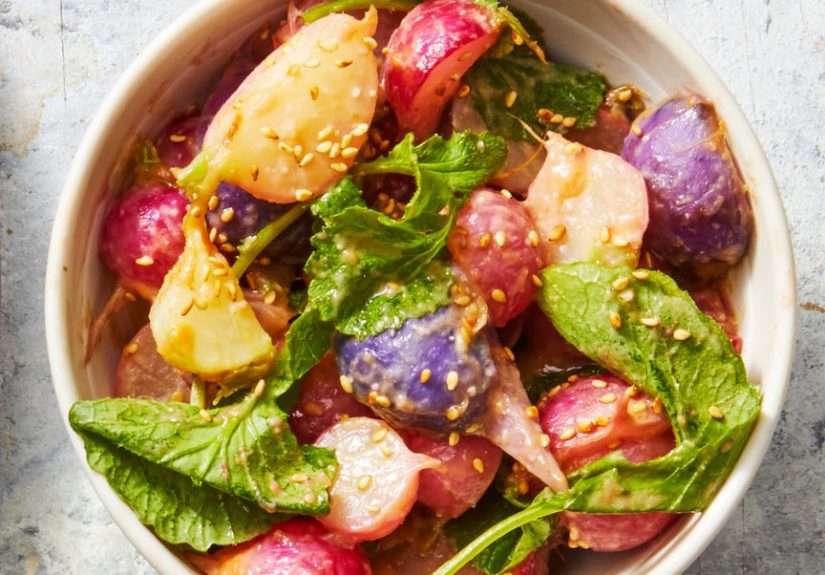
This is the “best” version because it’s reliable: you roast first for sweetness and texture, then glaze near the end
so the miso doesn’t scorch. The result is glossy, savory, and lightly caramelizedwithout turning your sheet pan into
an archaeological site.
Ingredients (Serves 4 as a side)
- 1 1/2 pounds radishes (about 2 to 3 bunches), trimmed and halved (quarter any jumbo ones)
- 1 1/2 tablespoons neutral oil (avocado, grapeseed) or olive oil
- 1/2 teaspoon kosher salt (less if using salty miso)
- 1/4 teaspoon black pepper
- For the miso glaze:
- 2 tablespoons white miso paste
- 1 tablespoon honey (or maple syrup)
- 1 tablespoon mirin (or 2 teaspoons rice vinegar + extra 1 teaspoon honey)
- 2 teaspoons low-sodium soy sauce or tamari
- 1 teaspoon toasted sesame oil
- 1 teaspoon rice vinegar (optional but recommended for brightness)
- 1 small garlic clove, finely grated (or 1/2 teaspoon garlic paste)
- 1 teaspoon grated fresh ginger (optional but excellent)
- 1 to 2 tablespoons warm water (as needed to thin)
- To finish: toasted sesame seeds, sliced scallions, and lime wedges
- Optional: a handful of radish greens, cleaned and roughly chopped
Step-by-Step: Oven-Roasted Method (Best Texture)
- Heat the oven. Preheat to 425°F. Line a rimmed sheet pan with parchment (easy cleanup).
-
Prep radishes for browning. Pat radishes dry (water is the enemy of caramelization).
Toss with oil, salt, and pepper. -
Roast cut-side down. Arrange radishes cut-side down in a single layer.
Roast for 15 minutes to build sweetness and color. -
Make the glaze while they roast. In a small bowl, whisk miso, honey, mirin, soy sauce, sesame oil,
vinegar (if using), garlic, and ginger. Add warm water a little at a time until it’s thick but brushable
like a glaze, not a paste. -
Glaze at the right time. Pull the pan out. Toss radishes with the glaze until evenly coated.
Flip them around so the glaze hits the cut sides too (that’s the flavor sponge). -
Finish roasting. Return to the oven for 8 to 12 minutes, until radishes are
crisp-tender and glossy. If you want more caramelization, broil for 30 to 60 seconds
but watch like a hawk. Miso can go from “beautiful” to “bonfire” fast. -
Optional greens. If using radish greens, toss them onto the pan for the last 2 minutes
to wilt slightly, or sauté separately (see below). - Serve. Sprinkle with sesame seeds and scallions. Add a squeeze of lime right before eating.
What “Done” Looks Like (So You Don’t Overcook Them)
Radishes should be tender with a little bite, not mushy. Think: roasted potato’s slightly snappy cousin.
If you prefer softer radishes, simply roast a few minutes longerjust keep an eye on the glaze near the end.
Alternate Method: Skillet Miso-Glazed Radishes (Fast + Weeknight-Friendly)
If you want a stovetop version (or your oven is busy with a main dish), this approach makes a silky glaze and tender radishes
with less caramelization but great flavor.
- Melt 2 tablespoons butter (or vegan butter) in a large skillet over medium-high heat.
- Add halved radishes, stir to coat, and cook 2 minutes until lightly browned in spots.
- Add 1/4 cup water or broth, cover, and cook 6 to 10 minutes until tender-crisp.
- Reduce heat to medium. Whisk 2 tablespoons miso with 1 tablespoon honey and 1 tablespoon warm water, then stir into the pan.
- Cook uncovered 1 to 2 minutes, tossing until glossy. Finish with sesame oil and lime.
Pro Tips for Glossy, Not Burnt
1) Glaze late
Sugar + miso can scorch, especially at high temps. Roasting first, glazing second gives you the best of both worlds:
sweet roasted radishes plus a shiny, savory coating.
2) Thin the glaze if it’s too thick
Miso varies by brand and saltiness. If your glaze looks like spackle, add warm water a teaspoon at a time until it coats
smoothly. Thick globs = uneven caramelization and potential burning.
3) Don’t overcrowd the pan
Crowding traps steam, and steamed radishes are… fine. But you’re here for roasted.
Give them space so the cut sides brown and the edges wrinkle slightly.
Radish Greens: The Bonus Vegetable You Already Bought
If your radishes came with tops, don’t toss them. Radish greens cook like other tender greens with a pleasant bite.
They’re fantastic quickly sautéed with garlic and a splash of water, or stirred into the finished dish for a peppery contrast.
Quick sauté for radish greens
- Wash well (greens can be gritty), then roughly chop.
- Heat a splash of oil in a skillet, add smashed garlic, then add greens.
- Toss 2 to 3 minutes until wilted; add a splash of water if the pan gets too dry.
- Finish with lemon or lime and a pinch of salt.
Serving Ideas (Where These Radishes Shine)
- Rice bowl upgrade: serve over jasmine rice with tofu, salmon, or rotisserie chicken and cucumber.
- Noodle night: add to soba or udon with scallions and sesame.
- Taco twist: pile into tacos with shredded chicken or crispy mushrooms for sweet-savory crunch.
- Brunch flex: top avocado toast with miso-glazed radishes and a soft egg.
- Party platter: serve warm as a small plate with lime wedges and extra sesame.
Easy Variations
Spicy miso-glazed radishes
Add 1/2 teaspoon sriracha or chili crisp to the glaze. Spicy + sweet + umami = dangerously snackable.
Citrus pop
Swap part of the vinegar for orange or grapefruit juice, then finish with zest. Brightens the whole dish.
Vegan and dairy-free
Use maple syrup instead of honey and skip butter (or use vegan butter). Tamari keeps it gluten-free if needed.
Air fryer version
Air fry plain seasoned radishes at 400°F for 10 to 12 minutes, shaking halfway.
Toss with glaze and air fry 2 to 3 minutes more, watching closely.
Troubleshooting (Because Vegetables Can Be Dramatic)
“My radishes are still spicy.”
Roast a little longer or cut larger ones into smaller pieces so they cook evenly.
Some radishes are naturally more pungent, especially if older.
“They turned mushy.”
You went past tender-crisp. Next time, pull them earlier and remember: carryover heat keeps cooking them after they leave the oven.
“The glaze tastes too salty.”
Miso and soy sauce vary a lot. Add a touch more honey/maple and a squeeze of citrus to balance.
Next time, reduce soy sauce or choose a lower-sodium option.
“My glaze burned.”
You likely glazed too early or broiled too long. Keep glazing to the final stretch and thin slightly with water to prevent hot spots.
Make-Ahead and Storage
- Prep ahead: Mix glaze up to 3 days in advance and refrigerate. Stir before using.
- Store radishes: Keep unwashed radishes in the fridge; remove greens and store separately.
- Leftovers: Refrigerate cooked radishes 2 to 3 days. Reheat in a hot skillet to revive the glaze.
Frequently Asked Questions
Do cooked radishes really taste different?
Yep. Roasting mellows the bite and brings out sweetness. If you only know radishes as salad crunch,
this will feel like meeting someone’s nicer twin.
Can I use red miso instead of white?
Absolutely. Expect bolder, saltier flavor. Start with 1 1/2 tablespoons red miso and taste the glaze before coating.
What if I don’t have mirin?
Use rice vinegar plus a little extra honey/maple. Mirin adds sweetness and shine, but you can fake it convincingly.
Conclusion
Miso-glazed radishes are proof that vegetables can have a glow-up. Roast to tame the peppery bite, glaze late for a glossy finish,
and don’t forget the radish greensthey’re the “bonus level” of flavor and zero-waste satisfaction.
Serve them with rice, noodles, or straight off the tray like a snack you pretend is “for dinner.”
Kitchen Experiences: How Miso-Glazed Radishes Won Me Over (And Might Convert Your Household Too)
The first time I made miso-glazed radishes, I did it with the energy of someone trying a “life-changing” vegetable hack they don’t fully trust.
Radishes, in my brain, lived in one lane: raw, cold, crunchy, and slightly spicygreat in salads, fine with butter and salt, and occasionally used
as a garnish that gets pushed aside. So the idea of roasting them felt like telling a goldfish it’s going to learn to fly.
But the moment they came out of the oven after that first roastbefore the glaze even touched themI got it. The sharp smell softened into something
almost sweet and earthy. The cut sides browned in a way that looked suspiciously like “real” roasted vegetables. Then came the miso glaze:
a thick, salty-sweet mixture that smelled like something you’d brush onto grilled fish at a restaurant. When those radishes went back in, the glaze
turned shiny and slightly sticky, the way a good glaze shouldcoating each piece instead of sliding off like it had somewhere else to be.
The biggest surprise wasn’t just the flavor. It was the behavior. Roasted radishes don’t collapse like zucchini or go mushy like overcooked
mushrooms. They keep a little structure, so every bite has a pleasant snap under the tenderness. That texture makes them unbelievably snackable.
I’ve watched people “taste one” and then hover near the sheet pan pretending they’re helping in the kitchen while quietly eating three more.
Over time, I started using this recipe as a secret weapon for meals that needed a fast side with personality. Rice bowls? Perfect.
I’d add miso-glazed radishes, quick cucumbers, and leftover chicken, and suddenly leftovers felt intentional. Noodle night? They’re amazing next to soba
with scallions and sesame. Even taco night benefitedtucked into warm tortillas with crispy mushrooms, they added sweetness, savoriness, and a little bite
that made everything taste more “built” instead of “assembled.”
I also learned a few practical lessons the hard way. First: glaze late. The time I got impatient and glazed early, the sheet pan looked like I’d
attempted candy-making with soy paste. Second: thin the glaze if needed. Some miso is thick and assertive; a teaspoon of warm water makes the difference
between elegant coating and patchy clumps. Third: radish greens are not decoration. Once I tried sautéing them with garlic and a splash of water,
I stopped treating them like trash. They’re peppery in a good waylike arugula’s scrappier cousinand they make the whole dish feel complete.
If you’re cooking for someone who “doesn’t like radishes,” this is the method I’d bet on. You’re not forcing radishes to be something they’re not;
you’re just letting heat and miso do what they do best: mellow, deepen, and make everything taste a little more expensive than it actually was.