Table of Contents >> Show >> Hide
- Why Stingray Stings Hurt So Much (And Why Hot Water Helps)
- Before the Steps: When to Treat It Like an Emergency
- How to Treat a Stingray Sting: 11 Steps
- Step 1: Get out of the water (safely)
- Step 2: Call for help if the sting is severe
- Step 3: Control bleeding with direct pressure
- Step 4: Lookdon’t digfor the spine/barb
- Step 5: Soak in hot water (the “magic bucket” step)
- Step 6: Clean the wound thoroughly after soaking
- Step 7: Flush (irrigate) if you cangently
- Step 8: Apply an antibiotic ointment and a sterile dressing
- Step 9: Elevate and manage pain smartly
- Step 10: Get medical evaluation (especially for deep wounds)
- Step 11: Watch for infection and complications for the next 48–72 hours
- Common Mistakes (AKA “How People Accidentally Make It Worse”)
- What to Expect at Urgent Care or the ER
- Prevention Tip: The Stingray Shuffle
- Final Thoughts
- Real-World Experiences: What Stingray Stings Are Usually Like (And What People Learn)
A stingray sting is the ocean’s way of saying, “Congratulations, you’ve discovered where stingrays keep their pointy bits.”
The good news: most stings are treatable with smart first aid and timely medical care. The less fun news: the pain can be
intense, and the puncture wound is often “dirty,” meaning infection risk is real. So let’s do this the calm, practical way
with a little humor, because pain plus panic is a terrible combo.
Important: This guide is educational, not a substitute for medical care. If you’re in the U.S. and symptoms are severe,
call 911. You can also call Poison Help (1-800-222-1222) for guidance.
Why Stingray Stings Hurt So Much (And Why Hot Water Helps)
Most stingray injuries happen when someone accidentally steps near a ray that’s camouflaged in sand. The tail spine can puncture
the skin and deliver venom that causes intense pain. A key first-aid trick is hot-water immersionstingray venom is
considered heat-labile (heat can reduce its effects), and hot water also helps calm the nerve-driven “this is the worst day of my foot’s life”
sensation.
Before the Steps: When to Treat It Like an Emergency
Don’t “tough it out” if any of these apply:
- Sting to the chest, belly/abdomen, neck, groin, or a major joint
- Uncontrolled bleeding or a deep puncture
- Signs of severe reaction: trouble breathing, fainting, chest pain, severe weakness, confusion
- Worsening swelling, numbness, or pain spreading far beyond the wound
- You suspect a barb/spine fragment is still inside
How to Treat a Stingray Sting: 11 Steps
Step 1: Get out of the water (safely)
Your first mission is simple: exit the water to prevent drowning (pain can make people dizzy) and avoid a second injury.
Sit down somewhere stablepreferably near a lifeguard station. If you’re helping someone else, keep them calm and still.
Step 2: Call for help if the sting is severe
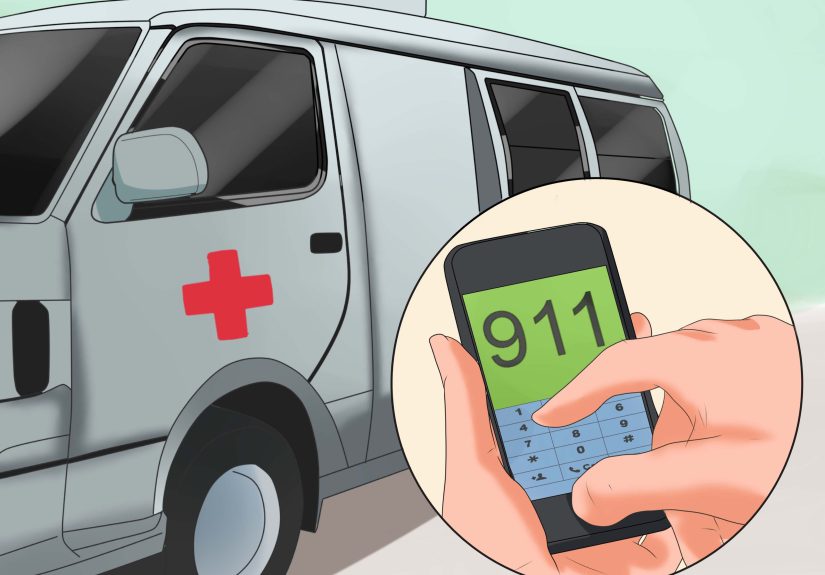
If there’s a sting to the torso/neck, heavy bleeding, fainting, breathing trouble, or severe symptoms, call 911.
For non-emergencies in the U.S., Poison Help (1-800-222-1222) can guide next steps.
Step 3: Control bleeding with direct pressure
Use a clean cloth or bandage and apply steady pressure. Stingray wounds can bleed freely.
Don’t waste time on fancy knot-tyingyour goal is simple pressure and stability.
Step 4: Lookdon’t digfor the spine/barb
If you see a small, superficial fragment you can remove easily, that may be reasonable. But do not dig around inside the wound.
And if a spine is embedded deeply (or the injury is in the neck/chest/abdomen), leave it in place and get emergency care.
Digging can worsen tissue damage and bleeding.
Step 5: Soak in hot water (the “magic bucket” step)
Immerse the injured area in hot, not scalding waterideally around 104–113°F (40–45°C).
If you don’t have a thermometer, use hot water that’s tolerable on an uninjured limb first. Keep soaking for
30 to 90 minutes, or until pain is significantly improved. If the water cools, refresh it.
Beach reality: many lifeguards are prepared for this exact situation and may have buckets or hot water ready.
Accept the bucket. It’s not a weird beach ritualit’s evidence-based practicality.
Step 6: Clean the wound thoroughly after soaking
Once pain is more manageable, gently wash with mild soap and clean water. Remove sand and debris as best you can.
The puncture can be deep and contaminated, so cleaning matters.
Step 7: Flush (irrigate) if you cangently
If you have access to clean running water or sterile saline, gentle irrigation helps wash out debris.
Avoid blasting the wound like you’re pressure-washing a drivewaysteady, gentle flushing is the goal.
Step 8: Apply an antibiotic ointment and a sterile dressing
If you’re not allergic, apply a thin layer of over-the-counter antibiotic ointment and cover with a sterile non-stick dressing.
Change the dressing if it gets wet or dirty. Keep it clean and protected.
Step 9: Elevate and manage pain smartly
Elevate the injured limb when possible to reduce swelling. For pain, consider an over-the-counter anti-inflammatory
(if you can take it safely) and keep the area protected. If pain remains severe even after hot water, that’s a strong signal
to seek medical evaluation.
Step 10: Get medical evaluation (especially for deep wounds)
Many stingray injuries should be checked by a clinicianparticularly deep punctures, hand/foot injuries with ongoing pain,
or anything that looks like it may have a retained fragment. A clinician may:
- Update your tetanus shot if needed
- Explore and clean the wound more thoroughly
- Order imaging (often X-ray) to look for a retained barb
- Prescribe antibiotics if risk is high (deep puncture, foreign body, immune issues, or signs of infection)
Marine wounds can involve water-borne bacteria, so don’t treat antibiotics like a “maybe later” detail if a clinician recommends them.
Step 11: Watch for infection and complications for the next 48–72 hours
Stingray stings often improve quickly after hot-water treatment, but infection can show up later. Seek care promptly if you notice:
- Increasing redness, warmth, swelling, or worsening pain
- Pus/drainage, bad odor, or red streaks spreading upward
- Fever, chills, nausea that’s getting worse
- Numbness, tingling, or trouble moving the area
Common Mistakes (AKA “How People Accidentally Make It Worse”)
- Skipping hot water and hoping it “just passes” while the pain ramps up.
- Using water that’s too hot and trading venom pain for a burn. Hot-to-tolerable wins. Scalding loses.
- Digging for the barb like you’re searching for pirate treasure. Let clinicians do deep exploration.
- Closing the wound too soon (tight tape, glue, etc.) when a clinician would prefer it drain and heal safely.
- Ignoring tetanus. Puncture wounds and “ocean bacteria soup” are not a great combo.
What to Expect at Urgent Care or the ER
If you go in, the visit is usually focused and practical. Expect questions about when and where it happened, symptoms, and tetanus status.
Clinicians may soak the wound (again), clean it, remove debris, and consider imaging if a retained fragment is suspected. They’ll also
help decide whether antibiotics are appropriate and give you clear “return precautions” for infection or worsening symptoms.
Prevention Tip: The Stingray Shuffle
Want to reduce your odds of meeting a stingray spine up close? When wading in sandy areas where stingrays live, shuffle your feet
along the bottom instead of taking normal steps. It warns stingrays and encourages them to move away. It’s not stylishbut it’s effective,
and frankly, “uninjured” is always in fashion.
Final Thoughts
Treating a stingray sting comes down to a calm checklist: get out of the water, control bleeding, don’t dig for barbs, use hot-water immersion,
clean and dress the wound, and seek medical care when the wound is deep, symptoms are intense, or infection risk is high. If you remember only one thing,
remember this: hot water (not scalding) + proper wound care + the right follow-up is the fastest route back to walking normally
and telling the story later without limping for dramatic effect.
Real-World Experiences: What Stingray Stings Are Usually Like (And What People Learn)
Most stingray sting stories start the same way: “I didn’t even see it.” People often describe a sudden, sharp jablike stepping on a nail
followed quickly by a deep, throbbing pain that seems weirdly out of proportion to the size of the wound. A lot of folks say the pain ramps up fast,
sometimes within minutes, and that the hardest part is the combination of panic (“What was that?!”) and the instinct to keep moving
(even though sitting down is usually smarter).
The next chapter is often the “lifeguard pilgrimage,” where the injured person does a one-footed hop that is equal parts miserable and unintentionally comedic.
If you’ve ever watched someone try to look dignified while clearly losing an argument with their own foot, that’s the vibe.
Many beaches in stingray-prone areas treat these incidents so routinely that the response is almost casual: a bucket, hot water, and a calm voice saying,
“Yep, stingray. Sit. Soak.” People are often surprised by how quickly hot water can change the situationfrom “I might pass out” to
“Okay, I can breathe again.” It’s not always instant, but many report meaningful relief during the soak.
A common learning moment: hot water should be hot but not “boil-your-soul” hot. First-timers sometimes overdo it, thinking hotter means faster.
In reality, scalding water can burn numb skin (and injured areas may not sense temperature normally). People who do it right often say the soak feels
uncomfortable at first, then gradually becomes that “this is the only thing that makes sense in the universe” relief.
Another pattern: the wound itself can look small, which tricks people into underestimating infection risk. Latersometimes the next daysome notice
increasing redness, swelling, tenderness, or drainage and realize the ocean is not a sterile environment. People who ended up needing antibiotics often
describe the sting as “fine after the soak,” then “not fine” once inflammation and infection signs appeared. It’s also not rare to hear, “I hadn’t updated
my tetanus shot in forever,” followed by, “So… I got a tetanus shot.”
And then there’s the long-term takeaway: the stingray shuffle. Many people swear they’ll never walk normally in shallow surf again.
They become the beach’s unofficial safety spokesperson, telling friends, kids, and strangers, “Shuffle your feet!” like it’s a sacred coastal commandment.
The funny part? It worksmost stingray incidents are defensive, not aggressive. So the “experience” many take home is a mix of respect for wildlife,
gratitude for quick first aid, and a new appreciation for the humble bucket of hot water.