Table of Contents >> Show >> Hide
- What Are Dark Knees?
- Common Causes of Dark Knees
- How to Treat Dark Knees at Home
- Home Remedies: What Helps and What to Skip
- A Simple Dark Knees Skin Care Routine
- How Long Does It Take to Fade Dark Knees?
- When to See a Doctor or Dermatologist
- Prevention Tips for Dark Knees
- 500-Word Experience Section: Real-Life Lessons From Dealing With Dark Knees
- Conclusion
Dark knees are one of those skin concerns that can sneak up on you quietly. One day you are putting on shorts, looking perfectly normal, and the next day your knees seem to have developed their own dramatic shadow effect. The good news? In most cases, dark knees are common, harmless, and manageable with consistent skin care. The not-so-fun news? They usually do not disappear overnight, no matter how persuasive that “miracle brightening scrub” looks on your social feed.
Dark knees often happen because the skin around the knees is thicker, drier, and more exposed to friction than many other areas of the body. Knees bend, stretch, rub against clothing, touch the floor, and sometimes get ignored during moisturizing. That combination can lead to rough texture, dryness, and hyperpigmentation, which is the medical term for skin becoming darker because of extra melanin.
This guide explains the most common causes of dark knees, safe home treatments, what ingredients may help, what habits to avoid, and when darkening might be a sign that it is time to check in with a healthcare provider. No shame, no harsh bleaching advice, and definitely no suggestion that your knees need to be “perfect.” They are knees, not red-carpet celebrities. But if the color or texture bothers you, there are gentle ways to support healthier-looking skin.
What Are Dark Knees?
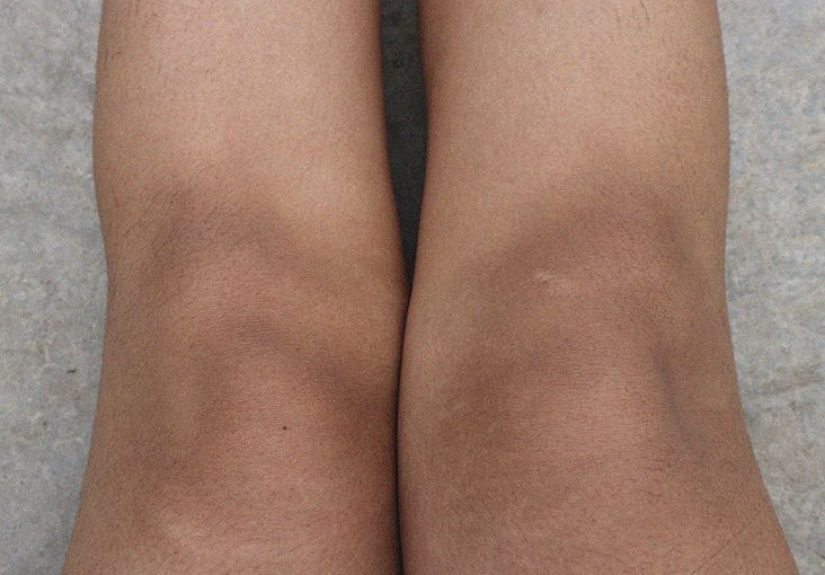
Dark knees refer to skin on or around the knees that appears darker than the surrounding skin. The color may look brown, gray-brown, tan, or slightly ashy, depending on your natural skin tone. The skin may also feel rough, thick, dry, scaly, or bumpy.
In many people, dark knees are simply a form of localized hyperpigmentation. This means the skin has produced more melanin in that area. Melanin is the pigment that gives skin, hair, and eyes their color. When the skin is exposed to repeated irritation, sun, inflammation, or friction, it may respond by making more pigment.
Dark knees are more noticeable in people with medium to deep skin tones because melanocytes, the cells that produce melanin, may respond more strongly to irritation or inflammation. However, anyone can develop darker knees. Fair skin can darken, tan, redden, or become rough in these areas too.
Common Causes of Dark Knees
1. Friction and Pressure
The knees are high-traffic skin zones. They bend when you walk, squat, sit, kneel, exercise, crawl under a desk to find a lost charger, or dramatically search for a contact lens that was never actually lost. All that movement creates friction.
Repeated rubbing from jeans, leggings, sports gear, rough fabrics, or kneeling on hard surfaces can irritate the skin. Over time, the skin may thicken slightly to protect itself. That thicker skin can look darker, especially when it becomes dry or rough.
2. Dry Skin Buildup
The knees naturally have fewer oil glands than areas such as the face. That means they can become dry more easily. Dry skin does not reflect light smoothly, so it can appear dull, grayish, or darker. Dead skin cells may also build up on the surface, making the knees look uneven.
Long hot showers, harsh soaps, dry weather, indoor heating, and skipping moisturizer can make this worse. If your knees feel rough like fine sandpaper, dryness is likely part of the story.
3. Sun Exposure
Sunlight can darken the knees just like it can darken the face, arms, or shoulders. When knees are exposed in shorts, dresses, swimwear, or athletic clothing, ultraviolet rays can stimulate melanin production. If the knees are already irritated or dry, sun exposure may make discoloration more noticeable.
Many people apply sunscreen to the face and shoulders but forget the knees. The knees may not be glamorous, but they do see the sun. Unfortunately, the sun does not offer discounts for forgotten body parts.
4. Post-Inflammatory Hyperpigmentation
Post-inflammatory hyperpigmentation happens after the skin has been irritated, injured, or inflamed. On the knees, this can follow scrapes, bug bites, razor irritation, eczema flares, psoriasis plaques, allergic reactions, or aggressive scrubbing.
After the original irritation heals, the skin may leave behind a darker mark. This is especially common in deeper skin tones. The mark can fade, but it often takes weeks or months, not three business days and a motivational quote.
5. Acanthosis Nigricans
Acanthosis nigricans is a skin condition that causes darker, thicker, velvety patches. It often appears in body folds such as the neck, armpits, groin, elbows, and sometimes knees. It can be associated with insulin resistance, prediabetes, diabetes, hormonal conditions, certain medications, or genetic factors.
Dark knees alone do not automatically mean you have a medical condition. However, if the skin is suddenly darker, thicker, velvety, spreading, or also appears on the neck or underarms, it is smart to speak with a healthcare provider. Skin can sometimes be a useful messenger, and in this case, it may be waving a small but important flag.
6. Eczema, Psoriasis, or Other Skin Conditions
Chronic skin conditions can affect the knees. Eczema may cause dryness, itching, irritation, and dark marks after scratching. Psoriasis commonly appears on elbows and knees as thick, scaly patches that can leave discoloration after inflammation settles.
If your knees are itchy, painful, cracked, bleeding, or covered with persistent scales, home brightening routines are not the best first step. The better move is to treat the underlying skin condition with professional guidance.
7. Shaving, Waxing, or Hair Removal Irritation
Hair removal can sometimes irritate skin around the knees, especially because the area is bony and uneven. Tiny nicks, razor burn, ingrown hairs, or repeated inflammation may lead to dark spots. Using a dull razor, shaving dry skin, or waxing sensitive skin can make the problem worse.
8. Genetics and Natural Skin Variation
Sometimes knees are darker simply because that is how your skin naturally behaves. Elbows, knees, knuckles, ankles, and other joints often have deeper color due to skin thickness and movement. Natural variation is normal and does not always need treatment.
How to Treat Dark Knees at Home
Home treatment works best when it focuses on three goals: reduce irritation, improve moisture, and protect the skin from further darkening. The aim is not to bleach your skin into a different tone. The goal is to help the knees look smoother, healthier, and more even over time.
Step 1: Use a Gentle Cleanser
Start with basics. Wash the knees with a gentle, fragrance-free cleanser instead of harsh deodorant soaps or strong scrubs. Harsh cleansers can strip natural oils and make dryness worse. When skin gets dry and irritated, discoloration may become more stubborn.
A simple rule: if your cleanser makes your skin feel squeaky-clean, tight, or itchy, it may be too aggressive. Skin is not a dinner plate; it does not need to squeak.
Step 2: Moisturize Every Day
Moisturizer is one of the most underrated treatments for dark knees. Dry skin can make dark areas look more obvious, while well-hydrated skin tends to look smoother and brighter.
Look for moisturizers with ingredients such as glycerin, hyaluronic acid, ceramides, petrolatum, shea butter, dimethicone, or colloidal oatmeal. Creams and ointments are often more effective for rough knees than lightweight lotions. Apply moisturizer after showering while the skin is still slightly damp, then reapply later if the knees feel dry.
Step 3: Exfoliate Gently, Not Aggressively
Gentle exfoliation can help remove dead skin buildup and improve texture. However, over-exfoliating can cause irritation, and irritation can lead to more hyperpigmentation. In other words, attacking dark knees like you are sanding a wooden table is not the plan.
Consider using a mild chemical exfoliant two or three times a week. Helpful options may include lactic acid, glycolic acid, urea, or salicylic acid. These ingredients can soften rough skin and encourage smoother texture. Start slowly, especially if your skin is sensitive.
Avoid harsh physical scrubs with sharp particles, stiff brushes, pumice stones used too hard, or homemade scrubs made with lemon juice and sugar. Lemon juice can irritate the skin and make it more sensitive to sunlight, which is exactly the opposite of what you want.
Step 4: Protect Your Knees From the Sun
If your knees are exposed, apply broad-spectrum sunscreen. Choose SPF 30 or higher for regular outdoor exposure, and reapply as directed, especially after sweating or swimming. Sunscreen helps prevent existing dark areas from becoming darker and supports gradual fading.
For extra protection, wear breathable clothing that covers the knees when spending long periods outdoors. This is especially helpful if you are treating hyperpigmentation, because sun exposure can slow your progress.
Step 5: Reduce Friction
If friction is part of the cause, skin care alone may not fully solve the problem. Try wearing softer fabrics, using knee pads for activities that involve kneeling, and avoiding rough surfaces when possible. If you exercise often, shower after sweating and moisturize afterward.
Small changes can matter. For example, if you kneel during yoga, gardening, cleaning, sports practice, or prayer, a cushioned mat can reduce pressure and rubbing. Your knees will appreciate the upgrade. They have been carrying the team for years.
Step 6: Try Brightening Ingredients Carefully
Some over-the-counter ingredients may help improve uneven tone gradually. These include niacinamide, vitamin C, azelaic acid, licorice extract, kojic acid, retinoids, and gentle alpha hydroxy acids. Not every ingredient works for every person, and stronger is not always better.
Patch test new products on a small area first. Use one new product at a time so you can tell what helps and what irritates. If burning, swelling, intense itching, or peeling occurs, stop using the product.
Step 7: Be Careful With Skin-Lightening Products
Avoid unregulated skin-lightening creams, mystery jars, or products with unclear ingredient lists. Some illegal or unsafe brightening products may contain mercury, high-strength steroids, or other harmful ingredients. These can damage the skin and cause serious health problems.
If you are considering a stronger fading cream, especially one containing hydroquinone or prescription-strength ingredients, talk with a dermatologist. Professional guidance is safer than playing chemistry roulette in your bathroom.
Home Remedies: What Helps and What to Skip
Helpful Home Habits
Safe home care for dark knees usually looks boring, which is annoying but true. The best routine is consistent, gentle, and protective. Use a mild cleanser, moisturize daily, exfoliate lightly, apply sunscreen, and reduce friction. These steps may not sound dramatic, but skin usually prefers calm routines over chaos.
You may also use simple occlusion at night. Apply a thick moisturizer or ointment to the knees before bed, then wear soft pajama pants. This helps trap moisture and can soften rough patches over time.
Remedies to Avoid
Skip lemon juice, baking soda paste, toothpaste, undiluted essential oils, hydrogen peroxide, and harsh bleaching mixtures. These can irritate or burn skin. Irritated skin may heal with even more darkening, which is the skin-care version of taking one step forward and falling into a bush.
Also avoid scrubbing until the skin turns red. Redness is not proof that a treatment is working; it is proof that your skin is annoyed.
A Simple Dark Knees Skin Care Routine
Morning Routine
Cleanse gently in the shower or with water if your skin is not sweaty. Apply a moisturizer while the knees are still slightly damp. If the knees will be exposed, apply broad-spectrum sunscreen. Wear soft clothing when possible.
Evening Routine
Wash off sweat, sunscreen, or dirt with a gentle cleanser. Apply a richer cream or ointment. Two or three nights a week, use a mild exfoliating lotion with lactic acid, urea, glycolic acid, or salicylic acid. Do not use every active ingredient at once. Your knees are not a science fair project.
Weekly Check-In
Once a week, look at the texture and comfort of the skin rather than obsessing over color. Is the skin softer? Less rough? Less itchy? Less dry? These are signs your routine is helping, even if pigment takes longer to fade.
How Long Does It Take to Fade Dark Knees?
Results depend on the cause. If dark knees are mainly due to dryness and dead skin buildup, the skin may look smoother within two to four weeks of consistent moisturizing and gentle exfoliation. If hyperpigmentation is deeper or caused by inflammation, it may take several months to fade.
If the cause is ongoing friction, repeated irritation, eczema, psoriasis, or acanthosis nigricans, the discoloration may persist until the underlying trigger is controlled. This is why patience matters. Skin cells renew gradually, and pigment does not vanish just because we politely ask it to.
When to See a Doctor or Dermatologist
Most dark knees are not urgent. However, you should consider medical advice if the skin darkens suddenly, becomes thick or velvety, spreads to the neck or armpits, itches intensely, cracks, bleeds, hurts, or develops a rash that does not improve.
You should also seek guidance if dark patches appear along with symptoms such as increased thirst, frequent urination, unexplained weight changes, fatigue, or a strong family history of diabetes. These symptoms do not prove anything by themselves, but they are worth checking.
A dermatologist can identify whether the darkening is simple hyperpigmentation, eczema, psoriasis, acanthosis nigricans, keratosis pilaris, or another condition. Treatments may include prescription creams, stronger exfoliants, anti-inflammatory medicine, retinoids, chemical peels, or targeted care for an underlying health issue.
Prevention Tips for Dark Knees
Preventing dark knees is mostly about reducing triggers. Keep the skin moisturized, avoid harsh scrubbing, protect exposed knees from the sun, and reduce repeated friction. Treat rashes, itching, and irritation early so they do not leave lingering dark marks.
If you work out, garden, clean, play sports, or spend time kneeling, use cushioning when possible. If your skin is sensitive, choose fragrance-free products and avoid switching products too often. A stable routine is usually better than a bathroom shelf that looks like a tiny beauty store having a nervous breakdown.
500-Word Experience Section: Real-Life Lessons From Dealing With Dark Knees
Dark knees can feel frustrating because they are easy to notice and surprisingly stubborn. Many people first try to solve the problem by scrubbing harder. That makes sense at first glance. If something looks darker or rougher, the instinct is to “clean” it more. But one of the biggest lessons from real-life skin care is that dark knees are rarely about dirt. They are usually about dryness, friction, pigment, irritation, or a combination of all four.
A common experience is the “summer discovery.” Someone wears jeans all winter, then switches to shorts and suddenly notices their knees are darker than the rest of their legs. The first reaction may be panic, followed by a deep internet search and possibly a suspicious home remedy involving lemon juice. But when you look at the pattern, it often makes sense. During colder months, skin may become dry from indoor heating and hot showers. Knees rub against thicker clothing. Moisturizer may stop at the shins because everyone is busy and knees are not exactly demanding attention. By spring, the skin is rough, dull, and darker.
Another common experience happens with fitness routines. People who do yoga, dance, volleyball, martial arts, gym workouts, or home exercises may spend more time kneeling or putting pressure on the knees. Even with a mat, repeated friction can affect the skin. Once the person switches to a thicker mat, moisturizes after showering, and uses a gentle exfoliating lotion a few nights a week, the texture often improves. The color may take longer, but the skin starts feeling less rough first.
There is also the “too many products” trap. Someone buys a brightening soap, a scrub, a peel, a serum, and a strong cream, then uses everything at once. The knees become irritated, itchy, and darker. This happens because irritated skin can produce more pigment, especially in deeper skin tones. A calmer approach usually works better: gentle cleanser, moisturizer, sunscreen, and one active product at a time. Skin care is not a race, and your knees are not trying to win a trophy for fastest peeling.
People also learn that sunscreen matters on body skin, not just the face. If knees are exposed during walks, beach days, sports, or outdoor work, sunscreen can help prevent dark areas from becoming more noticeable. This is especially important when using exfoliating acids or retinoids, because fresh skin can be more sensitive to sun exposure.
The most important experience-based lesson is emotional: dark knees are normal. They do not mean you are dirty, careless, or unattractive. Bodies have texture, pigment, folds, marks, and variations. Home treatment should come from comfort and confidence, not pressure to erase every sign that your skin has been living an actual life. If you want smoother, more even-looking knees, consistent care can help. If your knees remain slightly darker, they are still doing their main job beautifully: bending, walking, dancing, climbing stairs, and occasionally bumping into coffee tables with heroic commitment.
Conclusion
Dark knees are usually caused by friction, dryness, sun exposure, dead skin buildup, post-inflammatory hyperpigmentation, or natural skin variation. In some cases, darker, thicker, velvety skin may point to acanthosis nigricans or another health-related concern, so it is worth paying attention to sudden or spreading changes.
The best home treatment is gentle and consistent: cleanse without stripping, moisturize daily, exfoliate carefully, protect exposed knees from the sun, and reduce friction. Avoid harsh scrubs, lemon juice, mystery bleaching creams, and anything that makes the skin burn. Healthy-looking skin usually comes from patience, not punishment.
If dark knees bother you, you have safe options. If they do not bother you, that is perfectly fine too. Skin does not need to be one flat color to be healthy, normal, or worthy of shorts season.