Table of Contents >> Show >> Hide
- What “Perfect” Mac and Cheese Actually Means
- The Chef’s Perfect Cheese Blend (The One You’ll Use Forever)
- The “Sauce Insurance” Ingredient (Optional, But Very Chef)
- How to Build a Creamy Mac and Cheese Sauce (Without the Grainy Surprise)
- Pasta Choices That Make Your Sauce Work Harder
- Baked vs. Stovetop: The Same Blend, Different Vibes
- Flavor Upgrades That Taste Like a Restaurant (Not a “Kitchen Sink”)
- Troubleshooting: Fix Your Mac Before It Becomes a Sad Pasta Memory
- A Chef-Style Mac and Cheese Blueprint (Use This With Any Cheese Blend)
- Storing, Reheating, and Food Safety (Because Future-You Deserves Nice Things)
- Chef’s “Experience Notes”: Real-World Lessons That Make Mac and Cheese Legendary (Extra )
- Conclusion
Mac and cheese is basically a warm hug that accidentally fell into a bowl of pasta. But if you’ve ever ended up with a sauce that’s gritty, oily, or weirdly “stringy-but-not-in-a-fun-cheese-pull-way,” you already know the truth:
mac and cheese doesn’t fail because you “didn’t use enough cheese.” It fails because you used the wrong mixor treated the right cheese like it owed you money.
The goal is simple: a sauce that stays glossy and creamy, a flavor that tastes like it came from a restaurant, and a topping that crackles when you tap it with a fork.
The secret isn’t a single magic cheese. It’s a chef-style blend where each cheese has a joband nobody freelances.
What “Perfect” Mac and Cheese Actually Means
The best mac and cheese balances three things at once:
- Melt: It should melt smoothly into the sauce without separating.
- Flavor: It should taste bold and cheesy, not just “creamy dairy vibes.”
- Texture: It should coat pasta like a velvet jacket, not slide off like a raincoat.
That’s why pros rarely rely on one cheese. A single cheese can be delicious, but it usually can’t deliver all three (unless you’re using processed cheese… which we’ll talk about without judgment).
The Chef’s Perfect Cheese Blend (The One You’ll Use Forever)
Here’s the blend that consistently creates that “how is this so creamy?” reaction while still tasting like real cheese:
The Ultimate Blend Ratio
- 50% Sharp Cheddar (main flavor and classic mac-and-cheese identity)
- 25% Gruyère (nutty depth + smooth, even melt)
- 20% Fontina or Monterey Jack (silky melt + stretchy comfort)
- 5% Parmesan (salty umami “finish,” best in small doses)
If you want this in real kitchen math for a typical family-sized pan, start with about 16 ounces (1 pound) of total cheese for a pound of pasta (plus a little extra for topping if you like it extra dramatic).
Why This Blend Works (Cheese With Job Descriptions)
Sharp cheddar brings the nostalgic tang everyone expects. The trick is choosing a cheddar that’s sharp enough to taste like something, but not so aged that it struggles to melt smoothly.
Gruyère is the “secret weapon” because it adds savory complexity without turning your mac into a science experiment. It melts reliably and gives the sauce that grown-up, restaurant depth.
Fontina or Monterey Jack is the texture MVP. These cheeses melt into a lush, creamy blanket that makes the sauce feel rich even before you add a single breadcrumb.
Parmesan is not here to be your base cheese. Parmesan is here to do what it does best: bring salty, savory intensity. Use it like perfumeone spritz, not a shower.
The “Sauce Insurance” Ingredient (Optional, But Very Chef)
If you’ve ever had cheese sauce break into oily puddles, you’ve met the protein clump monster. Chefs keep it away using one of two strategies:
Option A: A Classic Roux (Béchamel → Mornay)
A simple butter-and-flour base thickened with milk stabilizes your sauce so the cheese melts in smoothly. It’s traditional, reliable, and makes you feel like you own a whisk company.
Option B: A Tiny Bit of Processed Cheese (No, You’re Not “Cheating”)
Adding 2–3 ounces of deli-style American cheese (from a block) to your blend can make the sauce glossy and stable, especially in one-pot or quick stovetop versions.
Think of it like a bouncer at the club: it keeps the sauce smooth, and it doesn’t care who started the drama.
Option C: Sodium Citrate (For the “Perfectly Silky” Crowd)
If you want next-level smoothnesslike “box mac, but upscale”use sodium citrate. A practical starting point is about 1 teaspoon per 8 ounces of cheese.
It helps cheese melt into a sauce that stays pourable and glossy.
You do not need sodium citrate to make great mac and cheese. But if you love consistent results (or you’ve been personally victimized by grainy sauce), it’s a powerful tool.
How to Build a Creamy Mac and Cheese Sauce (Without the Grainy Surprise)
1) Grate Your Own Cheese
Pre-shredded cheese is convenient, but it often contains anti-caking agents that can mess with smooth melting. For the creamiest mac, buy blocks and grate them yourself.
Your sauce will be smoother, and your mac will taste less like “I tried.”
2) Turn the Heat Down Before Adding Cheese
High heat is where cheese sauces go to break up and cry. Once your milk base is hot and thickened, lower the heat and add cheese gradually, stirring until each addition melts before adding more.
3) Season Like You Mean It
Cheese is salty, but it’s not psychic. Season the sauce deliberatelyespecially with ingredients that boost “cheesy flavor” without adding more cheese.
- Dry mustard (mustard powder): makes the cheese taste cheesier
- Hot sauce: adds brightness (not heat, unless you go wild)
- Garlic powder: depth without overpowering
- Pinch of cayenne: gentle warmth
Pasta Choices That Make Your Sauce Work Harder
Elbows are classic, but “classic” doesn’t always mean “best at holding sauce.”
If you want maximum cling, choose shapes with ridges and curveslike cavatappi, shells, or rotiniso the sauce has something to hang onto.
Two pro moves:
- Salt your pasta water so the noodles aren’t bland from the inside out.
- Undercook the pasta slightly if you’re baking itabout 1–2 minutes shy of fully doneso it finishes perfectly in the oven.
Baked vs. Stovetop: The Same Blend, Different Vibes
Stovetop Mac: Maximum Creaminess, Minimum Waiting
Stovetop mac is about silky sauce and immediate gratification. Keep it gentle, keep it glossy, and serve it while it’s at peak creaminess.
If you want a little “chef flex,” finish with a sprinkle of Parmesan and a crack of black pepper.
Baked Mac: Crunchy Top, Cozy Center
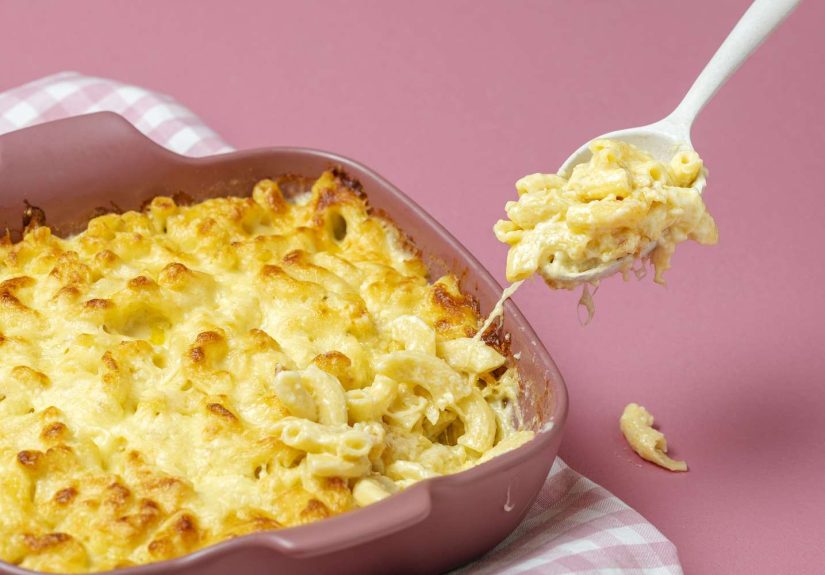
Baked mac gives you that iconic crust. The best topping is simple:
- Panko breadcrumbs
- Melted butter
- A little Parmesan (and maybe a pinch of paprika)
Bake until bubbly and browned, then let it rest for 10–15 minutes. Resting helps the sauce settle so your first scoop doesn’t become “mac soup.”
Flavor Upgrades That Taste Like a Restaurant (Not a “Kitchen Sink”)
If you want to level up without turning your mac into a confused casserole, pick one direction:
“Steakhouse” Mac
- Add 1–2 teaspoons Worcestershire sauce
- Use smoked cheddar for 10–15% of the cheddar portion
- Top with crispy onions (optional, but dangerously good)
“Southern Comfort” Mac
- Swap Fontina for Colby Jack
- Add a spoonful of cream cheese for extra tang and body
- Sprinkle paprika into the topping
“Spicy, Not Reckless” Mac
- Use Pepper Jack for half of the “melter” cheese portion
- Add a pinch of cayenne or a few dashes of hot sauce
- Finish with sliced scallions
Troubleshooting: Fix Your Mac Before It Becomes a Sad Pasta Memory
Problem: The Sauce Is Too Thick
Stir in warm milk a splash at a time. If you reserved pasta water, a tablespoon or two can also help loosen the sauce while keeping it silky.
Problem: The Sauce Is Too Thin
Simmer gently to reduce, or add a small handful of grated cheese (a melty one like Jack or Fontina) off the heat and stir until thickened.
Problem: The Sauce Looks Grainy
Graininess usually comes from overheating. Remove from heat, whisk vigorously, and add a small amount of warm milk. If it still won’t cooperate, an immersion blender can sometimes smooth it out.
Problem: The Mac Tastes “Flat”
Add salt carefully, then wake it up with acid and spice: a dash of hot sauce, a pinch of mustard powder, or a little black pepper.
Flavor isn’t just cheeseit’s contrast.
A Chef-Style Mac and Cheese Blueprint (Use This With Any Cheese Blend)
Use this as your flexible template. It’s not a strict recipeit’s a reliable structure that works with the perfect cheese blend above.
Ingredients (Family-Size Pan)
- 1 lb short pasta (elbows, cavatappi, shells)
- 4 tbsp butter
- 3 tbsp flour (for roux method)
- 3 to 3.5 cups whole milk (warm)
- Cheese blend totaling ~16 oz:
- 8 oz sharp cheddar
- 4 oz Gruyère
- 3–4 oz Fontina or Monterey Jack
- 1 oz Parmesan (plus more for topping)
- Seasonings: 1/2 tsp mustard powder, 1/4 tsp garlic powder, hot sauce to taste
- Topping (optional): panko + melted butter + Parmesan
Method (Baked Version)
- Cook pasta in well-salted water until 1–2 minutes shy of al dente. Drain.
- Make a roux: melt butter, whisk in flour, cook 1 minute.
- Whisk in warm milk gradually. Simmer until lightly thickened.
- Turn heat low. Add cheeses in handfuls, stirring until melted and smooth.
- Season with mustard powder, garlic powder, and a few dashes of hot sauce.
- Combine sauce and pasta. Pour into a buttered baking dish.
- Top with buttered panko and Parmesan. Bake until bubbly and browned. Rest 10–15 minutes.
Want stovetop instead? Skip the topping and serve right after the sauce coats the pasta like it’s proud to be there.
Storing, Reheating, and Food Safety (Because Future-You Deserves Nice Things)
Mac and cheese reheats best when you treat it gently.
- Storage: Cool, cover, and refrigerate promptly.
- Reheat: Add a splash of milk, reheat low and slow (microwave in short bursts, stirring often, or oven covered).
- Texture tip: A little moisture + gentle heat brings the creaminess back.
If you know you won’t eat it soon, freezing is an optionjust expect the texture to soften a bit after thawing. (It’ll still be mac and cheese, not a tragedy.)
Chef’s “Experience Notes”: Real-World Lessons That Make Mac and Cheese Legendary (Extra )
In professional kitchens, mac and cheese isn’t just a comfort foodit’s a test of consistency. It shows up on busy weeknights, in catering pans for crowds, and on holiday tables where Aunt Linda will absolutely comment on the crust-to-cream ratio like she’s judging a cooking competition.
Over time, chefs notice patterns. Not trends. Patternsthe kind that keep you from repeating the same mistakes in different casseroles.
One classic experience: the buffet problem. Mac and cheese can look perfect when it comes out of the ovenbubbly, golden, and dangerously scoopablethen quietly dry out under warming lights.
That’s why the “melter” cheese (Fontina or Monterey Jack) matters so much in crowd-sized batches. It keeps the sauce feeling plush even as the dish sits.
Chefs often plan for this by making the sauce slightly looser than they would for a straight-to-the-plate version. Fifteen minutes on a steam table can thicken a sauce like it’s training for a bodybuilding contest.
Another common kitchen moment: the “I used fancy cheese and it got worse” surprise. People assume older, sharper cheeses automatically mean better mac.
In reality, extremely aged cheddar can melt less smoothly, and that’s when you get the dreaded grease slick.
Chefs learn to build flavor with balance: sharp cheddar for identity, Gruyère for depth, Parmesan for punchthen a reliable melter for texture.
The best mac isn’t about showing off your most expensive wedge. It’s about making the whole team play well together.
Then there’s the comeback story: rescuing a sauce that’s starting to break.
In a restaurant, you don’t always have the luxury of starting over. The quiet hero move is having a stabilizer strategy: either a béchamel base or a small amount of processed cheese to keep things glossy.
It’s not about “cheating.” It’s about engineering a sauce that behaves under pressurelike a line cook on a Saturday night.
Chefs also learn that mac and cheese is a seasoning dish, not just a dairy dish. Dry mustard is a frequent “why does this taste better?” ingredient because it boosts cheesy flavor without tasting like mustard on its own.
A few dashes of hot sauce do something similar: not heat, but brightness. The best mac tastes rich and lively at the same time, which sounds impossible until you try it.
And finally: the topping truth. People love the idea of extra cheese on top, but too much can turn the crust greasy instead of crisp.
That’s why a buttered panko topping is such a classic in chef circlesit browns beautifully, stays crunchy, and doesn’t create an oil slick.
The most complimented mac-and-cheese pans in real kitchens usually have a deliberate topping plan: crisp crumbs for texture, a little Parmesan for flavor, and just enough browning to make that first spoonful feel like a reward.
The big takeaway from all these real-world moments is simple: the “perfect” mac and cheese isn’t a single recipe. It’s a repeatable system.
Use the blend. Treat the heat gently. Season with intention. Then decide whether you want silky stovetop comfort or baked, golden drama.
Either way, you’re not just making mac and cheeseyou’re making the version people request by name.