Table of Contents >> Show >> Hide
- Quick rundown: the 8 mistakes
- 1) Mistake: Treating your feeder like a lawn ornament (a.k.a. not cleaning it)
- 2) Mistake: Buying the bargain seed mix… then wondering why birds “ghost” you
- 3) Mistake: Letting seed get wet (and pretending it’s “fine”)
- 4) Mistake: Putting feeders in a dangerous spot (windows + predators are the big ones)
- 5) Mistake: Creating a bird traffic jam (overcrowding and too little feeder space)
- 6) Mistake: Letting squirrels and rodents run the buffet
- 7) Mistake: Feeding birds… but forgetting water and habitat
- 8) Mistake: Leaving feeders up when birds are visibly sick (or when outbreaks are reported)
- Wrap-up: a safer, smarter bird-feeding routine
- Field-note experiences: what birders notice after fixing these mistakes (about )
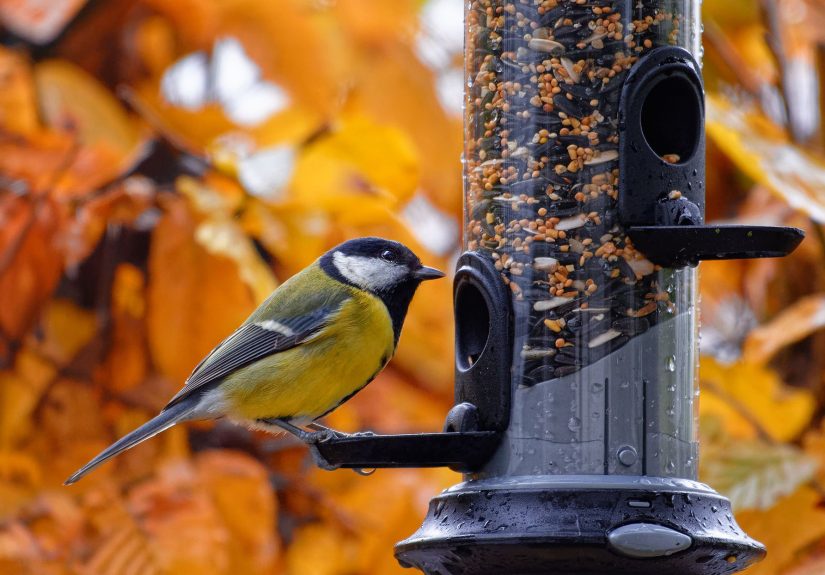
Backyard bird feeding is basically hosting a tiny, feathery restaurant. And like any restaurant, it can go from “5-star experience”
to “health inspector is on the way” faster than you can say black-oil sunflower. The good news: most bird feeder problems
come down to a handful of fixable habitswhere you place the feeder, what you serve, and how often you clean up after the guests.
Below are eight common bird feeder mistakes that can scare birds away, attract the wrong critters, orworst of allmake birds sick.
Each one comes with a practical, backyard-tested fix, plus a few “why didn’t anyone tell me this sooner?” tips to make your feeding
station safer, cleaner, and way more popular.
Quick rundown: the 8 mistakes
- “Set it and forget it” cleaning
- Serving low-quality seed (or the wrong food for your feeder)
- Letting seed get wet, clumpy, or moldy
- Placing feeders where birds collide with windows or predators ambush them
- Overcrowding: too many birds, too little space
- Ignoring squirrels, rodents, and other “uninvited guests”
- Skipping water and natural habitat support
- Keeping feeders up during sickness outbreaks (or when you see sick birds)
1) Mistake: Treating your feeder like a lawn ornament (a.k.a. not cleaning it)
A feeder that never gets cleaned is like a communal spoon at a buffet. Birds shed feathers, drop seed hulls, andyesleave droppings.
Add rain or humidity and you’ve got a recipe for grime, spoiled food, and potential disease spread.
How to fix it
- Get on a realistic schedule: Clean seed feeders about every two weeks. Clean more often in wet weather, heavy use, or if you notice mess building up.
- Use the right clean-and-sanitize approach: Wash with hot, soapy water, scrub off debris, then sanitize with a diluted bleach solution (commonly 1 part household bleach to 9 parts water). Rinse well and let everything dry completely.
- Don’t forget the ground: Rake up hulls and spilled seed under feeders. That “bird confetti” attracts rodents and holds moisture.
Pro tip: feeders made of plastic or metal are usually easier to sanitize than wood. If you love the rustic look of wood feeders,
consider rotating them out for deep drying between usesor keep wood for “decor,” and use cleanable feeders for actual feeding.
2) Mistake: Buying the bargain seed mix… then wondering why birds “ghost” you
Many cheap blends are heavy on filler seeds that lots of backyard birds either don’t prefer or can’t easily use. Birds pick out the good stuff,
leave the rest, and those leftovers become a damp, funky carpet in your tray. That’s bad for birds and great for mold and rodents.
How to fix it
- Go “quality over quantity”: If you want an all-purpose crowd-pleaser, black-oil sunflower seed is a classic because it’s energy-dense and easy for many species to crack.
- Match food to feeder:
- Tube feeders: sunflower chips/hearts, black-oil sunflower, safflower
- Nyjer feeders: nyjer/thistle seed for finches (use the right tiny-port feeder)
- Suet cages: suet cakes for woodpeckers, nuthatches, chickadees (especially in cold months)
- Platform/tray feeders: great variety, but they need extra attention to cleanliness
- Buy smaller amounts more often: Seed goes stale. If it smells musty, looks dusty, or clumps easily, toss it.
- Store it correctly: Keep seed dry and rodent-proof in a sturdy container with a tight lid (metal or hard plastic beats a chewable bag every time).
Humor me for a second: if you wouldn’t eat tortilla chips that have been open for two months in a humid garage, don’t serve “garage seed”
to your cardinals. They can’t leave a one-star review, but they can absolutely stop showing up.
3) Mistake: Letting seed get wet (and pretending it’s “fine”)
Wet seed is one of the fastest ways to turn a feeder into a science project. Moisture can cause clumping, fermentation, and mold growth.
Birds don’t need that kind of drama in their diet.
How to fix it
- Choose better feeder design: Look for drainage holes, good airflow, and a roof or dome baffle that keeps rain off the ports.
- Move the feeder out of sprinkler range: It sounds obvious… until your lawn irrigation runs at 4 a.m. and turns your seed into oatmeal.
- Feed less during wet spells: Put out only what birds can eat quickly, then refresh often.
- Discard wet or moldy seed immediately: Don’t “dry it out” and reuse it. Your feeder isn’t a dehydrator.
Special note for hummingbird feeders: sugar water is basically a microorganism party if it sits too longespecially in heat.
Use a simple sugar-to-water ratio (commonly 1:4), skip red dye, and clean/refresh frequently in warm weather.
If you see cloudiness or mold, clean right away.
4) Mistake: Putting feeders in a dangerous spot (windows + predators are the big ones)
Feeder placement isn’t just about “Can I see the birds from my couch?” (Although yes, that’s part of the joy.)
It’s also about preventing window collisions and reducing predator ambush points.
How to fix it: prevent window strikes
- Use the “close or far” rule: Place feeders either within about 3 feet of a window or more than about 30 feet away. The middle zone can be the most dangerous because birds can build speed and hit glass hard.
- Make glass visible: Window screens, patterned tape/decals, or bird-safe window films help break up reflections.
How to fix it: reduce predator pressure
- Give birds an escape plan: Nearby shrubs or small trees can offer quick coverbut don’t place feeders right inside dense vegetation where a cat can hide and pounce.
- Keep cats away: If neighborhood cats patrol your yard, adjust placement, add deterrents, or rethink ground feeding. Cats are exceptionally effective hunters.
- Use height wisely: Many songbirds prefer feeders that feel securenot stranded in the middle of a wide-open lawn with nowhere to flee.
The goal is “safe and convenient,” not “bird obstacle course.” A great setup is one where birds can feed, scan for danger, and retreat fast if needed.
5) Mistake: Creating a bird traffic jam (overcrowding and too little feeder space)
If your feeder looks like a rush-hour subway platformpacked, loud, and full of shovingtwo things happen:
timid birds stop coming, and disease risk can climb because more birds are sharing the same surfaces and food.
How to fix it
- Add space, not just seed: Two smaller feeders are often better than one crowded feeder.
- Spread feeders out: Place feeders in different parts of the yard (even just 10–15 feet apart) to reduce squabbles and allow shy species a chance.
- Offer multiple “menus”: A suet cage in one spot, sunflower chips in another, and nyjer farther away can reduce competition.
- Rotate and rest areas: Occasionally shift feeder locations and clean underneath to avoid buildup of droppings and hulls in one concentrated patch.
Bonus: more stations often means more species. It’s like opening a second checkout lanesuddenly everyone’s happier and there’s less yelling.
6) Mistake: Letting squirrels and rodents run the buffet
Squirrels are clever, athletic, and powered by pure determination. Rodents are quieter, but if spilled seed accumulates, they’ll move in like
you just listed your yard on a “free snacks” app.
How to fix it
- Use a pole with a baffle: A properly installed metal baffle on a freestanding pole in an open area is one of the most effective setups.
- Mind the launch points: Keep feeders away from fences, railings, roofs, and tree branches that squirrels can leap from.
- Choose smarter feeders: Weight-activated perches, caged feeders, and squirrel-resistant designs can help (nothing is 100%, but you can get close).
- Clean up spilled seed: This is the unglamorous, high-impact move for rodent control.
- Know your region: In areas with bears, feeders can become dangerous attractants. Follow local wildlife guidance and remove feeders when bears are active.
If you’ve ever watched a squirrel hang upside down like a tiny circus performer, you already know: you’re not “defeating” squirrelsyou’re negotiating boundaries.
7) Mistake: Feeding birds… but forgetting water and habitat
Food gets all the attention, but water is often the true VIP. Birds need it for drinking and bathing, and a clean water source can bring in species
that ignore your seed entirely.
How to fix it
- Add a birdbath (and keep it clean): Scrub regularly and refresh water often. In winter climates, a heater can keep water available when natural sources freeze.
- Try moving water: A dripper or small fountain can attract birds fast because the sound signals “fresh water.”
- Plant native food sources: Native shrubs, seed-bearing flowers, and berry producers add natural forage and reduce reliance on feeders alone.
- Think layers: Ground cover, shrubs, and small trees create shelter and nesting opportunitiesbasically a “bird-friendly neighborhood,” not just a snack bar.
A feeder can start the relationship, but water and habitat are what make birds stay. It’s the difference between “quick visit” and “season pass.”
8) Mistake: Leaving feeders up when birds are visibly sick (or when outbreaks are reported)
This is the tough-love one. If sick birds are visiting, continuing to feed in the same way can concentrate birds and increase the chance of spread,
especially if sanitation slips.
How to fix it
- Pause feeding temporarily when you see sick birds: Take feeders down for a period (often around two weeks is recommended in many guidance documents) so birds disperse.
- Deep clean everything: Clean feeders thoroughly, rake and dispose of waste below, and sanitize the area as best you can.
- Wash hands and use gloves: If you handle feeders or dead birds, protect yourself and avoid direct contact.
- Follow local wildlife guidance: State wildlife agencies and bird monitoring organizations sometimes issue region-specific recommendations during outbreaks.
Think of it like closing the restaurant for a sanitation reset. It feels dramatic, but it can be the most responsible move you make as a backyard birder.
Wrap-up: a safer, smarter bird-feeding routine
If you only remember three things, make them these: keep feeders clean, keep food fresh and dry, and place feeders where birds are less likely to
collide with windows or get ambushed by predators. From there, expand your setup with multiple stations, a reliable water source, and better habitat.
The payoff is immediate: more species, longer visits, less mess, fewer pests, and a backyard that feels alive in every season.
Your future self will also appreciate that you’re no longer scraping wet seed “cement” off a tray feeder with the intensity of an archaeologist.
Field-note experiences: what birders notice after fixing these mistakes (about )
Here’s a funny thing about bird feeding: the birds will politely tolerate your mistakes… right up until they don’t. Many backyard birders describe the same
“aha” momentusually on a damp morningwhen they notice the tray feeder has turned into a sticky layer cake of hulls, rainwater, and yesterday’s seed.
The first instinct is often denial (“It’s probably fine”), followed by the second instinct: blame the birds (“Why are they so picky?”).
Then comes the third instinct, which is the best one: fix the system.
Once people start cleaning on a schedule, they often notice the yard feels more “consistent.” Birds appear earlier in the morning and linger longer,
because the feeder is predictable and the food smells fresh. If you’ve ever refilled a feeder and immediately watched chickadees swoop in like you rang a dinner bell,
that’s the vibe. A clean feeder isn’t just healthierit’s more inviting. There’s less weird gunk on perches, fewer clumps in the ports, and fewer “mystery odors”
that make birds do a suspicious head-tilt and fly off.
Switching from a cheap seed mix to a simpler, higher-quality option often produces another noticeable change: less waste underneath. Birders frequently report
that when they serve black-oil sunflower (or sunflower hearts/chips), the ground stops looking like a discarded granola bar. That matters because it reduces rodents,
which reduces the secondary problems: chewed bags, nighttime visitors, and the uncomfortable feeling that your feeder station has become a 24-hour diner… for mice.
Feeder placement tweaks can feel “small,” but they create dramatic results. Moving a feeder a few feeteither closer to a window or much farther awaycan reduce
the scary thuds that make your stomach drop. Adding something as simple as a screen or patterned decals can change the way birds approach the yard; they become
bolder because the flight paths are safer. And adjusting the feeder away from dense hiding spots (while still keeping some nearby cover) often shifts the whole
energy of the feeding station. Instead of quick, nervous grab-and-go visits, birds settle, look around, and feed longerlike they’ve decided your backyard is
a safe place to hang out, not a risky pit stop.
The squirrel chapter is usually the most comedic. People try the “please don’t” approach first (it does not work). Then they try the “I’ll just move it a little”
approach (the squirrel accepts your challenge). Eventually, they discover the power combo: a pole in an open area plus a baffle. Birders often describe the first day
with a properly installed baffle as oddly peacefullike someone finally muted the chaos channel. It doesn’t eliminate squirrels from your life, but it changes the
relationship from “squirrels own everything” to “squirrels have boundaries.”
Finally, adding water is the sleeper hit. Birders who add a clean birdbath or dripper frequently say it becomes the most entertaining part of the yard.
Seed brings the regulars; water brings the surprises. Birds that never touch your feeder may still show up to bathe, drink, and socializeturning your backyard
from “a place with a feeder” into “a tiny wildlife sanctuary.” And that’s the best kind of upgrade: one that helps birds and makes you want to keep watching.