Table of Contents >> Show >> Hide
- Why This Kitchen Style Still Works
- The Magic of Subway Tile
- Choosing the Right White
- How to Keep a White Kitchen From Feeling Flat
- Grout: The Quiet Hero or Villain
- Countertops, Cabinets, and Pairings That Always Look Good
- Practical Benefits That Matter in Real Life
- Mistakes to Avoid
- The Best Way to Personalize the Look
- Conclusion
- Experiences Related to “A Classic White Kitchen With Subway Tile”
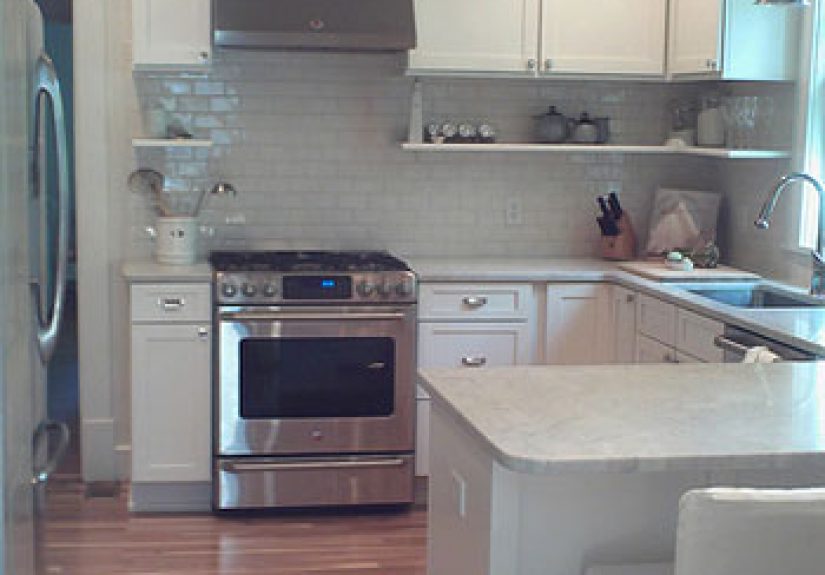
Some kitchen trends arrive like a marching band and leave like a magicianloud entrance, mysterious disappearance. A classic white kitchen with subway tile is not one of them. It has the staying power of a cast-iron skillet and the social skills of a really good dinner guest. It works in tiny apartments, big family homes, modern farmhouses, city condos, and those “we’re definitely renovating next year” kitchens that somehow keep going strong for five more.
The reason is simple: this look is clean, flexible, bright, and surprisingly forgiving. White cabinetry bounces light around the room, making the kitchen feel larger and calmer. Subway tile adds structure without screaming for attention. Together, they create a backdrop that can lean traditional, contemporary, coastal, cottage, or somewhere in the glorious middle where most real people actually live. In other words, it is classicbut not boring. There is a difference, and your kitchen definitely knows it.
Why This Kitchen Style Still Works
A classic white kitchen with subway tile endures because it solves both design and daily-life problems at the same time. Visually, it offers clarity. White cabinets help a kitchen feel open and airy, especially in spaces with limited natural light. Subway tile introduces a subtle pattern that gives walls texture and rhythm without making the room feel busy. Functionally, it is practical. Glazed tile is easy to wipe down after spaghetti sauce attempts a hostile takeover, and the overall palette is easy to refresh with new hardware, lighting, stools, runners, or paint.
That flexibility is a major reason homeowners and designers keep circling back to it. A white kitchen is like a crisp button-down shirt: timeless on its own, but capable of looking tailored, relaxed, elegant, or casual depending on what you pair with it. Add brass hardware and warm oak accents, and the room feels soft and inviting. Pair it with matte black fixtures and sharp lines, and it becomes more modern. Bring in marble, unlacquered brass, and vintage stools, and suddenly the kitchen has that “I totally woke up this stylish” energy.
The Magic of Subway Tile
Subway tile may look simple, but simplicity is its secret weapon. The standard rectangular format creates order. That order makes a kitchen feel intentional, clean, and balanced. Classic does not mean stuck, though. Subway tile can be installed in a traditional running bond, stacked horizontally, stacked vertically, herringbone, basket weave, or a more elongated pattern that feels just a little dressier without becoming dramatic enough to require its own dressing room.
Layout Changes Everything
If you want the most traditional look, a running bond pattern is the gold standard. It feels familiar and comfortable, and it suits everything from shaker cabinets to apron-front sinks. If you want a more contemporary edge, stacked tile brings neat lines and a more architectural feel. Vertical stack layouts are especially useful when you want a backsplash to feel taller and cleaner. Herringbone adds movement and just enough flair to make guests tilt their heads and say, “Wait, why does this look so good?”
The lesson here is helpful: you do not need to abandon subway tile to make it feel fresh. Sometimes the difference between “builder basic” and “beautifully tailored” comes down to how the tile is laid, how high it runs, and what kind of grout frames it.
Choosing the Right White
Not all whites are created equal. Some are crisp and cool. Others are creamy and soft. Pick the wrong one, and your kitchen can feel a little too sterilelike it is one clipboard away from becoming a dental office. Pick the right one, and the room feels bright, layered, and inviting.
The best white kitchens usually combine more than one tone of white. Cabinets might be a soft warm white, the subway tile a cleaner bright white, and the walls a barely-there cream. This creates subtle dimension and keeps the room from looking flat. Mixing finishes helps too. A glossy tile backsplash can reflect light and add sparkle, while painted cabinetry with a satin or eggshell finish provides balance.
If your kitchen gets limited sunlight, warmer whites often feel friendlier and more natural. In bright kitchens with lots of daylight, a cleaner white can look crisp without feeling cold. The key is to test samples in your actual room during morning, afternoon, and evening light. White is a little dramatic that way. It changes outfits all day.
How to Keep a White Kitchen From Feeling Flat
The biggest myth about white kitchens is that they must be plain. Actually, white kitchens look their best when they are layered with texture and contrast. Subway tile does part of that job already, but the rest comes from materials, finishes, and thoughtful details.
Add Warmth With Natural Materials
Wood is the easiest way to soften a white kitchen. Think white oak stools, walnut cutting boards, a butcher-block accent shelf, woven shades, or vintage wood frames. These touches break up the white-on-white palette and make the room feel lived in rather than frozen in a catalog. Stone countertops with subtle veining also add movement without changing the color story too much.
Use Metal Like Jewelry
Hardware and fixtures matter more than people realize. Brass warms up white cabinetry beautifully. Polished nickel feels classic and elegant. Matte black adds crisp contrast, especially in kitchens that lean modern. The hardware is not the whole outfit, but it is definitely the part that makes the kitchen look like it has its life together.
Bring Tile Higher
One design move that instantly upgrades a classic white kitchen is running subway tile higher than the standard short backsplash. Taking tile to the underside of upper cabinets creates a tidy, finished look. Carrying it to the ceiling behind a range hood or open shelving can make the wall feel taller and more custom. That extra height turns the backsplash from a background detail into a real design feature.
Grout: The Quiet Hero or Villain
If subway tile is the star, grout is the supporting actor who can absolutely steal the scene. White grout creates a seamless look and keeps the backsplash soft, subtle, and airy. Gray grout introduces definition while staying forgiving in a hardworking kitchen. Dark grout creates graphic contrast and a more vintage-industrial vibe, but it can also make the look feel more trend-specific if the contrast is too stark.
For many homeowners, a soft gray or warm greige grout lands in the sweet spot. It highlights the tile pattern just enough, hides daily wear better than pure white, and avoids the heavy grid effect that can make a backsplash feel harsher than intended. In short, grout is not a tiny detail. It is a design decision wearing a very convincing disguise.
Countertops, Cabinets, and Pairings That Always Look Good
One of the reasons a classic white kitchen with subway tile remains popular is that it pairs well with so many countertop materials. White quartz with gentle veining creates a clean and cohesive look. Marble feels elegant and time-honored, though it asks for a little more maintenance. Soapstone or dark quartz adds contrast and gives the room some grounding. Even butcher block can look charming when balanced with bright tile and painted cabinets.
Cabinet style matters too. Shaker cabinets are the obvious partner because they share subway tile’s straightforward charm. But slab-front cabinets can also work beautifully if you want a more modern kitchen. The beauty of the white-and-subway-tile combination is that it does not lock you into one era. It simply gives the room a disciplined, adaptable foundation.
Practical Benefits That Matter in Real Life
Pretty is nice. Practical is better. A classic white kitchen with subway tile manages to be both. Glazed ceramic or porcelain subway tile is durable, easy to clean, and generally budget-friendly compared with many specialty materials. That matters in a room where steam, grease, splashes, fingerprints, coffee drips, and the occasional tomato sauce explosion are considered normal weather.
White kitchens also make it easier to notice when something needs attention. That may sound annoying, but it is actually useful. You see the crumbs, you wipe the counter, and your kitchen stays fresher because the room does not hide every little mess until it evolves into a full-blown ecosystem. It is design with accountability. Ruthless, but fair.
There is also the resale factor. While no single finish guarantees a sale, white kitchens tend to appeal to a broad range of buyers because they look bright, neutral, and move-in ready. Subway tile helps reinforce that timeless, well-kept impression. It reads classic rather than risky, which is exactly what many people want in a kitchen they use every day.
Mistakes to Avoid
Even a timeless kitchen can go sideways if the details are off. One common mistake is choosing whites that clash. If the cabinets look creamy and the tile looks blue-white, the contrast can feel accidental rather than layered. Another mistake is ignoring texture. Without wood, metal, stone, fabric, or varied finishes, the room can feel flat and too clinical.
Overdoing contrast is another trap. Black grout with bright white tile can look striking, but if the rest of the kitchen is already high-contrast, the backsplash may start to dominate the room. Poor lighting also hurts white kitchens more than people expect. Under-cabinet lighting, pendants, and warm ambient light help the white surfaces look soft and intentional rather than washed out.
Finally, do not treat subway tile like a default decision that requires no thought. The size, sheen, edge detail, layout, grout color, and installation height all influence the final look. The most successful kitchens are not white by accident. They are white on purpose.
The Best Way to Personalize the Look
The smartest way to make this classic style your own is to keep the foundational elements timeless and let the personality show up in the layers. Maybe that means antique brass hardware, a vintage runner, green glass pendants, open oak shelves, or bar stools that look like they have stories to tell. Maybe it means a range in a bold color, a pantry door painted sage green, or framed art leaning on the counter because the kitchen is not a museum and never asked to be one.
That is the beauty of a classic white kitchen with subway tile: it gives you room to breathe. It does not compete with every object in the room. It creates a calm setting for real life, real cooking, real mess, and real style. And frankly, any kitchen that can survive all of that while still looking polished deserves a little respect.
Conclusion
A classic white kitchen with subway tile remains one of the most reliable design choices for a reason. It is bright without being flashy, timeless without being trapped in the past, and practical without giving up personality. The winning version is not just white cabinets plus rectangular tile slapped on the wall and a hopeful shrug. It is a thoughtful composition of tone, texture, layout, grout, hardware, lighting, and warmth.
When done well, this kitchen style feels welcoming in the morning, sharp in the afternoon, and cozy at night. It supports everyday cooking, spontaneous conversations, late-night snacking, and the occasional dramatic baking failure. Most of all, it lasts. Trends may flirt with moody stone slabs, bold color drenching, or highly sculptural tile, but the classic white kitchen with subway tile keeps calmly doing its joblooking good, working hard, and never asking for applause. Though honestly, it has earned some.
Experiences Related to “A Classic White Kitchen With Subway Tile”
One of the most common experiences people describe after choosing a classic white kitchen with subway tile is a sense of immediate relief. Before the renovation, the room often feels dark, dated, or visually crowded. Afterward, the kitchen seems to exhale. Light moves better. Counters look clearer, even when they are not. The space becomes easier to style and, oddly enough, easier to use. Homeowners often say the kitchen feels cleaner even on regular weekdays, simply because the palette is brighter and the surfaces are more reflective.
Another real-world experience is that subway tile tends to look better the longer you live with itprovided you made smart choices at the beginning. People who go with a classic shape, a thoughtful grout color, and a layout that suits the room rarely complain that the tile became tiresome. Instead, they start noticing how versatile it is. Holiday decor looks great against it. Fresh flowers look better in front of it. A bowl of lemons suddenly gets to feel like a design statement. That is not magic. That is a good neutral doing excellent teamwork.
Families also talk about how forgiving the style is when the rest of life gets noisy. Kids leave backpacks near the island, friends gather around the stove, grocery bags pile up, and somehow the kitchen still looks composed. White cabinets and subway tile do not prevent clutter, obviously. If they did, every designer on earth would have a waiting list until 2047. But they do create a visual order that helps the room recover quickly. A quick wipe-down and a few minutes of tidying can make the space feel fresh again.
There is also a strong emotional side to this design choice. Many homeowners say they wanted a kitchen that felt classic enough to age well, but not so trendy that it would look tired in a few years. A white kitchen with subway tile often delivers that peace of mind. You can repaint walls, swap hardware, update lighting, or bring in different stools over time without redoing the whole room. That adaptability feels less like a style choice and more like design insurance.
Entertaining is another area where people notice the benefits. Guests naturally gather in kitchens, and white kitchens tend to feel open and social. The subway tile reflects light from pendants and under-cabinet fixtures, which makes evening gatherings feel warm and lively. Photos taken in the space usually look great too, which should not matter but somehow always does. Whether it is a holiday meal, coffee with neighbors, or pizza night with the family, the room quietly supports the moment instead of trying to dominate it.
Of course, no experience is perfect. Owners of white kitchens will absolutely tell you that fingerprints, splatters, and grout maintenance are real. But many also say the upkeep is worth it because the room never feels oppressive. In fact, that routine maintenance becomes part of the kitchen’s charm. It encourages care. It keeps the room feeling active and loved. And once people settle into the space, they often stop thinking of white cabinets and subway tile as a “trend” at all. It just becomes their kitchenthe backdrop for breakfasts, recipes, celebrations, homework, late-night chats, and all the ordinary moments that make a home feel like home.