Table of Contents >> Show >> Hide
- Why Hand Massage Matters More Than Most People Think
- Hand Massage Benefits
- Who May Benefit Most From Hand Massage
- When You Should Not Massage Your Hands
- How to Prepare for a Great Hand Massage
- How to Give Your Hands a Great Massage: Step by Step
- How Much Pressure Should You Use?
- How Often Should You Massage Your Hands?
- Common Hand Massage Mistakes to Avoid
- Hand Massage vs. Hand Exercises
- Experiences Related to Hand Massage Benefits and How to Give Your Hands a Great Massage
- Conclusion
Your hands work absurdly hard. They text, type, grip coffee mugs, wrestle open pickle jars, scroll through life, and somehow still get blamed when the lid will not budge. So when your fingers feel stiff, your palms feel tight, or your thumbs start acting like they are on strike, a good hand massage can be a surprisingly smart form of self-care.
Hand massage is simple, affordable, and easy to do at home. It can help you unwind after a long day, soothe mild soreness from overuse, and make your hands feel more mobile and alive. It is not magic, and it will not cure every wrist or finger problem. But when done gently and consistently, it can be one of those small habits that makes daily life feel much better.
In this guide, you will learn the main hand massage benefits, who may benefit the most, when to skip it, and exactly how to give your hands a great massage step by step. There is also a practical section at the end about real-life experiences, because sometimes the best wellness advice starts with, “Wow, I did not realize how much tension I was carrying in my thumbs.”
Why Hand Massage Matters More Than Most People Think
Most people only notice their hands when something hurts. That makes sense. Hands are built for movement, precision, and repetition. Every day they absorb stress from typing, gaming, cooking, lifting, cleaning, driving, gardening, crafting, and endless phone use. When the small muscles, tendons, and joints in the hands get irritated, everything from buttoning a shirt to opening a package can suddenly feel much harder.
A hand massage gives those overworked tissues a little breathing room. Gentle pressure, slow strokes, and light movement can help the hands feel looser, warmer, and less cranky. It can also be a nice reset for the nervous system. In other words, hand massage is not just about the hand. It is often about helping the whole person unclench.
Hand Massage Benefits
1. It Can Relieve Everyday Tension and Stiffness
If your hands feel tight after keyboard work, repetitive gripping, or chores, massage can help ease that “everything feels stuck” sensation. Gentle kneading and stroking can make the palm, thumb base, and fingers feel less rigid. This is especially helpful after long periods of doing the same motion over and over again.
2. It May Provide Short-Term Relief for Mild Aches
Many people use hand massage to feel better when their hands are mildly sore from overuse, strain, or stiffness. This is one reason hand massage is often mentioned alongside self-care for arthritis and general hand discomfort. The key phrase here is short-term relief. It can help you feel better, but it does not fix the underlying cause if the problem is ongoing.
3. It Can Encourage Relaxation
Your hands have a lot of nerve endings, which is one reason a hand massage can feel so good so quickly. Slow, rhythmic touch can be calming. It may help lower stress after a long workday, before bed, or even during a break when your brain feels like it has 47 browser tabs open. Hand massage is one of the easiest ways to add a small calming ritual to a busy day.
4. It May Help You Notice Trouble Spots Earlier
One underrated benefit of hand massage is awareness. When you regularly massage your hands, you become more familiar with what feels normal. That makes it easier to notice swelling, heat, tenderness, numbness, or weakness when something changes. Catching patterns early can help you decide when simple self-care is enough and when it is time to get professional help.
5. It Can Support Mobility When Paired With Gentle Movement
Massage works even better when it is combined with light hand exercises and stretching. That is because comfort and function often go together. If your hand feels less guarded and tense after massage, gentle finger bends, thumb taps, and wrist motions may feel easier too. Think of massage as the warm-up act and movement as the main event.
6. It Feels Nice, Which Is Not a Trivial Benefit
Wellness culture sometimes acts as if self-care only counts if it comes with a giant health claim and three peer-reviewed graphs. But feeling comforted matters. A good hand massage can be grounding, soothing, and pleasantly human. Sometimes that alone is a strong enough reason to do it.
Who May Benefit Most From Hand Massage
Hand massage can be especially appealing for people whose hands work overtime, including:
- Office workers who type and use a mouse for hours
- Writers, designers, editors, and anyone married to a keyboard
- Hair stylists, baristas, cashiers, cooks, and retail workers
- Artists, knitters, crocheters, quilters, and crafters
- Gamers who grip controllers like they owe them money
- Musicians who use repetitive finger movements
- Gardeners and DIY fans
- Older adults with mild hand stiffness
- People with mild discomfort from overuse or early joint stiffness
Some people with arthritis also find hand massage helpful, especially when it is gentle, brief, and paired with other self-care habits such as heat, splinting, pacing, or hand exercises. Still, massage is not right for every flare or every condition, which brings us to the important part.
When You Should Not Massage Your Hands
Skip hand massage and talk to a healthcare professional first if you have:
- Open cuts, burns, rashes, or skin infections on the hand
- A recent fracture, severe sprain, or major injury
- Marked redness, heat, swelling, or a possible inflammatory flare
- Severe osteoporosis or fragile bones
- Known blood clotting issues or you take blood thinners
- Severe or worsening pain
- Numbness, tingling, burning, or weakness that keeps coming back
- Symptoms that wake you up at night or interfere with daily tasks
If you suspect carpal tunnel syndrome, tendon injury, inflammatory arthritis, or another medical issue, hand massage may still have a place in your routine, but it should not replace proper evaluation. Persistent numbness, weakness, or loss of function deserves real attention, not just extra lotion and optimism.
How to Prepare for a Great Hand Massage
You do not need a spa soundtrack or a candle that smells like a philosophical forest. Keep it simple:
- Wash and dry your hands
- Use a small amount of lotion, cream, or massage oil
- Choose a comfortable chair with your shoulders relaxed
- Rest your forearm on a table or pillow
- Warm the hands first with a warm towel or a few seconds of rubbing your palms together
If your hands tend to be stiff, warmth often helps. If your hands feel swollen after heavy use, keep pressure lighter and shorter. The goal is comfort, not heroics.
How to Give Your Hands a Great Massage: Step by Step
This routine takes about five to eight minutes per hand. Use gentle to moderate pressure. Nothing should feel sharp, electric, or alarming.
Step 1: Start With Palm Warm-Up
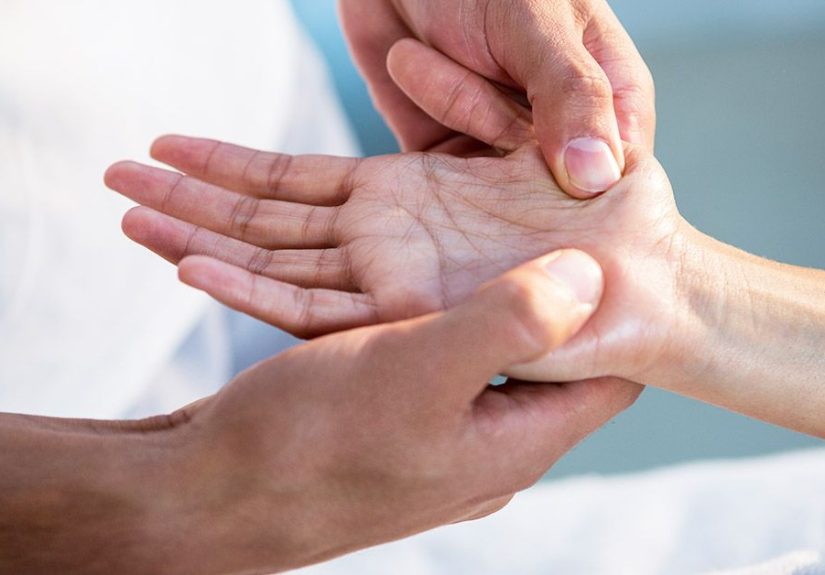
Place the thumb of one hand into the palm of the other. Make slow circles across the center of the palm, then move toward the base of the fingers. If you find a tight spot, pause and hold gentle pressure for a few seconds. Think “melt tension,” not “attack the knot.”
Step 2: Glide From Wrist to Fingers
Use your thumb on top of the hand and your fingers underneath, or support the hand in whatever way feels natural. Glide from the wrist and palm toward the end of each finger. This long, smooth stroke feels especially good when the hands are tired from gripping or typing.
Step 3: Massage Each Finger Individually
Take one finger at a time. Gently squeeze and roll from the base to the fingertip. Then lightly tug the finger at the end if that feels comfortable. Repeat on each finger, including the thumb. Be especially gentle around small joints if they are sensitive.
Step 4: Spend Extra Time on the Thumb Base
The fleshy area below the thumb often holds a shocking amount of tension. Use the fingers of your opposite hand to softly knead that area in little circles. If you use your phone a lot, open jars, or pinch objects throughout the day, this spot may be begging for attention.
Step 5: Work the Web Space
The webbing between the thumb and index finger is another common tight zone. Pinch the area gently between your thumb and index finger and make tiny circles or light presses. This should feel relieving, not intense.
Step 6: Massage the Back of the Hand
Use your thumb to make slow strokes between the bones on the back of the hand, moving from the wrist toward the knuckles. Do not press hard here. The tissues can be more tender than the palm.
Step 7: Add the Wrist
Circle around the wrist with light pressure. Then use your thumb to stroke the forearm muscles just above the wrist. Sometimes what feels like “hand tension” is partly coming from the forearm, especially if you type, lift weights, or use tools.
Step 8: Finish With Gentle Mobility
After the massage, open and close the hand a few times. Make a loose fist, then spread the fingers. Tap the thumb to each fingertip. Bend the wrist gently up and down. This is a great way to lock in that “ah, much better” feeling.
How Much Pressure Should You Use?
Use enough pressure to feel the tissue move, but not enough to brace, wince, or hold your breath. A good hand massage feels relieving and warm, not punishing. If your hand is already irritated, swollen, or recovering from heavy use, go lighter than you think you need to. Your hands are not a block of concrete. They are intricate structures that appreciate respect.
How Often Should You Massage Your Hands?
For general relaxation, a few minutes once a day or a few times a week can be enough. For mild stiffness after repetitive tasks, try a short session after work or during breaks. Some people like a one-minute mini-massage after every couple of hours of typing. Consistency usually matters more than duration. A gentle routine you actually do beats an elaborate wellness plan you ignore.
Common Hand Massage Mistakes to Avoid
- Using too much pressure: More pressure is not always more effective.
- Ignoring warning signs: Numbness, burning, swelling, and weakness need attention.
- Massaging inflamed joints aggressively: Be extra cautious during flares.
- Skipping movement afterward: Gentle mobility can help the hand feel better longer.
- Doing it only when pain is intense: Preventive self-care often works better than last-minute panic massage.
Hand Massage vs. Hand Exercises
These are teammates, not rivals. Massage may help the hand feel calmer and less stiff. Exercises help maintain motion, strength, coordination, and function. If your hands are frequently uncomfortable, the best routine is often a combination of both.
A simple pairing looks like this:
- Warm hands for one minute
- Massage each hand for three to five minutes
- Do gentle fist opens, finger spreads, thumb taps, and light wrist motions
- Stop if symptoms increase
If you have arthritis, overuse discomfort, or reduced hand mobility, that combo can be more useful than massage alone. Think of massage as preparation and exercises as maintenance.
Experiences Related to Hand Massage Benefits and How to Give Your Hands a Great Massage
One of the most interesting things about hand massage is how personal it feels. Two people can do the exact same routine and have completely different experiences. The office worker may notice relief in the thumb and wrist after a day of typing. The gardener may feel the biggest difference in the knuckles. The knitter may realize the fingers were far more tense than expected. That is part of what makes hand massage so practical: it teaches you where your own hands store stress.
A common experience is surprise. Many people start rubbing lotion into their hands and accidentally discover a whole map of tightness they did not know existed. The center of the palm may feel dense and tired. The base of the thumb may feel tender from scrolling, texting, and gripping. The back of the hand may feel weirdly delicate, as if it has been quietly overworked for months without filing a complaint. A short massage often turns that surprise into relief.
Another common experience is that the benefits go beyond the hands. People often say that once their hands relax, their shoulders drop too. Their jaw unclenches. Their breathing slows down. It is almost funny how the body works that way. You begin by trying to help a grumpy thumb, and suddenly your whole upper body seems interested in the project. That makes hand massage especially appealing in the evening, during work breaks, or before sleep.
For people with mild stiffness, the emotional side can matter just as much as the physical side. There is something reassuring about taking five quiet minutes to care for a part of your body that does so much for you. It turns hand care into a ritual instead of a reaction. Instead of waiting until the hand feels awful, you build a regular habit that says, “Let’s not make this a dramatic situation.” That alone can change how people relate to daily aches.
People who use hand massage regularly also tend to get better at noticing patterns. Maybe the right hand always tightens after mouse work. Maybe the left thumb gets sore after cooking. Maybe mornings feel stiff, but warmth and a short massage improve things quickly. These little observations are useful. They can help you adjust your workspace, pace repetitive tasks, switch tools, or decide when to add hand exercises and when to seek professional advice.
There is also a confidence factor. Once someone learns how to give their hands a great massage, they stop treating hand discomfort like a mystery. They have a simple routine they can use while watching TV, sitting at a desk, or winding down after chores. It does not require expensive equipment. It does not require a perfect setting. It just requires gentle pressure, a bit of patience, and the willingness to pay attention.
Of course, not every experience is dramatic. Sometimes the result is simply that your hands feel a little warmer, a little looser, and a little less annoyed by the world. Honestly, that is enough. Not every wellness habit needs fireworks. Sometimes success looks like opening a jar with less grumbling, typing with less stiffness, or finishing a hobby session without your thumb acting like it wants union representation. Those small wins add up, and that is where hand massage often shines best.
Conclusion
Hand massage is one of the simplest ways to care for hands that work hard every day. It may help reduce tension, ease mild soreness, support short-term comfort, and create a moment of relaxation that your whole body appreciates. The best hand massage is gentle, consistent, and paired with common sense. If it feels good and improves how your hands move and function, keep it in your routine. If symptoms are severe, persistent, or include numbness, weakness, swelling, or heat, let a clinician take a look.
In short, your hands do a lot for you. Giving them five thoughtful minutes is not indulgent. It is maintenance with good manners.
Note: This article is for informational purposes only and is not a substitute for medical advice, diagnosis, or treatment.