Table of Contents >> Show >> Hide
- Why Vaccines Trigger Big Feelings
- How Vaccines Actually Work
- What Is Actually in a Vaccine?
- Why Kids Get So Many Vaccines So Early
- Side Effects, Safety Signals, and What Monitoring Really Means
- The Myths That Refuse to Retire
- Why This Debate Is Really About Trust
- Why Vaccines Matter Beyond the Individual
- Experiences from the Real World: Fear, Relief, and Changing Minds
- Conclusion
The title of this article is a little spicy, but the goal is not to sneer at anyone. It is to understand why vaccine arguments keep exploding at dinner tables, on school Facebook groups, and in comment sections that should have been left unplugged in 2014. The truth is that most people who resist vaccines are not comic-book villains twirling mustaches over a stack of medical journals. They are usually scared, suspicious, overwhelmed, or exhausted by conflicting claims. And when fear meets a smartphone, misinformation can sprint faster than common sense.
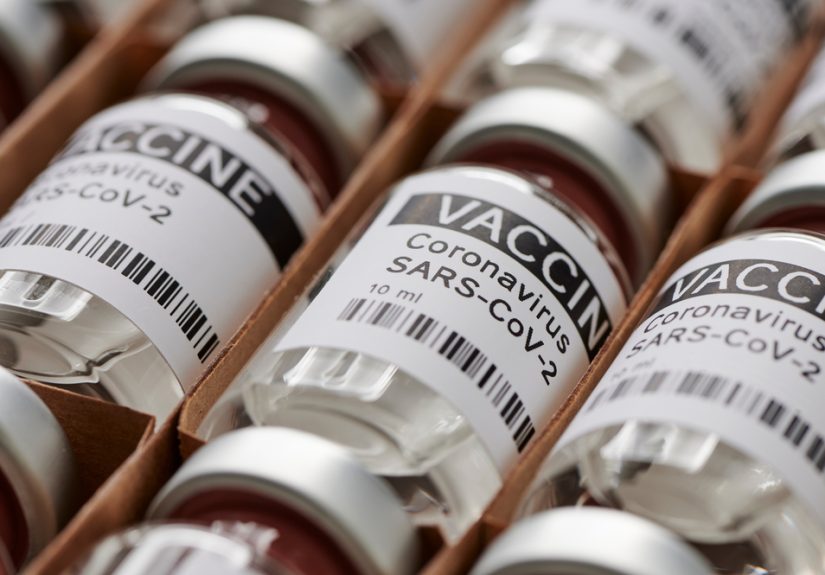
So here is a small, measured dose of clarity. Call it a milligram of understanding. Vaccines are not magic. They are not perfect. They are not free from side effects. But they are one of the most closely studied, continuously monitored, and historically successful tools in modern medicine. If the internet has turned vaccine talk into a cage match, this article is an attempt to bring in a folding chair labeled facts.
Why Vaccines Trigger Big Feelings
Vaccines are unusual because they are given to healthy people to prevent future harm. That alone makes them emotionally different from most medicine. When you take pain relievers, you already have pain. When you take antibiotics, you are already sick. Vaccines ask people to think ahead. They ask parents to make choices for children who cannot consent yet. They ask communities to care not just about individual risk, but about shared protection. In other words, vaccines do not just poke the arm. They poke identity, trust, politics, memory, and sometimes religion.
There is also a strange success problem at work. Many of the diseases vaccines prevent have become less visible precisely because vaccines have worked so well. When measles, polio, or Hib meningitis are no longer regular neighborhood horrors, the shot can start to feel more real than the disease. Human beings are not great at fearing what they cannot see. We tend to panic over the needle in front of us and forget the virus that would have happily RSVP’d without one.
How Vaccines Actually Work
At the most basic level, vaccines train the immune system. They introduce the body to an antigen, or a harmless piece or version of a germ, so the immune system can practice recognizing it. Think of it as a fire drill for your white blood cells. No one wants a real fire just so the exits become familiar.
This immune rehearsal matters because infection in real life is messy, unpredictable, and sometimes catastrophic. A vaccine lets the body build memory without paying the full price of the disease. That is the whole bargain: preparation without the chaos.
Even newer technologies fit the same logic. mRNA vaccines, for example, do not alter your DNA. They deliver instructions that help cells briefly make a protein piece the immune system can recognize. Then the instructions are broken down. No secret software update. No genetic rewrite. No sci-fi subplot. Just a different delivery method for the same basic immune lesson.
What Is Actually in a Vaccine?
Vaccine ingredients are one of the biggest fear magnets in public health. The problem is that chemistry names sound terrifying when removed from context. “Dihydrogen monoxide” sounds like a lab spill until someone tells you it is water. Vaccine ingredient lists work the same way: scary when floating around as screenshots, less dramatic when explained by people who know what they are talking about.
Antigens
The star ingredient is the antigen. That is the part that teaches the immune system what to recognize later. Depending on the vaccine, it may be a weakened germ, a killed germ, a purified protein, or another small component that cannot cause the disease in the way the wild infection can.
Adjuvants
Some vaccines include adjuvants, which help the immune system mount a stronger response. Aluminum salts are the best-known example. They are not there because someone in a lab got bored and started seasoning the vial. They are there because they help some vaccines work better. The amount is small, studied, and used for a purpose.
Preservatives, Stabilizers, and Residuals
Other ingredients help keep vaccines stable, sterile, or effective during manufacturing and storage. That is where people hear words like thimerosal, gelatin, or formaldehyde and begin composing a panic post. But context matters. Thimerosal is no longer used in routine childhood vaccines except some multi-dose flu formulations. Formaldehyde may appear only in trace residual amounts after manufacturing, and the body naturally contains much more formaldehyde than vaccines do. The presence of a chemical name does not tell you whether the dose is meaningful, harmful, or even unusual. Poison is about dose, not dramatic spelling.
This is the part of the conversation where someone says, “But why is any of that in there at all?” The answer is refreshingly unsexy: because ingredients in vaccines have jobs. Some help the immune response. Some prevent contamination. Some keep the vaccine stable. Some are leftover traces from manufacturing. None of that sounds nearly as viral as “mystery toxins,” which is exactly why “mystery toxins” gets more clicks.
Why Kids Get So Many Vaccines So Early
Another common objection is that children get “too many, too soon.” It sounds reasonable until you ask the next question: compared with what? Babies are vulnerable early in life. They have immature immune systems, limited prior exposure, and in some cases only temporary protection from maternal antibodies. That makes timing crucial.
The vaccine schedule is not a dartboard of random dates. It is designed around when children are most at risk, when a vaccine is most likely to work, and when protection is needed before exposure. In plain English, the schedule exists because pathogens do not politely wait until kindergarten.
Spacing out vaccines may feel intuitively gentler, but feeling gentler is not the same as being safer or smarter. Delaying doses can leave children unprotected during the exact window when they are most vulnerable. It can also mean more appointments, more stress, and more opportunities for missed protection. Your immune system is not a tiny inbox that crashes if several messages arrive on the same day. It handles far larger microbial workloads every time a child crawls across a floor and then tastes the floor like a restaurant critic.
Side Effects, Safety Signals, and What Monitoring Really Means
Vaccines can cause side effects. That should not be hidden behind smiley-face brochures. The most common ones are mild: a sore arm, fatigue, fever, redness at the injection site, fussiness in kids, and a general feeling that the couch is suddenly your best friend. These effects are usually signs that the immune system is doing what it was hired to do.
Rare serious reactions can happen, which is exactly why vaccine safety systems exist before and after approval. In the United States, vaccines go through clinical trials and ongoing monitoring by agencies and surveillance systems. One point that gets mangled online is the meaning of VAERS, the Vaccine Adverse Event Reporting System. A report to VAERS does not prove a vaccine caused the event. It is a signal-detection system, not a magic courtroom verdict generator. It helps experts notice patterns worth investigating. Treating every VAERS entry as confirmed causation is like treating every smoke detector chirp as proof the whole block is on fire.
The Myths That Refuse to Retire
Myth 1: Vaccines cause autism
This claim survives like a zombie franchise that never stops getting sequels. It traces back to a paper that was discredited and retracted. Since then, studies across years and countries have found no credible link between vaccines and autism. The tragedy is not only that the claim was false, but that it shifted attention away from supporting autistic people and toward chasing a phantom cause.
Myth 2: Natural immunity is always better
Natural infection can sometimes produce strong immunity, but it comes bundled with the actual disease. That is a terrible customer deal. Yes, surviving measles may leave you immune. It may also leave you hospitalized. Chickenpox can bring pneumonia or brain inflammation. HPV can quietly set up cancer years later. Vaccination aims for immunity without making you roll the dice against the disease first.
Myth 3: Vaccines are packed with dangerous chemicals
This myth thrives on screenshots, not toxicology. The dose matters. The role matters. The route matters. The context matters. A tiny trace amount used in manufacturing is not the same thing as industrial exposure. Chemistry names are not confessions.
Myth 4: mRNA vaccines rewrite your genes
No. mRNA does not enter the cell nucleus and does not edit DNA. It is a temporary instruction set that the body breaks down after use. Your genome is not getting hacked by a pharmacy visit.
Myth 5: If diseases are rare, vaccines are unnecessary
Diseases are often rare because vaccines have kept them rare. That is like removing the roof because the living room is dry. Once vaccination rates fall, outbreaks return, and they do not return with a polite warning email.
Why This Debate Is Really About Trust
The hardest part of vaccine communication is that facts alone do not solve distrust. People do not just evaluate evidence. They evaluate who is speaking, whether that person respects them, and whether institutions have earned credibility. Some skepticism is healthy. Medicine has not always treated every community fairly, and pretending otherwise only makes public health messaging sound fake.
That is why mocking vaccine-hesitant people usually backfires. Shame rarely opens minds. It mostly opens more tabs. Effective communication tends to start with questions: What have you heard? What worries you most? What source do you trust? A calm conversation can do more than ten threads of digital screaming.
Physicians who work with hesitant patients often emphasize empathy, plain language, and storytelling. They do not just dump statistics onto frightened people like a wheelbarrow of spreadsheets. They listen, correct gently, avoid repeating myths in dramatic language, and make clear recommendations. Trust grows more in conversation than in combat.
Why Vaccines Matter Beyond the Individual
Vaccination is personal, but it is never only personal. It protects infants too young for certain shots, people receiving chemotherapy, transplant recipients, older adults, and others whose immune systems may not respond well even when they are vaccinated. That is where community immunity matters. When enough people are protected, germs spread less easily, and vulnerable people gain indirect protection too.
The impact is not theoretical. Routine childhood immunization in the United States has prevented enormous numbers of illnesses, hospitalizations, and deaths over recent decades, while saving huge medical and societal costs. Public health does not get enough credit because when it works, what you mostly notice is what did not happen. No ambulance ride. No ICU stay. No outbreak at school. No funeral that should never have been necessary.
Experiences from the Real World: Fear, Relief, and Changing Minds
Real-life vaccine conversations rarely sound like academic debates. They sound like tired parents whispering in pediatric waiting rooms. They sound like an uncle forwarding a video at midnight. They sound like a pregnant woman reading twenty browser tabs and trusting none of them. They sound like a young adult saying, “I’m not against vaccines, I just want to be careful,” which is often less a declaration of ideology than a confession of overload.
One common experience is the parent who was fine with vaccines until the first fever after a shot. Suddenly a mild, expected side effect feels enormous because it happened to their child, in their house, on their watch. Logic can wobble when your toddler is clingy, warm, and miserable at 2 a.m. That parent does not need ridicule. They need an explanation of what normal side effects look like, what warning signs are rare but important, and why temporary discomfort is not the same as damage.
Another common experience is the person who delayed a vaccine because the disease felt abstract. Then an outbreak happened nearby. Maybe it was measles at a school, maybe flu raging through a workplace, maybe COVID sweeping through a family gathering like an unwanted relative who also steals the pie. Suddenly the emotional math changes. The disease is no longer a historical chapter or a headline. It has names, faces, missed shifts, canceled trips, and a hospital bracelet.
There is also the experience of people who were told for years that “doing your own research” meant watching persuasive strangers online. They were not lazy. In many cases, they were trying very hard. That is part of the tragedy. Modern misinformation often flatters people into thinking suspicion is intelligence and confusion is depth. It gives them the feeling of seeing behind the curtain while quietly pulling them farther from reality.
On the other side are clinicians who keep having the same conversation over and over, often with more patience than the internet deserves. They see what vaccine-preventable disease can do. They also see how fast trust can collapse when institutions communicate badly. Many of them have learned that the turning point is not usually a chart or a slogan. It is the moment a patient feels heard enough to ask one honest question. That question may be, “Does this cause autism?” or “Why does my baby need this now?” or “What is actually in it?” Underneath all of them is usually the same plea: “Please help me feel safe making this decision.”
Then there is the experience of relief. Relief after a child’s vaccine appointment goes better than expected. Relief after a grandparent gets protected before a bad flu season. Relief after a pregnant person learns the recommendation is based on more than rumor. Relief after someone realizes that not every scary phrase online holds up under daylight. Vaccine confidence is often not a thunderclap of certainty. It is a slow exhale.
That may be the most human truth in this whole debate: people are not spreadsheets. They are stories, memories, instincts, and responsibilities. Good public health respects that. It answers fear with evidence, yes, but also with patience. Sometimes a milligram of understanding is exactly what moves the conversation from panic to perspective.
Conclusion
Vaccines deserve scrutiny because they matter. But scrutiny is not the same thing as suspicion without standards. The case for vaccination does not rest on blind trust, good vibes, or a lab coat saying “because I said so.” It rests on immunology, clinical trials, surveillance, historical outcomes, and the very boring reliability of accumulated evidence. And boring reliability, while terrible for viral content, is excellent for public health.
So if you are talking to someone who is skeptical, skip the smirk. Start with the fear behind the question. Then bring the facts. Vaccines are not about winning an argument online. They are about preventing suffering in real life. That is a pretty good reason to keep the science and lose the drama.