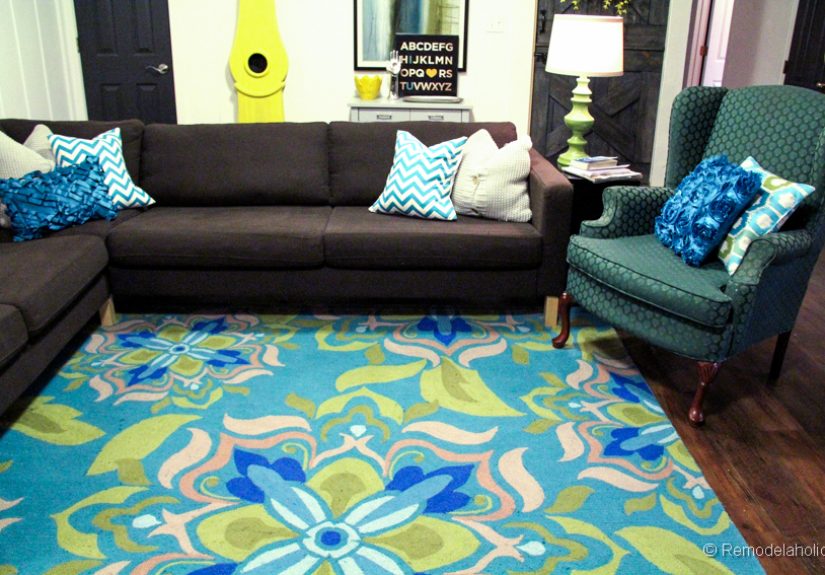
Table of Contents >> Show >> Hide
- Why a New Living Room Rug Changes the Whole Space
- Start With Size, Because a Too-Small Rug Is a Heartbreak in Rectangle Form
- Choose the Best Rug Material for Real Life
- Color, Pattern, and Pile: The Personality Department
- How to Match a Rug to Your Living Room Style
- Common Living Room Rug Mistakes to Avoid
- How to Care for a New Living Room Rug
- Conclusion: The Right Rug Makes the Room Feel Finished
- Real-Life Experiences With “A New Living Room Rug!”
A new living room rug can do something wildly unfair to every other item in the room: it steals the show without saying a word. The sofa may be plush, the coffee table may be expensive, and the throw pillows may be doing their absolute best, but one well-chosen rug can still walk in and become the main character. That is because a rug does more than cover the floor. It anchors furniture, softens sound, adds texture, defines the seating area, and quietly tells the room, “Yes, we do in fact have our life together.”
If you are shopping for a new living room rug, the trick is not just choosing one that looks pretty in a product photo. The real goal is finding a rug that fits your room, supports your lifestyle, and survives the chaos of actual living. That means thinking about size before pattern, material before trend, and maintenance before you fall in love with a cream-colored shag when you have two kids, one dog, and a red-wine habit.
This guide breaks down exactly how to choose a living room rug that feels stylish, practical, and worth the money. From sizing rules to fiber choices, from color strategy to everyday care, here is how to make your next rug purchase look smart instead of suspicious.
Why a New Living Room Rug Changes the Whole Space
A living room rug is one of the few decor pieces that affects almost everything around it. It changes how large a room feels, how furniture relates to one another, and how comfortable the space is underfoot. In open-concept homes, it can visually separate the living area from the dining space or kitchen. In small rooms, the right rug can make the room feel more intentional and even a little larger. In echo-prone spaces with hard flooring, it can reduce noise and make the room feel warmer and calmer.
That is why designers so often treat rugs as foundational pieces rather than last-minute accessories. A new rug is not just a finishing touch. It is a layout tool, a style cue, and in many homes, a peace treaty between beauty and practicality.
Start With Size, Because a Too-Small Rug Is a Heartbreak in Rectangle Form
The most common living room rug mistake is buying one that is too small. It is understandable. Smaller rugs cost less, ship more easily, and seem harmless enough online. Then they arrive and suddenly your coffee table looks like it is standing on a decorative napkin. A too-small rug makes the room feel disconnected, awkward, and smaller than it really is.
In most living rooms, larger rugs create a more cohesive look. Popular sizes like 8′ x 10′ and 9′ x 12′ often work well because they give furniture enough room to sit partly or fully on the rug. The best size depends on your floor plan, but the rug should generally connect the main seating pieces instead of floating alone in the middle like it lost the rest of the furniture in a tragic mix-up.
Three Smart Living Room Rug Layouts
All legs on the rug: This is the most polished option. The sofa, accent chairs, and coffee table all sit completely on the rug. It works especially well in larger living rooms and helps the space feel unified.
Front legs on the rug: This is the go-to approach for many standard-size living rooms. The front legs of the sofa and chairs rest on the rug while the back legs remain off. It still anchors the seating area and usually looks balanced without requiring an oversized rug.
Coffee table only: This layout can work in very small spaces, but it is usually the least convincing. If the rug only sits under the coffee table and misses the main furniture entirely, the room can feel unfinished. Use this approach only when space is truly limited.
How Much Floor Should Show Around the Rug?
Leave a visible border of flooring around the rug so the room can breathe. In many living rooms, a margin of several inches to about a foot around the edges works well, depending on the room size. The key is consistency. A rug pressed tightly against every wall can feel like wall-to-wall carpeting in disguise, while one that is too tiny can look accidental.
Before buying, map the rug size with painter’s tape on the floor. It is not glamorous, but it is wildly effective. Five minutes of tape can save you from months of pretending the rug is “growing on you.”
Choose the Best Rug Material for Real Life
Once size is settled, material becomes the next big decision. The right rug fiber affects durability, texture, stain resistance, maintenance, and even how formal the room feels.
Wool Rugs
Wool is often considered a top choice for living rooms because it is durable, soft, naturally resilient, and comfortable underfoot. It tends to bounce back well from foot traffic and offers a timeless look. If you want a long-term investment and do not mind a higher price tag, wool is a strong option.
Synthetic Rugs
Polypropylene, polyester, and other synthetic fibers are popular for high-traffic homes because they are often more affordable, easier to clean, and practical for families with pets or kids. If your living room sees daily snack spills, muddy shoes, or the occasional “I thought the lid was on” beverage catastrophe, synthetic rugs are worth serious consideration.
Cotton Rugs
Cotton rugs are lightweight and casual, making them great for relaxed spaces. Some are easier to wash than other types, though they may not feel as substantial as wool. A cotton rug can work beautifully in a laid-back living room, apartment, or coastal-inspired space.
Natural Fiber Rugs
Jute, sisal, and seagrass rugs bring organic texture and a natural look that pairs beautifully with wood, linen, and neutral color palettes. They are especially good if you want the room to feel airy, earthy, or slightly beach-house-adjacent without actually moving to the coast. The tradeoff is that some natural fiber rugs can feel rougher underfoot and may be less forgiving with stains.
Washable Rugs
Washable rugs have become a major player in living rooms, especially for busy households. If your home includes pets, children, frequent entertaining, or a general disregard for the concept of “careful,” a washable rug can be a smart buy. They may not always have the same heft or luxury feel as a thick wool rug, but the convenience is hard to ignore.
Color, Pattern, and Pile: The Personality Department
Now comes the fun part: deciding how your new living room rug should look. This is where style enters the chat, but it still helps to make choices strategically.
Light vs. Dark Rugs
Lighter rugs can make a room feel brighter and more open. They are especially helpful in smaller living rooms or spaces that do not get much natural light. Darker rugs feel moodier and can add richness, but they may visually shrink the room if the space is already small or dim.
If you love light tones but fear real life, try a patterned rug in cream, beige, taupe, or gray. Pattern helps disguise everyday dirt better than a solid pale rug that behaves like it has something to prove.
Patterned vs. Solid Rugs
A patterned rug can hide wear, crumbs, pet hair, and the evidence of modern existence. It also adds movement and personality, especially if your sofa and larger furniture pieces are neutral. A solid rug feels calmer and more minimal, but texture becomes much more important when pattern is absent.
If your room already has patterned curtains, colorful art, or statement upholstery, a more subtle rug may keep the space from feeling chaotic. If the room is mostly neutral, the rug is a great place to introduce interest.
Low Pile vs. High Pile
Low-pile rugs are easier to vacuum, easier to place under furniture, and often better for high-traffic living rooms. They also help rooms feel cleaner and less visually heavy. High-pile and shag rugs bring softness and coziness, but they can be trickier to clean and may not hold up as well in busy family rooms. If your coffee table wobbles or your vacuum starts acting personally offended, the pile may be too high.
How to Match a Rug to Your Living Room Style
A good rug should support the room’s overall design, not fight it in public.
Modern living rooms tend to work well with geometric patterns, abstract designs, clean stripes, and low-pile constructions.
Traditional living rooms pair beautifully with Persian-inspired patterns, medallion motifs, and rich, layered color palettes.
Farmhouse or rustic spaces often look best with natural fibers, faded vintage-style rugs, warm neutrals, and soft muted patterns.
Coastal or airy interiors benefit from lighter tones, simple textures, and relaxed materials like cotton or flatweave styles.
Eclectic spaces can handle bolder color, layered rugs, and unexpected pattern combinations, as long as there is a repeating color story to keep everything connected.
If you are unsure, start with your largest upholstered piece, usually the sofa. The rug does not need to match it exactly, but it should make sense beside it. Think coordination, not cloning.
Common Living Room Rug Mistakes to Avoid
Buying Based Only on the Product Photo
Online photos are useful, but they do not show scale accurately in your home. Always measure your room and compare those dimensions with the rug size.
Ignoring Door Clearance and Traffic Flow
Make sure the rug will not interfere with doors, create awkward bunching, or force people to step half on and half off it while walking through the room.
Skipping the Rug Pad
A rug pad helps prevent slipping, adds cushion, reduces wear, and can help the rug lie better. It is not a glamorous purchase, but neither is chasing a sliding rug across hardwood floors.
Choosing Style Without Considering Maintenance
A gorgeous rug that stresses you out daily is not actually gorgeous. If you cannot enjoy it because you are constantly worried about stains, fibers, or footprints, it is the wrong rug for your lifestyle.
How to Care for a New Living Room Rug
A little routine care goes a long way. Vacuum regularly to remove grit before it settles into the fibers. Rotate the rug periodically so wear happens more evenly, especially in rooms with strong sunlight or one heavily used walkway. Blot spills quickly instead of scrubbing them deeper into the pile like a panicked amateur detective. Always check care instructions, especially for wool, vintage, natural fiber, and washable styles.
If your living room is a high-traffic zone, a practical cleaning plan matters almost as much as the rug itself. Quick attention to spills, regular vacuuming, and the right cleaning method can extend the life of the rug and keep it looking intentional instead of “well loved,” which is polite decor language for “please do something.”
Conclusion: The Right Rug Makes the Room Feel Finished
A new living room rug is one of the smartest upgrades you can make because it blends style with function in a very visible way. The best rug is not automatically the most expensive, trendiest, or fluffiest. It is the one that fits your room correctly, supports how you actually live, and makes the space feel grounded, welcoming, and complete.
So before you buy, think big on size, honest on lifestyle, and intentional on color and material. Get the measurements right, choose a fiber that can handle your household, and pick a design that makes the room feel like itself, only better. When a living room rug works, everything on top of it suddenly looks more pulled together. Even the furniture seems grateful.
Real-Life Experiences With “A New Living Room Rug!”
The experience of bringing home a new living room rug is surprisingly emotional for something that technically lives on the floor. At first, it is all excitement. You unroll it, step back, and immediately realize one of two things: either you have nailed it and your living room suddenly looks magazine-worthy, or the rug is somehow the size of a bath towel and your sofa is judging you. When the choice is right, though, the room changes fast. It feels warmer, calmer, and more complete within minutes.
One of the best parts of getting a new rug is how it resets your relationship with the room. Maybe your living room used to feel a little echoey, a little random, or like the furniture was just politely coexisting instead of belonging together. Then the rug goes down, and suddenly the seating area makes sense. The coffee table is no longer drifting through life without purpose. The armchairs stop looking like they were placed by committee. The whole room becomes more connected, as if someone finally introduced all the pieces to one another.
There is also the physical experience. A soft rug changes how the room feels underfoot, especially if you have hardwood, laminate, or tile floors. Morning coffee feels cozier. Movie nights feel more inviting. Kids end up playing on the floor more often. Pets immediately decide the rug was purchased exclusively for them, which is rude but predictable. Even guests tend to notice. They may not walk in and say, “Excellent fiber selection,” but they will say the room feels warm, stylish, or finished. That is rug magic in action.
Of course, real-life rug ownership also includes practical moments. You notice whether the rug hides lint well, whether the vacuum glides over it without drama, and whether every crumb in the county is visible by noon. That is why experience matters so much when choosing a rug. A beautiful rug that sheds endlessly or shows every footprint can become annoying fast. Meanwhile, a rug that suits your routine can quietly improve daily life without demanding constant attention.
For families, a new living room rug often becomes a shared surface for everyday moments: board games, holiday mornings, stretching, folding laundry, reading, snacking, and the occasional dramatic flop after a long day. For apartment dwellers, it can make a rental feel more personal and less temporary. For anyone redecorating, it is often the piece that finally makes the room feel intentional instead of halfway done.
And yes, there is a tiny thrill every time you walk past and think, “Wow, that really was the missing piece.” A new living room rug may not solve every design problem in your home, but it can solve a surprising number of them. It adds comfort, defines the space, supports your style, and gives the room a sense of confidence. That is a lot to ask from one rectangle. Yet somehow, when you choose well, it delivers.