Table of Contents >> Show >> Hide
- What Acne Really Is
- Why Acne Feels Bigger Than “Just Skin”
- Acne and Self-Esteem: The Mirror Problem
- The Social Side of Acne
- Teen Acne: Common, But Still Personal
- Adult Acne: The Plot Twist Nobody Ordered
- Acne Scars and Lingering Emotional Effects
- When Acne Affects Mental Health
- Why “Helpful” Comments Often Hurt
- Evidence-Based Acne Treatment: What Actually Helps
- Food, Stress, and Acne: What We Know
- When to See a Dermatologist
- How Parents, Partners, and Friends Can Help
- Changing the Conversation Around Acne
- Experience Section: What Living With Acne Can Feel Like
- Conclusion: Acne Deserves Treatment and Compassion
Acne is so common that people often treat it like a normal inconvenience, right up there with tangled earbuds, slow Wi-Fi, and realizing your favorite hoodie is still in the laundry. But for many people, acne is not just a few pimples that show up uninvited before picture day. It can affect confidence, relationships, work, school, dating, social media habits, and the way a person sees themselves in the mirror.
The tricky part is that acne lives on the skin, but its emotional weight often moves much deeper. A breakout can make someone cancel plans, avoid photos, skip the gym, dodge eye contact, or spend an exhausting amount of time trying to “fix” their face before leaving the house. That is why the conversation around acne needs to be bigger than cleansers, creams, and whether chocolate is really guilty or just being framed by the skincare police.
Acne is common, treatable, and deeply human. It is also a condition that deserves compassion, not jokes, shame, or miracle-cure nonsense from strangers on the internet with suspiciously perfect lighting.
What Acne Really Is
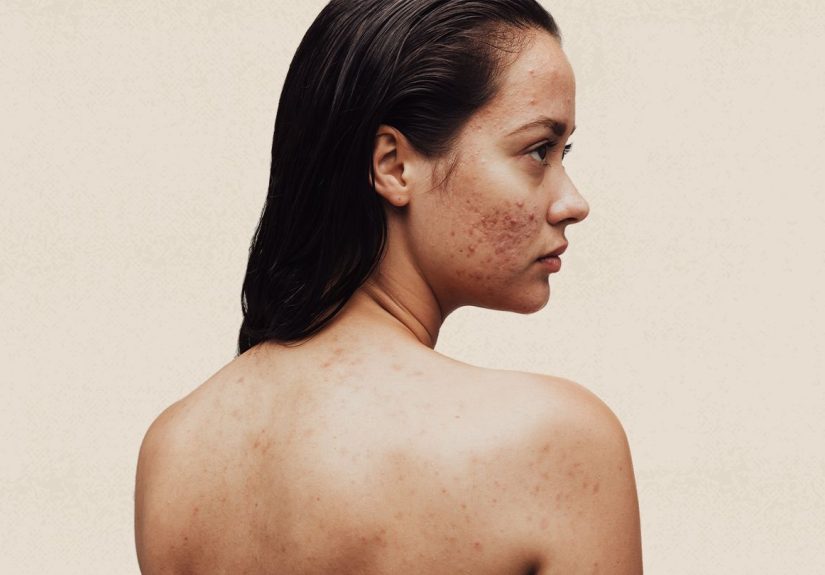
Acne develops when hair follicles become clogged with oil, dead skin cells, bacteria, and inflammation. These clogged pores can turn into whiteheads, blackheads, papules, pustules, nodules, or cysts. The face is the most familiar location, but acne can also appear on the chest, shoulders, back, neck, and jawline.
Despite the old myth that acne means someone is dirty, acne is not a hygiene failure. It is influenced by oil production, hormones, genetics, inflammation, certain medications, some cosmetic products, and sometimes lifestyle factors such as stress or sleep disruption. In other words, acne is not a moral report card. Your skin is not “misbehaving” because you forgot to become a flawless lifestyle influencer by 7 a.m.
Why Acne Feels Bigger Than “Just Skin”
The face is one of the first things people notice. It helps us communicate, express emotion, and feel recognized. So when acne appears there, it can feel impossible to ignore. A small pimple may look minor to someone else, but to the person living with it, it can feel like a flashing neon sign that says, “Please stare here.”
People with acne may experience embarrassment, frustration, anxiety, low self-esteem, or a sense of social isolation. Some become skilled at avoiding cameras. Others learn the exact bathroom lighting in every building they enter. Many quietly compare their skin to filtered images online and wonder why everyone else appears poreless, smooth, and suspiciously airbrushed by angels.
The emotional burden is not vanity. It is a real quality-of-life issue. Studies have linked acne with lower self-image, reduced social confidence, and higher emotional distress. Even mild acne can feel heavy when it appears at a vulnerable time, such as adolescence, early adulthood, a new job, dating, or any period when appearance already feels painfully public.
Acne and Self-Esteem: The Mirror Problem
One of acne’s cruelest tricks is that it can make people monitor themselves constantly. A person may wake up and check the mirror before checking the weather. They may measure the day’s confidence by whether a cystic bump looks smaller, whether redness has faded, or whether makeup sits smoothly over texture.
This constant checking can become exhausting. It turns a normal morning routine into a tiny courtroom where the skin is judged, sentenced, and occasionally yelled at. The emotional effect can be especially strong when acne feels unpredictable. One week, the skin improves; the next week, a breakout appears right before a presentation, first date, school event, job interview, or family photo. Acne has terrible timing. If it were a person, it would absolutely show up uninvited and eat the last slice of pizza.
The Social Side of Acne
Acne can change how people behave socially. Someone may avoid sleepovers because they do not want friends to see them without makeup. A college student may sit in the back of class to feel less visible. An adult may dread video calls because the front-facing camera seems to have been engineered by a villain.
Social media can make this pressure worse. Filters, editing apps, and beauty trends create the illusion that clear skin is the default setting for everyone except you. In reality, many people deal with acne, acne scars, oily skin, redness, hyperpigmentation, and texture. The internet simply gives us millions of polished images while hiding the bathroom counters full of prescription creams, spot treatments, and emotional negotiations with the mirror.
Teen Acne: Common, But Still Personal
Acne is especially common during the teenage years because hormones can increase oil production. But knowing something is common does not automatically make it easy. Teenagers are often navigating school pressure, friendships, identity, first relationships, sports, photos, and social comparison. Acne can become one more thing that feels out of their control.
For teens, the best support often starts with adults taking acne seriously without overreacting. Comments like “everyone gets pimples” may be technically true, but they can feel dismissive. A better response is: “I know this is frustrating. Let’s find a real plan that helps.” That simple shift can make a teenager feel seen instead of brushed off.
Adult Acne: The Plot Twist Nobody Ordered
Many people assume acne ends after high school, as if the skin receives a diploma and moves on. Unfortunately, adult acne is very real. It can appear in the 20s, 30s, 40s, or beyond, often around the jawline, chin, cheeks, or neck. Hormonal changes, stress, certain medications, cosmetics, and genetics can all play a role.
Adult acne can feel especially frustrating because it collides with expectations. People think, “I pay bills now. I own storage containers. Why am I still fighting pimples?” Adult acne can also affect professional confidence. A person may worry that visible acne makes them look less polished or less competent, even though skin clarity has nothing to do with intelligence, skill, kindness, or whether someone remembered to attach the file to the email.
Acne Scars and Lingering Emotional Effects
For some people, acne continues to affect confidence even after active breakouts improve. Scarring, dark spots, redness, and uneven texture can serve as reminders of painful flare-ups. This can create a second emotional chapter: first dealing with acne, then dealing with the marks it leaves behind.
Post-inflammatory hyperpigmentation, which appears as dark spots after acne heals, can be especially noticeable in deeper skin tones. Red marks and textural scars can affect lighter and darker skin alike. These changes are common, but they can still feel discouraging. The good news is that dermatologists have tools to help, including topical treatments, chemical peels, lasers, microneedling, and other procedures depending on skin type and scar pattern.
When Acne Affects Mental Health
Acne can contribute to emotional distress in subtle and not-so-subtle ways. A person may become more withdrawn, irritable, anxious, or unusually self-critical. They may stop doing activities they used to enjoy. They may avoid being seen in natural light, spend excessive time covering blemishes, or feel distressed after looking at photos.
These feelings deserve attention. Treating acne is not only about reducing pimples; it is also about reducing the emotional load that comes with them. If acne is affecting mood, sleep, confidence, school, work, or relationships, it is reasonable to seek support from a dermatologist, primary care clinician, counselor, therapist, or trusted adult. Skin health and emotional health are allowed to be in the same conversation.
Why “Helpful” Comments Often Hurt
People with acne often receive advice they never asked for. “Drink more water.” “Stop eating fries.” “Try this soap.” “My cousin used toothpaste.” Toothpaste, for the record, belongs on teeth, not as a personality test for your pores.
Unsolicited advice can make someone feel watched and judged. Even when the intention is kind, the message often lands as: “I noticed your skin problem and assumed you needed my opinion.” A more supportive approach is to say nothing about someone’s acne unless they bring it up first. If they do, listen before giving suggestions. Sometimes the most healing response is not a product recommendation. It is empathy.
Evidence-Based Acne Treatment: What Actually Helps
Acne treatment depends on the type, severity, skin sensitivity, age, health history, and whether scarring is present. Mild acne may improve with over-the-counter ingredients such as benzoyl peroxide, salicylic acid, or adapalene. Moderate to severe acne may require prescription topical medications, oral antibiotics, hormonal therapies, or isotretinoin under medical supervision.
Many acne treatments take time. A product may need 8 to 12 weeks before results are clear, which is deeply inconvenient for anyone who would prefer overnight transformation. Unfortunately, skin cells do not operate on express shipping. Consistency matters, and using too many harsh products at once can irritate the skin and make acne look worse.
Simple Habits That Support Acne-Prone Skin
A gentle routine is often better than an aggressive one. Washing the face twice daily with a mild cleanser, using non-comedogenic moisturizer, applying sunscreen, avoiding picking, and introducing active ingredients slowly can help protect the skin barrier. For body acne, showering after sweating and wearing breathable clothing may help reduce irritation.
It is also smart to avoid scrubbing the skin like a dirty pan. Acne is not a stain. Harsh scrubs, alcohol-heavy toners, and constant product switching can make inflammation worse. Think of acne-prone skin less like an enemy to defeat and more like a dramatic roommate that needs structure, patience, and fewer surprise attacks.
Food, Stress, and Acne: What We Know
Diet and acne are complicated. Some research suggests that high-glycemic diets and certain dairy products may worsen acne in some people, but food triggers vary widely. Not everyone needs to eliminate entire food groups. Keeping a simple journal can help identify patterns without turning meals into a stressful detective show.
Stress can also worsen acne for some people. Stress does not usually create acne from nothing, but it may increase inflammation, affect hormones, disrupt sleep, encourage skin picking, or make routines harder to maintain. Managing stress is not a magic cure, but it can support both skin and emotional health.
When to See a Dermatologist
A dermatologist can help when acne is painful, persistent, worsening, leaving scars or dark marks, or not improving with over-the-counter care. It is also worth seeking help if acne is affecting confidence or daily life. You do not need to “earn” a dermatology appointment by suffering for years.
Professional care can save time, money, and emotional energy. Instead of buying five random products because a person on TikTok had good lighting, a dermatologist can create a plan based on acne type, skin tone, sensitivity, medical history, and realistic goals.
How Parents, Partners, and Friends Can Help
Support starts with not minimizing the problem. Avoid teasing, pointing out breakouts, or suggesting that someone is being dramatic. Acne may be common, but the emotional experience is personal. A supportive friend or family member can say, “I’m sorry this is bothering you,” or “Do you want advice, or do you just want me to listen?” That question is small but powerful.
For parents, it helps to offer practical support without panic. Help schedule a medical appointment, buy gentle skincare basics, and remind the teen that their worth is not tied to clear skin. For partners, reassurance matters. Tell the person you love them and are attracted to them without turning their skin into the central topic of the evening.
Changing the Conversation Around Acne
The cultural conversation around acne is slowly improving. More people are sharing unfiltered photos, discussing prescription treatments openly, and pushing back against the idea that acne is something to hide in shame. This matters because stigma thrives in silence.
Still, acne positivity does not mean pretending acne never hurts. It means making room for two truths: acne is normal, and people are allowed to want treatment. You can accept yourself today and still use a retinoid tonight. Confidence and skincare are not enemies.
Experience Section: What Living With Acne Can Feel Like
Living with acne often teaches people strange little survival skills. You learn which side of your face you prefer in photos. You learn that some bathroom mirrors are kind, while others are clearly auditioning for a horror movie. You learn how to tilt your phone during video calls, how to avoid touching your face, and how to pretend you are not thinking about the giant bump on your chin while someone is telling a story about their weekend.
One common experience is the “good skin day” effect. When acne calms down, confidence can rise almost instantly. You may walk outside with less tension in your shoulders. You may take a selfie without needing 47 attempts and a lighting committee. You may feel more open, more social, more like yourself. That reaction reveals how heavy acne can feel when it is active.
Another shared experience is treatment fatigue. Many people with acne have tried cleansers, spot treatments, masks, toners, prescriptions, diet changes, pillowcase changes, and enough “holy grail” products to build a small skincare museum. When something fails, it can feel personal, even though acne treatment often requires trial and adjustment. The skin is biology, not a vending machine. You cannot always insert product and receive confidence in three business days.
There is also the emotional whiplash of improvement and relapse. Someone may finally see progress, relax a little, and then wake up to a new breakout. That can feel like betrayal. But acne often improves unevenly. Progress may look like fewer painful lesions, shorter flare-ups, less inflammation, or faster healing before it looks like completely clear skin. Celebrating small wins helps reduce the all-or-nothing mindset.
People also describe the loneliness of acne. Because acne is visible, it can feel like everyone sees it. Yet because it is common, people may assume it is not a big deal. That combination can make someone feel both exposed and dismissed. A person might be smiling at lunch while quietly wondering whether their concealer has separated. They might appear confident while avoiding every group photo. They might laugh at a joke while secretly hoping nobody mentions their skin.
The most helpful experience many people eventually gain is perspective. Acne can affect confidence, but it does not define character, talent, humor, intelligence, or future success. Many people who once felt consumed by acne later realize that others were thinking about it far less than they imagined. Most people are busy worrying about their own lives, hair, outfit, inbox, bills, or whether they accidentally liked a photo from 2018.
That does not make acne painless, but it can make it less powerful. A breakout may be part of the day, but it does not have to own the day. With the right care, emotional support, and realistic expectations, acne can become something a person manages rather than something that manages them.
Conclusion: Acne Deserves Treatment and Compassion
Acne is common, but common does not mean harmless. It can affect mood, confidence, social life, and self-image in ways that deserve real attention. The best approach combines evidence-based skincare, medical support when needed, emotional validation, and patience. Clearer skin may be the goal, but a kinder relationship with yourself is just as important.
If acne is weighing heavily on your daily life, you are not being vain, weak, or dramatic. You are human. Skin conditions can affect emotional well-being, and seeking help is a practical step, not an overreaction. Acne may be visible, but your value is much bigger than anything happening on the surface.
Note: This article is for educational purposes and should not replace personalized medical advice. Anyone with painful, persistent, scarring, or emotionally distressing acne should consider speaking with a qualified healthcare professional.