Table of Contents >> Show >> Hide
- First, What Exactly Is Acupuncture?
- Quick Fertility Reality Check (Because Context Matters)
- The Big Question: Can Acupuncture Help You Get Pregnant Naturally?
- Acupuncture and IVF: What the Research Actually Shows
- So… Why Do People Swear It Helped Them?
- How Might Acupuncture HelpIn Theory?
- Who Might Consider Fertility Acupuncture (And What Goal Makes Sense)?
- Safety: Is Acupuncture Safe When You’re Trying to Conceive?
- How to Choose a Practitioner (Without Falling for Miracle Marketing)
- How to Try Acupuncture Smartly (If You Decide to Do It)
- Frequently Asked Questions
- The Bottom Line: Does It Really Work?
- Real-World Experiences: What People Say (And What to Learn From It)
- Experience Pattern #1: “It Didn’t Get Me Pregnant, But It Kept Me Sane.”
- Experience Pattern #2: “It Became Part of My IVF Routine.”
- Experience Pattern #3: “My Cycles Felt More Predictable.”
- Experience Pattern #4: “It Helped Me Feel Supported.”
- Experience Pattern #5: “I Spent a Lot and I’m Not Sure It Changed Anything.”
If you’ve spent any time in fertility forums (or in the waiting room where the magazine pile is 70% baby bumps and 30% ads for hope),
you’ve probably heard it: “Try acupuncture!” It’s often recommended with the confidence of someone who just discovered
the “refresh” button on their browser and now thinks they’re an IT professional.
But fertility is complicated, emotions run high, and time (and money) can feel painfully limited. So let’s take a clear-eyed look at the real
question: Does acupuncture actually improve fertility outcomesor is it mostly a stress-relief side quest that happens to come with tiny needles?
This article breaks down what the research says (especially around IVF), what experts tend to agree on, why study results can look all over the place,
and how to decide whether fertility acupuncture is worth trying for you. No hype. No doom. Just the most honest, practical answer science can offer right now.
First, What Exactly Is Acupuncture?
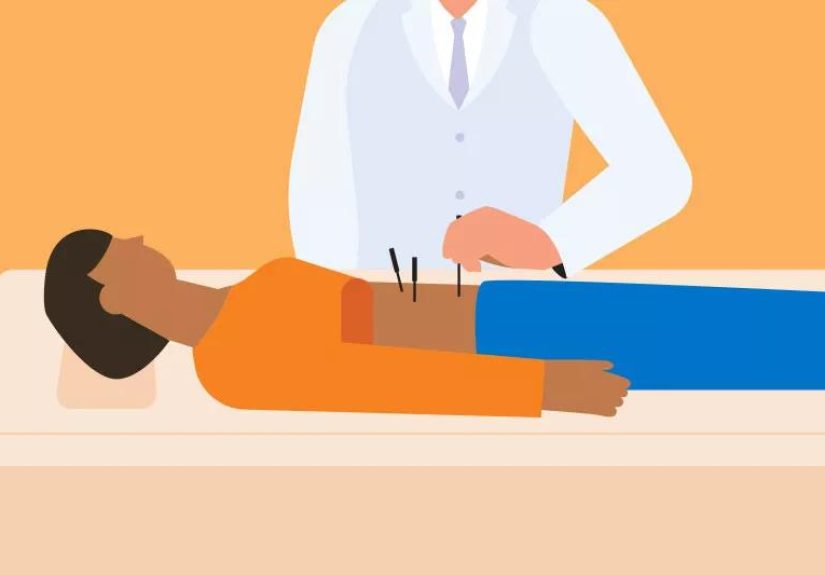
Acupuncture is a technique that places very thin, sterile needles into specific points on the body. In traditional East Asian medicine,
these points are mapped along pathways sometimes described as meridians. In Western clinical settings, acupuncture is often discussed in terms of
nervous-system effects, pain modulation, and stress response.
In a fertility context, people most commonly try acupuncture for:
- Support during IVF (especially around egg retrieval or embryo transfer)
- Cycle regulation and ovulation support (commonly in PCOS discussions)
- Stress and sleep support during a long fertility journey
- Pelvic pain or discomfort (sometimes alongside endometriosis care)
- Male-factor infertility support (usually discussed in terms of sperm parameters)
Quick Fertility Reality Check (Because Context Matters)
Fertility isn’t one single “thing” you either have or don’t have. It’s an outcome created by multiple moving parts:
ovulation, egg quality, sperm quality, fallopian tube function, uterine lining, timing, hormones, general health, and plain old chance.
In public health terms, infertility is commonly defined as not achieving pregnancy after 12 months of trying (or longer).
Clinicians may recommend evaluation sooner in some situations (for example, depending on age or known risk factors).
This matters because acupunctureif it helpsmight help more with some aspects (like stress and symptom support) than others
(like correcting blocked tubes or genetic factors). So we should ask a more precise question than “Does it work?”
The Big Question: Can Acupuncture Help You Get Pregnant Naturally?
For people trying to conceive without IVF, the evidence is limited and mixed. Some studies and reviews suggest possible improvements
in cycle-related symptoms or hormone patterns in certain groups, but high-quality proof that acupuncture alone reliably increases natural conception rates
is not strong.
What acupuncture may do better (based on broader acupuncture research and what fertility patients report) is support the things that often
get wrecked during fertility struggles:
- Stress response (feeling “wired and tired”)
- Sleep quality
- Anxiety around appointments and waiting periods
- Pain symptoms for some people
That doesn’t automatically translate to pregnancy. But it can still matterbecause fertility treatment is not just a medical process;
it’s also an endurance sport where the finish line keeps moving.
Acupuncture and IVF: What the Research Actually Shows
IVF is where fertility acupuncture gets the most attentionand where the research is most developed.
Many people try acupuncture as an add-on to IVF, hoping it will improve implantation, pregnancy rates, or live birth rates.
A Major Trial Found “No Meaningful Difference” vs Sham
One of the most-cited randomized clinical trials compared acupuncture to sham acupuncture (a control designed to mimic treatment).
The results showed no significant difference in live birth rates between real acupuncture and sham acupuncture for women undergoing IVF.
This kind of study carries weight because it tries to control for placebo effects, expectations, and the calming ritual of care.
Reviews and Meta-Analyses: Why Do Some Say “Helps” and Others Say “Nope”?
If you’ve seen headlines claiming acupuncture boosts IVF success, you’re not imagining things. Some reviews and meta-analyses report improvements
in outcomes like clinical pregnancy rate in certain comparisons. But other high-level reviews conclude there’s
no clear benefitespecially when acupuncture is compared to sham rather than “no additional treatment.”
Here’s why the results can look contradictory:
-
Different control groups. Acupuncture vs “no add-on” can look better simply because the acupuncture group gets more attention,
relaxation time, and supportive care. -
Sham acupuncture isn’t always inert. Some “sham” methods may still stimulate the body (like acupressure-lite),
which can shrink differences between groups. -
Protocols vary wildly. Timing (day of embryo transfer vs weeks leading up), number of sessions, points used,
and practitioner approach differ from study to study. -
IVF itself is complex. Outcomes depend on age, embryo quality, diagnosis, clinic protocols, and moreso it’s hard for a single add-on
to consistently move the needle (pun fully intended). -
Publication and location effects. Some analyses note differences in results by region or study setting, which raises questions about
methodology and reproducibility.
A practical takeaway: Acupuncture does not appear to reliably increase live birth rates in IVF when tested against sham acupuncture,
but some studies suggest it might improve certain intermediate outcomes or help compared with doing nothing extra.
That’s not the same as “it works,” but it also isn’t the same as “it’s useless.”
What Professional Guidance Tends to Say
Professional fertility guidance acknowledges the uncertainty: results vary, designs differ, and firm conclusions are difficult.
Some guidance notes that pregnancy rates might improve in certain circumstances, but consistent live birth improvement hasn’t been shown.
So… Why Do People Swear It Helped Them?
This is where science and lived experience can talk past each other.
Someone can genuinely feel better, sleep better, have less anxiety, and feel more supported
and still not have acupuncture be the reason a pregnancy occurred.
Fertility outcomes have a big element of probability. On top of that, many people use acupuncture while also changing other things:
improving sleep, reducing alcohol, adjusting caffeine, switching meds, adding supplements, changing diet, starting therapy,
or simply continuing IVF cycles.
None of that means experiences are “fake.” It just means personal outcomes aren’t the same thing as proof.
In fertility care, both things matteras long as we don’t confuse them.
How Might Acupuncture HelpIn Theory?
Researchers have proposed several mechanisms. These are best described as plausible pathways, not guaranteed effects:
-
Nervous system modulation: Acupuncture may influence stress pathways and the balance between sympathetic (“fight or flight”)
and parasympathetic (“rest and digest”) activity. -
Blood flow hypotheses: Some theories suggest effects on uterine or ovarian blood flow, though translating that into improved IVF outcomes
remains uncertain. - Endorphin and pain pathways: Acupuncture can affect pain signaling and perception in some conditions.
-
Inflammation and hormone-related hypotheses: Some papers discuss potential effects on hormones or inflammation markers,
but human fertility outcomes are harder to prove than lab changes.
The most defensible “maybe” is that acupuncture can support stress management and symptom relief.
The leap from “I feel calmer” to “My embryo implanted because of this” is where the evidence thins out.
Who Might Consider Fertility Acupuncture (And What Goal Makes Sense)?
Consider acupuncture if your goal is one (or more) of the following:
- Reducing anxiety around IVF procedures or the two-week wait
- Improving sleep during stressful cycles
- Feeling more supported (regular appointments can provide structure and care)
- Managing discomfort (for example, certain types of painunder medical guidance)
Be cautious if your goal is:
- “Acupuncture will fix infertility.” That’s a lot to ask from any single intervention.
- “This will replace medical evaluation or fertility treatment.” Don’t trade a proven workup for an unproven shortcut.
- “It guarantees IVF success.” No ethical provider should promise that.
Safety: Is Acupuncture Safe When You’re Trying to Conceive?
When performed by a properly trained, licensed practitioner using sterile, single-use needles, acupuncture is generally considered safe.
Most side effects are minor (think small bruises, light bleeding, temporary soreness, or feeling a little woozy).
The most important safety points:
- Needles should be sterile and single-use (a fresh package every session).
- Tell your provider about medications, especially blood thinners, and any bleeding disorders.
- Communicate your fertility treatment timeline (stimulation, retrieval, transfer) so they can avoid anything your clinic advises against.
- Avoid anyone who discourages medical care or pushes expensive “required” bundles with guaranteed results.
How to Choose a Practitioner (Without Falling for Miracle Marketing)
You don’t need a practitioner with magical powers. You need one with training, hygiene, and professionalism.
Here’s a simple checklist:
Credentials to Look For
- State licensure (requirements vary by state)
- NCCAOM certification (commonly used in U.S. acupuncture credentialing)
-
If fertility-focused: experience with fertility patients, and possibly additional fertility-specific training or certification
(some providers pursue specialized reproductive medicine credentials).
Questions That Get You Real Answers
- “How often do you work with IVF patients, and do you coordinate with clinic timelines?”
- “How many sessions do you typically recommend, and why?”
- “What outcomes are realistic, and what does the evidence suggest?”
- “How do you handle safety and infection control?”
If they answer every question with “It will definitely work,” that’s not confidence. That’s marketing.
How to Try Acupuncture Smartly (If You Decide to Do It)
- Define your goal. Stress reduction? Sleep? Coping? Symptom relief? A goal you can measure is kinder to your brain.
-
Set a time-limited experiment. For example, try a specific number of sessions over a set period and reassess.
You’re allowed to quit things that aren’t helping. - Coordinate with your fertility clinic. Ask your clinic if they have timing preferences (especially around embryo transfer).
- Budget realistically. Fertility care is expensive. Don’t let an add-on derail the plan that has the strongest evidence.
- Watch your stress math. If acupuncture appointments become another stressful obligation, you’ve invented a problem in the name of solving one.
Frequently Asked Questions
Does acupuncture improve egg quality?
There’s no strong, consistent evidence that acupuncture reliably improves egg quality in a way that translates into higher live birth rates.
Egg quality is heavily influenced by age and biology. Acupuncture may help some people feel better during treatment,
but it shouldn’t be sold as an egg-quality upgrade.
Does acupuncture improve implantation?
Some studies have explored acupuncture around embryo transfer, but results are mixed.
The most careful trials comparing acupuncture to sham generally don’t show a clear live-birth benefit.
What about male fertilitycan acupuncture improve sperm?
Some reviews discuss possible improvements in semen parameters in certain studies, but the evidence quality varies,
and improvements in lab numbers don’t always translate to pregnancy outcomes. If male factor infertility is part of the picture,
it’s still important to get a thorough medical evaluation and evidence-based treatment plan.
Is it okay to do acupuncture during IVF?
Many people do, and it’s often considered safe with a qualified practitioner.
The key is communication: tell your acupuncturist your IVF timeline and tell your clinic you’re using acupuncture.
The Bottom Line: Does It Really Work?
If “work” means guaranteeing pregnancy or consistently improving live birth ratesthe honest answer is: not reliably,
especially when acupuncture is tested against sham controls in IVF.
If “work” means helping you feel calmer, sleep better, and cope more effectively during one of the most emotionally intense
medical journeys people go throughthen yes, many find it worthwhile.
A reasonable way to think about fertility acupuncture is this:
It may be a supportive tool for well-being and symptom management, and it might help certain intermediate outcomes in some contexts,
but it should not replace medical evaluation or be marketed as a proven IVF success booster.
Real-World Experiences: What People Say (And What to Learn From It)
Experiences with acupuncture for fertility tend to fall into a few familiar storylines. These aren’t proof (science gets that job),
but they can help you set realistic expectations and spot what actually makes acupuncture feel “worth it.”
Experience Pattern #1: “It Didn’t Get Me Pregnant, But It Kept Me Sane.”
Many IVF patients describe acupuncture as the one place in their schedule where they weren’t being poked for labs,
asked to make giant decisions, or refreshing a portal like it’s a competitive sport. The appointment becomes a weekly “nervous system reset.”
People often report better sleep the night after treatment, less rumination, and a stronger sense of control.
Takeaway: If your biggest struggle is stress, insomnia, or anxiety spirals, acupuncture may help as a coping toolespecially when combined with other supports
like therapy, mindfulness, gentle movement, or a support group.
Experience Pattern #2: “It Became Part of My IVF Routine.”
Some people build acupuncture into their IVF calendar the way others build in meal prep: it’s structure. For example, they do several sessions leading up to
stimulation, then one near retrieval, and another around transferoften because they’ve heard that timing matters. The strongest emotion here is usually hope,
mixed with “I want to do everything I can.”
Takeaway: Wanting to try an add-on is understandable. The healthy version of this is: “I’m doing this because it helps me cope.”
The risky version is: “If I don’t do this, I’ll blame myself.” If the add-on becomes a source of guilt, it’s not helping anymore.
Experience Pattern #3: “My Cycles Felt More Predictable.”
People with irregular cycles (often mentioned alongside PCOS conversations) sometimes report feeling more “regulated” after a period of consistent acupuncture,
especially when they’re also making lifestyle changes recommended by their clinician. Sometimes they notice changes in cramps, mood, or sleep firstthen they
attribute cycle changes to acupuncture.
Takeaway: Bodies change for many reasons at once. If you try acupuncture for cycle support, track what you’re doing (sleep, exercise, meds, supplements) so you can
see patterns without giving all creditor all blameto one intervention.
Experience Pattern #4: “It Helped Me Feel Supported.”
Fertility treatment can feel lonely, even when you have a supportive partner or family. Some people describe their acupuncturist as the one provider who had time
to listen without rushing. That relationship can be meaningfulespecially when medical appointments are brief and packed with information.
Takeaway: Support is not a “small thing.” Feeling cared for can make it easier to keep going. The key is choosing a practitioner who stays in their lane:
supportive, ethical, and never undermining your reproductive endocrinologist.
Experience Pattern #5: “I Spent a Lot and I’m Not Sure It Changed Anything.”
This experience is real too. Some patients feel frustrated after investing in weekly sessions, supplements, herbs, and extra recommendationsand still getting
the same outcomes. They may feel regret, or worry they were sold certainty in a place where certainty doesn’t exist.
Takeaway: If you try acupuncture, set a budget and a stop point in advance. Decide what success looks like (often: better sleep, less anxiety, fewer symptoms),
rather than making pregnancy the only measure of value.
In the end, the most grounded takeaway from real-world experiences is this: acupuncture is most likely to feel “worth it” when it’s used as a supportive,
stress-reducing part of carenot when it’s treated like a guaranteed fertility upgrade.