Table of Contents >> Show >> Hide
- Is It Normal for a Neutered Cat to Hump?
- Why Your Neutered Cat Humps
- 1. Hormones may still be fading after surgery
- 2. The behavior became a learned habit
- 3. He is overstimulated, excited, or wound up from play
- 4. Stress and anxiety are pushing the behavior
- 5. Social tension or territorial conflict is part of the picture
- 6. A medical issue may be making him uncomfortable
- 7. Rarely, testosterone is still in the picture
- How to Stop a Neutered Cat From Humping
- What Not to Do
- When to Call the Vet Sooner Rather Than Later
- Common Experiences Cat Owners Report
- Final Thoughts
- SEO Tags
If your neutered cat has suddenly decided that your blanket, your arm, or your unsuspecting couch cushion is the love of his life, take a breath. It is awkward, yes. It is confusing, absolutely. But it is not as rare as many cat owners think.
A lot of people assume neutering flips a switch and instantly ends every hormone-driven behavior forever. In real life, cats are a little more complicated than that. A neutered male cat may still hump because of leftover hormones shortly after surgery, learned habits, excitement, stress, territorial tension, or even an underlying medical issue. In other words, your cat is not trying to embarrass you. He is communicating something in the only wonderfully weird feline way he knows.
This guide breaks down why a neutered cat humps, when you should worry, and how to stop the behavior without turning your home into a tiny reality show called Keeping Up With the Chaos Goblin.
Is It Normal for a Neutered Cat to Hump?
It can be. Neutering usually reduces sexual behaviors such as mounting and urine marking, but it does not guarantee they will disappear completely. Some cats keep the behavior because it became a habit before neutering. Others do it because they are overstimulated, frustrated, stressed, or trying to manage arousal during play or social conflict.
So if you are wondering, “Why does my neutered cat still hump?” the answer is usually not one single thing. It is often a mix of biology, behavior, and environment.
The key question is not just whether your cat humps. It is when, how often, and what else is happening around it. A cat who occasionally grabs a fuzzy blanket after an exciting play session is very different from a cat who suddenly begins mounting daily, starts spraying, acts agitated, or seems uncomfortable.
Why Your Neutered Cat Humps
1. Hormones may still be fading after surgery
If your cat was neutered recently, the simplest explanation is that the body has not fully gotten the memo yet. Hormones do not vanish the second your cat wakes up from surgery. Some sexual behavior can linger for a few weeks while hormone levels drop. During that time, you might still see mounting, vocalizing, or restless behavior.
This is especially common if the cat had already reached sexual maturity before he was neutered. Once a behavior has been repeated enough times, the brain may keep using it even after the hormonal fuel tank is much lower.
2. The behavior became a learned habit
Cats are excellent at repetition. If humping felt rewarding in the past, whether because it relieved tension, created stimulation, or simply became part of a routine, your cat may keep doing it. Neutering can reduce the drive behind mounting, but it cannot erase practice.
Think of it like a bad habit with whiskers. The original reason may fade, but the pattern sticks around. This is one reason some adult cats continue mounting blankets, beds, or even other pets long after neutering.
3. He is overstimulated, excited, or wound up from play
Some cats hump when they are highly aroused, and that does not always mean sexual arousal. It can also be play arousal, frustration, or too much energy with nowhere productive to go. A young, active male cat might sprint through the house, wrestle a toy mouse into next Tuesday, and then mount a soft object as a way to discharge that excitement.
This is especially likely if your cat does not get enough structured play or if play is chaotic instead of satisfying. Laser pointers without a “catch,” rough hand play, or long periods of boredom followed by bursts of activity can all leave a cat buzzing with unfinished business.
4. Stress and anxiety are pushing the behavior
Here is the part many owners miss: humping can be a stress behavior. Cats are sensitive creatures with the emotional stability of a Victorian poet when their routine changes. A new pet, a houseguest, a move, remodeling, outdoor cats at the window, schedule changes, or conflict with another cat can all raise your cat’s stress level.
When cats feel stressed, they often fall back on repetitive or odd-looking behaviors. Some overgroom. Some spray. Some become clingy. Some mount. The behavior may be your cat’s imperfect attempt to self-soothe or regain a sense of control.
One common example: a neutered cat begins humping the same blanket every evening after spotting neighborhood cats outside the sliding glass door. To us, that looks random. To the cat, it may be tension, territorial frustration, and too much adrenaline with nowhere to put it.
5. Social tension or territorial conflict is part of the picture
If you live in a multi-cat household, mounting can sometimes show up during social conflict. That does not mean your cat is trying to be “alpha” in the cartoon-wolf sense. Cats are not running a corporate ladder in your hallway. But they do respond strongly to resource competition, territorial pressure, and stressful interactions with other cats.
A cat may mount another cat after staring, blocking pathways, chasing, or guarding spaces. If that is happening, the problem is bigger than the mounting itself. The real issue is tension in the environment.
6. A medical issue may be making him uncomfortable
Never assume a new behavior is “just behavioral” until a veterinarian says so. Pain, urinary discomfort, skin irritation, inflammation, neurologic issues, and other medical problems can cause behavior changes that look strange or sexual but are actually signs of discomfort.
If your cat’s humping started suddenly, increased fast, or appears alongside spraying, excessive licking, crying, hiding, aggression, or litter box changes, book a vet visit. Urinary tract inflammation, painful urination, and other health problems can show up as odd, repetitive, or urgent behavior.
7. Rarely, testosterone is still in the picture
If a cat continues showing strong intact-male behaviors after neutering, your veterinarian may consider rare causes such as retained testicular tissue or a hormone-secreting condition. This is not the most common explanation, but it matters if your neutered cat still acts very much like an intact male, especially if there is spraying, a strong tomcat odor, renewed aggression, or persistent sexual behavior.
Rare does not mean impossible. It just means this is a vet problem, not a “buy a new blanket and hope for the best” problem.
How to Stop a Neutered Cat From Humping
1. Start with a veterinary check
If the behavior is new, frequent, intense, or paired with other changes, rule out medical causes first. This is step one, not step seven. A veterinarian can check for pain, urinary issues, skin irritation, neurologic problems, and rare hormone-related causes.
Once you know your cat is medically okay, your behavior plan will be much more effective.
2. Identify the trigger like a tiny detective
Watch for patterns. Does the humping happen:
- After rough play?
- At night when energy peaks?
- When visitors come over?
- After another cat walks by the window?
- When your cat is bored?
- When he sees or hears another pet?
Keep a short behavior log for one to two weeks. Write down the time, what your cat mounted, what happened right before it, and how you responded. This often reveals a pattern faster than guesswork ever will.
3. Interrupt calmly and redirect
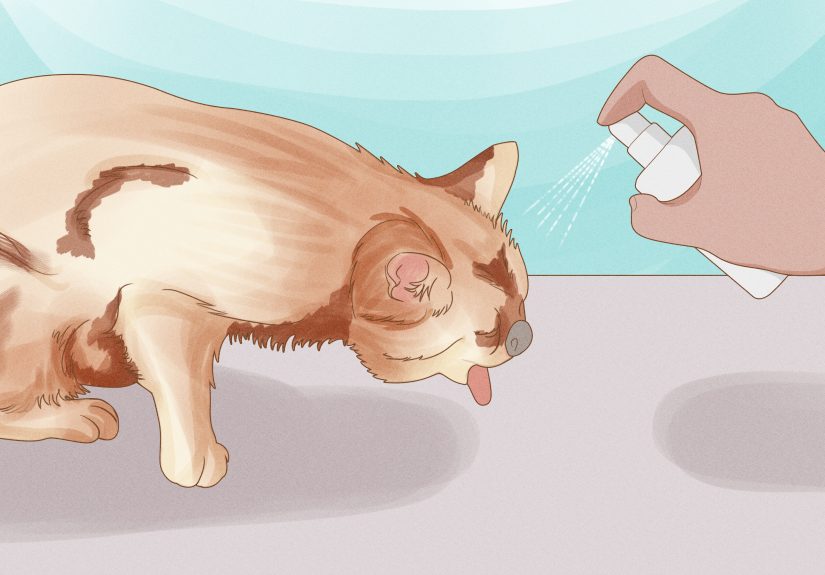
Do not yell. Do not spray water. Do not clap in his face like you are breaking up a tiny nightclub fight. Punishment usually increases fear and stress, which can make the behavior worse.
Instead, interrupt calmly and redirect your cat to another activity. Toss a toy, start a short wand-play session, guide him toward a food puzzle, or move him to a perch or scratching area. The goal is not drama. The goal is a smooth exit ramp.
4. Give him a better outlet for energy
Many cats hump because they are under-stimulated and over-energized. The fix is not “more random toys on the floor.” The fix is better feline-approved outlets.
Try this routine:
- Two to three short wand-toy sessions a day
- Play that follows the hunt sequence: stalk, chase, pounce, catch
- A small treat or meal after play to create a satisfying finish
- Food puzzles or treat-dispensing toys for solo activity
- Cat trees, shelves, window perches, and hiding spots
- Vertical and horizontal scratchers in useful locations
In plain English: make his environment more interesting than the throw pillow.
5. Reduce stress in the home
If stress is part of the problem, the solution is not simply “train it out.” You need to lower the cat’s overall tension level.
Helpful changes include:
- Keeping feeding, play, and bedtime routines consistent
- Blocking the view of outdoor cats with window film if needed
- Adding safe hiding spots and elevated resting places
- Using multiple litter boxes in easy-to-reach quiet areas
- Giving each cat separate access to food, water, beds, perches, and scratching posts
- Using a feline pheromone diffuser if your veterinarian recommends it
For multi-cat homes, aim for less competition and more choice. Cats do better when they can avoid each other instead of being forced into constant negotiation over space.
6. Do not accidentally reward the behavior
Some cats learn that humping gets attention. Even negative attention can be rewarding if your cat is bored enough. If every episode turns into a dramatic speech, a chase scene, and a full-cast performance, your cat may decide the behavior is surprisingly entertaining.
Stay boring. Interrupt, redirect, reward the replacement behavior, and move on.
7. Reward the behavior you want
Positive reinforcement works better than punishment with cats. When your cat chooses a toy, scratching post, perch, or food puzzle instead of mounting, reward that choice. Use a treat, praise, petting if he likes it, or a short play burst.
You are not bribing him. You are teaching him that the better option pays better.
8. Get expert help if it keeps happening
If the behavior is frequent, intense, or tied to anxiety or aggression, ask your veterinarian about referral to a veterinary behaviorist or a cat-focused behavior professional. Some cats need a more detailed treatment plan, especially when the mounting is part of a broader stress problem or compulsive pattern.
In some cases, your veterinarian may discuss behavior medication as part of a larger plan. Medication is not a shortcut. It is sometimes what allows a stressed cat to be calm enough to learn new habits.
What Not to Do
- Do not punish, yell, hit, or spray your cat.
- Do not assume the behavior is “just dominance.”
- Do not ignore sudden changes in behavior.
- Do not keep rough-playing with hands, feet, or blankets if that seems to trigger the behavior.
- Do not wait months if your cat also seems painful, agitated, or is spraying.
When to Call the Vet Sooner Rather Than Later
Schedule a veterinary visit promptly if:
- The humping started suddenly
- Your cat is also spraying or avoiding the litter box
- He cries, strains, licks his genitals a lot, or seems painful
- He becomes aggressive toward people or other pets
- The behavior is obsessive or happens many times a day
- He still shows strong intact-male behavior long after neutering
An emergency visit is warranted if your cat is straining to urinate, producing little or no urine, or seems distressed. That is not a behavior problem. That is a medical emergency.
Common Experiences Cat Owners Report
One of the most useful things to know is that cat humping usually follows a pattern, even when it looks bizarre at first. Owners often say the behavior seems random until they start paying attention to timing and triggers.
A common experience goes like this: a young neutered male cat spends most of the day napping, then gets a burst of energy around dusk. He zooms through the house, tackles a toy, chatters at birds through the window, and then grabs a fuzzy blanket for a very awkward encore. In that case, the issue is often not “sexual behavior” in the strict sense. It is a cat with high arousal and poor outlets for energy. Better interactive play, a meal after play, and more climbing space often help a lot.
Another familiar story comes from multi-cat homes. One cat starts mounting another after hallway stare-downs, blocked doorways, or arguments over favorite sleeping spots. The mounting is not the whole problem. It is just the most obvious symptom. Once the owners add more litter boxes, separate feeding areas, extra perches, and more escape routes, the social tension often drops and the mounting fades with it.
Some owners notice the behavior after a household change. A move, renovation, new baby, visiting relatives, or even a new sofa can throw a sensitive cat off balance. Cats are creatures of routine, scent, and territory. When the home suddenly smells different or feels less predictable, a cat may start doing repetitive or stress-related behaviors that were never there before. In those cases, calming the environment matters more than scolding the cat.
There is also the “but he was neutered ages ago” experience. That can feel especially frustrating because owners expect the surgery to be the end of the story. But if the cat practiced mounting before neutering, or if he uses it as a stress-release behavior now, the habit can linger. The solution is usually a combination of management and retraining, not just waiting for time to fix it.
And then there are the cases where owner instinct is exactly right: something feels off. The cat is suddenly more vocal, more restless, more territorial, or seems uncomfortable. Those are the moments when a veterinary exam really matters. Sometimes the problem is behavioral. Sometimes it is medical. Either way, owners who act early usually get to a solution faster.
The biggest lesson from real-world experience is simple: do not focus only on the hump. Focus on the whole cat. Look at his routine, energy level, stress load, relationships, environment, and body language. Once you understand what is feeding the behavior, the path forward becomes much clearer.
Final Thoughts
If your neutered cat humps, you are not failing as a cat parent, and your cat is not broken. He is responding to hormones, habit, stress, arousal, social conflict, discomfort, or some combination of the above. The behavior may be annoying, weird, or deeply inconvenient when company is over, but it is still information.
Start by ruling out medical problems. Then improve your cat’s environment, reduce stress, create better outlets for play and hunting behavior, and redirect without punishment. Most importantly, be consistent. Cats are smart, sensitive, and sometimes astonishingly committed to their strange little routines. With the right plan, though, many of them can learn healthier ones.