Table of Contents >> Show >> Hide
- Why the Apron Is Having a Stylish Comeback
- What Makes an Apron Stylish?
- Choosing the Right Apron for Your Lifestyle
- Color and Pattern: Where the Fun Begins
- Apron Fit: The Secret Ingredient Nobody Talks About
- Kitchen Safety and Cleanliness: Looking Good While Being Smart
- How to Style an Apron Without Looking Like You Are Wearing a Costume
- Care Tips to Keep Your Apron Looking Good
- Common Apron Mistakes to Avoid
- of Real-Life Experience: What Wearing a Stylish Apron Actually Changes
- Conclusion: The Best Apron Is Useful, Comfortable, and Unmistakably Yours
A great apron is the kitchen equivalent of a good opening line: practical, memorable, and just charming enough to make people believe you know what you are doingeven if the soufflé is currently negotiating with gravity. The modern apron has traveled far beyond the “please do not splash tomato sauce on my shirt” department. Today, it is part cooking gear, part workwear, part personal style statement, and part tiny fabric superhero cape worn backward.
Whether you are baking sourdough, grilling burgers, arranging flowers, painting a canvas, pulling weeds, hosting a dinner party, or simply trying to keep flour from turning your black jeans into a winter landscape, an apron with style can make the whole task feel better. It protects your clothes, gives your hands somewhere to stash tools, and tells the room, “Yes, I came prepared.” And unlike some fashion pieces, it has the decency to be useful.
This guide explores what makes an apron stylish, functional, comfortable, and worth wearing. We will look at fabrics, fits, pockets, patterns, kitchen safety, care tips, and real-life examples of how the right apron can quietly upgrade everyday work. Because style is not just about looking polished. Sometimes style is remembering where you put the thermometer, the pencil, the recipe card, and your dignity after dropping an egg.
Why the Apron Is Having a Stylish Comeback
For generations, aprons have belonged to cooks, bakers, butchers, gardeners, servers, craftspeople, artists, and home entertainers. They have shown up in restaurants, workshops, farmhouse kitchens, backyard barbecues, and vintage family photos where someone is usually holding a pie with alarming confidence. Historically, aprons were worn to protect clothing during labor, but they also became decorative garments, especially in home entertaining and hospitality.
That practical-meets-personal quality is exactly why the apron feels fresh again. Modern shoppers are paying more attention to useful design, durable materials, and garments that look good while doing actual work. Workwear-inspired fashion has made sturdy fabrics, big pockets, utility straps, and lived-in textures feel stylish rather than purely industrial. Meanwhile, home cooking, gardening, crafting, and slow-living aesthetics have turned the apron into a symbol of creativity instead of chore duty.
An apron with style is not about pretending you run a Michelin-starred kitchen from your apartment. It is about choosing a piece that suits your routine, your taste, and your level of mess. Some people need a tough canvas apron that can survive grilling smoke, splatters, and a suspicious relationship with barbecue sauce. Others want a linen apron that feels breezy while baking, hosting, or watering herbs on the patio. Both are stylish when they fit the person and the purpose.
What Makes an Apron Stylish?
Style starts with intention. A stylish apron does not need rhinestones, ruffles, or a slogan about winealthough if that is your joy, carry on proudly. The most stylish apron usually has three things working together: flattering shape, appropriate fabric, and thoughtful details.
1. A Shape That Works With Your Body
The classic bib apron offers the most coverage, protecting the chest, torso, and upper legs. It is the everyday hero for cooking, baking, dishwashing, and grilling. Cross-back aprons are popular because they distribute weight across the shoulders instead of pulling on the neck. If you have ever worn a neck-strap apron for three hours and felt personally attacked by fabric, cross-back straps may feel like a tiny vacation.
Pinafore and smock aprons create a softer, more relaxed look. They often slip over the shoulders and hang comfortably without tight ties. These are excellent for baking, gardening, pottery, or casual hosting. Waist aprons, often seen in restaurants and cafés, offer less upper-body protection but provide quick pocket access and a polished service look.
2. Fabric With Personality
Fabric decides whether your apron feels crisp, cozy, rugged, elegant, or ready to build a cabin before lunch. Cotton is a classic choice because it is breathable, washable, and comfortable for everyday cooking. Cotton canvas and twill are heavier options that provide more structure and protection from splatters. Denim brings a timeless workwear feel and tends to soften beautifully over time, like jeans that finally stopped judging you.
Linen is light, breathable, and naturally elegant. It wrinkles, yes, but linen wrinkles with confidence. It is ideal for warm kitchens, baking days, entertaining, and anyone who wants an apron that says, “I grow herbs,” even if those herbs are currently hanging on by one brave leaf. Waxed canvas is more rugged and water-resistant, making it useful for messier jobs, grilling, gardening, or craft work. Leather aprons are common in specialized work settings such as woodworking, blacksmithing, and some bar or grill environments, though they require different care and are not usually the best choice for regular home laundering.
3. Details That Earn Their Keep
Pockets are where style meets common sense. A good apron pocket can hold a phone, pencil, tasting spoon, thermometer, garden snips, seed packets, paintbrushes, or a recipe card. Deep pockets are great, but overly loose pockets can become storage caves where small tools go to retire. Look for reinforced stitching, accessible placement, and a shape that keeps items secure while you move.
Adjustable straps are equally important. A beautiful apron that fits badly is just a dramatic bib. D-rings, long waist ties, cross-back straps, and adjustable neck loops help the apron sit correctly on different body types. Coverage matters too: a useful kitchen apron should protect the front of your clothing from chest to at least mid-thigh or knee, depending on the task.
Choosing the Right Apron for Your Lifestyle
The best apron is not the most expensive one. It is the one you will actually wear. An apron hanging untouched on a hook is basically home décor with ambitions. To choose wisely, match the apron to your habits.
For Everyday Cooking
Choose cotton, cotton canvas, twill, or a cotton-poly blend. These fabrics are comfortable, easy to care for, and practical for regular meals. A classic bib apron with one or two roomy pockets is usually enough. Look for machine-washable construction because tomato sauce, oil splatter, and pancake batter do not respect delicate care instructions.
For Baking
Bakers often prefer breathable fabrics such as cotton or linen. Flour dust is sneaky; it floats, lands, and somehow appears on your elbow even when your elbow was not invited. A full-coverage apron helps keep clothing clean, while a soft fabric allows easy movement while kneading dough or reaching for pans. A towel loop can also be useful, especially when your hands are covered in dough and the kitchen towel has mysteriously migrated to another dimension.
For Grilling and Outdoor Cooking
Grilling calls for more protection. Consider heavier cotton canvas, denim, or waxed canvas. A longer apron helps protect clothing from smoke, grease, marinades, and enthusiastic flipping. Pockets should be sturdy enough for tongs, a thermometer, or a small notebook for sauce experiments that may or may not become family legends. Avoid relying on thin fabric near high heat, and remember that an apron is not a substitute for proper oven mitts or heat-safe gloves.
For Gardening
A gardening apron should be tough but comfortable. Denim, canvas, and sturdy cotton work well, especially with wide pockets for seed packets, twine, gloves, plant labels, or small tools. Some garden aprons include larger front pockets that can hold harvested herbs, tomatoes, or flowers. Choose darker shades or patterned fabrics if you want soil marks to look like “rustic charm” instead of “I wrestled a flowerbed and lost.”
For Artists and Crafters
Artists need coverage and storage. Canvas, denim, or heavyweight cotton can protect against paint, clay, glue, dyes, and dust. If you work with wet media, consider darker colors or treated fabrics. Adjustable straps matter because creative projects often involve leaning, stretching, and standing in positions that make your furniture question your judgment.
Color and Pattern: Where the Fun Begins
Neutral apronsblack, navy, charcoal, natural canvas, olive, tan, and denim blueare easy to style and hide stains better than pale fabrics. They pair well with modern kitchens, minimalist wardrobes, and anyone who wants to look like they casually know the difference between a shallot and an onion.
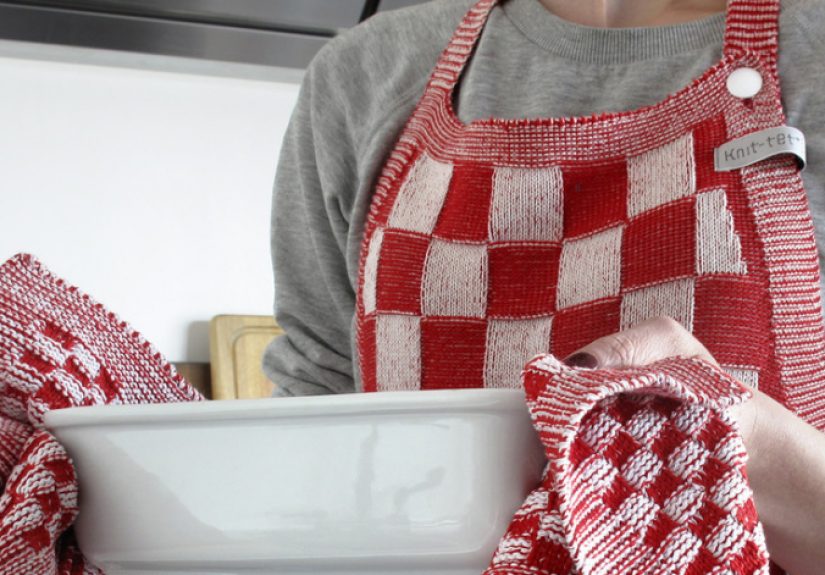
Patterned aprons bring personality. Stripes can feel classic and professional. Florals lean cheerful and vintage. Gingham gives picnic energy. Bold prints make sense for hosts who treat dinner like a small theater production. A patterned apron can also connect your kitchen style with table linens, tea towels, oven mitts, or seasonal décor.
Personalized aprons add another layer of charm. A monogram, embroidered name, business logo, or playful phrase can make an apron feel gift-worthy. For home cooks, personalization turns a simple tool into something more meaningful. For small businesses, cafés, caterers, artists, or market vendors, branded aprons can create a polished, consistent appearance.
Apron Fit: The Secret Ingredient Nobody Talks About
A stylish apron should not fight you. It should move with you, protect what needs protecting, and stay put without requiring constant adjustment. If the bib sits too low, it misses splashes. If the neck strap is too tight, it becomes a fabric necklace with attitude. If the waist ties are too short, tying it becomes a flexibility test you did not sign up for.
Before buying, check the dimensions. Length matters for coverage, especially if you cook with sauces, oil, or flour. Width matters too; a narrow apron may look sleek but leave your sides exposed. Adjustable straps are helpful for shared household aprons because people are annoyingly different sizes. Long waist ties can be tied in front or back, giving more styling options and easier removal.
Cross-back aprons deserve special attention. They are comfortable for long wear because the straps rest on the shoulders instead of hanging from the neck. Many chefs, bakers, ceramicists, and baristas prefer this style for extended work sessions. The only downside is that some cross-back designs take a few extra seconds to put on. But once adjusted, they often feel more balanced and secure.
Kitchen Safety and Cleanliness: Looking Good While Being Smart
An apron is stylish, but it is also part of a cleaner, more organized cooking routine. In the kitchen, clothing can pick up splashes from raw ingredients, sauces, oils, and flour. Wearing an apron helps create a barrier between your clothes and your food preparation space. Still, it should be used with common-sense habits.
Wash your hands before cooking, after handling raw meat, poultry, seafood, or eggs, and after touching trash, pets, or your phone. Keep raw and ready-to-eat foods separate. Use clean towels and avoid wiping everything on the same apron like it is a magical fabric eraser. Spoiler: it is not. If your apron becomes heavily soiled while cooking, change it or wash it before using it again.
For home kitchens, machine-washable aprons are often the easiest and most hygienic choice. Cotton, linen, denim, and many cotton-poly blends can usually be washed, but always check the care label. Waxed canvas and leather may require spot cleaning. If you regularly cook messy foods, deep-fry, barbecue, or bake with lots of flour, having two or three aprons in rotation is practical. It also lets you match your mood, which is clearly important when pasta sauce is involved.
How to Style an Apron Without Looking Like You Are Wearing a Costume
The easiest way to style an apron is to treat it like an extension of your clothing. For a clean modern look, choose solid colors, simple lines, and sturdy fabrics. A black cotton canvas apron over a white T-shirt and jeans looks sharp without trying too hard. A natural linen apron over a striped shirt feels relaxed and warm. A denim apron over a chambray shirt gives workwear energy, though you may suddenly feel qualified to open a very serious coffee shop.
For entertaining, coordinate your apron with the occasion. A striped apron works beautifully for a pasta night. A floral or botanical apron fits brunch, garden parties, or holiday baking. A deep green, burgundy, navy, or warm brown apron can feel seasonal without shouting “themed party” at innocent guests.
When giving an apron as a gift, think about the recipient’s actual life. A serious griller may appreciate heavy canvas and tool pockets. A baker may prefer soft cotton or linen. A gardener may need wide pockets and durable stitching. A new homeowner might enjoy a classic cotton apron with a matching towel set. A stylish friend who hosts dinners may love a linen cross-back apron that looks good enough to wear while greeting guests at the door.
Care Tips to Keep Your Apron Looking Good
Even the best apron needs proper care. Wash cotton aprons with similar colors and avoid high heat if you want to reduce shrinking. Linen can usually be washed gently and air-dried or tumble-dried low, depending on the label. Denim may fade naturally over time, which can add character. Waxed canvas should typically be brushed or wiped clean rather than machine washed, because washing can remove the wax finish. Leather aprons need conditioning and spot cleaning.
Stains are part of apron life. Treat oil splatters quickly with a small amount of dish soap before washing. Rinse flour or dry ingredients off before they become paste. Tomato sauce, berries, turmeric, and coffee are the drama queens of kitchen staining, so handle them early. But do not panic over every mark. A working apron should look alive. A few faded stains can feel like badges of honor, proof that something delicious, creative, or at least interesting happened.
Common Apron Mistakes to Avoid
Choosing Looks Over Function
A pretty apron that cannot survive a normal wash, hold a spoon, or cover your shirt is not a practical everyday apron. Save delicate aprons for hosting or light tasks, and use sturdier pieces for real cooking.
Ignoring Strap Comfort
Neck strain can make even a beautiful apron annoying. If you wear an apron for long sessions, try a cross-back style or padded strap design.
Buying Too Little Coverage
Short aprons can be cute, but if you are frying, grilling, baking, or working with paint, coverage matters. Choose enough length and width for the mess you realistically make, not the graceful cooking fantasy version of yourself.
Forgetting About Care
If you hate hand washing, do not buy an apron that demands hand washing after every splash. The best apron fits your laundry personality. Be honest. Your washing machine already knows the truth.
of Real-Life Experience: What Wearing a Stylish Apron Actually Changes
The funny thing about wearing a good apron is that it changes your behavior before anyone else notices the style. The moment you tie it on, you feel a tiny shift from “I am just making dinner” to “I have entered the cooking zone.” It is not magic, but it is close enough to be suspicious. The apron creates a boundary between everyday clothes and active work. Suddenly, chopping onions feels more intentional. Stirring soup feels calmer. Even wiping the counter feels less like a chore and more like part of the performance.
One of the biggest benefits is confidence. A stylish apron makes you less afraid of mess, and less fear means more freedom. You season more boldly. You knead dough without worrying about flour clouds. You lean into the grill instead of hovering around it like the burgers are guarded by dragons. You stop using your shirt as an emergency towel, which is a personal growth milestone worthy of applause.
Pockets also change the experience. Once you wear an apron with properly placed pockets, you begin to wonder why all clothing does not come with kitchen strategy built in. A thermometer in one pocket, a folded towel in another, a pencil for recipe notes, and maybe your phone safely tucked away from the splash zonesuddenly you are efficient. Not professional-chef efficient, perhaps, but efficient enough to stop asking, “Where did I put that?” every four minutes.
There is also an emotional side. Aprons carry memory. Many people remember a grandparent’s flour-dusted apron, a parent’s grilling apron, a restaurant uniform, a holiday baking day, or a handmade apron sewn from cheerful fabric. Wearing one can make ordinary tasks feel connected to tradition, family, hospitality, and craft. Even a brand-new apron starts collecting stories right away: the first batch of cookies, the dinner party sauce stain, the herb harvest, the painting session, the birthday cake that leaned slightly but tasted heroic.
Style matters because it makes you want to wear the apron. A plain, uncomfortable apron gets ignored. A well-fitting apron in a color or fabric you love becomes part of the ritual. You hang it where you can see it. You reach for it before cooking. You may even forget you are wearing it and answer the door looking like you run a charming bakery out of your kitchen. Honestly, there are worse reputations to have.
After wearing different apron styles, the most practical lesson is simple: choose the apron for the job, but choose the style for yourself. Heavy canvas feels reassuring for grilling and messy work. Linen feels wonderful during slow weekend baking. Denim feels durable and relaxed. Cotton is the reliable friend who always shows up. The best apron is not just a cover-up. It is a tool, a habit, a mood, and sometimes the only thing standing between your favorite outfit and a spoonful of marinara with ambitious travel plans.
Conclusion: The Best Apron Is Useful, Comfortable, and Unmistakably Yours
An apron with style proves that practical things do not have to be boring. The right apron protects your clothes, supports your workflow, improves cleanliness, stores essential tools, and adds personality to the task at hand. Whether you prefer crisp cotton, breezy linen, rugged canvas, soft denim, or a patterned apron that looks ready for a dinner party, the goal is the same: choose something you enjoy wearing and can actually use.
Style is not only about appearance. It is about how something fits your life. A great apron makes cooking, baking, gardening, crafting, and hosting feel more organized and more fun. It helps you step into the moment, protect what you are wearing, and maybe look just polished enough that no one notices the sink full of mixing bowls behind you. That, dear reader, is not just fashion. That is strategy with straps.