Table of Contents >> Show >> Hide
- How an AI Image Wins a Photography Award (Without a Camera in Sight)
- Why This Keeps Happening: The Perfect Storm of Incentives
- It’s Not Just “AI Beats Humans”Sometimes Humans Beat AI (Accidentally)
- What Contests Are Doing About It
- The Future of Trust: Content Credentials, Provenance, and “Nutrition Labels” for Images
- What This Means for Photography (And for People Who Love Photos)
- Practical Tips: How to Evaluate an Image Without Becoming a Full-Time Skeptic
- of Real-World Experiences Around “Award-Winning AI Photos”
- Conclusion
A “photograph” wins an award. People applaud the lighting, the emotion, the timeless feel. Then the curtain drops:
it wasn’t captured by a camera at allit was generated by AI. Suddenly, the internet goes from “Wow!” to “Wait… what?”
in roughly the time it takes to refresh a feed.
This isn’t a hypothetical. In recent years, multiple competitions and creative communities have been forced to answer
an awkward question: if an image looks like a photo, can it compete as a photo? The most headline-grabbing
example came when an AI-generated image titled Pseudomnesia: The Electrician was selected in a major photography
competition categorythen publicly revealed as AI, triggering debate about disclosure, definitions, and whether judges
can realistically police the line anymore.
Let’s unpack what’s happening, why “AI photo scandals” are becoming more common, what contests are doing about it,
and how creators and audiences can navigate this new era without turning every image into a courtroom exhibit.
How an AI Image Wins a Photography Award (Without a Camera in Sight)
The short version is simple: modern generative AI is extremely good at mimicking photographic language
things like shallow depth of field, film grain, lens-like vignetting, motion blur, and lighting that feels like it came
from a real scene. When that “camera look” is combined with a compelling concept, it can sail through judgingespecially
in categories designed for creative interpretation.
The Boris Eldagsen Moment: “AI Is Not Photography”
In 2023, German artist Boris Eldagsen submitted an AI-generated image that was selected for a top placement in a
prominent photography awards program. Soon after, he publicly stated it was created using an AI image generator and
declined the prize, arguing that AI images and photography should not compete against each other. The episode became
a cultural flashpoint because it wasn’t just about one entryit was about what happens when a competition’s rules
and review process meet a technology that evolves faster than policy updates.
The controversy also highlighted something uncomfortable: even when judges are experienced, human vision is not a
reliable AI detector. If the category allows heavy editing, conceptual work, or “creative” manipulation, then the
usual cuesperfect skin texture, improbable lighting, surreal compositionstop being automatic red flags and start looking
like style choices.
Why This Keeps Happening: The Perfect Storm of Incentives
1) The “Looks Real Enough” Problem
AI images don’t need to be perfect. They just need to be plausible at the speed of judging. Many contests involve
hundreds or thousands of entries. Reviewers often make decisions quickly. If an image is emotionally resonant and technically
“photographic” on first glance, it can move forward before anyone asks how it was made.
2) Categories That Reward Illusion
Creative categories are vulnerable by design. They invite conceptual storytelling, heavy post-processing, and stylized aesthetics.
That’s not a flawcreativity is the point. But it also means the contest may have fewer hard boundaries to separate
“camera-based art” from “camera-like imagery.”
3) The Prestige Multiplier
Awards amplify careers. Winning can lead to gallery shows, clients, speaking gigs, print sales, and brand deals. That
creates pressurenot just to be good, but to be unignorable. AI can produce striking images quickly, which tempts
some creators to treat contests like a hackable system rather than a craft showcase.
4) Ambiguous Disclosure Rules
Some competitions now require disclosure of AI use. Others don’t, or they define AI use inconsistently (Is AI-assisted
denoise okay? What about generative fill? What about AI upscaling?). Without clear definitions, entrants can rationalize:
“I used AI… but only a little.” Meanwhile, judges are left to interpret rules that may not be written for the tools people
are actually using.
It’s Not Just “AI Beats Humans”Sometimes Humans Beat AI (Accidentally)
If you want a plot twist, consider the 2024 story where a photographer submitted a real photo into an AI category to
make a point about how blurred the line has become. The image placed, then was disqualified once the creator revealed it
wasn’t AI-generated. The lesson wasn’t “ha-ha, gotcha.” The lesson was: classification is collapsing. If humans
can pass as AI, and AI can pass as humans, the categories themselves need rebuilding.
In other words: the problem isn’t only that AI can fake reality. It’s that reality can now look “too weird” to be believed.
Nature has been doing surreal longer than your favorite image model has existed. (Flamingos, for example, have been
quietly producing “this can’t be real” visuals for yearsno GPU required.)
What Contests Are Doing About It
The response from competitions has been evolving rapidly. While policies differ, several common strategies are emerging.
None are perfect on their own, but together they form a more realistic defense.
Clearer Rules: Define “Photography” Like You Mean It
Many organizations are rewriting entry guidelines to specify what qualifies as a photograph:
camera-captured imagery, allowed edits (color correction, cropping, dust removal), and prohibited edits (fabricating objects,
generating faces, or building the scene from scratch).
The key is specificity. “No AI” is vague. “No generative creation of content elements” is clearer. Some contests also separate
categories entirely, creating AI art divisions so judges can evaluate AI work on its own termswithout pretending it’s the same
medium as a camera-based image.
Requesting Originals: RAW Files and Capture Proof
A practical move is to require RAW files (or original camera files) for finalists and winners. RAW isn’t magical proof of truth
it can be manipulatedbut it raises the cost of deception. It also provides a trail: camera model data, exposure info, and
consistency across a series of images.
Forensics and Verification Workflows
Some organizers are adding forensic review steps for top entries: looking for artifacts, inconsistencies, and suspicious patterns.
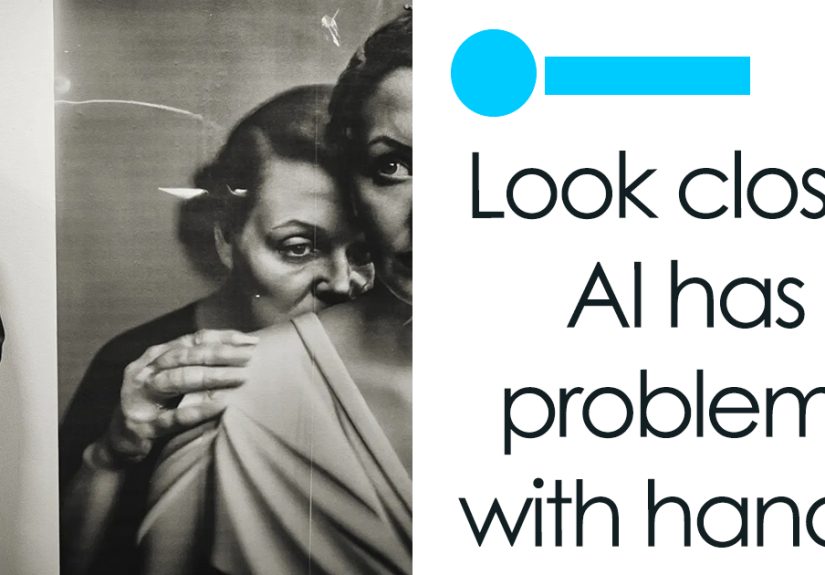
This can include checking edges, reflections, repeating textures, weird hands (still a running joke, though the models are improving),
and metadata anomalies.
However, forensics is an arms race. As models improve, “spot the glitch” becomes less reliable. Which brings us to a more promising
direction: provenance.
The Future of Trust: Content Credentials, Provenance, and “Nutrition Labels” for Images
Instead of asking viewers and judges to become AI detectives, the tech industry has been pushing a different concept:
attach trustworthy information to the file itselfwho made it, how it was made, and what edits happened along the way.
What Are Content Credentials?
Content Credentials are often described as a “nutrition label” for digital media. The idea is to embed tamper-evident metadata
that can show whether an image was captured by a camera, generated by AI, edited in software, and who is claiming authorship.
This work is tied to the Coalition for Content Provenance and Authenticity (C2PA) standard and the broader Content Authenticity
Initiative ecosystem.
Major companies and publishers have been involved in this push, and tools are emerging that let creators apply credentials,
and platforms preserve them when images are hosted and shared.
Why This Helps (And Why It’s Not a Silver Bullet)
Provenance systems can make it easier to verify that an image came from a particular creator and understand its edit history.
That’s valuable for contests, journalism, and brand workany place where authenticity matters.
But provenance doesn’t guarantee the scene is “true.” It can tell you the chain of custody for the file. It can’t guarantee
the subject wasn’t staged, or that the story attached to the image is accurate. And like any metadata-based approach,
it relies on platforms preserving the information and viewers knowing how to check it.
What This Means for Photography (And for People Who Love Photos)
Photography’s Definition Is Splitting into Sub-Genres
We’re heading toward a world where “photography” isn’t one bucket. It’s a shelf with labeled jars:
documentary photography, photo illustration, AI-assisted photography,
generative image-making, and hybrids we haven’t named yet.
That sounds messybut it can be healthy. Art history is basically a long record of humans inventing new tools, then arguing
about whether those tools “count.” (Spoiler: they usually end up counting, just not always in the same category.)
Judging Criteria Will Shift from “Can You Tell?” to “Did You Disclose?”
The most sustainable competitions won’t rely on vibe-based detection. They’ll rely on:
(1) clear disclosure rules, (2) verification for finalists, and (3) meaningful consequences for misrepresentation.
Audiences Need Media Literacy, Not Paranoia
It’s easy to slide into “everything is fake” thinking. That’s a trap. A better stance is:
be curious, not cynical. Check context. Look for provenance signals when available. Treat extraordinary claims
like extraordinary claims (and not like instant wallpaper for your phone).
Practical Tips: How to Evaluate an Image Without Becoming a Full-Time Skeptic
Look for Context Clues
- Source: Is it posted by a known photographer, outlet, or organization with accountability?
- Caption realism: Does the description match what the image shows, or does it read like science fiction fanfic?
- Consistency: Are there related shots, behind-the-scenes details, or a body of work that supports it?
Look for Authenticity Signals
- Provenance metadata: If Content Credentials or similar indicators exist, they can clarify how the image was made.
- Creator transparency: Many ethical creators label AI work clearlybecause they’re proud of the concept and process.
- Contest policies: For award images, check whether the competition separates camera-captured work from AI-generated work.
Accept That “Weird” Doesn’t Automatically Mean “AI”
Real life can look staged. Cameras can produce artifacts. Editing can be intense while still being camera-based. The point isn’t
to accuseit’s to understand the category. A documentary image has different expectations than a creative concept piece.
of Real-World Experiences Around “Award-Winning AI Photos”
When an award-winning photo is revealed to be AI-generated, the emotional whiplash can be surprisingly universaleven among
people who love technology. A judge might describe the moment as a mix of embarrassment and dread: embarrassment because nobody
wants to be the person who “couldn’t tell,” and dread because it raises the fear that every future judging round will become
a forensic investigation instead of an artistic one. Some judges report re-reading the rules afterward like it’s a mystery novel
with a plot twist they should have seen coming. (“It was the butler. It was always the butler.”)
For photographers who entered honestly, the experience can feel like being asked to run a marathon while someone else shows up
on a scooter and still collects a medal. It’s not necessarily anger at AI as a tool; it’s frustration at the mismatch between
medium and category. Many camera-based creators also talk about a deeper sting: the fear that public trust in images will drop,
and with it, the value of painstaking fieldworkwaiting for light, traveling, building relationships with subjects, and learning
the patience that photography demands.
On the flip side, some AI image-makers experience a different kind of awkwardness: they may feel proud of the concept and the
iterative process, but they don’t want credit for something they didn’t do (like capturing a real moment). In communities where
disclosure is encouraged, AI creators often say the backlash hits hardest when they’re lumped together with people who hid AI use.
“I labeled it. I’m not trying to trick anybody,” is a common refrainand it’s fair. There’s a difference between generative art
as a medium and deception as a strategy.
Editors and newsroom teams have their own experience: a rising pressure to verify visuals before publishing. The workflow shifts
from “Is this compelling?” to “Is this credible?” That adds time, cost, and sometimes hesitation to run powerful imagesespecially
when the stakes are high. Meanwhile, everyday viewers describe a quieter experience: the slow erosion of confidence. They may
still enjoy images, but they second-guess them. A friend shares an incredible “photo,” and instead of delight, the first reaction
becomes suspicion. That’s a social cost we don’t talk about enough.
The most constructive experience, though, comes when organizations treat these incidents as a turning point rather than a scandal.
When contests clarify rules, create separate categories, and adopt provenance tools, the conversation changes. It becomes less
“Who got fooled?” and more “How do we honor different mediums honestly?” That shift doesn’t kill creativityit protects it. And it
gives everyone permission to appreciate a great image for what it truly is: a photograph, a photo illustration, an AI-generated
artwork, or some new hybrid that deserves its own label instead of sneaking into the wrong jar.
Conclusion
An award-winning image turning out to be AI-generated isn’t just a headlineit’s a stress test for how we define photography,
how we reward creators, and how we maintain trust in visuals. The solution isn’t panic or purism. It’s clarity: better contest
rules, transparent disclosure, smarter verification, and provenance standards that help audiences understand what they’re seeing.
In the long run, the healthiest creative world is one where AI-generated images can win awardsin the right category,
with honest labelswhile camera-based photography is protected where authenticity is the point. Because the real issue was never
that the image was made with AI. The issue is what happens when we pretend it wasn’t.