Table of Contents >> Show >> Hide
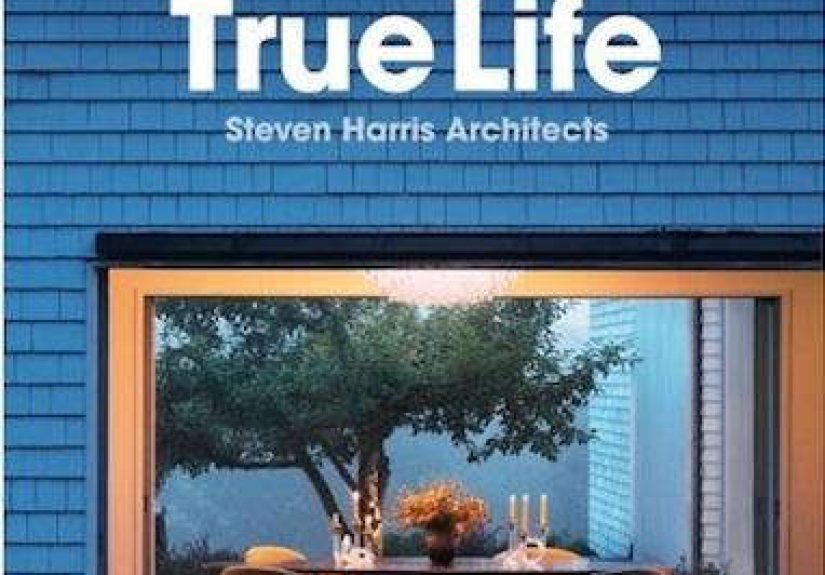
Some architecture books are really books about buildings. True Life: Steven Harris Architects is more ambitious than that. It is about how people actually live inside architecturehow they arrive, gather, cook, climb, rest, work, entertain, disappear for five blessed minutes, and then return to the world looking mysteriously more put together than before. That human-centered idea is what makes Steven Harris Architects such a compelling subject. The firm’s work is polished, yes. Luxurious, often. But the real trick is that it rarely feels like architecture flexing in the mirror. It feels lived in, even when it is breathtaking.
Steven Harris Architects has built a reputation for creating residences that are refined without becoming chilly, modern without becoming preachy, and highly tailored without looking overstyled. In a design culture that sometimes confuses drama with depth, the firm’s work offers a more intelligent kind of glamour. These are homes shaped by site, light, movement, and routine. They do not merely photograph well. They are designed to hold a life.
Who Is Steven Harris Architects?
Founded in 1985, Steven Harris Architects is based in New York and has developed an unusually broad portfolio that includes houses, townhouses, apartments, buildings, and retail projects. Steven Harris himself is not just a practicing architect but also a longtime academic presence, with teaching experience at Yale as well as earlier roles at Princeton and Harvard. That dual identity matters. It helps explain why the firm’s projects feel both sensual and rigorously thought through. The work is never casual, even when it appears effortless.
The office has become especially well known for residential architecture, and that focus is not accidental. Harris has long shown a special interest in the possibilities of domestic life: how architecture frames ordinary rituals, how circulation affects mood, how a home can feel expansive without turning into a museum for expensive chairs that nobody is allowed to touch. Steven Harris Architects has completed projects across New York, Connecticut, Florida, California, and beyond, as well as in places such as Croatia and Mexico. That geographic range is impressive, but even more impressive is how different the projects feel from one another. The common thread is not a rigid visual signature. It is a way of thinking.
What “True Life” Really Means
The title True Life is a smart one. It suggests authenticity, but not in the fake-earnest way the internet loves. It points instead to a deeper design philosophy: architecture should serve the real patterns of living rather than forcing people to perform a lifestyle for the house. The monograph is known for organizing projects around activitiesdining, lounging, studying, playing, sleeping, and so onwhich reveals something essential about the firm. Steven Harris Architects does not begin with a formulaic “look.” It begins with behavior.
That is a big reason the work continues to resonate. In the best Steven Harris projects, the entry sequence matters because arrival matters. The dining room matters because meals are social theater. A stair is not just a stair; it is a moment of transition, perspective, rhythm, and suspense. An outdoor terrace is not decorative spillover but a meaningful extension of interior life. The firm treats daily experience as architecture’s real client. Money helps, of course. But the core idea is not wealth. It is attention.
The Signature Qualities of the Work
1. Site-Specific Design Without Cliché
Many architects claim to respond to context. Steven Harris Architects often makes that response feel unusually precise. Whether the setting is a Manhattan apartment, a beach house in the Hamptons, a desert retreat in California, or a stone compound in Croatia, the work tends to absorb the mood of the location without becoming a postcard version of it. A house by the water is not forced into nautical costume. A country house is not required to wear rustic drag. Instead, the firm studies landscape, topography, light, approach, and view, then lets those conditions shape the project quietly but decisively.
This is one reason the firm’s homes feel so settled. They rarely seem dropped onto a site like luxury objects delivered by crane from Planet Glossy. They feel discovered, adjusted, tuned. Even when the architecture is dramatically modern, it usually carries a sense of inevitability, as though it had been waiting for someone clever enough to notice what the place wanted all along.
2. Modernism With Warm Blood in It
Steven Harris Architects is frequently associated with clean lines and modernist restraint, but that description can undersell the emotional richness of the work. Minimalism here is rarely sterile. Materials do much of the heavy lifting: oak paneling, stone, travertine, brick, glass, plaster, bronze-toned surfaces, carefully chosen woods, and tactile finishes that soften geometry with atmosphere. The result is a version of modern design that knows a room should still welcome a human body, not just a magazine editor.
That warmth is especially visible in projects where architecture and interiors are closely aligned. The long-running creative relationship between Steven Harris and interior designer Lucien Rees Roberts has helped shape some of the firm’s most memorable spaces. Their collaborations often mix disciplined architecture with layered furnishings, art, and collected objects, creating rooms that feel edited rather than empty. The message is clear: modern does not have to mean humorless, and elegance does not require emotional quarantine.
3. Choreography, Not Just Floor Plans
One of the smartest things about Steven Harris Architects is its attention to movement. The firm understands that architecture is not a flat image but a sequence. You drive up. You enter. You pivot. You catch a view. You descend. You pause. You see the landscape again from another height. This concern with procession gives the work much of its quiet drama.
It also explains why the firm’s staircases have drawn attention. In one published Boston house, a corkscrew stair became a sculptural focal point without turning into an overexcited acrobat. That balance is typical. Steven Harris stairs are rarely timid, but they are not trying out for a reality show either. They contribute to the whole composition, providing movement, light, and visual tension with a kind of tailored confidence.
Projects That Help Define the Firm
Bridgehampton, Bedford, and the Modern Country House
The firm’s houses in places like Bridgehampton and Bedford show how comfortable it is working at the intersection of landscape and luxury. These projects often use glazing, long horizontal lines, and carefully framed views to dissolve the boundary between indoors and outdoors. But they also avoid the trap of making “openness” the only idea. The interiors still have hierarchy, intimacy, and rooms with distinct personalities. That matters. Total openness can sound liberating until you realize your life has become a permanent group project.
In more recent work, the Bedford Quarry House and Palm Springs residence help illustrate the maturity of the studio’s approach. These projects show a firm still interested in modernism, but even more interested in what modernism can do when it becomes site-aware, materially restrained, and genuinely comfortable. There is ambition, certainly, but it is filtered through discipline.
Townhouses and Apartments in New York
Steven Harris Architects also excels at the urban scale, where constraints become opportunities. The firm’s New York apartments and townhouses reveal a particular gift for editing. In smaller or more structured spaces, Harris often sharpens proportion, improves flow, and uses paneling, joinery, light, and symmetry to produce a sense of ease that can look effortless only because someone worked very hard to make it so.
Published apartment projects show this beautifully. A Manhattan pied-à-terre created for a longtime client was neither austere nor flashy; instead, it balanced pale woods, rich textures, and carefully tuned color with a sophisticated sense of intimacy. Likewise, Steven Harris and Lucien Rees Roberts’s own Tribeca loft demonstrates how experience translates into domestic intelligence. The space reflects restraint, yes, but also personality, memory, and obsession in the best sense. It proves that rigor and idiosyncrasy can coexist. In fact, they probably should.
Croatia and the Broader Reach of the Practice
If you want proof that Steven Harris Architects is not limited to one American idea of modern living, look at the Croatian projects associated with Harris and Rees Roberts. Their restored compound and tower near Dubrovnik show an entirely different mood: ancient stone, layered history, and a deliberately rustic-modern tension. Here the design strategy is not about slickness. It is about keeping the soul of old structures alive while making them habitable, graceful, and deeply personal.
That work highlights one of the most interesting aspects of the firm: it can move between a glassy contemporary beach house and a historic Mediterranean restoration without losing intellectual consistency. The surfaces change. The context changes. The emotional intelligence stays the same.
Why Designers and Clients Keep Paying Attention
Steven Harris Architects remains influential because it solves a problem many high-end clients have but do not always know how to describe. They do not just want square footage, prestige, or a cool exterior silhouette. They want a life that feels edited, coherent, and elevated without becoming stiff. They want rooms that support entertaining but also survive Tuesday morning coffee. They want architecture that is luxurious enough to impress and sensible enough to inhabit. That is harder than it sounds.
The firm also benefits from resisting a single trademark look. Some practices become trapped by their own branding. Once the internet decides what you “do,” every new project risks becoming a sequel nobody asked for. Steven Harris Architects has avoided that trap by tailoring design to program, site, and client. In a strange way, that adaptability is the brand.
The Enduring Appeal of True Life
What makes True Life: Steven Harris Architects endure is that it captures a worldview, not merely a portfolio. The book presents domestic architecture as a framework for identity and experience. It suggests that rooms should reflect how people actually liveor aspire to live honestlyrather than how they think a “designed” home is supposed to behave. That idea feels even more relevant now, when so many interiors are created for instant digital approval and forgotten three swipes later.
Steven Harris Architects offers a more lasting lesson. Beauty matters. Craft matters. Site matters. But none of those things fully come alive until architecture engages the rituals of daily life. A house is not successful just because it is expensive, immaculate, or photogenic. It succeeds when movement feels natural, light arrives at the right moment, privacy is balanced with openness, and the whole environment quietly supports the lives unfolding inside it.
That may sound obvious, but truly life-centered architecture is surprisingly rare. Plenty of houses are dramatic. Fewer are wise. Steven Harris Architects has built a career on pursuing both.
Experiences Related to “True Life: Steven Harris Architects”
To understand the appeal of Steven Harris Architects, it helps to think less like a critic and more like a person moving through a day. Imagine arriving at one of these homes in late afternoon. The approach is not abrupt. It is paced. You do not get the whole composition at once, because the architecture is smart enough to flirt a little. A wall screens the view. A turn in the drive changes the angle. Then suddenly the house reveals itself, and the reveal feels earned. That sense of sequence is part of the experience. The building is not yelling, “Look at me!” It is saying, “Come closer, there is more to understand.”
Once inside, the experience tends to be one of calm control. The rooms are composed, but not frozen. Light moves across stone, wood, plaster, and upholstery in a way that makes the materials feel active rather than static. You notice how a hallway pulls your eye toward a window, how a stair shifts your body into a different rhythm, how a seating area feels protected without being boxed in. Even silence feels designed. And that may be the most luxurious thing of all in an age of constant noise: a house that knows when to stop talking.
There is also a tactile intelligence to the experience. A Steven Harris interior often looks crisp in photographs, but in person the power would likely come from texture and proportion. Oak paneling is not just oak paneling; it is scale, grain, warmth, and depth. Stone is not just a signal of expense; it is thermal presence, visual weight, and permanence. The firm seems to understand that comfort is partly psychological and partly material. Good design is not only what you see. It is what your nervous system decides to trust.
Then there is the social experience. These homes are often built for people who entertain, collect, host, retreat, and return. Dining spaces feel ceremonial without becoming pompous. Living rooms encourage conversation instead of swallowing it. Outdoor areas are not leftover space with prettier furniture; they feel like real extensions of the house. You can easily imagine cocktails on a terrace, books left open on a side table, wet feet returning from a pool, or someone slipping away to a quieter room with a dog and a better opinion than everyone else. That lived possibility is what gives the work its richness.
Reading True Life likely produces a similar effect. You are not simply looking at beautiful houses; you are being invited to think about how architecture records personality. What does a stair say about ambition? What does an entry sequence say about privacy? What does a library say about the life of the mind? The book’s title becomes more meaningful the longer you sit with it. “True life” is not a slogan. It is a design challenge. Can a house become a believable expression of how someone lives, dreams, hosts, hides, works, and rests? In the best Steven Harris projects, the answer is yes.
And that is why the work lingers. Not because every project looks the same. Not because every room is perfect in some abstract universal sense. But because the architecture seems committed to a rare goal: making beauty feel habitable. In the end, that may be the real experience of Steven Harris Architects. You do not leave thinking only about luxury. You leave thinking about alignmentbetween place and person, between form and habit, between restraint and pleasure. That is not just good architecture. That is a pretty good definition of a life well designed.
Conclusion
True Life: Steven Harris Architects remains a valuable lens on one of America’s most sophisticated residential practices. The firm’s best work is not memorable simply because it is elegant. It is memorable because it treats elegance as a byproduct of deep thinking about how people inhabit space. From New York townhouses and Manhattan apartments to beach houses, country compounds, desert retreats, and historic restorations abroad, Steven Harris Architects has shown that modern architecture can be calm without being dull, luxurious without being loud, and highly specific without becoming stylistically trapped.
That is the enduring lesson of True Life: architecture is at its best when it does not merely impress the eye, but gives shape to experience. Steven Harris Architects understands that distinctionand that is exactly why the work still matters.