Table of Contents >> Show >> Hide
- Why Green Roofs Keep Showing Up in Smart Building Conversations
- The Anatomy of a Green Roof (What’s Under the Flowers)
- Extensive vs. Intensive: Where Wildflowers Fit
- Designing for a Wildflower Roof: The Beautiful, Fussy Details
- Plant Palette Playbook: Wildflowers That Actually Make Sense on Roofs
- Performance: What a Wildflower Green Roof Can Do (And What It Can’t)
- Maintenance: The Part Everyone Forgets Until the Weeds Move In
- Four Real-World Roofs That Prove This Isn’t Just a Pinterest Mood Board
- 1) A factory roof the size of a neighborhood: Ford’s living roof (Dearborn, Michigan)
- 2) A convention center that became habitat: the Javits Center green roof (New York City)
- 3) A museum roof that acts like living landscape: California Academy of Sciences (San Francisco)
- 4) A municipal proof-of-concept: Chicago City Hall’s green roof
- An Architect’s Walkthrough Checklist (What to Look For on a Site Visit)
- Budget and ROI: A Quick, Honest Reality Check
- Conclusion: The Roof as Landscape (Not Just a Lid)
- Experience Notes: What an Architect’s Visit to a Wildflower Roof Feels Like (500+ Words)
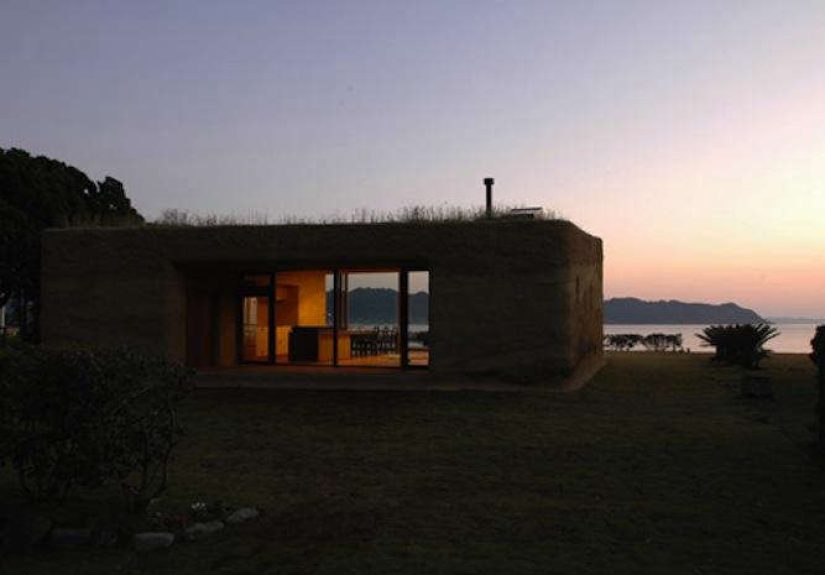
Picture this: you’re halfway up a stairwell that smells faintly like fresh lumber and new paint, following an architect who’s carrying a roll of drawings like it’s a ceremonial baton. The door at the top swings open, andsurprise!instead of a sea of black membrane and HVAC boxes, you step into a mini meadow. There are grasses doing their best “prairie in a breeze” impression, wildflowers popping like confetti, and a few bees acting like they own the place (to be fair, they kind of do).
Green roofs used to be the “cool idea” that lived in renderings. Now they’re a real, buildable, inspectable, maintainable building systemand when they’re designed well, they’re also a legitimate ecological upgrade. In this architect’s-visit-style guide, we’ll walk through how wildflower green roofs work, what makes them thrive (or flop), and how architects and homeowners can make smart choices that look effortless… after the hard parts are handled.
Why Green Roofs Keep Showing Up in Smart Building Conversations
A green roof (also called a vegetated roof, planted roof, eco-roof, or living roof) is a roof assembly that supports vegetation over a waterproofed structure. The headline benefits sound like a sustainability bingo cardstormwater, heat island, energy performance, habitatbut the details are where the value lives.
Stormwater control (the “slow down, roof” effect)
Plants and engineered growing media act like a sponge: they capture rainfall, hold it temporarily, and release it slowly through evapotranspiration and drainage. In cities where hard surfaces send water rushing into sewers, that slow-down can matterespecially for smaller rain events, where a green roof may capture a large share of the rainfall before anything runs off the edge.
Heat island relief (your roof doesn’t have to cosplay as a frying pan)
Traditional roofs can get extremely hot under summer sun. Vegetation cools by shading the surface and releasing water vapor. The result is a roof that’s generally kinder to the building, the neighborhood, and anyone who has ever tried to fix something on a rooftop in July.
Roof longevity and building comfort
By shielding waterproofing layers from UV exposure and extreme temperature swings, green roof assemblies can help reduce wear on the roof membrane. Add insulation effects (especially in summer) and you get a roof that can contribute to comfort and efficiencythough the exact results depend on climate, building type, and design.
Biodiversity, but make it practical
When you move beyond sedum-only carpets and intentionally design with flowering species, you can create real habitatparticularly for pollinators and urban wildlife. A wildflower roof won’t replace a nature preserve, but it can be a meaningful “stepping stone” in dense areas where every patch of living landscape counts.
The Anatomy of a Green Roof (What’s Under the Flowers)
If you only remember one thing, make it this: a green roof is a roof system first and a garden second. The plants are the visible layer, but the performance depends on everything underneath being correctly designed and installed.
Typical layers (top to bottom)
- Vegetation (sedums, grasses, wildflowers, or mixed plant communities)
- Growing media (engineered, lightweight, drainableusually not “backyard dirt”)
- Filter fabric (keeps fine particles from clogging drainage components)
- Drainage layer (moves excess water to drains; may include water retention cups)
- Root barrier (prevents aggressive roots from reaching the waterproofing)
- Protection course (adds mechanical protection to membrane)
- Waterproofing membrane (the true hero of the assembly)
- Roof deck/structure (engineered for dead load + saturated load + maintenance traffic)
This stack-up varies by manufacturer and project goals, but the concept stays the same: keep water where you want it, move water where you don’t, and protect the waterproofing like it’s a priceless artifact.
Extensive vs. Intensive: Where Wildflowers Fit
Green roofs are commonly grouped into two main types:
Extensive green roofs
These are the lighter, shallower systems designed more for performance and ecology than for rooftop picnics. They typically have a shallow media depth and use hardy, drought-tolerant plants. Extensive roofs are often the best match for retrofits and for projects that want stormwater and heat benefits without turning the roof into a full-scale rooftop park.
Intensive green roofs
These are deeper, heavier, and closer to what you’d call a roof garden. They can support a wider range of plants and sometimes public access, but they demand more structure, more maintenance, and more budget.
So… can wildflowers be “extensive”?
Yeswith strategy. Many wildflowers and native grasses need more root zone than the thinnest sedum systems. But designers often use a smart hybrid approach: keep most of the roof in a shallower profile, then create deeper “planting pockets” or gentle mounds (micro-topography) in targeted areas for wildflowers and bunchgrasses. This can improve habitat and seasonal beauty without automatically forcing a fully intensive design.
Designing for a Wildflower Roof: The Beautiful, Fussy Details
Wildflowers are not divas… but they do have standards. A successful wildflower green roof respects rooftop realities: wind, sun, shallow substrate, fast drainage, and wide temperature swings. Here’s what architects pay attention to.
1) Structure and saturated weight (aka “water is heavy”)
Green roofs must be engineered for dead loads and saturated conditions. Even lightweight media gains weight when wet. If you’re adding deeper pockets for wildflowers, those areas should be called out early so the structural engineer can design accordingly. A roof can be gorgeous and still fail the “physics test,” and physics is famously unimpressed by aesthetics.
2) Drainage that won’t clog (the silent performance killer)
Wildflower roofs often use a more diverse media mix than sedum mats, which can introduce more fines. That makes filtration and drain inspection especially important. Architects usually detail inspection boxes around roof drains so maintenance teams can clear debris without excavating a mini prairie every spring.
3) Wind, edges, and the “rooftop beach” problem
Roof edges are harsher microclimates: more wind, more drying, more temperature swing. Designers typically specify tougher plants near perimeters, add gravel borders (which also help with fire safety and maintenance access), and make sure the assembly is protected against wind scour.
4) Irrigation: temporary training wheels vs. permanent support
Many wildflower roofs need irrigation during establishment, even if the long-term goal is low-input. Think of it like teaching the roof to ride a bike: you may want training wheels for the first season or two. After roots establish, you can often reduce irrigationbut the decision should match your climate, plant palette, and maintenance capacity.
5) Planting method (plugs, trays, seed, or mats)
There’s no single best method. Plugs give you control and faster coverage than seed. Seed mixes can be cost-effective but require careful timing and weed management. Trays can offer predictability on larger projects. Architects choose based on budget, schedule, warranty constraints, and how patient the owner is willing to be (because nature runs on its own calendar).
Plant Palette Playbook: Wildflowers That Actually Make Sense on Roofs
Choosing plants for a green roof is less about what’s pretty in a catalog and more about what survives rooftop stress. Many designers lean toward regionally appropriate natives that tolerate sun, wind, and periodic drought. Below are examples of common “roof-friendly” categories and a few representative plants used in U.S. projects and municipal guidance lists.
Rooftop-friendly plant categories
- Succulents and stonecrops: dependable, drought-tolerant, great for shallow zones
- Low grasses and sedge-like plants: structure, movement, habitat value
- Compact, tough perennials: the wildflower “stars,” best in slightly deeper zones
- Strawberries and spreading groundcovers: good coverage and pollinator interest
Example mix ideas (by intent, not by hype)
“Meadow look, low drama” mix: sedums + a few native grasses + scattered long-blooming perennials. This keeps coverage reliable while still delivering seasonal flowers.
“Pollinator buffet” mix: stagger bloom times (spring to fall) with a mix of flowering perennials and a small percentage of sedum for resilience. The goal is continuous resources, not one big week of glory.
“Local native showcase” mix: a region-specific palette curated with local ecological expertise. This is where wildflower roofs get truly specialand also where maintenance planning must be honest.
A note on “native”: yes, but be specific
“Native” is not a magic word. A plant can be native to your state and still hate rooftops. The best approach is to use regional lists, local green roof research, andideallyprojects that have already succeeded in your climate zone.
Performance: What a Wildflower Green Roof Can Do (And What It Can’t)
Let’s talk outcomes without turning this into a sales pitch.
Stormwater retention and water quality support
Many green roofs reduce and slow runoff, which helps relieve peak stress on stormwater systems. Performance varies based on rainfall patterns, media depth, and roof type. Smaller storms are often where green roofs shine, while extreme events can exceed the storage capacity and drain like a conventional roofjust more slowly.
Temperature moderation
Vegetation generally keeps roof surfaces cooler than conventional materials. This can reduce heat-related stress on the roof assembly and may reduce cooling loads in some building types. Results depend heavily on climate, insulation levels, and how the building is used.
Habitat value (especially when flowers are involved)
Wildflower roofs can support bees, butterflies, and other beneficial insects. On larger projects, they can contribute to urban biodiversity and create meaningful habitat patchesparticularly if designed with diverse plant communities and maintained well enough to prevent “weed takeover.”
Maintenance: The Part Everyone Forgets Until the Weeds Move In
A green roof is not “set it and forget it.” It’s more like “set it, inspect it, and occasionally apologize to it.” Most maintenance problems are predictableand preventableif you plan for them.
What maintenance actually looks like
- Year 1–2 (establishment): irrigation management, weeding, replacing failed plugs, checking drains and edges
- Ongoing (seasonal): inspections, invasive plant removal, media erosion checks, fertilization only if needed
- After major storms: confirm drainage pathways, clear debris, check vulnerable edges
For public buildings and large roof portfolios, agencies often emphasize that neglected maintenance can wipe out expected benefits. A thriving green roof is a partnership between design, installation, and long-term care.
Four Real-World Roofs That Prove This Isn’t Just a Pinterest Mood Board
To ground this in reality, here are U.S. examples that illustrate different approaches and scales.
1) A factory roof the size of a neighborhood: Ford’s living roof (Dearborn, Michigan)
Ford’s Rouge facility popularized the idea that green roofs can be industrial-scale infrastructure. It’s a large living roof designed primarily for stormwater management, planted largely with hardy, low-growing vegetation suited to shallow systems. It’s a reminder that the “garden” part can be simple when the performance goals are clear.
2) A convention center that became habitat: the Javits Center green roof (New York City)
The Javits Center’s roof helped demonstrate that even mega-buildings can host functional green infrastructure. Ecological monitoring has documented wildlife use over time, showing how rooftop habitat can develop when it’s given scale and continuity.
3) A museum roof that acts like living landscape: California Academy of Sciences (San Francisco)
This project is famous for treating the roof as a designed ecosystem, using a high percentage of native plants and creating a roofscape that supports pollinators and adds significant educational value. It’s a strong example of “wildflowers with intention,” not just wildflowers as decoration.
4) A municipal proof-of-concept: Chicago City Hall’s green roof
Chicago’s early green roof projects helped push green roofing into mainstream U.S. building conversationsespecially around heat island reduction and stormwater benefits. It’s also an example of why monitoring matters: early pilots taught designers what worked, what didn’t, and what maintenance really costs.
An Architect’s Walkthrough Checklist (What to Look For on a Site Visit)
If you’re touring a green roofor planning onethese are the questions that separate “pretty roof” from “performing roof.”
Structure and waterproofing
- What is the roof’s load capacity for saturated media and maintenance traffic?
- What membrane is used, and how is it protected during installation?
- Is a root barrier included, and is it compatible with the membrane warranty?
Drainage and detailing
- Are drains accessible via inspection boxes?
- Is there a gravel border at edges and around penetrations?
- How is runoff routed during overflow events?
Planting strategy
- Is the plant palette matched to sun, wind exposure, and media depth?
- Are there deeper pockets for wildflowers and grasses where needed?
- What’s the plan for weeds and invasive species?
Maintenance reality
- Who is responsible for maintenance, and what’s the schedule?
- Is irrigation temporary or permanentand who manages it?
- What’s the access plan for crews and safety tie-offs?
Budget and ROI: A Quick, Honest Reality Check
Green roofs usually cost more upfront than conventional roofs because you’re building a layered system with specialized components and labor. But value can show up in multiple ways: stormwater compliance, roof longevity, occupant comfort, and ecological benefits. The biggest ROI risk is simple: underfunded maintenance. If the plants fail and drains clog, you don’t just lose the meadowyou lose the performance you paid for.
Conclusion: The Roof as Landscape (Not Just a Lid)
A wildflower green roof is one of the rare building features that can be simultaneously beautiful, technical, and meaningful. It’s architecture that behaves like ecologycapturing water, cooling surfaces, and making room for life in places that used to be dead space. The secret is not “more plants.” The secret is better systems: strong waterproofing, smart drainage, right-sized media depth, climate-appropriate plant choices, and maintenance that treats the roof like the living thing it is.
If you’re planning your own “architect’s visit,” bring two things: a notebook for details, and a willingness to be delighted by a roof that looks back at you in flowers.
Experience Notes: What an Architect’s Visit to a Wildflower Roof Feels Like (500+ Words)
The funny thing about stepping onto a wildflower roof is how quickly your brain forgets you’re standing on a building. Your eyes do the usual scanedge, parapet, skylinethen they drop to the plants, and suddenly you’re in “meadow mode.” It’s not dramatic like a mountain vista; it’s quieter, more intimate. You notice the small stuff: tiny blooms the size of pencil erasers, seed heads catching light, grasses bending like they’re listening to wind gossip.
On a good roof, there’s a sense of layeringnot just in the construction assembly (though yes, the architect will absolutely point at the section drawing and get excited), but in the planting design. The best wildflower roofs feel like they were composed, not scattered. You might see tougher, low-growing plants near the edges where wind is harsher, then slightly taller flowering plants inboard where conditions are calmer. An architect may call it “microclimate zoning.” A normal person might call it “wow, it looks like it belongs here.” Both are correct.
Then there’s the soundscape. People don’t expect a roof to have a soundtrack, but it does. If the roof is alive, you’ll hear it: a soft rustle, a faint insect hum, maybe even birds if the roof is large enough to be worth their time. It’s a subtle reminder that green roofs aren’t just aesthetic upgradesthey’re habitat opportunities. When wildflowers are part of the mix, you often see more movement: pollinators doing their routes, tiny predators hunting, and the occasional “I can’t believe that’s up here” moment.
Most architect-led visits include an honesty breakusually right after someone says, “So it just takes care of itself?” That’s when the architect smiles in the gentle way professionals do when they’re about to save you money and heartbreak. They’ll explain establishment: the first year when plants need extra attention, when irrigation might run more often than you expected, and when weeds arrive like uninvited party guests who refuse to leave. They’ll point out drain inspection boxes and gravel borders, not because those are pretty, but because those details keep the pretty parts alive. This is also where you learn the true meaning of “low maintenance”: it doesn’t mean “no maintenance,” it means “maintenance that’s predictable and not terrifying.”
If you’re visiting a roof that’s been around for a few seasons, you’ll also see how time edits the design. Some plants thrive and spread. Others politely fade out. A few surprise contenders show up and earn a permanent role. A wildflower roof is never frozen in time the way a hardscape patio is; it’s more like a living mural that repaints itself every year. Good designers plan for that and choose mixes that can adapt without turning into chaos.
And yes, there’s always one moment when someone (usually the most practical person in the group) asks: “Okay, but does it actually do anything?” That’s when you talk about rainfall capture, slowed runoff, and cooler roof surfaces. But on the roof itself, the proof feels less like a spreadsheet and more like a vibe: the air seems calmer, the surface doesn’t radiate heat the way conventional roofs do, and the building suddenly feels like it’s participating in the environment instead of resisting it.
The best takeaway from an architect’s visit isn’t just inspirationit’s clarity. You walk away understanding that a wildflower roof is equal parts design, engineering, and stewardship. It’s a roof you can fall in love with, as long as you also respect the unglamorous parts: drainage, access, inspections, and seasonal care. In return, you get something rare: architecture that blooms.