Table of Contents >> Show >> Hide
- Start with a Plan: How Will You Use Your Backyard?
- Design Smart Zones in Your Yard
- Pick the Right Surfaces, Shade, and Structures
- Light the Night: Backyard Lighting that Actually Works
- Fire, Heat, and Water: Comfort in Every Season
- Furniture, Storage, and Decor That Can Take a Beating
- Beat the Bugs and Tame the Weather
- Safety and Maintenance: The Unsexy Stuff That Saves Your Weekend
- Real-World Backyard Entertaining Experiences
- Bring It All Together
If your living room had a secret twin, it would be your backyard. The difference is that the backyard comes with fresh air, birdsong, and the occasional rogue volleyball. With a little planning, you can turn even a so-so yard into an outdoor entertaining space that works as hard as you dowithout needing a resort budget or a TV makeover crew.
This guide walks through how to design a backyard entertaining space in true Family Handyman style: smart planning, practical materials, and plenty of DIY-friendly upgrades. We’ll talk layout, lighting, fire pits, furniture, bug control, and the unglamorous safety details that keep your gathering from turning into a trip to urgent care.
Start with a Plan: How Will You Use Your Backyard?
Before you buy a single string light or patio chair, decide what you actually want this space to do. Backyard “mission creep” is realone minute you’re dreaming about a simple grill zone, the next you’ve sketched a full-blown outdoor kitchen with pizza oven, hot tub, and putting green.
- Dining and grilling: Do you host big family cookouts or small, relaxed dinners?
- Lounge and conversation: Do you want a spot for long chats around a fire pit or game nights with friends?
- Kid central: Do you need clear play space for kids (or dogs who think they’re kids)?
- Screen time outside: Planning to watch the big game on an outdoor TV or projector?
Pick your top two priorities and design around those. That keeps the layout focused and helps you spend where it matterson things like seating, weather protection, and quality surfacesrather than random impulse buys.
Design Smart Zones in Your Yard
The best backyard entertaining spaces use zones: small, purposeful areas that each do one job really well. Think of them as “rooms without walls.”
1. Dining and Grilling Zone
Your dining zone doesn’t need a fancy outdoor kitchen to work beautifully. It just needs three basics: a level, durable surface; a path to the indoor kitchen; and enough space to pull chairs out without elbowing someone into the bushes.
- Place it close to the house for easy food runs and less juggling of hot dishes.
- Allow traffic flow around the table, not through itaim for at least 3 feet behind chairs.
- Keep the grill away from siding and railings, and give it a clear zone so guests aren’t standing in the smoke.
If you’re dreaming bigger, add a simple counter or cart near the grill, or build a small masonry or paver pad to define a future outdoor kitchen. That alone makes the space feel more intentional and polished.
2. Lounge and Conversation Area
This is where people inevitably end up hanging out once the food is done. A good lounge area is all about comfort and sightlines.
- Arrange furniture in a U or L shape so everyone can see each other and the fire pit, TV, or view.
- Mix seating types: a sofa or sectional, a couple of sturdy chairs, and maybe a bench that can double as extra seating.
- Add side tables and a coffee table so guests have a safe landing place for drinks and plates.
If space is tight, think small-scale: two deep chairs, a compact loveseat, and a fire bowl can make even a narrow side yard feel like a cozy outdoor living room.
3. Play, Games, and Flex Space
You don’t need a giant lawn to create a fun zone. Leave a clear patch of grass or compacted gravel where you can set up cornhole boards, a portable fire pit, or a kid’s inflatable pool. The key is flexibilitythis is the area that constantly changes with the season and the guest list.
Use simple markers like pavers, low planters, or outdoor rugs to visually separate this “action area” from your calmer lounge space so flying Frisbees don’t become an extreme sport.
Pick the Right Surfaces, Shade, and Structures
Your yard doesn’t have to be perfectly flat and paved, but the surfaces should be safe, durable, and friendly to chair legs and high heels alike.
Patio vs. Deck vs. Hybrid
- Patios (pavers, concrete, or stone) are sturdy, low-maintenance, and great for grills, fire pits, and dining areas.
- Decks shine where the yard slopes or where you want the entertaining area flush with your interior floor level.
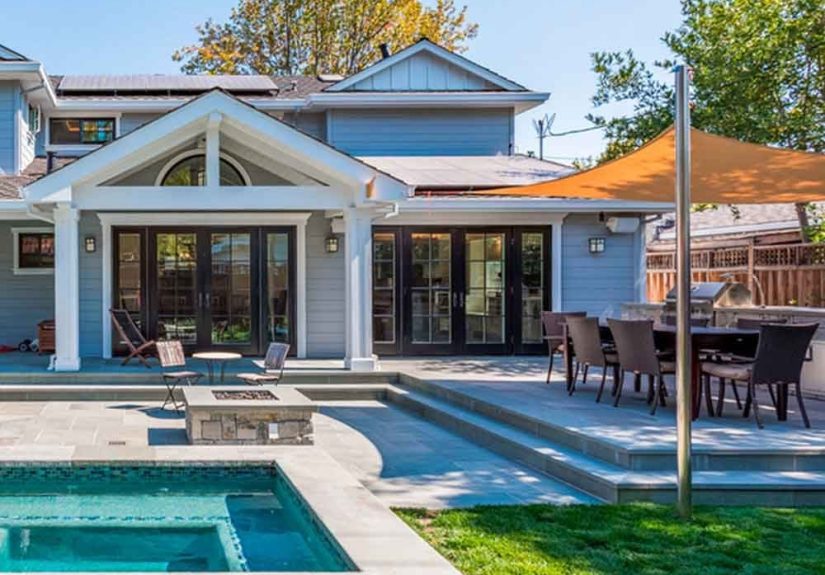
- Hybrid setupsa small deck off the house, stepping down to a patiocreate natural level changes and visual drama without feeling chopped up.
Whatever you choose, make sure the surface drains well so you don’t end up with puddles under your table or icy patches come winter.
Pergolas, Lanais, and Covered Spaces
Shade is not a luxury; it’s the difference between “relaxing on the patio” and “slowly roasting like the chicken on the grill.” Consider:
- Pergolas for dappled shade and a structure to hang lights or curtains from.
- Gazebos or covered patios for full protection in hot or rainy climates.
- Retractable awnings, shade sails, or umbrellas as budget-friendly options that still look finished.
In warm regions, a lanai-style covered porch with screens can act as a true outdoor living roombug-free, cooled by ceiling fans, and usable nearly year-round.
Light the Night: Backyard Lighting that Actually Works
Good lighting does three jobs: sets the mood, keeps people safe, and lets you actually see what you’re eating. Plan it in layers rather than relying on one blinding floodlight mounted to the house.
Ambient Lighting
String lights, lanterns, and wall sconces give your yard that instant “vacation rental” vibe. Zig-zag string lights over a patio, wrap them around a pergola, or hang them from shepherd’s hooks along the edge of the seating area. Warm white bulbs feel inviting; cool white can make your yard look like a parking lot.
Task and Safety Lighting
- Path lights along steps, changes in elevation, and key walkways.
- Downlights or a simple pendant above the dining table so guests can see their food and their cards during game night.
- Subtle lighting near the grill so you’re not guessing whether the burgers are done by smartphone flashlight.
Solar stake lights are great for easy upgrades, but for main walkways and decks, hard-wired or low-voltage lighting is more reliable and brighter.
Fire, Heat, and Water: Comfort in Every Season
A great entertaining space has at least one “magnet” that pulls people outside no matter the temperature.
Cozy Fire Features
Fire pits and outdoor fireplaces are crowd favorites for a reason: they extend the season, create instant ambiance, and give everyone an excuse to roast marshmallows like they’re 10 again.
- Wood-burning fire pits offer classic campfire crackle but require more maintenance and stricter clearance from structures.
- Gas fire tables or linear burners are easier to light, cleaner, and often allowed where wood fires are restricted.
- Portable fire bowls are a solid choice for renters or small patios.
Always check local codes and HOA rules for fire pit placement, and keep a metal lid, sand, or extinguisher nearby, just in case.
Water Features for the Win
A big swimming pool is nice, but even a small fountain, bubbling urn, or wall-mounted spout can add that soothing soundscape that makes your backyard feel like a vacation. Place water features where you can see and hear them from the main seating area, not buried in a far corner.
Furniture, Storage, and Decor That Can Take a Beating
Outdoor furniture needs to be tougher than your indoor stuff. It has to survive sun, rain, pollen, barbecue sauce, and the occasional dropped hot dog. Choose pieces that are more “workwear” than “runway.”
- Frames: Powder-coated metal, teak, or high-quality resin hold up well outside.
- Cushions: Look for quick-dry foam, removable washable covers, and UV-resistant fabric.
- Tables: Opt for sturdy bases that won’t tip when someone leans in for the guacamole.
To keep everything from migrating around the yard, add storage: a deck box for cushions, hooks for grilling tools, and a small cabinet or cart for outdoor dishes and napkins. The easier it is to reset the space, the more often you’ll use it.
Style-wise, repeat colors and materials from inside your homeif your living room leans warm and modern, echo that with similar tones in pillows, outdoor rugs, and planters. It creates a seamless indoor-outdoor flow that feels intentional, not random.
Beat the Bugs and Tame the Weather
Nothing clears a backyard party faster than mosquitoes, wasps, or a surprise downpour. A few simple habits go a long way.
Bug Control Basics
- Clean up spills and food scraps quickly so you’re not hosting ants and wasps along with your friends.
- Add insect-repelling plantsrosemary, lavender, lemongrass, marigoldsnear seating areas.
- Use citronella candles or torches for a little extra protection and atmospheric glow.
- Dump standing water in buckets, saucers, or toys where mosquitoes love to breed.
Weather Backups
Even if you don’t have a permanent roofed structure, keep a pop-up canopy or party tent on standby for truly hot or rainy days. Pair that with a few throw blankets and a portable propane heater or two, and your “outdoor season” just expanded by a couple of months.
Safety and Maintenance: The Unsexy Stuff That Saves Your Weekend
This is the part no one posts on Instagrambut it’s what keeps you entertaining year after year without major headaches.
- Inspect decks and railings annually for rot, loose fasteners, and wobbly posts.
- Check paver patios for trip hazards and re-level any sunken spots.
- Keep grills and fire features away from overhangs, siding, and low branches.
- Use outdoor-rated extension cords and outlets with GFCI protection for lights, heaters, or an outdoor TV.
- Seal wood and concrete surfaces as needed to reduce staining and weather damage.
Spending an afternoon on maintenance in spring beats spending a summer weekend fixing a collapsed railing or dealing with drainage issues you ignored during last year’s storms.
Real-World Backyard Entertaining Experiences
Design rules are helpful, but nothing beats real-life backyard lessonsthe kind you only learn after you’ve grilled 40 burgers in a thunderstorm or watched your carefully staged seating area sit empty while everyone crowds into the one corner with shade.
The Tiny Yard That Hosts Big Parties
One homeowner with a compact city lot wanted to host friends without making everyone feel like they were standing in a hallway. The solution was a narrow deck right off the kitchen that stepped down to a small paver patio.
They used a slim café table near the door for quick breakfasts, then added a built-in bench along the fence with storage underneath. A couple of compact lounge chairs and a portable fire bowl rounded out the space. When guests arrive, the chairs rotate toward the fire, and the bench becomes “base camp” for kids, snacks, and that one friend who always brings three extra people.
The lesson: even tiny yards can entertain beautifully if you focus on traffic flow and flexible furniture instead of trying to cram in a full-size dining set.
The Family That Needed Zones (and a Referee)
Another family loved hosting barbecues but found every party turned into chaos: kids cutting through the grill area, adults dodging soccer balls, and no clear spot for people to land with their plates. They rearranged the yard around three clear zones:
- Food and fire: grill and dining table on a concrete slab close to the house.
- Adult lounge: sectional, fire table, and low lighting on a paver patio off to the side.
- Kid and game zone: the flattest part of the lawn, with a designated cornhole strip and small play structure.
They added one simple rule: no running through the dining or grill zone. Instead, kids looped behind the lounge area to get from one side of the yard to the other. The result was fewer near-misses with hot food and a calmer atmosphere without sacrificing fun.
Cold-Weather Chili Nights
A couple in a cooler climate didn’t want to give up on outdoor entertaining once autumn rolled in. Instead of packing everything away in September, they leaned into “sweater season.” They installed a small gas fire table, picked up a portable propane heater, and stocked a deck box with fleece blankets and extra hats and mittens.
Now they host “chili and s’mores” nights: a big pot of chili on the stove inside, hot drinks in stainless tumblers, and dessert around the fire outside. Guests know to dress warmly, but the combination of heat sources and wind-blocking privacy screens makes it surprisingly comfortable. The bonus? Fall gatherings feel special because everyone else has already moved indoors.
The takeaway: if you design with your local climate in mindwind direction, average temps, sun patternsyou can stretch your outdoor season much longer than you think.
What Backyard Hosts Say Really Matters
Talk to people who entertain a lot, and you’ll hear the same priorities repeat:
- Comfortable seating trumps fancy decor every time.
- Good lighting and bug control are non-negotiable.
- A clear path between kitchen, grill, and table makes everything easier.
- Weather backupsa tent, umbrellas, extra blanketsare worth every penny.
In short, the most successful backyard entertaining spaces aren’t necessarily the most expensive or most perfectly styled. They’re the ones designed around how people really gather, eat, talk, and play.
Bring It All Together
Creating a backyard entertaining space doesn’t require a full remodel or lottery win. Start by deciding how you want to use the space, then layer in practical surfaces, smart zones, comfortable seating, and simple lighting. Add a fire feature or small water element as a focal point, protect everyone from bugs and bad weather, and stay on top of basic maintenance.
Before long, you’ll find the party naturally drifting outsideand your “just a backyard” will feel like the best room at your house.