Table of Contents >> Show >> Hide
- Why This Is the Best Baked Pork Chops Recipe
- Ingredients for Best Baked Pork Chops
- How to Make the Best Baked Pork Chops
- How Long to Bake Pork Chops?
- Safe Internal Temperature for Pork Chops
- Flavor Variations
- Best Side Dishes to Serve with Baked Pork Chops
- Common Mistakes to Avoid
- 500-Word Experience: Making Baked Pork Chops Actually Foolproof
- Conclusion
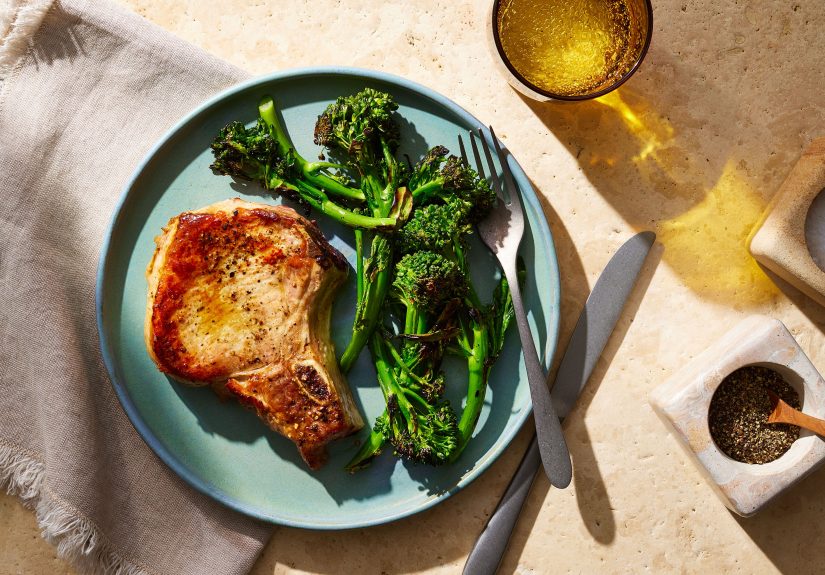
If you’ve ever turned a gorgeous pork chop into something that could patch drywall, this recipe is your redemption arc. The best baked pork chops are juicy, tender, and lightly caramelized on the outsidenot pale, dry, and tragic. With a few simple tricks used by pros and serious home cooks, you can turn a humble pack of chops into a weeknight dinner that feels restaurant-level.
In this guide, you’ll get a step-by-step, oven-baked pork chops recipe plus the science behind why it works: choosing the right cut, how long to bake pork chops, the best temperature for baking, and how to check doneness like a pro. We’ll also add flavor variations and practical tips so this becomes your go-to, “I’ve got this” pork chop formula.
Why This Is the Best Baked Pork Chops Recipe
Plenty of recipes promise juicy oven-baked pork chops, but many skip key detailslike thickness, resting time, or internal temperaturethat actually make or break the dish. This version pulls together best practices used by recipe developers and food safety experts across multiple U.S. cooking sites and USDA guidelines.
- Thick-cut chops for juiciness: Using chops at least 1 inch thick helps prevent overcooking and drying out.
- Quick seasoning + optional brine: Basic pantry spices plus an (optional but amazing) brine keep the meat flavorful and moist.
- High-heat roasting: Baking at 400°F creates nicely browned, tender chops in under 30 minutes for most home ovens.
- Perfect internal temperature: We cook pork chops to about 145°F with a rest, following current USDA guidance for safety and tenderness.
- Beginner-friendly and flexible: The method works for bone-in or boneless chops with simple flavor swaps.
Ingredients for Best Baked Pork Chops
The Pork
- 4 pork chops, 1–1.25 inches thick (bone-in or boneless, center-cut preferred)
Basic Seasoning Mix
- 2 tablespoons olive oil or melted butter
- 1.5 teaspoons kosher salt
- 1 teaspoon black pepper
- 1 teaspoon garlic powder
- 1 teaspoon onion powder
- 1 teaspoon smoked or sweet paprika
- 1 tablespoon brown sugar (optional, for light caramelization)
- 1/2 teaspoon dried thyme or Italian seasoning (optional)
Optional Quick Brine (Highly Recommended)
If you have 30 minutes to an hour, a quick brine can dramatically improve juiciness, especially for lean supermarket chops.
- 4 cups cold water
- 1/4 cup kosher salt
- 2 tablespoons sugar (optional)
How to Make the Best Baked Pork Chops
Step 1: Brine (Optional, but Really Good)
Brining is like giving your pork chops a spa day. Dissolve the salt (and sugar if using) in the water, then submerge the chops. Chill 30 minutes up to 4 hours. This helps the meat hold on to moisture during baking.
When you’re ready to cook, remove the chops from the brine, rinse quickly, and pat them very dry with paper towels. Dry chops brown better and cook more evenly.
Step 2: Bring Chops Toward Room Temperature
Let the chops sit out for about 20 minutes while you preheat the oven. Taking the chill off helps them cook more evenly from edge to center and reduces the risk of a dry outer layer.
Step 3: Preheat the Oven
Preheat your oven to 400°F (204°C). Many modern recipes recommend baking pork chops between 375°F and 425°F; 400°F is a sweet spot for browning without overcooking, especially with thicker cuts.
Step 4: Season Generously
In a small bowl, mix the salt, pepper, garlic powder, onion powder, paprika, brown sugar, and dried herbs. Rub the chops on both sides with olive oil or melted butter, then coat with the spice mixture. Press the seasoning into the meat so it sticks.
Don’t be shy with seasoningpork is mild, and this is where most of the flavor is coming from.
Step 5: Arrange in the Pan
Place the pork chops in a single layer in a lightly greased baking dish or sheet pan. Leave a little space between each chop; if they’re crowded, they’ll steam instead of brown.
Step 6: Bake to the Right Internal Temperature
Slide the pan into the preheated oven and bake:
- For 1-inch thick boneless chops: about 15–20 minutes.
- For 1–1.25 inch bone-in chops: about 20–25 minutes.
Oven times vary, so don’t rely on the clock alone. Use an instant-read thermometer inserted into the thickest part of the chop (not touching bone). You’re aiming for about 140–145°F when you pull them out; they’ll rise a bit as they rest.
Step 7: Rest Before Serving
Transfer the chops to a plate or cutting board and loosely tent with foil. Let them rest for 5–10 minutes. This step allows juices to redistribute so they end up on your platenot on your cutting board.
How Long to Bake Pork Chops?
The exact baking time depends on thickness, whether the chops are bone-in or boneless, and how hot your oven runs. In general, for oven temperatures between 375°F and 400°F:
- 3/4-inch chops: 12–18 minutes
- 1-inch chops: 15–25 minutes
- Thicker than 1.25 inches: 25–30+ minutes (sometimes better finished with a quick sear or broil)
Think of time as a suggestion and temperature as the law. Once your chops get close to done, start checking them every few minutes. It’s shockingly easy to go from juicy to “why is this chewing like a rubber band?”
Safe Internal Temperature for Pork Chops
Old-school wisdom used to insist on cooking pork until it was completely white and dry. Modern food safety guidelines are kinder to your taste buds. For whole cuts like pork chops, the recommended safe minimum internal temperature is 145°F (63°C) with a brief rest time. That may leave the center slightly pink, and that’s okay as long as the temperature is correct.
A digital meat thermometer is your best friend here. Insert it into the thickest part of the chop, avoiding any bone. Once it hits 145°F (or slightly below if you know it will rise while resting), you’re golden.
Flavor Variations
Once you’ve mastered the basic method, you can remix the seasoning to match your mood or what’s in your pantry.
Garlic Herb Pork Chops
- Skip the paprika and brown sugar.
- Add extra garlic powder or fresh minced garlic.
- Use dried rosemary, thyme, and oregano.
- Finish with a squeeze of lemon juice after baking.
Honey Mustard Pork Chops
- Whisk together 2 tablespoons Dijon mustard, 1 tablespoon honey, 1 tablespoon olive oil, and a pinch of salt and pepper.
- Brush on the chops after seasoning with salt and pepper only.
- Bake as directed, brushing again halfway through if you like a thicker glaze.
Smoky BBQ-Style Pork Chops
- Increase smoked paprika and brown sugar.
- Add a pinch of chili powder or cayenne.
- Brush with your favorite BBQ sauce during the last 5 minutes of baking and broil briefly for a sticky finish.
Best Side Dishes to Serve with Baked Pork Chops
A good pork chop plays well with lots of sides. Some easy pairings:
- Roasted vegetables: Brussels sprouts, carrots, or green beans tossed in olive oil and roasted on a second pan.
- Mashed potatoes or cauliflower mash: Perfect for catching any stray juices.
- Rice or quinoa pilaf: A simple, neutral base.
- Apple slaw or sautéed apples: Pork + apples = classic comfort food combo.
- Simple salad: Something crunchy and acidic to balance the richness.
Common Mistakes to Avoid
- Using thin, supermarket-style chops: These dry out quickly. If that’s all you have, lower the oven temperature slightly and start checking very early.
- Skipping the thermometer: Guessing by color alone can lead to overcooked or undercooked meat.
- Not resting the meat: Cutting into chops the second they exit the oven is a fast way to lose juiciness.
- Under-seasoning: Pork is mild. Salt and spices are your flavor-lifting squad.
500-Word Experience: Making Baked Pork Chops Actually Foolproof
The first time many people bake pork chops, they follow the directions on the package or whatever recipe pops up first in a search, and the result is… underwhelming. That’s usually because the instructions don’t account for three huge variables: thickness, oven quirks, and fear of pink pork.
Thickness is the silent saboteur. A recipe might casually say “bake for 20 minutes,” but that could be way too long for a 3/4-inch chop and not enough for one that’s an inch and a half thick. That’s why experienced home cooks talk about baking “until 145°F” more than they talk about minutes. When you start thinking in terms of internal temperature instead of time, your pork chops instantly get more predictable.
Ovens aren’t perfect either. Some run hot, some run cool, and a few are basically chaos with a door on the front. If you’ve ever followed a recipe exactly and still burned the edges or ended up with underdone meat, your oven might be the culprit. One simple habit that helps is to start checking a few minutes earlier than the recipe’s minimum time. You learn how fast your oven cooks and can adjust mentally after a couple of tries.
Then there’s the pink pork fear. For years, people believed pork had to be cooked until it was completely white and firm to be safe. That mindset made sense decades ago, but modern safety standards and better farming practices have changed the game. Now, cooking whole pork cuts to 145°F with a rest is considered safe, even if there’s a little blush in the center. Shifting to that newer guideline is a big part of why modern pork recipes focus on words like “juicy” and “tender” instead of “chew thoroughly and hope for the best.”
In real life, the best baked pork chops usually come from a blend of simple science and small, thoughtful habits. Maybe you start brining chops when you have time, or maybe you just remember to pat them dry so they brown better. Maybe you experiment with different seasoning blends and discover that a touch of brown sugar and smoked paprika gives you that “did someone secretly grill these?” flavor, even though they never leave the oven.
Over time, you build your own personal pork chop playbook. You learn that your oven does best at 400°F rather than 425°F. You figure out that your household’s favorite version leans more garlicky and a little spicy. You notice that resting the chops really does make a difference, even when everyone is hungry and circling the kitchen like sharks.
Once you’ve made this recipe a couple of times, it stops feeling like a “follow every word” situation and becomes more of a flexible framework. That’s when cooking gets fun. You can decide to swap in a maple-mustard glaze, or pair the chops with roasted sweet potatoes and apples for a full fall-style tray bake, and still trust that the basic method will hold up. The chops will still hit 145°F, still rest, and still come out juicy.
So if you’ve ever sworn off baking pork chops because they turned out dry, give this approach a try. A few smart tweaksthicker chops, a decent thermometer, good seasoning, and that magic 145°F targetare usually all it takes to turn pork night from “ugh, remember the shoe-leather incident?” into “can we make this again next week?”
Conclusion
The best baked pork chops recipe isn’t complicated, but it is intentional. Choosing thick chops, seasoning them well, baking at the right temperature, and aiming for a juicy 145°F internal temp makes all the difference. Once you get comfortable with this method, you can customize flavors endlessly while staying confident that the texture and doneness will be spot-on every time.