Table of Contents >> Show >> Hide
- What makes a flavoured gin worth buying in 2025?
- Best flavoured gins in the UK for 2025
- 1. Jaffa Cake Gin: best dessert-inspired flavoured gin
- 2. Warner's Rhubarb Gin: best classic British fruit gin
- 3. Malfy Gin Con Limone: best lemon gin
- 4. Four Pillars Bloody Shiraz Gin: best wine-influenced flavoured gin
- 5. Whitley Neill Raspberry Gin: best easygoing berry gin
- 6. Caorunn Scottish Raspberry Gin: best premium raspberry gin
- 7. Edinburgh Gin Plum & Vanilla: best gin liqueur-style option
- 8. Boutique-y Gin Company Spit-Roasted Pineapple Gin: best tropical gin
- 9. Sipsmith Zesty Orange Gin: best orange gin
- 10. Gordon's Morello Cherry Gin: best supermarket cherry gin
- 11. Bathtub Grapefruit & Rosemary Gin: best herbal citrus gin
- 12. Four Pillars Olive Leaf Gin: best savory olive-style gin
- How to choose the best flavoured gin for your taste
- Best mixers and garnishes for flavoured gin
- Are flavoured gins still worth buying in 2025?
- Personal tasting experience: what drinking flavoured gin in 2025 actually feels like
- Conclusion
- SEO Tags
Flavoured gin has grown up. Yes, there are still bottles that taste like a sweet shop had a very chaotic Saturday night, but the best flavoured gin in 2025 is more balanced, botanical, and useful in real drinks. Think sharp rhubarb, sunlit lemon, raspberry with proper juniper, chocolate-orange Jaffa Cake nostalgia, and even olive-leaf gin built for a savory Martini.
For UK gin drinkers, this is good news. The category is no longer just “pink gin plus lemonade and hope.” The strongest bottles now offer a clear flavor idea, a sturdy gin backbone, and enough versatility to work in a G&T, spritz, Negroni, Martini, or simple highball. In other words, they deserve shelf space, not just a guest appearance at a barbecue.
What makes a flavoured gin worth buying in 2025?
A good flavoured gin should still taste like gin. That means juniper should be present, even if the headline flavor is lemon, raspberry, plum, pineapple, cherry, honey, olive leaf, or chocolate orange. If the bottle tastes more like syrup than spirit, it may be fun for one glass, but it probably will not become your house pour.
The best flavoured gins in the UK right now tend to share three qualities: balance, aroma, and mixability. Balance means the fruit, herb, spice, or dessert note does not flatten everything else. Aroma matters because gin is highly botanical; half the pleasure arrives before the first sip. Mixability matters because most people are not sipping gin neat like a Victorian detective with a difficult case.
In 2025, the trend is especially interesting because sweet, fruity gins are being joined by more grown-up savory styles. Olive leaf, rosemary, grapefruit, herbal honey, and even wine-influenced gins are pushing the category away from novelty and closer to cocktail-bar thinking.
Best flavoured gins in the UK for 2025
1. Jaffa Cake Gin: best dessert-inspired flavoured gin
Jaffa Cake Gin sounds like a dare someone made at 11:58 p.m., but it works because the idea is surprisingly coherent. Orange peel, cocoa, juniper, and real Jaffa Cake character come together in a bottle that leans nostalgic without becoming childish. The best versions of chocolate-orange gin succeed when the citrus stays bright and the cocoa behaves more like dark chocolate than melted candy.
Serve it with light tonic if you want the orange to lift, or use it in a Negroni if you enjoy bitter orange and cocoa notes. A slice of orange is more useful than a pile of garnishes. A Jaffa Cake on the rim is funny once; after that, it becomes engineering.
2. Warner’s Rhubarb Gin: best classic British fruit gin
Rhubarb remains one of the most reliable flavors in British gin because it brings natural tartness. Warner’s Rhubarb Gin is a strong example of why the style endures: the fruit is sharp, fresh, and garden-like rather than jammy. It works well for drinkers who want fruit without feeling as if they have accidentally ordered dessert before dinner.
Pair it with premium tonic, ginger ale, or soda and a squeeze of lime. It is also excellent in a simple spritz with sparkling wine, especially if you prefer your summer drinks crisp rather than syrupy.
3. Malfy Gin Con Limone: best lemon gin
Malfy Gin Con Limone is built for people who believe citrus should enter the room wearing sunglasses. It brings a bright lemon profile inspired by Italian citrus, with enough gin structure to avoid tasting like alcoholic lemonade. For warm-weather drinking, it is one of the easiest bottles to recommend.
Use it in a G&T with Mediterranean tonic, a Collins with fresh lemon juice and soda, or a simple Martini variation with a citrus-forward dry vermouth. The key is restraint: if the gin already tastes like lemon, you do not need to garnish it with half a fruit bowl.
4. Four Pillars Bloody Shiraz Gin: best wine-influenced flavoured gin
Four Pillars Bloody Shiraz Gin has become a modern favorite because it combines gin with the plush fruit and spice of Shiraz grapes. The result is deep in color, juicy on the nose, and surprisingly flexible. It is not a traditional berry gin, and that is exactly the point.
Try it in a Bramble-style cocktail, topped with soda, or mixed with sparkling wine for a dramatic spritz. It also suits drinkers who usually say they prefer red wine but mysteriously become interested when the gin bottle looks like it has been dressed for a velvet dinner party.
5. Whitley Neill Raspberry Gin: best easygoing berry gin
Raspberry gin can go wrong quickly. Too much sweetness and it becomes cough syrup wearing perfume. Whitley Neill Raspberry Gin is popular because it delivers recognizable berry flavor while keeping enough spice and juniper in the background. It is approachable, widely available, and friendly to mixers.
Serve with tonic for a sharper drink or lemonade for a sweeter crowd-pleaser. Add fresh raspberries only if they look good; tired berries floating in gin have the emotional energy of a canceled picnic.
6. Caorunn Scottish Raspberry Gin: best premium raspberry gin
For a more refined raspberry profile, Caorunn Scottish Raspberry Gin is a standout. It brings the freshness of red fruit while maintaining the clean, aromatic style associated with Scottish gin. It feels polished rather than loud, which makes it useful for drinkers who want flavor but not neon drama.
Use it with tonic, soda, or in a Clover Club variation. The raspberry note plays beautifully with lemon and a light foamy texture, creating a cocktail that feels elegant without requiring a degree in mixology.
7. Edinburgh Gin Plum & Vanilla: best gin liqueur-style option
Edinburgh Gin Plum & Vanilla sits closer to the liqueur side, so it is best judged as a sweet, lower-ABV treat rather than a classic dry gin. Plum brings ripe fruit, while vanilla adds roundness and warmth. It is the bottle to open when you want something soft, fragrant, and easy to mix with sparkling wine.
Use it in a spritz, pour it over ice, or add a small measure to prosecco. Because it is sweeter, it does not need much help. If you add lemonade, go gently unless you want your glass to taste like a fruit crumble joined a marching band.
8. Boutique-y Gin Company Spit-Roasted Pineapple Gin: best tropical gin
Pineapple gin sounds like it should be ridiculous, and to be fair, it is a little ridiculous. Fortunately, it is ridiculous in the right way. A good pineapple gin brings roasted fruit, caramelized edges, and tropical brightness while keeping enough botanical bite to stop the drink from becoming a beach umbrella in liquid form.
This style works well with soda, tonic, ginger beer, or in a gin sour. It is especially good for parties because it tastes distinctive without needing complicated ingredients. Add lime, ice, and a tall glass, and the job is mostly done.
9. Sipsmith Zesty Orange Gin: best orange gin
Sipsmith Zesty Orange Gin is a smart choice for people who like citrus but want a drier, more classic profile than full dessert gin. Orange is a natural partner for juniper, coriander, and spice, so the flavor feels integrated rather than pasted on.
It is excellent with tonic, in a Negroni, or in a gin and soda with a twist of orange peel. If Jaffa Cake Gin is the playful chocolate-orange cousin, this is the tidier relative who owns matching glassware and knows where the bottle opener is.
10. Gordon’s Morello Cherry Gin: best supermarket cherry gin
Gordon’s Morello Cherry Gin offers a convenient and affordable route into cherry-flavored gin. Morello cherry gives the drink a sweet-tart profile that can work nicely with tonic, lemonade, or cola-style mixers. It is not the most complex bottle on the shelf, but it knows exactly what it is doing.
Use it for casual mixed drinks, picnic cocktails, or a fruity Bramble twist. It is a good reminder that the best flavoured gin is not always the most expensive; sometimes it is the bottle that disappears first at a family gathering.
11. Bathtub Grapefruit & Rosemary Gin: best herbal citrus gin
Grapefruit and rosemary are a clever pairing because they pull gin in two directions at once: bright and bitter on one side, herbal and savory on the other. Bathtub’s version suits drinkers who want a flavored gin with more edge and less sugar.
Serve it with plain tonic and a grapefruit wedge, or try it in a Martini-style serve with a small splash of dry vermouth. Rosemary can become bossy, so keep garnishes simple. One sprig is elegant; a shrub in the glass is landscaping.
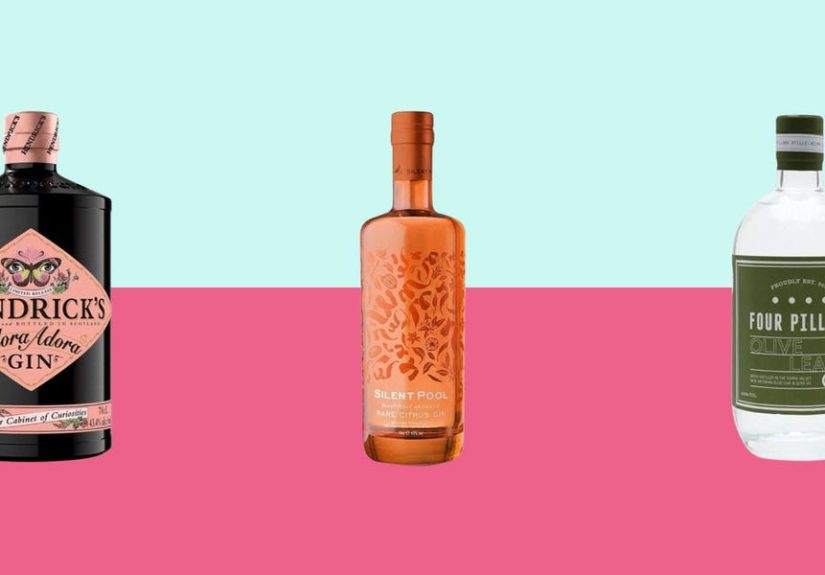
12. Four Pillars Olive Leaf Gin: best savory olive-style gin
Olive oil and gin might sound like two ingredients that met during a power outage, but savory gin is one of the most exciting directions in 2025. Four Pillars Olive Leaf Gin uses olive leaf, olive oil, rosemary, bay leaf, macadamia, and citrus-driven botanicals to create a textured, Mediterranean-style profile. It is not sweet, not pink, and not trying to taste like candy. That alone earns applause.
This is a Martini gin first and a G&T gin second. Stir it with dry vermouth, keep it cold, and garnish with a good green olive or lemon twist. It also works in a dirty Martini if you enjoy brine, oiliness, and that elegant restaurant-bar feeling where the lighting makes everyone look 17 percent more interesting.
How to choose the best flavoured gin for your taste
If you like sweet drinks
Look for plum, raspberry, cherry, pineapple, or dessert-inspired gin. These styles usually mix well with lemonade, sparkling wine, or soda. Just watch the ABV and sugar level: some bottles are gin liqueurs rather than full-strength gin, which changes both the flavor and the way they behave in cocktails.
If you prefer dry drinks
Choose citrus, grapefruit, rosemary, olive leaf, cucumber, or herbal gins. These usually work better with tonic, dry vermouth, soda, and bitter aperitifs. They also tend to feel more grown-up, which is useful if you want a flavored gin that does not taste like it was designed by a committee of gummy bears.
If you want cocktail flexibility
Citrus gins are the safest choice because they work across G&Ts, Collins drinks, Martinis, spritzes, and Negronis. Berry gins are great for sours and sparkling drinks. Savory gins are excellent for Martinis and food pairing but may be less crowd-friendly. Jaffa Cake Gin is best for playful cocktails, especially where orange, cocoa, and bitterness can shine.
Best mixers and garnishes for flavoured gin
The fastest way to ruin a good flavoured gin is to drown it in the wrong mixer. A delicate rhubarb gin can vanish under sugary lemonade. A savory olive-leaf gin can taste strange with sweet tonic. A chocolate-orange gin may become clumsy if paired with heavily flavored soda.
For citrus gin, use Indian tonic, Mediterranean tonic, soda, or a Collins-style mix with lemon. For berry gin, use tonic if you want sharpness or lemonade if you want easy sweetness. For rhubarb gin, try ginger ale, tonic, or sparkling wine. For olive and herb gins, stick with dry vermouth, soda, tonic, or a clean Martini build. For pineapple gin, lime and soda are your best friends.
Garnishes should support the main flavor rather than compete with it. Lemon peel for lemon gin, orange peel for orange gin, mint or lime for pineapple, rosemary for grapefruit-herb gin, and olives for savory gin. The garnish is there to help, not to audition for a West End musical.
Are flavoured gins still worth buying in 2025?
Yes, but the buying rules have changed. The novelty boom has cooled, and that is not a bad thing. It means weaker bottles have less room to hide behind bright labels and louder flavors. The best flavoured gin in 2025 offers intention: a clear ingredient story, balanced sweetness, real botanical structure, and a serve that makes sense.
UK drinkers are especially spoiled because supermarket shelves, specialist retailers, craft distillers, and global brands all compete in the same space. You can buy an affordable cherry gin for casual mixing, a premium raspberry gin for cocktails, a lemon gin for summer, a rhubarb gin for British garden-party energy, and an olive-leaf gin for the Martini hour you keep promising yourself you will host.
As always, enjoy gin responsibly. In the UK, official low-risk drinking guidance recommends no more than 14 units of alcohol per week, spread over several days, with drink-free days included. Great gin is better when it is appreciated, not treated like a hydration plan.
Personal tasting experience: what drinking flavoured gin in 2025 actually feels like
The most enjoyable thing about exploring flavoured gin in 2025 is realizing how different the bottles can be. Years ago, “flavoured gin” often meant one of two things: pink and sweet, or suspiciously pink and suspiciously sweet. Now the category feels more like a tasting menu. You can start with lemon, move to raspberry, detour through roasted pineapple, and somehow end the evening with olive leaf and a Martini glass. That is a journey. Possibly not one your fitness app understands, but a journey nonetheless.
A good tasting session starts with the nose. Lemon gin should smell clean and zesty, not like furniture polish. Raspberry gin should smell like real fruit, not red candy. Rhubarb should have that mouthwatering tartness that makes you think of crumble, gardens, and someone’s grandmother quietly winning at life. Jaffa Cake Gin is the most theatrical of the group because the aroma immediately sparks recognition. Chocolate orange is a powerful memory button. One sniff and suddenly you are debating whether a Jaffa Cake is a cake or biscuit, which is exactly the kind of argument Britain was built to survive.
When tasting, the biggest surprise is often how much the mixer changes the bottle. Jaffa Cake Gin with tonic feels brighter and more grown-up, while lemonade pushes it into dessert territory. Rhubarb with tonic becomes crisp and refreshing; with ginger ale, it becomes warmer and more rounded. Pineapple gin with soda feels clean, but with ginger beer it becomes a party drink that may start using exclamation points. Olive-leaf gin is the opposite. It does not want lemonade. It does not want a paper umbrella. It wants a chilled glass, dry vermouth, and your full attention.
Food pairing is where flavoured gin becomes genuinely useful. Citrus gin is excellent with seafood, salads, and grilled chicken. Raspberry and rhubarb gins work with soft cheeses, berry desserts, and picnic food. Pineapple gin loves spicy snacks, tacos, and barbecue. Jaffa Cake Gin is fun with dark chocolate or orange desserts, but it is also surprisingly good in a Negroni because bitterness keeps the sweetness in check. Olive-style gin is the food-pairing champion: olives, almonds, focaccia, grilled vegetables, anchovies, feta, and salty snacks all make sense beside it.
The best advice from experience is to buy with a serve in mind. Do not buy a bottle just because the label is charming; labels are very good at flirting. Ask yourself what drink you want to make. For a house G&T, choose rhubarb, lemon, raspberry, or grapefruit-rosemary. For brunch spritzes, choose plum, cherry, or pineapple. For cocktail experiments, choose Jaffa Cake, Bloody Shiraz, or olive leaf. For gifting, pick something distinctive but not baffling. Jaffa Cake Gin is a conversation starter. Olive-leaf gin is for the friend who owns coupe glasses and says “mouthfeel” without apologizing.
Most importantly, taste flavoured gin slowly. The best bottles reveal layers: fruit first, then spice, then juniper, then finish. The weak bottles do one cartwheel and leave. In 2025, the winners are the gins that remember they are gins first and flavor experiments second.