Table of Contents >> Show >> Hide
- Why This Is the Best Quinoa-Stuffed Acorn Squash Recipe
- Ingredients for Quinoa-Stuffed Acorn Squash
- How to Make Quinoa-Stuffed Acorn Squash
- Recipe Card: Quinoa-Stuffed Acorn Squash
- Flavor Variations and Smart Swaps
- Tips for Perfect Stuffed Acorn Squash
- What to Serve with Quinoa-Stuffed Acorn Squash
- Make-Ahead, Storage, and Reheating Tips
- Common Mistakes to Avoid
- Nutrition Notes
- Frequently Asked Questions
- Personal Experience: Why This Recipe Works in Real Life
- Conclusion
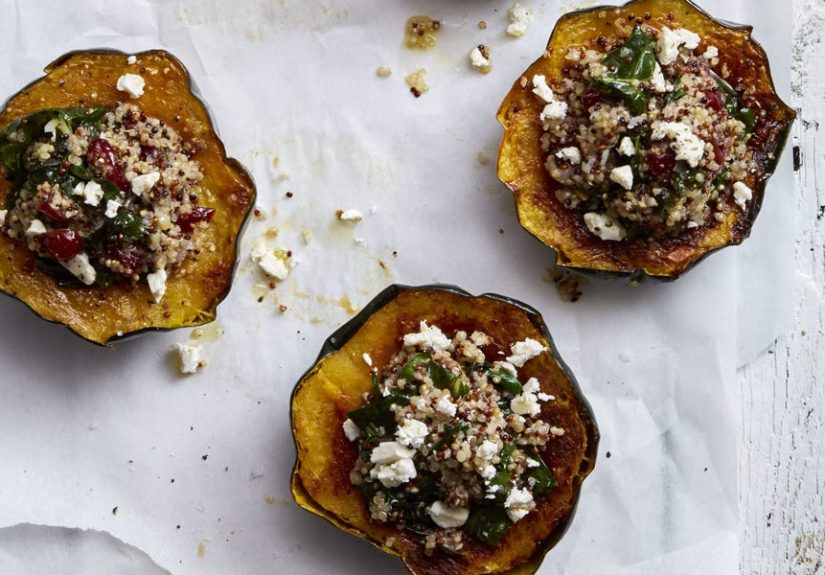
Quinoa-stuffed acorn squash is the kind of recipe that walks into dinner wearing a cozy sweater, carrying a casserole dish, and somehow looking fancy without trying too hard. It is colorful, hearty, naturally beautiful, and surprisingly simple to make. The roasted acorn squash becomes sweet and tender, the quinoa filling brings nutty flavor and satisfying texture, and the mix-inscranberries, herbs, nuts, greens, and a little cheese if you liketurn the whole thing into a fall dinner that looks like it belongs on a magazine cover.
This recipe is perfect for Thanksgiving, Friendsgiving, Meatless Monday, chilly weeknights, or any evening when you want dinner to feel special without requiring a culinary degree and three emotional support spatulas. Even better, quinoa-stuffed acorn squash can work as a vegetarian main dish, a gluten-free holiday side, or a meal-prep lunch that makes your coworkers quietly jealous.
The best part? The squash itself is the serving bowl. That means fewer dishes, more drama, and a dinner presentation that says, “Yes, I did roast an edible bowl, thank you for noticing.”
Why This Is the Best Quinoa-Stuffed Acorn Squash Recipe
A great quinoa-stuffed acorn squash recipe should balance sweetness, savoriness, tenderness, crunch, and freshness. Acorn squash has a naturally mild, slightly nutty flavor that becomes richer when roasted. Quinoa adds protein and a fluffy bite, while ingredients like dried cranberries, toasted pecans, garlic, kale, parsley, and lemon keep the filling from tasting flat.
This version keeps the method simple but builds flavor in layers. First, the squash halves roast cut-side down so the flesh steams and caramelizes. While that happens, quinoa cooks in vegetable broth instead of plain water for extra depth. Then the filling gets tossed with sautéed aromatics, greens, dried fruit, nuts, herbs, and a bright finishing touch. Once stuffed, the squash goes back into the oven briefly so the top warms through and the edges get a little golden.
The result is a stuffed acorn squash that tastes comforting but not heavy, festive but not fussy, and wholesome without giving off “sad diet food” energy. Nobody invited that to dinner.
Ingredients for Quinoa-Stuffed Acorn Squash
This recipe serves four as a main dish or six to eight as a side dish. Choose small to medium acorn squash so each half feels like a generous serving without becoming a personal pumpkin-sized challenge.
For the Roasted Acorn Squash
- 2 medium acorn squash, halved lengthwise and seeded
- 2 tablespoons extra-virgin olive oil
- 1 tablespoon maple syrup
- 1/2 teaspoon kosher salt
- 1/4 teaspoon black pepper
- 1/2 teaspoon ground cinnamon, optional
For the Quinoa Filling
- 3/4 cup dry quinoa, rinsed well
- 1 1/2 cups low-sodium vegetable broth
- 1 tablespoon olive oil
- 1 small yellow onion, finely chopped
- 2 celery ribs, finely chopped
- 2 garlic cloves, minced
- 2 cups chopped kale or baby spinach
- 1/2 cup dried cranberries
- 1/2 cup toasted pecans or walnuts, chopped
- 1/3 cup crumbled feta, goat cheese, or Parmesan, optional
- 2 tablespoons chopped fresh parsley
- 1 teaspoon chopped fresh thyme or 1/2 teaspoon dried thyme
- 1 tablespoon lemon juice or apple cider vinegar
- 1 teaspoon orange zest, optional but highly recommended
- Salt and black pepper to taste
How to Make Quinoa-Stuffed Acorn Squash
Step 1: Prep the Squash Safely
Acorn squash is delicious, but it is also built like it has been training for a medieval tournament. Use a sharp chef’s knife and a steady cutting board. Trim a tiny slice from the stem and bottom ends if needed to create stability, then cut each squash in half from stem to tip. Scoop out the seeds and stringy center with a spoon.
You can save the seeds and roast them later, but do not feel morally obligated. Some nights, dinner itself is enough of a personality achievement.
Step 2: Roast the Acorn Squash
Preheat the oven to 400°F. Line a large baking sheet with parchment paper. Brush the cut sides of the squash with olive oil and maple syrup, then sprinkle with salt, pepper, and a little cinnamon if you want a warmer flavor.
Place the squash cut-side down on the baking sheet. Roast for 30 to 40 minutes, depending on size, until the flesh is tender when pierced with a fork. Roasting cut-side down helps the squash cook evenly and keeps the interior moist while still allowing the edges to caramelize.
Step 3: Cook the Quinoa
While the squash roasts, rinse the quinoa under cold water in a fine-mesh sieve. This helps remove its natural coating, which can taste slightly bitter. Add the rinsed quinoa and vegetable broth to a medium saucepan. Bring to a boil, reduce the heat to low, cover, and simmer for about 15 minutes, or until the liquid is absorbed.
Remove the pot from the heat and let it sit, covered, for 5 minutes. Then fluff with a fork. This little resting period is the difference between fluffy quinoa and quinoa that looks like it has had a long day.
Step 4: Build the Filling
In a large skillet, warm olive oil over medium heat. Add the onion and celery, then cook for 5 to 7 minutes until softened. Stir in the garlic and cook for about 30 seconds, just until fragrant. Add the kale or spinach and cook until wilted.
Turn off the heat and stir in the cooked quinoa, dried cranberries, toasted pecans, fresh parsley, thyme, lemon juice, orange zest, and cheese if using. Taste and season with salt and pepper. The filling should taste bright, savory, slightly sweet, and nutty. If it tastes dull, add a pinch more salt or a squeeze of lemon. If it tastes too sharp, add a tiny drizzle of maple syrup.
Step 5: Stuff and Finish Baking
Flip the roasted squash halves cut-side up. Spoon the quinoa filling into each squash half, gently mounding it on top. Return the stuffed squash to the oven and bake for 10 to 15 minutes, until everything is hot and the top looks lightly toasted.
Finish with extra herbs, a drizzle of olive oil, a sprinkle of cheese, or a spoonful of yogurt sauce. Serve warm.
Recipe Card: Quinoa-Stuffed Acorn Squash
| Prep Time | 20 minutes |
|---|---|
| Cook Time | 45 minutes |
| Total Time | 1 hour 5 minutes |
| Servings | 4 main-dish servings |
| Diet Notes | Vegetarian, gluten-free, easy to make vegan |
Flavor Variations and Smart Swaps
One reason quinoa-stuffed acorn squash is so popular is that it welcomes substitutions like a friendly host with extra chairs. Once you understand the basic formularoasted squash, cooked grain, aromatics, texture, sweetness, herbs, and acidyou can riff endlessly.
Make It Vegan
Skip the cheese or use a dairy-free feta-style crumble. Add chickpeas, white beans, or lentils for extra protein and heartiness. A tahini-lemon drizzle is excellent here and gives the dish a creamy finish without dairy.
Make It More Savory
Add sautéed mushrooms, chopped sun-dried tomatoes, or a pinch of smoked paprika. Mushrooms give the filling a deeper, almost meaty flavor, while smoked paprika makes the dish taste like it spent time near a cozy campfire, minus the smoke in your hair.
Make It Holiday-Ready
Use cranberries, pecans, sage, thyme, orange zest, and a little goat cheese. This combination tastes like autumn politely introduced itself to Thanksgiving and brought a handwritten thank-you note.
Make It Protein-Packed
Stir in cooked lentils, chickpeas, white beans, diced roasted chicken, or browned turkey sausage. If you are keeping the recipe vegetarian, chickpeas and lentils are especially easy because they blend well with quinoa and absorb the herbs beautifully.
Tips for Perfect Stuffed Acorn Squash
Choose the Right Squash
Look for acorn squash that feels heavy for its size, has firm skin, and shows no soft spots. A patch of orange on the skin is normal and often signals ripeness, but avoid squash that feels mushy or has cracks.
Do Not Undercook the Squash
The squash should be truly fork-tender before you stuff it. If the filling is ready but the squash still fights back, give it another 5 to 10 minutes. Dinner should not require a steak knife workout.
Season Every Layer
Salt the squash before roasting, cook the quinoa in broth, and season the filling after mixing. Layered seasoning makes the finished dish taste complete instead of like separate ingredients sharing an apartment.
Add Acid at the End
Lemon juice or apple cider vinegar wakes up the sweet squash and nutty quinoa. Without acidity, the filling can taste heavy. With it, everything tastes brighter, fresher, and more balanced.
Toast the Nuts
Toasted pecans or walnuts add crunch and richer flavor. It takes only a few minutes in a dry skillet, but it makes the dish taste much more intentional.
What to Serve with Quinoa-Stuffed Acorn Squash
As a main dish, quinoa-stuffed acorn squash pairs well with a crisp green salad, roasted Brussels sprouts, green beans, or a simple soup. For a holiday table, it sits beautifully next to mashed potatoes, cranberry sauce, roasted turkey, glazed carrots, or a mushroom gravy.
If serving it for a weeknight dinner, keep the sides simple. A lemony arugula salad or a bowl of tomato soup is enough. The stuffed squash already brings grain, vegetables, protein, healthy fats, and plenty of flavor. It does not need a full supporting cast, although garlic bread would never be turned away at the door.
Make-Ahead, Storage, and Reheating Tips
You can roast the squash and cook the quinoa filling up to two days in advance. Store them separately in airtight containers in the refrigerator, then stuff and bake when ready to serve. This keeps the filling from getting too soft and helps the squash hold its shape.
Leftover stuffed acorn squash should be cooled and refrigerated in a covered container. For best texture, reheat it in a 350°F oven until warmed through. The microwave works too, especially for lunch, but the oven keeps the edges nicer. If using the microwave, cover the squash loosely and heat in short intervals so the filling warms evenly.
To freeze, wrap cooled stuffed squash halves tightly and freeze for up to two months. The texture of the squash may soften after thawing, but the flavor remains cozy and satisfying. Thaw overnight in the refrigerator before reheating.
Common Mistakes to Avoid
Using Watery Quinoa
Quinoa that is too wet will make the stuffing soggy. Let the quinoa rest after cooking, then fluff it. If it still seems damp, leave the lid off for a few minutes so excess steam can escape.
Skipping the Herbs
Fresh parsley, thyme, or sage makes the filling taste lively and seasonal. Dried herbs can work in a pinch, but use them sparingly because they are more concentrated.
Overfilling Too Early
Stuff the squash only after it is tender. If you pile the filling into undercooked squash and keep baking forever, the quinoa may dry out before the squash finishes cooking.
Forgetting Texture
The best stuffed squash has soft, fluffy, chewy, and crunchy elements. That is why nuts, seeds, or crispy toppings matter. Without them, the dish can taste good but feel one-note.
Nutrition Notes
Quinoa is often treated like a grain in cooking, but it is technically a seed. It is naturally gluten-free and valued for its plant-based protein, fiber, and minerals. Acorn squash contributes complex carbohydrates, fiber, potassium, and a naturally sweet flavor that makes the dish satisfying without needing much added sugar.
Depending on your mix-ins, this recipe can be lighter or richer. Pecans and cheese add flavor and fat, chickpeas or lentils add more protein, and leafy greens boost color and nutrients. The recipe is flexible enough to fit many eating styles while still tasting like real dinner, not a punishment disguised as meal prep.
Frequently Asked Questions
Can I eat the skin of acorn squash?
Yes, acorn squash skin becomes softer when roasted and is edible. Some people enjoy it, while others prefer to scoop out the tender flesh and leave the skin behind. Either approach is perfectly acceptable and will not be judged by the squash.
Can I use a different grain instead of quinoa?
Absolutely. Farro, wild rice, brown rice, couscous, or barley can work well. Keep in mind that farro and barley are not gluten-free, so use rice or quinoa if you need a gluten-free version.
Can I make quinoa-stuffed acorn squash for Thanksgiving?
Yes. This dish is one of the best vegetarian Thanksgiving mains because it looks elegant, feels seasonal, and does not require last-minute stovetop space. You can prep most components ahead and bake the stuffed squash shortly before serving.
How do I keep the filling from being bland?
Cook the quinoa in broth, sauté the onion and garlic, use fresh herbs, add something sweet like cranberries, include crunch from nuts, and finish with lemon juice or vinegar. Bland filling usually means it needs salt, acid, or both.
Personal Experience: Why This Recipe Works in Real Life
The first time I made quinoa-stuffed acorn squash, I was suspicious. It looked like the kind of recipe that might require a linen apron, hand-thrown pottery, and the emotional stability of someone who meal plans on Sundays. But the process turned out to be much friendlier than expected. Cut squash, roast squash, cook quinoa, stir tasty things together, stuff, bake, eat. That is the whole magic trick.
What surprised me most was how forgiving the recipe is. I have made it with kale and spinach, pecans and walnuts, feta and no cheese, cranberries and chopped dried apricots. Once, I forgot parsley and used scallions instead. Another time, I had no vegetable broth and cooked the quinoa in water with a pinch of salt, garlic powder, and a tiny splash of olive oil. The squash did not send a complaint letter. It still worked.
The biggest lesson is that contrast matters. Acorn squash is soft and sweet, so the filling needs a little attitude. Garlic brings depth, lemon juice brings brightness, nuts bring crunch, and herbs bring freshness. Dried cranberries are especially useful because they add chewy sweetness without making the dish taste like dessert. Orange zest is my favorite tiny upgrade. It makes the quinoa taste fragrant and festive, as if it got invited to a holiday party and actually read the dress code.
This recipe also taught me that vegetarian main dishes should not feel like side dishes wearing a fake mustache. A good meatless main needs structure and satisfaction. Here, the squash provides a generous base, quinoa adds substance, nuts add richness, and cheese or legumes can make it even more filling. Served with a simple salad, it feels complete. Served on a holiday table, it gives vegetarian guests something beautiful and intentional instead of the classic “you can eat the rolls and maybe the green beans” situation.
For meal prep, I prefer storing the roasted squash and filling separately. When I stuff everything right away and refrigerate it, the flavors are still good, but the texture softens. Separate storage keeps the quinoa fluffier and the squash neater. On busy nights, I reheat the squash halves in the oven while warming the filling in a skillet, then combine them at the end. It tastes close to freshly made and looks far more impressive than the effort involved.
One practical tip: do not rush cutting the squash. Acorn squash can roll, wobble, and generally behave like it has somewhere else to be. Use a stable board, a sharp knife, and patience. If needed, microwave the whole squash for one to two minutes to slightly soften the skin before cutting. That small step can make prep easier and reduce kitchen drama.
In the end, quinoa-stuffed acorn squash is one of those recipes that earns a permanent spot in the cold-weather rotation. It is cozy but colorful, healthy but not boring, and fancy-looking without requiring fancy skills. It is equally comfortable at a holiday dinner or a Tuesday night meal, which is rare. Most recipes choose one lane. This one politely uses the turn signal and does both.
Conclusion
The best quinoa-stuffed acorn squash recipe is all about balance: tender roasted squash, fluffy quinoa, savory aromatics, sweet dried fruit, crunchy nuts, fresh herbs, and a bright finishing touch. It is easy enough for a weeknight, pretty enough for a holiday, and flexible enough to welcome whatever ingredients you already have in the pantry. Whether you serve it as a vegetarian main dish, a gluten-free side, or a make-ahead meal-prep favorite, this recipe brings comfort and color to the table in the most delicious way.